
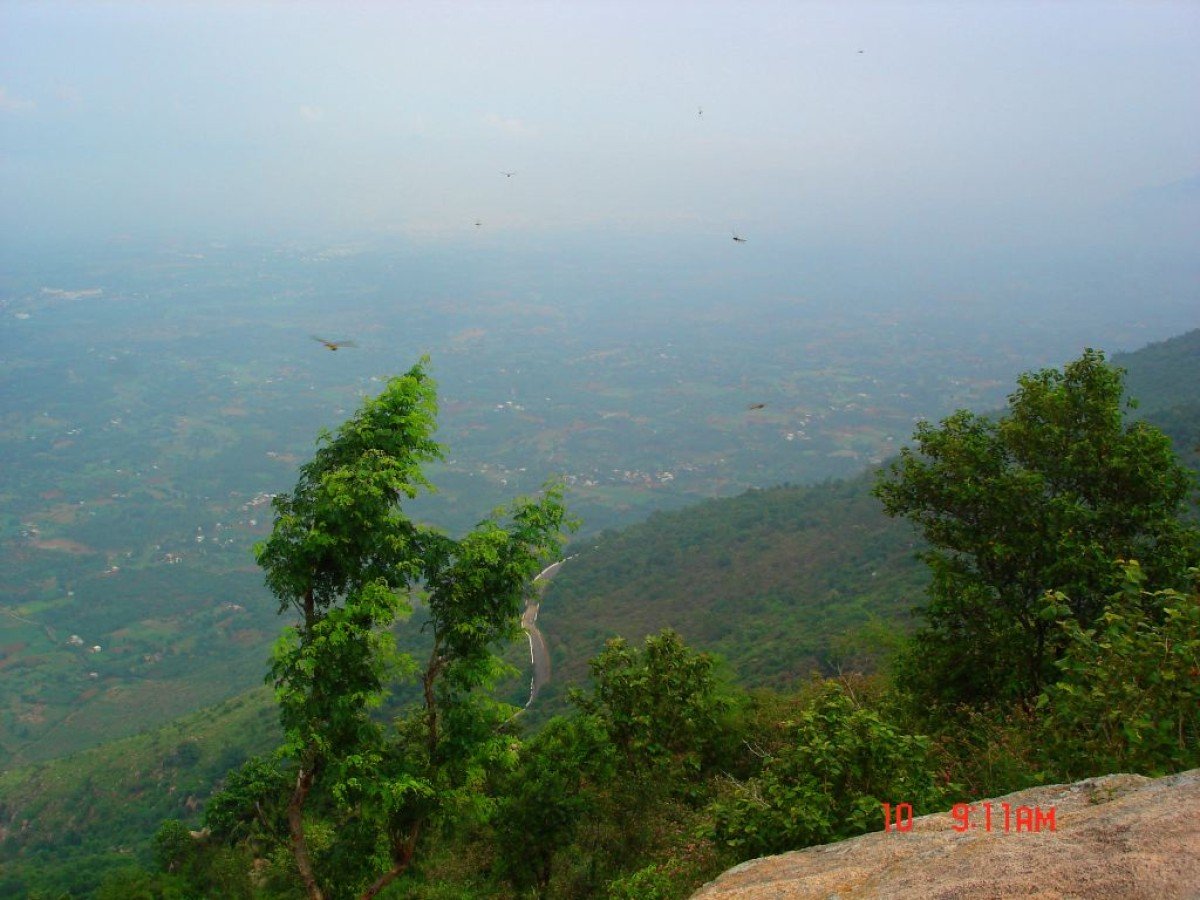
Moksha Vimochana Temple
General information
-
Ideal Duration:
30 Minutes - 1 HourPlace Type:
Temple, Pilgrimage, SpiritualEntry Fees:
Entry Fee: The temple is Free to enter, as it is an active, open place of worship.
Special Ritual Fee: Specific poojas or offerings (e. g. , for the 42-day mandala) requested by the devotees will incur a fee, depending on the items and compl...Entry Fee: The temple is Free to enter, as it is an active, open place of worship.
Special Ritual Fee: Specific poojas or offerings (e. g. , for the 42-day mandala) requested by the devotees will incur a fee, depending on the items and complexity of the ritual.
Parking Charges: A small, optional donation may be requested for parking in the informal lot nearby, though often it is free.
Photography Fee: None, but highly sensitive areas and the main idol should not be photographed out of respect.
Donation: Voluntary donations for the maintenance of the temple are accepted and encouraged.Timing:
Regular Timings: Open Daily from approximately 8:00 AM to 8:00 PM.
No Afternoon Break: Unlike many South Indian temples, it often remains open throughout the day, catering to devotees on the 42-day schedule.
Ide...Regular Timings: Open Daily from approximately 8:00 AM to 8:00 PM.
No Afternoon Break: Unlike many South Indian temples, it often remains open throughout the day, catering to devotees on the 42-day schedule.
Ideal Visit Time: The first two hours after opening (8:00 AM to 10:00 AM) or the evening hour (6:00 PM to 7:00 PM) are the quietest and most atmospheric for reflection.
Crowd Level: Generally a very peaceful temple, but expect higher attendance during the Purattasi month or on Vaikuntha Ekadashi.Special Events:
Vaikuntha Ekadashi: The most significant annual festival (usually in December/January) for a Vishnu temple, celebrated with special all-night poojas, singing of hymns, and a massive gathering of devotees.
Purattasi Month Celebration: The ent...Vaikuntha Ekadashi: The most significant annual festival (usually in December/January) for a Vishnu temple, celebrated with special all-night poojas, singing of hymns, and a massive gathering of devotees.
Purattasi Month Celebration: The entire Purattasi month (mid-September to mid-October) is highly auspicious for Lord Vishnu; the temple sees a significant increase in devotional activities and special services throughout this period.
The 42-Day Completion Ritual: The end of a devotee's 42-day prayer cycle is a personal but often observable event, involving special final poojas and offerings that carry a celebratory and deeply spiritual significance.Best Photo Spots:
Main Temple Facade: The simple, traditional temple front, surrounded by lush green trees, provides a serene and classic portrait backdrop.
The Bell and Tower: Focus on the temple bell and the small Vimana (tower) against the clear blue sky f...Main Temple Facade: The simple, traditional temple front, surrounded by lush green trees, provides a serene and classic portrait backdrop.
The Bell and Tower: Focus on the temple bell and the small Vimana (tower) against the clear blue sky for a devotional composition.
The Temple Courtyard: The quiet, open courtyard and surrounding greenery are excellent for peaceful, contemplative portraits or candid shots of devotees.
Pathway to the Temple: The short, tree-lined path leading to the temple entrance can be used for a welcoming, natural shot.
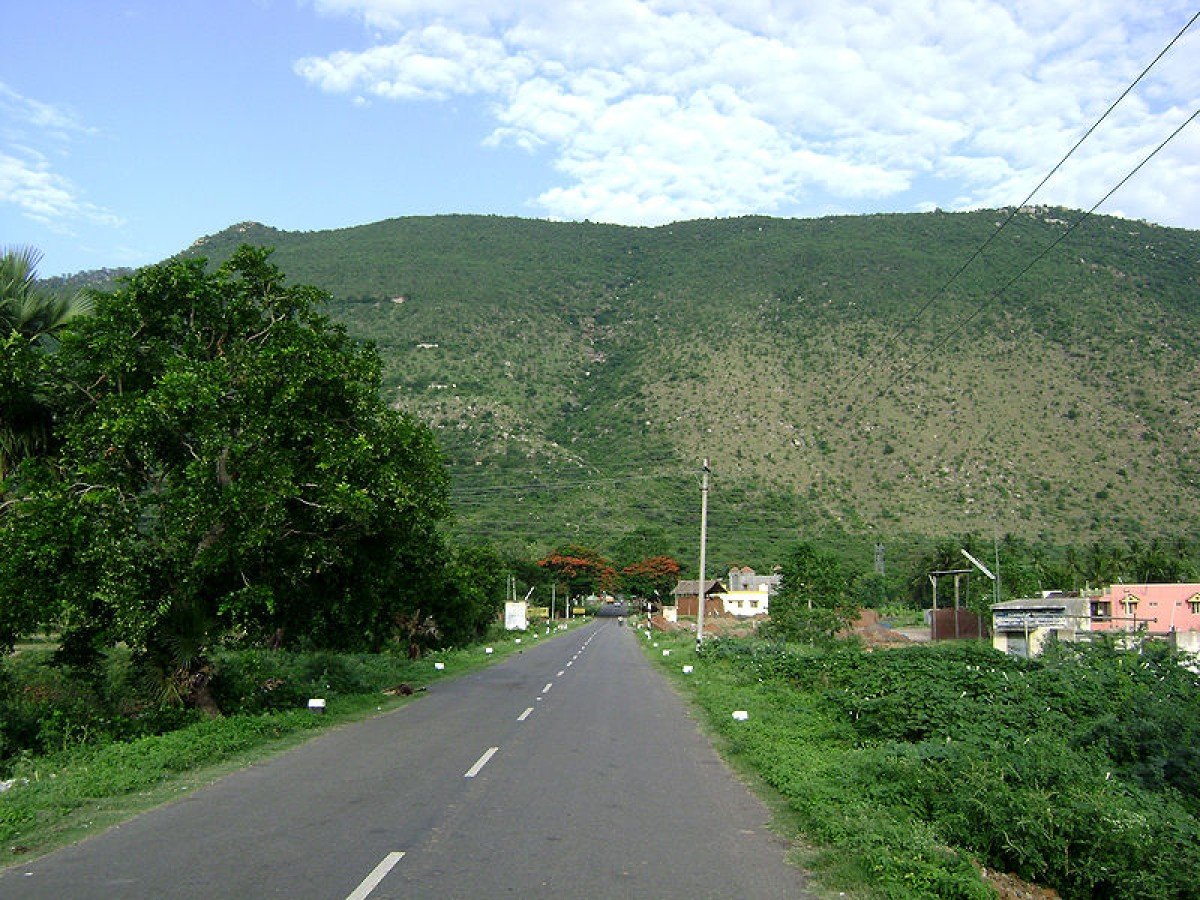
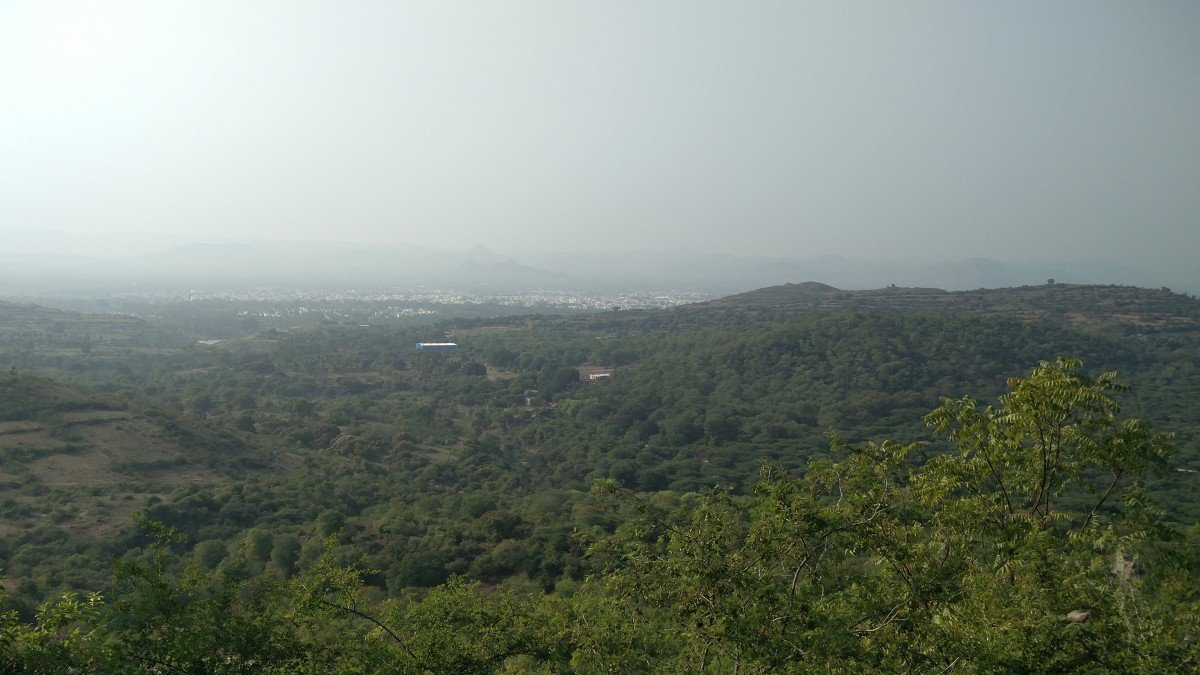
Near Nilavoor Lake: A combined shot, taken from a slight distance, showing the temple nestled amidst the green hills, emphasizing its secluded location.Photo Gallery


Things To Do
-
Prayer and Worship: Perform traditional poojas and offer prayers to Lord Vishnu for blessings and spiritual liberation.
Meditation: Utilize the quiet, peaceful atmosphere of the outer prakara for quiet meditation and self-reflection.
Observing Rituals: Witness the daily Aarti (worship) and the unique rituals associated with the 42-day prayer cycle (if in progress).
Walk to Nilavoor Lake: Combine the visit with a short, scenic walk to the nearby Nilavoor Lake for boating and recreation.
Spiritual Photography: Capture the peaceful and devotional aspects of the temple environment (respecting restrictions on photographing idols).
Reading Scriptures: Bring a book of Hindu scriptures or prayers to read...Prayer and Worship: Perform traditional poojas and offer prayers to Lord Vishnu for blessings and spiritual liberation.
Meditation: Utilize the quiet, peaceful atmosphere of the outer prakara for quiet meditation and self-reflection.
Observing Rituals: Witness the daily Aarti (worship) and the unique rituals associated with the 42-day prayer cycle (if in progress).
Walk to Nilavoor Lake: Combine the visit with a short, scenic walk to the nearby Nilavoor Lake for boating and recreation.
Spiritual Photography: Capture the peaceful and devotional aspects of the temple environment (respecting restrictions on photographing idols).
Reading Scriptures: Bring a book of Hindu scriptures or prayers to read in the quiet hall.
Interacting with Devotees: If comfortable, speak to the permanent devotees to understand the significance of the 42-day vow and the temple's legends.
Quiet Contemplation: Simply sit and absorb the temple’s sacred, unhurried energy for a brief spiritual retreat.
Information
-
Why Famous:
The 42-Day Vow: It is uniquely famous for the spiritual promise that continuous, dedicated prayer for 42 days at this site leads to the attainment of moksha (salvation) or forgiveness of past sins, attracting devoted pilgrims.
Lord Vishnu's Shri...The 42-Day Vow: It is uniquely famous for the spiritual promise that continuous, dedicated prayer for 42 days at this site leads to the attainment of moksha (salvation) or forgiveness of past sins, attracting devoted pilgrims.
Lord Vishnu's Shrine: As a prominent temple dedicated to Lord Vishnu in a hill station primarily known for Murugan/Shiva temples, it stands out as an important Vaishnavite pilgrimage spot.
Tranquil Seclusion: Its quiet, secluded location near Nilavoor Lake is a draw for those specifically seeking peace, meditation, and a break from the noise of commercial tourist hubs.
Traditional Ambiance: The temple successfully maintains a traditional, sacred, and serene ambiance, making it ideal for deep, focused spiritual practice. -
Architecture:
Traditional Simple Design: The temple architecture follows a traditional, modest South Indian temple style, with simple, whitewashed walls and a basic, tiered tower (Vimana) over the main sanctuary.
Whitewash and Stone: The primary materials...Traditional Simple Design: The temple architecture follows a traditional, modest South Indian temple style, with simple, whitewashed walls and a basic, tiered tower (Vimana) over the main sanctuary.
Whitewash and Stone: The primary materials are stone for the foundation and main shrine, with extensive use of whitewash and simple plaster-of-Paris decorative elements, reflecting a more modern or recently renovated style.
The Sanctum and Outer Halls: The complex consists of the main sanctum housing the idol of Lord Vishnu, a small Maha Mandapam (main hall) for devotees, and an outer courtyard (Prakara) for circumambulation.
Green Integration: The architecture is intentionally set amidst and subordinate to the surrounding lush greenery and natural forest, emphasizing the temple’s role as a haven of peace and contemplation.
Small Dimensions: Unlike large city temples, the complex is small, with the main structure being compact, perhaps 10m×10m, focusing on the devotional experience rather than grand scale. -
How To Reach:
By Air: Nearest major airport is Kempegowda International Airport, Bengaluru (BLR) (approx. 195 KMS). Take a direct cab to Yelagiri.
By Train: Nearest railway station is Jolarpettai Junction (JTJ) (approx. 21 KMS). From JTJ, hire a local...By Air: Nearest major airport is Kempegowda International Airport, Bengaluru (BLR) (approx. 195 KMS). Take a direct cab to Yelagiri.
By Train: Nearest railway station is Jolarpettai Junction (JTJ) (approx. 21 KMS). From JTJ, hire a local taxi or auto-rickshaw to the temple near Nilavoor Lake.
By Road: The temple is located near Nilavoor Lake, which is a known area on the hill. Follow the signs toward the lake and the temple is a short distance from there.
By Local Transport: Hire an auto-rickshaw from the main tourist area (Punganur Lake or Athanavoor). Since it is slightly remote, negotiate the round-trip fare, including waiting time, with the auto-driver beforehand. -
Weather and Best Time to Visit:
Winter Season (Best): November to February provides the cool, calm, and temperate conditions perfect for long periods of quiet prayer and meditation.
Summer Season (Functional): March to June is warmer, but the temple's peaceful, shaded loca...Winter Season (Best): November to February provides the cool, calm, and temperate conditions perfect for long periods of quiet prayer and meditation.
Summer Season (Functional): March to June is warmer, but the temple's peaceful, shaded location offers respite from the heat, making it a functional time to visit.
Monsoon Season (Lush Greenery): July to September transforms the surroundings into a vibrant green, enhancing the tranquility, though rain can be heavy.
Morning Time (Spiritual): The best time for spiritual visitors is the early morning (8:00 AM to 10:00 AM) for the freshest air and a deeply calm atmosphere. -
Near Tourist Places:
Nilavoor Lake (0. 5 KMS), Fundera Park (1. 5 KMS), Cloud Forest Entertainment Park (1. 5 KMS), Government Silk Farm (2 KMS), Murugan Temple (Kundru) (4 KMS), Punganur Lake (7 KMS), Government Herbal Farm (7 KMS), Velavan Temple (8 KMS), Swamimalai Hill Base (9 KMS), Yelagiri Adventure Camp (8 KMS).
Tourism Tips
-
Health & Safety: The path to the temple is simple, but wear comfortable footwear. If undertaking the 42-day prayer, consult with local priests on specific dietary or living requirements.
Packing: Modest dress is essential (covering shoulder...Health & Safety: The path to the temple is simple, but wear comfortable footwear. If undertaking the 42-day prayer, consult with local priests on specific dietary or living requirements.
Packing: Modest dress is essential (covering shoulders and knees) out of respect for the religious site. Carry minimal possessions to maximize spiritual focus.
Accommodation: Good resorts and budget stays are available within a short driving distance near Nilavoor Lake and Athanavoor.
Cultural Note: Always respect the devotees who are undertaking the 42-day vow by maintaining silence and giving them space for their focused prayers.
Photography Ethics: Ask permission before photographing any person, especially those engaged in deep worship.
Reviews
FAQs
Yelagiri Itineray And Cost:-
Moksha Vimochana Temple Tourism:-
Other Places In Yelagiri :-
Other States In India :-
Information about New and Updated Locations() of Tamil Nadu Has Been Added :-
Card subtitle
Note:-
Information provided here in good Faith and for reference only.
Near Places
Amirthi Zoological Waterfalls
Some quick example text to build on the card title and make up the bulk of the card's content.
Go somewhere
Bappu Vainu Observatory
Some quick example text to build on the card title and make up the bulk of the card's content.
Go somewhere
Burla View Point
Some quick example text to build on the card title and make up the bulk of the card's content.
Go somewhere
Cloud Forest Entertainment Park
Some quick example text to build on the card title and make up the bulk of the card's content.
Go somewhere
Fundera Park
Some quick example text to build on the card title and make up the bulk of the card's content.
Go somewhere
Government Herbal Farm
Some quick example text to build on the card title and make up the bulk of the card's content.
Go somewhere
Government Silk Farm
Some quick example text to build on the card title and make up the bulk of the card's content.
Go somewhere
Jalagamparai Waterfalls
Some quick example text to build on the card title and make up the bulk of the card's content.
Go somewhere
Jalakanda Parameswari Temple
Some quick example text to build on the card title and make up the bulk of the card's content.
Go somewhere
Moksha Vimochana Temple
Some quick example text to build on the card title and make up the bulk of the card's content.
Go somewhere
Murugan Temple
Some quick example text to build on the card title and make up the bulk of the card's content.
Go somewhere
Nature Park
Some quick example text to build on the card title and make up the bulk of the card's content.
Go somewhere
Nilavoor Cliff View Point
Some quick example text to build on the card title and make up the bulk of the card's content.
Go somewhere
Nilavoor Lake
Some quick example text to build on the card title and make up the bulk of the card's content.
Go somewhere
Palamathi Hills
Some quick example text to build on the card title and make up the bulk of the card's content.
Go somewhere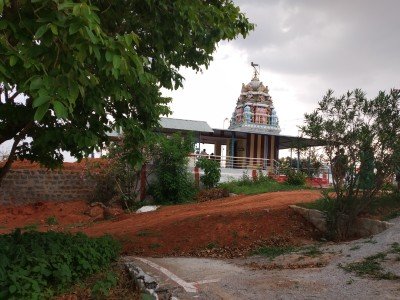
Perumal Temple
Some quick example text to build on the card title and make up the bulk of the card's content.
Go somewherein Other Cities