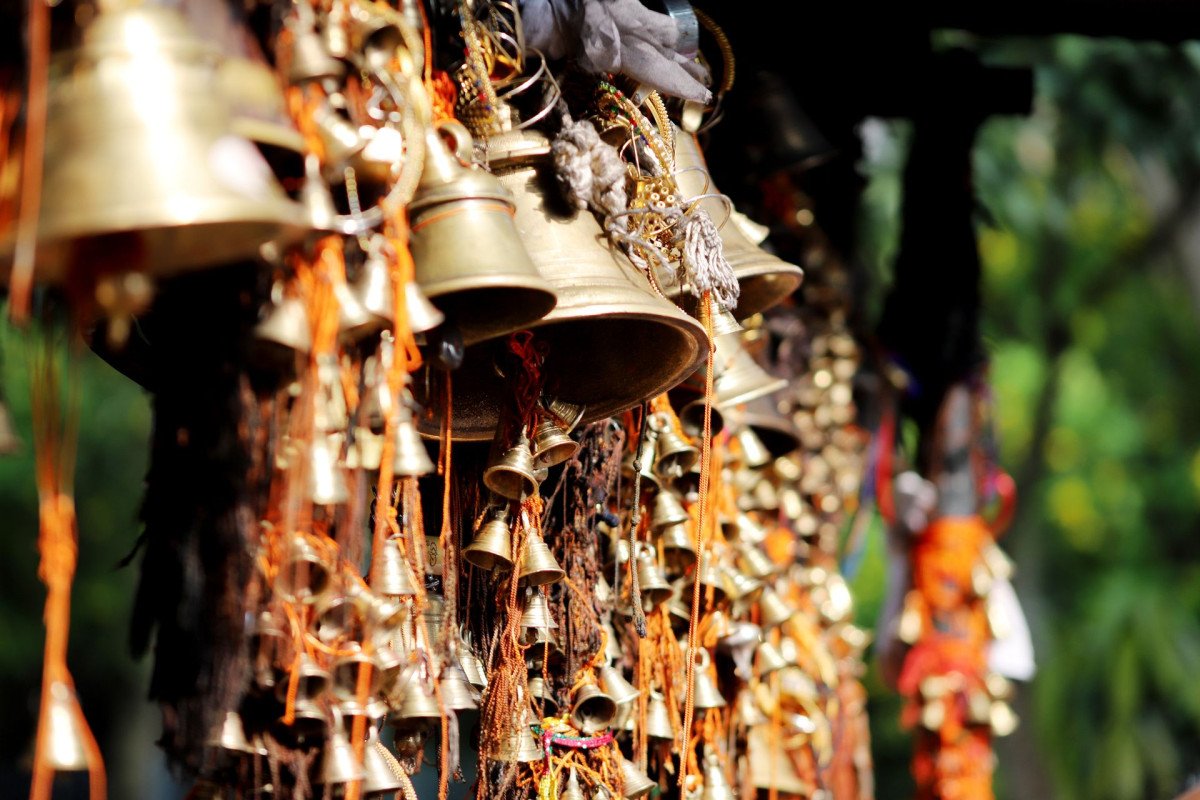
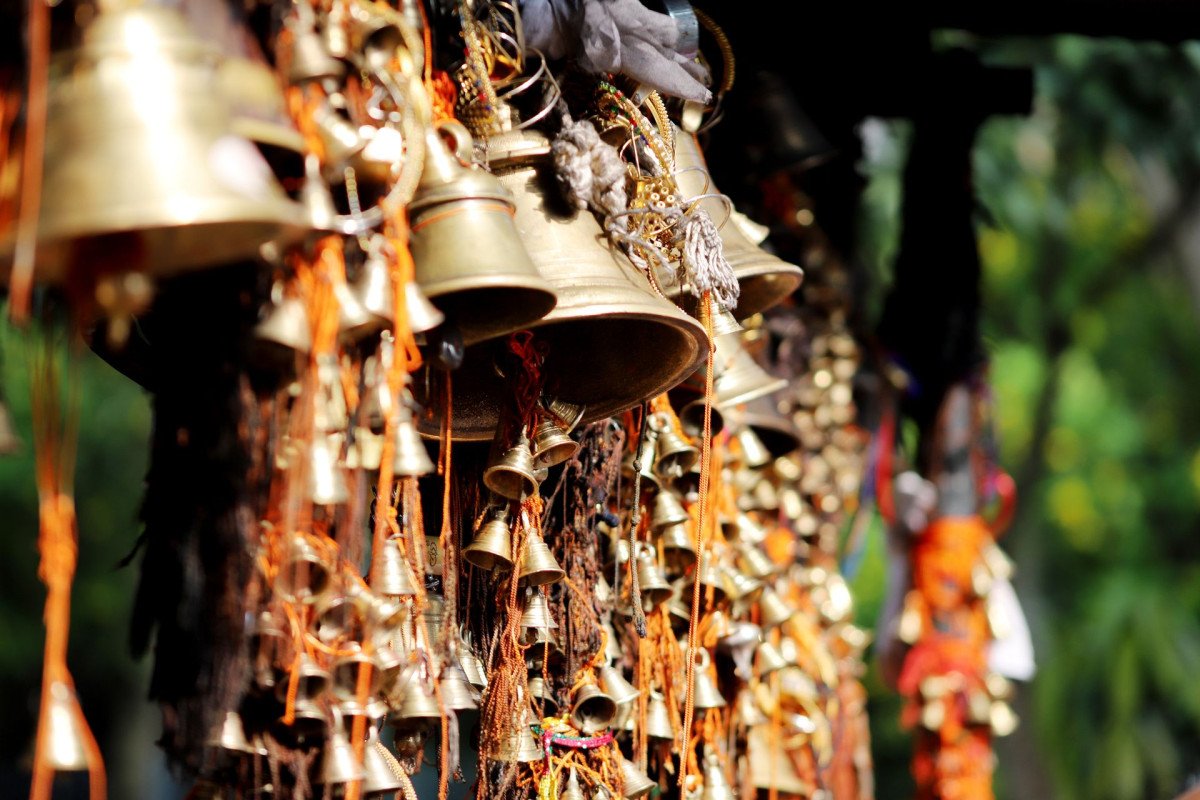
Panchvati Temple
General information
-
Ideal Duration:
1-3 HoursPlace Type:
Religious / MythologicalEntry Fees:
Free Entry: Entry to the temple premises is free for all devotees and visitors, as with most Hindu public temples in India.
Donation: Donations for the temple's maintenance or charitable work are welcome but purely voluntary. Visitors shoul...Free Entry: Entry to the temple premises is free for all devotees and visitors, as with most Hindu public temples in India.
Donation: Donations for the temple's maintenance or charitable work are welcome but purely voluntary. Visitors should avoid being pressured into purchasing religious offerings or paying unofficial fees.Timing:
Regular Timings: Generally open from early morning to late evening, typically 4:00 AM to 10:00 PM daily to accommodate prayer schedules.
Ideal Visit Time: The best time to visit is during the morning aarti (usually 6:00 AM to 7:00 AM) or the...Regular Timings: Generally open from early morning to late evening, typically 4:00 AM to 10:00 PM daily to accommodate prayer schedules.
Ideal Visit Time: The best time to visit is during the morning aarti (usually 6:00 AM to 7:00 AM) or the evening aarti (7:00 PM to 8:00 PM) to experience the spiritual atmosphere.Special Events:
Janmashtami Celebration: Being a center for the Mahabharata connection, Krishna Janmashtami (birth of Lord Krishna, usually in August/September) is a major festival celebrated with great pomp, drama performances (Ramlila), and communal feasting.
...Janmashtami Celebration: Being a center for the Mahabharata connection, Krishna Janmashtami (birth of Lord Krishna, usually in August/September) is a major festival celebrated with great pomp, drama performances (Ramlila), and communal feasting.
Annual Mela: A large Mela (fair) is often organized, particularly during Navaratri (usually in October or March), attracting thousands of devotees and featuring local cultural performances.Best Photo Spots:
The Main Shikhara View: The towering spire (Shikhara) of the temple, often colorfully painted, provides a magnificent and symbolic backdrop for a photograph, especially from the temple complex entrance.
The Mahabharata Murals: The beautifull...The Main Shikhara View: The towering spire (Shikhara) of the temple, often colorfully painted, provides a magnificent and symbolic backdrop for a photograph, especially from the temple complex entrance.
The Mahabharata Murals: The beautifully painted murals on the exterior and interior walls offer excellent opportunities for detailed, cultural photography capturing religious artistry.
The Courtyard Gathering: A wide-angle shot capturing the entire temple complex, including the courtyard full of devotees during an aarti or festival, provides a dynamic, lively scene.Photo Gallery
Things To Do
-
Offering Prayers (Puja): Participate in the daily aarti (prayer) and offer prayers to the main deities and the shrine dedicated to the Pandavas.
Meditation: Find a quiet corner in the Mandapa or near the main shrine for peaceful meditation and spiritual reflection.
Explore Murals: Take your time to study the intricate wall paintings and carvings that tell the stories of the Mahabharata and Hindu mythology, using them as a learning experience.
Attend Discourse: If a religious discourse (Pravachan) is being held, sit and listen to gain deeper insight into the temple's history and the scriptures.
Charity Work: The temple often runs charitable activities; one can participate in distributing Prasad (sacred food) or making a donation ...Offering Prayers (Puja): Participate in the daily aarti (prayer) and offer prayers to the main deities and the shrine dedicated to the Pandavas.
Meditation: Find a quiet corner in the Mandapa or near the main shrine for peaceful meditation and spiritual reflection.
Explore Murals: Take your time to study the intricate wall paintings and carvings that tell the stories of the Mahabharata and Hindu mythology, using them as a learning experience.
Attend Discourse: If a religious discourse (Pravachan) is being held, sit and listen to gain deeper insight into the temple's history and the scriptures.
Charity Work: The temple often runs charitable activities; one can participate in distributing Prasad (sacred food) or making a donation for the temple's upkeep or social work.
Shop for Keepsakes: Visit the small stalls outside the temple to buy religious books, flowers, incense, and souvenirs as a memento of the visit.
Observe Rituals: Witness the traditional Hindu rituals and ceremonies being performed by the priests and local devotees.
Information
-
Why Famous:
The Pandava Connection: It is primarily famous for the deeply held belief that the Pandavas stayed here during their exile, making it a living link to the Mahabharata era and an important spot in the mythological geography of Haryana.
Architectu...The Pandava Connection: It is primarily famous for the deeply held belief that the Pandavas stayed here during their exile, making it a living link to the Mahabharata era and an important spot in the mythological geography of Haryana.
Architectural Murals: The temple is famous for its colorful, detailed murals and carvings that vividly narrate stories from Hindu epics, attracting art lovers and devotees alike. -
Architecture:
Traditional North Indian Temple: The temple complex follows a typical North Indian architectural style, characterized by a Shikhara (tower) rising over the main sanctum (Garbhagriha). The structure is made of brick and concrete, often faced with white marble or painted in b...Traditional North Indian Temple: The temple complex follows a typical North Indian architectural style, characterized by a Shikhara (tower) rising over the main sanctum (Garbhagriha). The structure is made of brick and concrete, often faced with white marble or painted in bright, vibrant colors, reflecting its contemporary religious importance.
Design Elements: Features include a prominent main entrance, a spacious assembly hall (Mandapa), and a circumambulatory path (Pradakshina Patha). The walls are often adorned with hand carvings and murals depicting scenes from the Mahabharata and Ramayana.
Dimension: While the main temple area is centrally located, the complex is moderate in size (approx. 5000-8000 sq ft), with the main sanctuary height reaching approx. 40-50 feet. -
How To Reach:
By Air: Nearest airport is Indira Gandhi International Airport (DEL) in Delhi (Approx. 95 KMS). Take a pre-booked taxi or train to Palwal, then a local auto.
By Train: Nearest major station is Palwal Railway Station (PWL). The temple is v...By Air: Nearest airport is Indira Gandhi International Airport (DEL) in Delhi (Approx. 95 KMS). Take a pre-booked taxi or train to Palwal, then a local auto.
By Train: Nearest major station is Palwal Railway Station (PWL). The temple is very close to the center (approx. 1. 5 KMS), easily accessible by a short cycle-rickshaw or auto-rickshaw ride.
By Road: Located at Panchvati Chowk, a central and famous landmark in Palwal City, making it easily reachable by local buses, taxis, or private vehicles from the NH 44 network.
By Local Transport: Being central, e-rickshaws, auto-rickshaws, and city buses frequently ply the route to Panchvati Chowk. -
Weather and Best Time to Visit:
Season: Winter (October to March) is ideal for comfortable weather during temple visits and for participating in outdoor religious events. Monsoon can offer a lush setting.
Part of the Day: Evening (post-6:00 PM) is the most spiritual time ...Season: Winter (October to March) is ideal for comfortable weather during temple visits and for participating in outdoor religious events. Monsoon can offer a lush setting.
Part of the Day: Evening (post-6:00 PM) is the most spiritual time due to the major Sandhya Aarti (evening prayer) and the gathering of local devotees. -
Near Tourist Places:
Dauji Mandir (3 KMS), Kile Wala Park HBC (3 KMS), Sarai Gate (2. 5 KMS), Sati Ka Talab (4 KMS), Gandhi Seva Ashram (2 KMS), Palwal Bus Stand Market (1 KM), Patwari Nawal Singh House (4. 5 KMS), Brahman Haveli (10 KMS), Shanti Van (Pandav Van) (5 KMS), Kos Minar (25 KMS).
Tourism Tips
-
Health & Safety: Dress modestly to respect the religious nature of the site; remove shoes outside the inner sanctum. Watch out for crowds during festivals.
Packing: Carry a small bag for your shoes; consider bringing a scarf or shawl.Health & Safety: Dress modestly to respect the religious nature of the site; remove shoes outside the inner sanctum. Watch out for crowds during festivals.
Packing: Carry a small bag for your shoes; consider bringing a scarf or shawl.
Accommodation: Numerous mid-range and budget hotels are available near the Palwal Railway Station and Panchvati Chowk area.
Other Tips: Combine the visit with Dauji Mandir and Sati Ka Talab, as they are historically and geographically linked sites in Palwal's religious circuit.
Reviews
FAQs
Palwal Itineray And Cost:-
Panchvati Temple Tourism:-
Other Places In Palwal :-
Other States In India :-
Information about New and Updated Locations() of Haryana Has Been Added :-
Card subtitle
Note:-
Information provided here in good Faith and for reference only.
Near Places

Anjani Kund
Some quick example text to build on the card title and make up the bulk of the card's content.
Go somewhere
Bakhir Wali Chaupal
Some quick example text to build on the card title and make up the bulk of the card's content.
Go somewhere
Brahman Haveli
Some quick example text to build on the card title and make up the bulk of the card's content.
Go somewhere
Dabchick Tourist Complex
Some quick example text to build on the card title and make up the bulk of the card's content.
Go somewhere
Dauji Mandir
Some quick example text to build on the card title and make up the bulk of the card's content.
Go somewhere
Gandhi Seva Ashram
Some quick example text to build on the card title and make up the bulk of the card's content.
Go somewhere
Hasanpur Chowk
Some quick example text to build on the card title and make up the bulk of the card's content.
Go somewhere
Jal Mahal
Some quick example text to build on the card title and make up the bulk of the card's content.
Go somewhere
Kaali Murti
Some quick example text to build on the card title and make up the bulk of the card's content.
Go somewhere
Kile Wala Park HBC
Some quick example text to build on the card title and make up the bulk of the card's content.
Go somewhere
Maharani Kishori Shahi Mahal
Some quick example text to build on the card title and make up the bulk of the card's content.
Go somewhere
Panchvati Temple
Some quick example text to build on the card title and make up the bulk of the card's content.
Go somewhere
Patwari Nawal Singh House
Some quick example text to build on the card title and make up the bulk of the card's content.
Go somewhere
Raja Nahar Singh Palace
Some quick example text to build on the card title and make up the bulk of the card's content.
Go somewhere
Sarai Gate
Some quick example text to build on the card title and make up the bulk of the card's content.
Go somewhere
Sati Ka Talab and Chattari
Some quick example text to build on the card title and make up the bulk of the card's content.
Go somewherein Other Cities