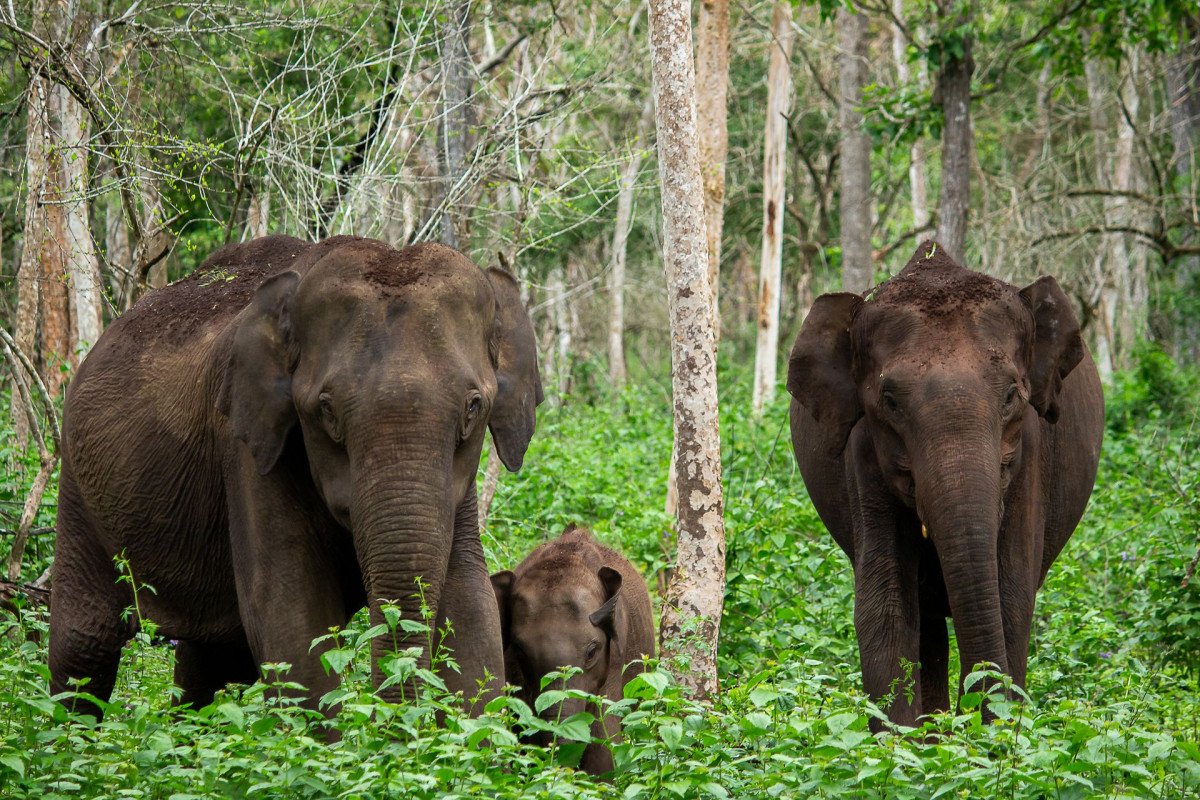
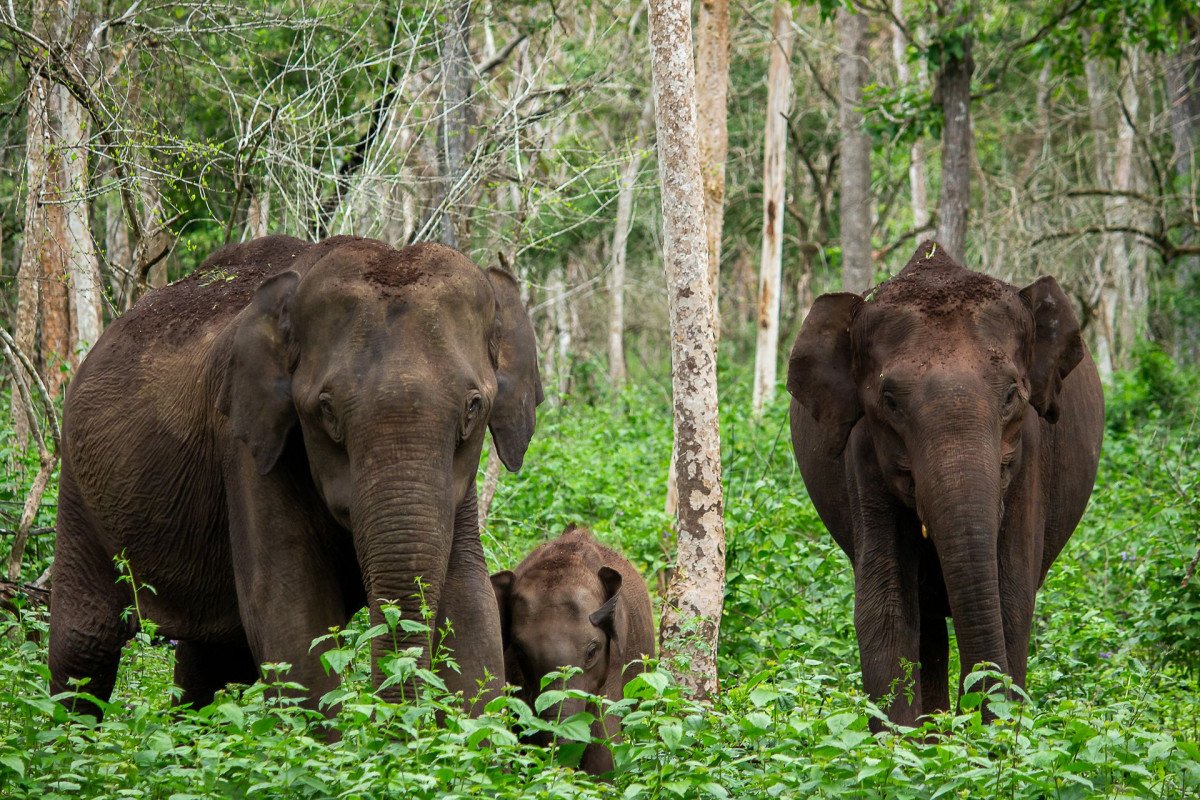
Patiala Ki Rao Forest
General information
-
Ideal Duration:
3 to 5 Hours.Place Type:
Nature, Adventure, Trekking.Entry Fees:
Free Entry: There is no formal entry fee for the Patiala Ki Rao Forest. It is a public forest reserve managed by the state.
Parking Fees: You might have to pay a small fee of 20-50 INR to local vendors if you park your vehicle near the desi...Free Entry: There is no formal entry fee for the Patiala Ki Rao Forest. It is a public forest reserve managed by the state.
Parking Fees: You might have to pay a small fee of 20-50 INR to local vendors if you park your vehicle near the designated entry points.Timing:
Regular Timings: 6:00 AM to 6:00 PM. It is strictly advised to leave before sunset for safety reasons.
Ideal Visit Time: 7:00 AM to 10:00 AM for the best bird sightings and cooler temperatures. ...Regular Timings: 6:00 AM to 6:00 PM. It is strictly advised to leave before sunset for safety reasons.
Ideal Visit Time: 7:00 AM to 10:00 AM for the best bird sightings and cooler temperatures.Special Events:
Van Mahotsav: Celebrated in July, the forest department organizes tree plantation drives where locals can participate in expanding the green cover.
Nature Walks: Occasionally, environmental NGOs host guided walks to educate people about the ...Van Mahotsav: Celebrated in July, the forest department organizes tree plantation drives where locals can participate in expanding the green cover.
Nature Walks: Occasionally, environmental NGOs host guided walks to educate people about the "choe" ecosystem and its importance to Mohali.Best Photo Spots:
The Sandy Choe Bed: The wide, dry bed of the seasonal stream provides a desert-like aesthetic against the backdrop of dense green trees.
Canopy Light: The areas where the sun rays filter through the thick leaves create a "God ray" effect tha...The Sandy Choe Bed: The wide, dry bed of the seasonal stream provides a desert-like aesthetic against the backdrop of dense green trees.
Canopy Light: The areas where the sun rays filter through the thick leaves create a "God ray" effect that is perfect for cinematic portrait photography.
Edge of the Forest: The transition point where the urban buildings of Mohali meet the wild forest offers a great symbolic shot of nature vs. city.Photo Gallery
Things To Do
-
Trekking Adventures: You can start your day by exploring the rugged trails of the forest. The terrain changes from flat sandy beds to thick thorny bushes. Trekking here requires good shoes and a sense of direction as there are no signboards. It is best to trek in groups.
Bird Watching: Bring your binoculars to spot over 50 species of birds. During December and January, you can see migratory ducks and kingfishers near the water pockets.
Nature Photography: The play of light through the dense canopy offers amazing shots. You can capture the raw textures of the "choe" bed and the diverse wild flowers.
Outdoor Meditation: Find a secluded spot away from the main path to practice mindfulness. The natural sounds of the forest provide a perfect acoustic background....Trekking Adventures: You can start your day by exploring the rugged trails of the forest. The terrain changes from flat sandy beds to thick thorny bushes. Trekking here requires good shoes and a sense of direction as there are no signboards. It is best to trek in groups.
Bird Watching: Bring your binoculars to spot over 50 species of birds. During December and January, you can see migratory ducks and kingfishers near the water pockets.
Nature Photography: The play of light through the dense canopy offers amazing shots. You can capture the raw textures of the "choe" bed and the diverse wild flowers.
Outdoor Meditation: Find a secluded spot away from the main path to practice mindfulness. The natural sounds of the forest provide a perfect acoustic background.
Wildlife Spotting: If you are quiet and lucky, you can spot the Nilgai (Blue Bull) or the Indian Hare. Early morning is the best time for these sightings.
Botanical Study: Identify various indigenous trees like Kikar, Shisham, and Ber. It is a great place for students to learn about the Shivalik foothills ecosystem.
Group Picnics: While you must carry your own trash back, the shaded areas are great for a simple packed lunch with friends under the trees.
Information
-
Why Famous:
Pristine Wilderness: The forest is famous for being an untouched ecological zone in a fast-developing city. It offers a rare opportunity for birdwatching and seeing local wildlife like Nilgai.
Trekking Haven: It is the only significant natu...Pristine Wilderness: The forest is famous for being an untouched ecological zone in a fast-developing city. It offers a rare opportunity for birdwatching and seeing local wildlife like Nilgai.
Trekking Haven: It is the only significant natural trekking spot within the immediate vicinity of Mohali, providing a rugged terrain that challenges fitness enthusiasts. -
Architecture:
Natural Topography and Trails: The architecture of Patiala Ki Rao Forest is entirely organic, dictated by the flow of the seasonal rivulet. The "choe" bed acts as the central spine, with a width varying from 50 to 150 meters. The trails are naturally carved by foot traffic...Natural Topography and Trails: The architecture of Patiala Ki Rao Forest is entirely organic, dictated by the flow of the seasonal rivulet. The "choe" bed acts as the central spine, with a width varying from 50 to 150 meters. The trails are naturally carved by foot traffic and wildlife. Dimension-wise, the forest covers hundreds of acres.
Biodiversity Layout: The flora is arranged in layers, with massive Banyan trees forming a natural canopy at a height of 15 to 20 meters. -
How To Reach:
By Air: Fly to Shaheed Bhagat Singh International Airport (15 KMS away). Take a taxi via the Airport Road to Dhanas.
By Train: Arrive at Chandigarh Railway Station (10 KMS) or Mohali Railway Station (12 KMS). Auto-rickshaws are easily avai...By Air: Fly to Shaheed Bhagat Singh International Airport (15 KMS away). Take a taxi via the Airport Road to Dhanas.
By Train: Arrive at Chandigarh Railway Station (10 KMS) or Mohali Railway Station (12 KMS). Auto-rickshaws are easily available.
By Road: It is well-connected via the Chandigarh-Mullanpur road. You can drive your own car or use ride-sharing apps like Ola/Uber.
By Local Transport: Local CTU buses (Route No. 32 or 34) drop you near the Dhanas Lake area, from where the forest is a short walk away. -
Weather and Best Time to Visit:
Winter (October to March): The weather is cool and pleasant for trekking without getting dehydrated.
Morning: The early morning hours offer the best chance to see wildlife and enjoy the fresh air. ...Winter (October to March): The weather is cool and pleasant for trekking without getting dehydrated.
Morning: The early morning hours offer the best chance to see wildlife and enjoy the fresh air. -
Near Tourist Places:
Fateh Burj (7 KMS), Dhanas Lake (1 KM), Rock Garden (8 KMS), Rose Garden (7 KMS), Sukhna Lake (9 KMS), Sector 17 Market (6 KMS), Elante Mall (12 KMS), Museum of Evolution (5 KMS), Chattbir Zoo (20 KMS), Pinjore Gardens (25 KMS).
Tourism Tips
-
Health & Safety: Always carry a basic first aid kit for scratches. Wear full-sleeved clothes to protect against thorns and insects.
Packing: Bring at least 2 liters of water and energy bars as there are no shops inside. Wear sturdy trekkin...Health & Safety: Always carry a basic first aid kit for scratches. Wear full-sleeved clothes to protect against thorns and insects.
Packing: Bring at least 2 liters of water and energy bars as there are no shops inside. Wear sturdy trekking boots with good grip.
Connectivity: Mobile signals are decent, but GPS can be patchy in deep areas. No public Wi-Fi is available.
Cash: No ATMs nearby; keep 500-1000 INR in cash for parking or local snacks outside.
Reviews
FAQs
Mohali Itineray And Cost:-
Patiala Ki Rao Forest Tourism:-
Information about New and Updated Locations() of Punjab Has Been Added :-
Card subtitle
Note:-
Information provided here in good Faith and for reference only.
All information and pictures will be updated soon, please keep visiting.
Near Places

Balongi Bridge
Some quick example text to build on the card title and make up the bulk of the card's content.
Go somewhere
ChattBir Zoo
Some quick example text to build on the card title and make up the bulk of the card's content.
Go somewhere
Fateh Burj
Some quick example text to build on the card title and make up the bulk of the card's content.
Go somewhere
Gurdwara Amb Sahib
Some quick example text to build on the card title and make up the bulk of the card's content.
Go somewhere
Gurudwara Nabha Sahib
Some quick example text to build on the card title and make up the bulk of the card's content.
Go somewhere
Gurudwara Sant Mandal Angitha Sahib
Some quick example text to build on the card title and make up the bulk of the card's content.
Go somewhere
Mohali City Centre
Some quick example text to build on the card title and make up the bulk of the card's content.
Go somewhere
North Indian Institute of Fashion Technology
Some quick example text to build on the card title and make up the bulk of the card's content.
Go somewhere
Patiala Ki Rao Forest
Some quick example text to build on the card title and make up the bulk of the card's content.
Go somewhere
PCA IS Bindra Cricket Stadium
Some quick example text to build on the card title and make up the bulk of the card's content.
Go somewherein Other Cities