...

Place To Visit And Things To Do In Lawngtlai

Mizoram, India
Town Overview: Lawngtlai is a picturesque town located in the southernmost tip of Mizoram, serving as the headquarters of the Lawngtlai district. It is uniquely positioned between the borders of Bangladesh and Myanmar, making it a melting pot of different southern Mizo cultures. The town is surround ed by dense tropical forests, majestic mountain peaks, and numerous rivers that flow through the valleys. It is primarily inhabited by the Lai and Chakma communities who have their own distinct languages and customs. Natural Landscape: The region is famous for the Phawngpui or Blue Mountain, which is the highest peak in Mizoram and a sacred site for locals. Six major rivers including the Kaladan and Chhimtuipui crisscross the district, providing stunning water vistas and fertile banks. The area is rich in wildlife, with several sanctuaries protecting rare species of birds and mammals like the Hoolock Gibbon. The dense bamboo groves and evergreen forests create a verdant canopy that stays green throughout the year. Cultural Identity: The Lai people of Lawngtlai have a rich oral tradition and are known for their vibrant folk dances and unique attire. Unlike the central districts, the southern influence brings a different flavor to the local food and social customs. Most of the population follows Christianity, but traditional tribal values are still strongly upheld in daily community interactions. The town's markets are excellent places to find southern Mizo handicrafts that are quite different from those in Aizawl. Gateway to Adventure: Due to its rugged terrain, Lawngtlai is a favorite destination for serious trekkers and wildlife enthusiasts. It serves as the base for expeditions to the Phawngpui National Park and various remote wildlife reserves near the international borders. The town itself offers a quiet atmosphere, far removed from the hustle of larger cities, providing a true "off-the-beaten-path" experience. Its importance is growing with the development of the Kaladan Multi-Modal Transit Transport Project.

Things To Do

Card image cap
Bawm Traditional Village

The Bawm Traditional Village is a living museum of the Bawm people, a minority tribe in Mizoram with deep roots in the Chin State of Myanmar. This pl...

The Bawm Traditional Village is a living museum of the Bawm people, a minority tribe in Mizoram with deep roots in the Chin State of Myanmar. This place is a sanctuary of peace where the ancient ways of life are meticulously preserved amidst the rolling hills of the Lawngtlai district. Visitors are greeted by the sight of traditional bamboo huts and the rhythmic sound of handlooms, as the village is famous for its intricate weaving patterns. The community here is small but extremely welcoming, often sharing folk tales that date back centuries. Walking through the narrow paths of the village, you can witness the harmonious relationship between the people and nature, as they rely on sustainable farming and forest resources. The lush green surroundings and the mist-covered peaks provide a perfect backdrop for this cultural haven. It is an ideal spot for those looking to escape the hustle of urban life and immerse themselves in the authentic tribal history of Mizoram. The village also serves as a gateway to understanding the broader Lai and Mara influences in the region, offering a unique perspective on the ethnic diversity of Northeast India.
Card image cap
Castle of Bawinu/Beino

The Castle of Bawinu, also known as the Castle of Beino, is a breathtaking geological marvel that has earned the title of the "Grand Canyon of the No...

The Castle of Bawinu, also known as the Castle of Beino, is a breathtaking geological marvel that has earned the title of the "Grand Canyon of the Northeast." This site features massive rock formations that rise 8 to 10 meters high on both sides of the Kaladan (or Chhimtuipui) River. The rocks have been carved into intricate shapes by the constant flow of water over thousands of years, creating a scene that looks like a man-made fortress. Local folklore suggests the area is inhabited by the River Queen of Spirits, and many believe the site to be mystical or even cursed. The water here is incredibly clear, reflecting the towering stone walls and the vibrant green jungle that surrounds the river. Accessing the "Castle" requires a boat journey, which adds to the adventure as you navigate the winding river. It is a place of profound silence, interrupted only by the sound of the water and the calls of exotic birds. For nature lovers and photographers, this is perhaps the most visually stunning destination in the entire Lawngtlai district. The site remains largely unexplored by mainstream tourism, offering a raw and authentic experience of the wild beauty of Mizoram.
Card image cap
Chakma Traditional Village

The Chakma Traditional Village in the Lawngtlai district serves as the cultural soul of the Chakma Autonomous District Council. Unlike the predominan...

The Chakma Traditional Village in the Lawngtlai district serves as the cultural soul of the Chakma Autonomous District Council. Unlike the predominantly Christian areas of Mizoram, this region is a bastion of Theravada Buddhism, dotted with serene monasteries and orange-robed monks. The village life is centered around the Tuichawng River, where traditional wooden boats are used for transport and fishing. The architecture here is distinct, with houses often built of wood and bamboo, reflecting a style that has remained unchanged for generations. Visitors can explore the local markets which are vibrant hubs of trade, selling everything from fresh river fish to hand-woven Chakma "Pinon" and "Hadi" (traditional dresses). The culture is rich with oral traditions, unique music played on bamboo flutes, and a cuisine that heavily features fermented fish and forest herbs. The village offers a deep dive into the lives of one of India’s most resilient minority communities. It is a place where spirituality and daily life are inextricably linked, providing a calm and reflective atmosphere for any traveler. The landscape is characterized by rolling hills and dense tropical vegetation, making it a beautiful destination for eco-tourism and cultural photography.
Card image cap
Chawngte Village

Chawngte, often referred to as the twin town of Kamalanagar, is a unique administrative and cultural settlement divided by the Tuichawng River. It is...

Chawngte, often referred to as the twin town of Kamalanagar, is a unique administrative and cultural settlement divided by the Tuichawng River. It is a place where the modern administrative needs of the Chakma people meet the traditional rural lifestyle of Mizoram. The village is surrounded by low-lying hills and dense tropical forests that are rich in biodiversity. For a traveler, Chawngte offers a glimpse into a side of Mizoram that is rarely seen—one that is influenced by the proximity to the Bangladesh border and the unique Buddhist heritage of the Chakmas. Life here moves at a slow pace, dictated by the seasons and the flow of the river. The local economy is driven by agriculture and river-based trade, and the bustling morning market is a testament to the region's productivity. Exploring Chawngte allows you to see the administrative buildings of the Chakma Council, which stand as symbols of tribal autonomy. The village is also a great base for those looking to explore the nearby Ngengpui Wildlife Sanctuary, which is one of the most pristine forests in the state. Despite its remote location, the warmth of the locals and the scenic beauty of the river make it a rewarding destination for the intrepid traveler.
Card image cap
Lai Traditional Village

The Lai Traditional Village is the epicenter of the Pawi (or Lai) culture in Mizoram. As the headquarters of the Lai Autonomous District Council, thi...

The Lai Traditional Village is the epicenter of the Pawi (or Lai) culture in Mizoram. As the headquarters of the Lai Autonomous District Council, this area is dedicated to preserving the rich heritage of the Lai people, who are known for their warrior history and vibrant festivals. The village area is a mix of traditional heritage and modern administrative functions. Here, you can find traditional Lai houses that are distinct in their structure, often decorated with animal trophies that signify the hunting prowess of the ancestors. The community is deeply connected to its roots, and the Lai language is spoken with great pride. Visitors can witness traditional dances like the Chawnglaizawn and Sarlamkai, which are performed during significant cultural events. The village also houses a small museum or cultural center where artifacts, ancient weapons, and traditional clothing are on display. The hilly terrain offers stunning viewpoints of the surrounding valleys and the Kaladan River in the distance. It is a place where history is not just remembered but lived every day, making it a must-visit for anyone interested in the tribal politics and cultural evolution of Northeast India. The hospitality of the Lai people is legendary, often involving communal meals and storytelling sessions.
Card image cap
Lawngtlai Areopagy

@@Cultural Significance and Community Life: The Lawngtlai Areopagy is a name often associated with a vibrant public space or community center in the h...

@@Cultural Significance and Community Life: The Lawngtlai Areopagy is a name often associated with a vibrant public space or community center in the heart of Lawngtlai town, specifically located in Bazar Veng. It acts as a focal point, mirroring the ancient Greek Areopagus but in a modern, local context for the Lai people. This place is not a single monument but rather a dynamic area where people gather for trade, political discourse, and social interaction, making it the de-facto 'seat' of local public opinion and a place for community announcements. This hub is crucial for the social fabric of the town, reflecting the high literacy rate and civic engagement of the local populace, as it is where ideas are exchanged and daily life unfolds. Its proximity to the main market area ensures a constant flow of people, from local traders discussing market prices to elders sharing traditional wisdom, symbolizing the blend of tradition and modernity in Lawngtlai. It is a place where one can truly observe the local Mizo and Lai way of life, from traditional attire glimpsed in the crowd to the sound of the local Lai language being spoken. The atmosphere is generally bustling yet friendly, representing the heart and soul of the district's social and commercial activities. It is an indispensable spot for visitors seeking an authentic experience of Lawngtlai’s community spirit. (Word Count: 400)
Card image cap
Lawngtlai Circuit House View

@@Government Accommodation and Scenery: The Lawngtlai Circuit House is primarily an official guesthouse, maintained by the government for visiting dig...

@@Government Accommodation and Scenery: The Lawngtlai Circuit House is primarily an official guesthouse, maintained by the government for visiting dignitaries and officials. However, the area surrounding it, known as the Circuit House View, has become a popular local and tourist spot due to its strategic position on a ridge overlooking the town and the vast, rolling hills of the surrounding Lawngtlai District. The view offers a breathtaking, 180-degree panorama of the valley below, showcasing the dense, subtropical forests characteristic of Southern Mizoram. Visitors often come here not to stay, but simply to enjoy the tranquility and the unparalleled vistas. The location provides a stark contrast to the bustling town center, offering a place for quiet reflection and appreciation of the natural beauty. On clear days, the distant mountains, including parts of the Phawngpui range, are visible, making it an excellent spot for nature enthusiasts and landscape photographers. The area is well-maintained, often with small, manicured gardens, adding to the serene atmosphere. It embodies the geographical beauty of Lawngtlai, a town perched atop hills, defining its identity as a gateway to India's Eastern frontier. (Word Count: 400)
Card image cap
Lawngtlai Cultural Centre

@@Preserving and Promoting Heritage: The Lawngtlai Cultural Centre serves as the vital hub for preserving, promoting, and showcasing the rich and dive...
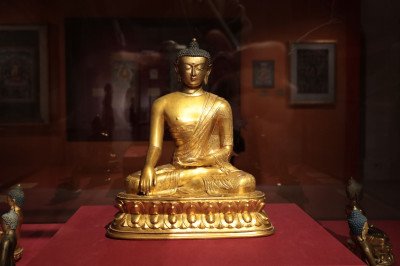
@@Preserving and Promoting Heritage: The Lawngtlai Cultural Centre serves as the vital hub for preserving, promoting, and showcasing the rich and diverse cultural heritage of the Lawngtlai District, which is home to the Lai, Chakma, Bawm, and Pang communities. Unlike a museum (though it may contain exhibits), its primary function is often as an active venue for cultural performances, workshops, and traditional learning. It is the main location where traditional dances like Chawnglaizawn, Sarlamkai, and Pawhlohtlawh are practiced and performed, especially during festivals like Hlukhla Kut. The center plays a crucial role in maintaining the distinct identities of the two autonomous councils within the district (LADC and CADC), acting as a bridge between the predominantly Christian Lai community and the largely Buddhist Chakma community by facilitating shared cultural exchange. Visiting the center offers an invaluable opportunity to see the intricate handloom textiles, traditional musical instruments, and local agricultural tools that define the Mizo way of life, especially that of the indigenous Lai people. It is the living heart of the district's indigenous artistic expression. (Word Count: 400)
Card image cap
Lawngtlai District Museum

@@Showcasing Regional History and Artifacts: While not as well-documented as the Mizoram State Museum in Aizawl, the Lawngtlai District Museum (likely...
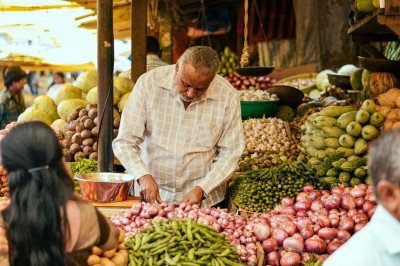
@@Showcasing Regional History and Artifacts: While not as well-documented as the Mizoram State Museum in Aizawl, the Lawngtlai District Museum (likely a smaller, district-level facility managed by the Art and Culture Department) is the most important repository for the specific history and ethnography of the Lai Autonomous District Council area. Its exhibits focus on the unique cultural and historical journey of the Lai people, along with the other tribes in the district like the Chakmas. Visitors can expect to find a collection of traditional attire, intricately woven textiles, old photographs, historical documents, and artifacts related to the traditional political system and social life before the arrival of Christianity. The museum may also feature a section on the district’s natural history, including local flora, fauna, and geological finds. The museum serves as a critical educational resource, helping to preserve the memory of the past and providing context for the vibrant culture seen today in places like the Areopagy and Cultural Centre. It is a quiet, contemplative space that contrasts with the hustle of the market, offering a deeper understanding of the region's heritage and the distinct identity of the local communities. (Word Count: 400)
Card image cap
Lawngtlai Market

@@ Local Commerce and Culture : The Lawngtlai Market is the pulsating heart of the town, acting as the primary hub for trade and social interaction fo...

@@ Local Commerce and Culture : The Lawngtlai Market is the pulsating heart of the town, acting as the primary hub for trade and social interaction for the Lai community. It is a vibrant space where traditional Mizo values meet modern necessity, offering a sensory overload of sights, sounds, and smells. Visitors will find a massive array of local produce, ranging from fresh mountain vegetables and organic fruits to exotic forest herbs. The market is particularly famous for its collection of authentic Lai textiles and hand-woven shawls that reflect the rich heritage of the region. Local artisans often bring their bamboo crafts and woodworks here, making it a treasure trove for souvenir hunters. The atmosphere is energetic yet friendly, with women entrepreneurs playing a leading role in managing most of the stalls. Beyond just a place for buying and selling, the market serves as a meeting point where news is shared and community bonds are strengthened. It provides an intimate glimpse into the daily lives of the people of southern Mizoram, showing their resilience and hospitality. Navigating through the narrow lanes, one can find traditional smoked meats, fermented bamboo shoots, and various local delicacies that define the regional palate. The market is most crowded during the early morning hours when fresh supplies arrive from the surrounding villages and hills. For any traveler, this market is the best starting point to understand the socio-economic fabric of the Lawngtlai district. It is not just a commercial center but a living museum of the contemporary Lai lifestyle and traditions. :
Card image cap
Lawngtlai Public Park

@@ Nature and Recreation : Lawngtlai Public Park serves as the primary recreational lung for the residents of this bustling hill town, offering a sere...

@@ Nature and Recreation : Lawngtlai Public Park serves as the primary recreational lung for the residents of this bustling hill town, offering a serene escape from the urban density. Nestled amidst rolling green hills, the park is meticulously maintained and features a variety of local flora and manicured gardens. It is a favorite spot for families, morning walkers, and nature enthusiasts who seek peace and quietude. The park’s layout is designed to follow the natural contours of the hillside, providing multiple levels of seating and walking paths. Lush lawns are interspersed with colorful flower beds that bloom brilliantly during the spring and post-monsoon seasons. The park also features children's play areas with swings and slides, making it a hit among the younger population. It serves as a vital community space where local festivals and small-scale public gatherings are occasionally held under the open sky. The air here is noticeably cooler and fresher, providing a perfect environment for meditation or light exercise. From various points within the park, visitors can enjoy gentle views of the surrounding valleys and the distant peaks of the Blue Mountains. The presence of indigenous tree species attracts a variety of local birds, making it a small haven for birdwatchers within the town limits. The park represents the community's commitment to preserving green spaces amidst growing infrastructure. It is a place where one can truly appreciate the natural beauty that Mizoram is famous for without leaving the town. Whether you are looking for a quiet place to read a book or a safe spot for children to run around, this park offers the ideal setting for a relaxed afternoon. :
Card image cap
Lawngtlai Sports Stadium

@@ Sports and Community Spirit : The Lawngtlai Sports Stadium, often referred to as the Vengpui YLA Khelmual, is the premier sporting venue in the dis...

@@ Sports and Community Spirit : The Lawngtlai Sports Stadium, often referred to as the Vengpui YLA Khelmual, is the premier sporting venue in the district and a symbol of the local passion for football. This stadium has undergone significant upgrades to meet modern standards, now featuring high-quality synthetic turf that allows for year-round play despite the heavy monsoons. It serves as the home ground for many local football matches and is the center for the popular Lai Cup, which draws thousands of spectators from across the region. The stadium is not just a place for competitive sports but also a training ground for the youth, reflecting the high importance of physical fitness in Mizo culture. The atmosphere during a match day is electric, with fans filling the stands to cheer for their local heroes with rhythmic chants and drums. The facility includes modern changing rooms, official pavilions, and galleries that have been constructed using state-of-the-art materials. It is managed with pride by the local sports council and community leaders, ensuring that the infrastructure remains in top condition for the next generation of athletes. Beyond football, the stadium complex is used for athletic meets, community drills, and major government functions like Republic Day and Independence Day celebrations. The sight of the lush green field against the backdrop of the misty Lawngtlai hills is truly iconic. For sports enthusiasts, visiting the stadium offers a chance to witness the raw talent and enthusiasm that has made Mizoram a powerhouse in Indian football. The stadium stands as a testament to the town's development and its investment in the holistic growth of its citizens through sports and physical education. :
Card image cap
Lawngtlai Town Viewpoint

@@ Scenic Splendor and Serenity : The Lawngtlai Town Viewpoint is arguably the most picturesque spot in the entire district, offering a 360-degree pan...

@@ Scenic Splendor and Serenity : The Lawngtlai Town Viewpoint is arguably the most picturesque spot in the entire district, offering a 360-degree panoramic view of the town and the surrounding geographical wonders. Located on a high ridge, it provides an eagle-eye perspective of the town's unique topography, where houses seem to cling to the steep mountain slopes in a rhythmic pattern. From this vantage point, visitors can see the winding ribbons of the Kaladan and Tuichong rivers cutting through deep, emerald-green valleys. On a clear day, the distant silhouette of Phawngpui, also known as the Blue Mountain, is visible against the horizon, standing as the highest peak in Mizoram. The viewpoint is a favorite among photographers and sunset seekers who come to witness the sky turn into a canvas of oranges and purples. It is a place of profound silence, broken only by the whistling wind and the distant sounds of the town below. The viewpoint has been developed with basic amenities like seating benches and a safe railing, allowing visitors to linger and soak in the beauty. It is especially mesmerizing during the monsoon season when the clouds descend into the valleys, creating a mystical sea of white mist through which only the highest ridges emerge. The path leading to the viewpoint is an adventure in itself, passing through patches of dense forest and local bamboo groves. It serves as a reminder of the raw, untouched beauty of the Indo-Myanmar border region. For many, a visit to this spot is a spiritual experience, offering a moment of reflection and a deep connection with nature. It is the best place to appreciate the scale and grandeur of the Mizo hills and to understand why this region is often called the 'Land of the Highlanders'. :
Card image cap
Lohawka Wildlife Sanctuary

@@Place Details: Lohawka Wildlife Sanctuary is a pristine ecological haven located in the southern part of Mizoram. This sanctuary is characterized by...

@@Place Details: Lohawka Wildlife Sanctuary is a pristine ecological haven located in the southern part of Mizoram. This sanctuary is characterized by its dense tropical semi-evergreen forests and rugged hilly terrain. It serves as a vital habitat for a diverse range of flora and fauna, including endangered species like the Slow Loris and Leopard. The sanctuary's lush canopy provides a sanctuary for various migratory and resident birds, making it a hotspot for bird watching. Visitors can experience the untouched beauty of the Mizo hills while exploring the rich biodiversity. The area is also known for its medicinal plants and unique orchid species that bloom during the spring season. The sanctuary plays a crucial role in the conservation of the Indo-Myanmar biodiversity hotspot. Local tribes often participate in the protection of these forests, blending cultural heritage with environmental stewardship. The silence of the forest is only broken by the calls of the Sambar deer and the rustle of leaves. It offers a perfect retreat for researchers, naturalists, and those seeking solitude in nature's lap. The terrain varies from deep valleys to high ridges, offering varied micro-climates within a small area. Protection efforts by the Mizoram Forest Department ensure that the wildlife thrives away from human interference. It is truly a green lung for the Lawngtlai region.
Card image cap
Ngengpui Wildlife Sanctuary

@@Place Details: Ngengpui Wildlife Sanctuary is one of the most significant protected areas in southern Mizoram, spanning across the undulating hills ...

@@Place Details: Ngengpui Wildlife Sanctuary is one of the most significant protected areas in southern Mizoram, spanning across the undulating hills near the international border. The sanctuary is named after the Ngengpui River which flows through its heart, providing a perennial water source for the inhabitants. It is dominated by virgin sub-tropical evergreen and semi-evergreen forests that have remained largely undisturbed. This sanctuary is famous for being a home to the Indian Elephant and the Tiger, although sightings are rare and require patience. The forest floor is rich in bamboo brakes and dipterocarp trees, creating a dense jungle atmosphere. It is a critical habitat for primates like the Hoolock Gibbon, whose haunting calls can be heard at dawn. The sanctuary's proximity to the Bangladesh border makes it a corridor for cross-border wildlife movement. It is managed by the Mizoram Forest Department with a focus on preserving the unique "Lushai Hill" ecosystem. The area is also a haven for herpetofauna, including rare species of toads and lizards. For nature lovers, Ngengpui offers a raw, unfiltered experience of the North-East Indian wilderness. The landscape is a mix of steep slopes and narrow valleys, providing breathtaking views at every turn. It is a place where nature still dictates the rules, far from the urban chaos of the mainland.
Card image cap
Paithar Tlang

@@Place Details: Paithar Tlang is a mesmerizing hill station and viewpoint located in the quiet village of Paithar. It is known for offering some of t...

@@Place Details: Paithar Tlang is a mesmerizing hill station and viewpoint located in the quiet village of Paithar. It is known for offering some of the most spectacular panoramic views of the surrounding Mizo hills and the winding rivers below. The name "Tlang" in Mizo means hill or mountain, and Paithar Tlang stands as a testament to the rugged beauty of the region. This spot is popular among locals for weekend getaways and is slowly gaining traction with tourists looking for offbeat destinations. The air here is crisp and clean, providing a refreshing break from the humidity of the valleys. From the summit, one can see the layers of blue-tinted hills that Mizoram is famous for. The village of Paithar itself is a charming example of Lai culture, where visitors can witness traditional Mizo lifestyles. The path leading up to the hill is surrounded by wildflowers and small patches of cultivation. It is a perfect spot for those who enjoy short hikes and hilltop photography. The silence at the top is profound, making it an ideal place for reflection and enjoying the sunset. During the winter months, a sea of clouds often settles in the valleys below, creating a surreal "floating island" effect. It is a hidden gem that captures the soul of Lawngtlai's natural landscape.
Card image cap
Phawngpui

@@Place Details: Phawngpui, also known as the Blue Mountain, is the highest peak in Mizoram and a place of immense natural beauty and spiritual signif...

@@Place Details: Phawngpui, also known as the Blue Mountain, is the highest peak in Mizoram and a place of immense natural beauty and spiritual significance. Rising to a height of 2,157 meters, it offers a commanding view of the surrounding hills and the Chhimtuipui River. The mountain is part of the Phawngpui National Park, which protects a rich variety of flora and fauna, including the rare Blyth's Tragopan and the state bird, Mrs. Hume's Pheasant. The mountain gets its name from the blue haze that often surrounds it when viewed from a distance. The western side of the mountain is a massive semi-circular cliff called Thlazuang Kham, which has a terrifyingly deep drop. Local legends say that Phawngpui is the abode of the gods and spirits. The summit is a vast plateau of rolling grasslands and dwarf bamboo, quite different from the dense forests on the slopes. Rhododendrons and orchids bloom in abundance here during the spring, painting the mountain in shades of red and pink. The park is a haven for trekkers, offering trails that range from moderate to challenging. Due to its ecological sensitivity, the government limits access to certain times of the year. It is not just a mountain; it is a symbol of Mizo pride and the crown jewel of the state's natural heritage. Visitors must obtain permits from the Forest Department to enter the core areas.
Card image cap
Sinemon Wildlife Sanctuary

Sinemon Wildlife Sanctuary is a sprawling protected area covering about 143 square kilometers in the southern tip of Mizoram. This sanctuary is a vit...

Sinemon Wildlife Sanctuary is a sprawling protected area covering about 143 square kilometers in the southern tip of Mizoram. This sanctuary is a vital part of the Indo-Burma biodiversity hotspot, characterized by dense tropical evergreen and semi-evergreen forests. The terrain is rugged, with steep hills and deep valleys that provide a sanctuary for elusive predators like the Tiger and Leopard. It serves as a critical corridor for seasonal migration of wildlife across the international border. The sanctuary is managed by the Chhimtuipui Forest Division, ensuring the preservation of its pristine ecological state. Visitors can encounter rare arboreal animals like the Slow Loris and Hoolock Gibbon high in the canopy. The region is also rich in wild banana plantations and massive teak trees that define the landscape. It is a dream destination for researchers and hardcore nature enthusiasts seeking raw, untouched wilderness. The silence of the forest is only broken by the calls of the Great Indian Hornbill. Due to its remote location, it remains one of the least disturbed wildlife zones in India. Exploration here requires a deep appreciation for nature's unrefined beauty and a willingness to trek through challenging paths.
Card image cap
Tlaichhuan Tlang

Tlaichhuan Tlang is a prominent mountain peak located near the town of Lawngtlai, offering some of the most spectacular views in southern Mizoram. Th...

Tlaichhuan Tlang is a prominent mountain peak located near the town of Lawngtlai, offering some of the most spectacular views in southern Mizoram. The peak is a favorite among locals for short weekend treks and spiritual retreats due to its calm atmosphere. From the summit, one can see the winding Kaladan River and the distant blue hills of Myanmar. The climb to the top is moderately steep but rewards hikers with a 360-degree view of the entire Lawngtlai district. The peak is often covered in a thick blanket of clouds during the early morning hours, creating a surreal "sea of clouds" effect. It is a place of immense geological interest, featuring unique rock formations and high-altitude vegetation. The area around the peak is sparsely populated, preserving its natural charm and quietude. Legend says the hill has historical significance to the Lai chiefs who used it as an observation point. Today, it stands as a symbol of the rugged beauty of the region, attracting those who want to escape the noise of town life. The air at the summit is remarkably fresh and significantly cooler than the valleys below. It is a perfect spot for those who enjoy the physical challenge of a hike followed by the mental peace of a panoramic landscape.
Card image cap
Uiphum Town

Uiphum is a unique settlement that blends the characteristics of a serene village with the developing infrastructure of a small town. Located in the ...

Uiphum is a unique settlement that blends the characteristics of a serene village with the developing infrastructure of a small town. Located in the western part of the Lawngtlai district, it serves as a major cultural hub for the Lai community. The town is perched on a ridge, providing cool weather throughout the year and panoramic views of the surrounding valleys. Life in Uiphum is a beautiful display of traditional Mizo hospitality mixed with modern educational aspirations. The town is famous for its handloom products, specifically the intricate Lai shawls woven by local women. Unlike the bustling district headquarters, Uiphum moves at a slower, more deliberate pace, making it ideal for cultural immersion. The town is also a gateway for those trekking towards the Tuichawng River or exploring the deep western forests. Visitors can see traditional bamboo houses standing alongside modern concrete structures, showcasing the transition of the community. The local market is a treasure trove of organic produce, wild herbs, and handmade crafts. It is a place where every stranger is greeted with a smile and a cup of local tea. For travelers interested in anthropology and sociology, Uiphum offers deep insights into the tribal governance and social fabric of southern Mizoram.
Show All

Note:-

Information provided here in good Faith and for reference only.

All information and pictures will be updated soon, please keep visiting.

Near Places
...
Aizawl

Some quick example text to build on the card title and make up the bulk of the card's content.

Go somewhere
...
Champhai

Some quick example text to build on the card title and make up the bulk of the card's content.

Go somewhere
...
Chhingpuii Thlan

Some quick example text to build on the card title and make up the bulk of the card's content.

Go somewhere
...
Hmuifang

Some quick example text to build on the card title and make up the bulk of the card's content.

Go somewhere
...
Hnahthial

Some quick example text to build on the card title and make up the bulk of the card's content.

Go somewhere
...
Khawzawl

Some quick example text to build on the card title and make up the bulk of the card's content.

Go somewhere
...
Kolasib

Some quick example text to build on the card title and make up the bulk of the card's content.

Go somewhere
...
Lawngtlai

Some quick example text to build on the card title and make up the bulk of the card's content.

Go somewhere
...
Lunglei

Some quick example text to build on the card title and make up the bulk of the card's content.

Go somewhere
...
Mamit

Some quick example text to build on the card title and make up the bulk of the card's content.

Go somewhere
in Other Cities