...

Place To Visit And Things To Do In Nagaland

India, Nagaland, India
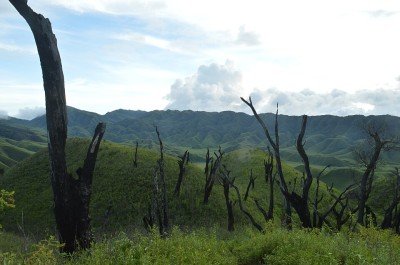
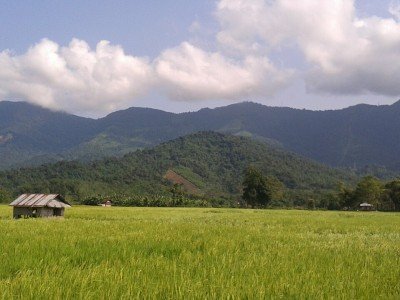
Key Geographical Details: Nagaland is a mountainous state situated in the far northeastern corner of India. The state is dominated by the Patkai mountain range, with Mount Saramati being the highest peak at 3,840 meters. These hills are covered with lush evergreen forests that host a variety of flor a and fauna. The rugged terrain creates a dramatic landscape of deep valleys and steep ridges. Most of the population lives in rural hill villages, maintaining a close connection with nature. The climate varies from sub-tropical to temperate depending on the altitude of the region. This geographical diversity makes it a hotspot for biodiversity and adventure tourism. Administrative Tourism Details: The administrative capital of Nagaland is Kohima, which is also a major hub for historical and cultural tourism. The state is divided into 17 Districts, each managed by local councils that preserve tribal laws and customs. These administrative units focus on promoting sustainable eco-tourism through village development boards. Dimapur serves as the primary commercial center and the main gateway for transport into the state. Tourism is managed by the State Department of Tourism, which organizes the famous Hornbill Festival annually. Policies like the Inner Line Permit are strictly enforced to regulate entry and protect tribal heritage. Many villages like Khonoma are recognized as heritage sites for their unique administrative models in conservation.

Things To Do

Card image cap
Dimapur

@@Historic Gateway: Dimapur serves as the primary entry point to the hills of Nagaland. This bustling city is a blend of modernity and ancient ruins t...

@@Historic Gateway: Dimapur serves as the primary entry point to the hills of Nagaland. This bustling city is a blend of modernity and ancient ruins that tell stories of a glorious past. Visitors often start their Naga journey here due to its connectivity. It is the most developed urban center in the state with vibrant markets. @@Kachari Kingdom: The city was once the capital of the Kachari Kingdom in the 10th century. Remnants of this era are visible in the form of megalithic structures and stone carvings. These historical sites are maintained by the Archaeological Survey of India. The ruins reflect a unique civilization that predates many modern tribes. @@Commercial Hub: Being the only city in Nagaland with an airport and railhead, it is a trade center. It connects the state with the rest of India through various supply chains and transport. The local economy thrives on traditional handicrafts and modern electronics alike. People from all over the Northeast visit for business. @@Cultural Melting Pot: The population is a diverse mix of various Naga tribes and people from other states. This diversity is reflected in the local food, languages spoken, and festivals celebrated. You can find authentic Naga cuisine alongside North Indian and Chinese dishes. It offers a warm welcome to every traveler.
Card image cap
Dzulekie

@@Organic Paradise: Dzulekie is a serene village known for its commitment to environmental conservation. It is often described as a place where time s...

@@Organic Paradise: Dzulekie is a serene village known for its commitment to environmental conservation. It is often described as a place where time stands still. The village is surrounded by lush green hills and deep valleys. It is the perfect escape for those seeking peace. @@The Dzuleke River: The village is named after the river that flows through it. This river is famous for being the habitat of the rare Rainbow Trout. The water is crystal clear and flows over smooth pebbles. It is a lifeline for the local community and wildlife. @@Bison Sanctuary: It is home to the Mithun, also known as the mountain bison, which is the state animal. The villagers take great pride in protecting these animals and their habitat. You can often see them grazing in the nearby forests. The area is a haven for biodiversity. @@Angami Heritage: The village is inhabited by the Angami tribe, known for their bravery and hospitality. The houses are built in traditional styles and reflect a deep connection with nature. Visitors can experience the authentic Naga lifestyle here. The community is small but very welcoming.
Card image cap
Khonoma

@@Warriors of the Past: Khonoma is famous for its history of resistance against the British. The village stood firm during the 1879 Battle of Khonoma....

@@Warriors of the Past: Khonoma is famous for its history of resistance against the British. The village stood firm during the 1879 Battle of Khonoma. It is known as a village of fierce warriors who later became champions of peace. Every corner of the village has a story of bravery. @@Eco-Tourism Pioneer: In 1998, the village took a historic decision to stop hunting and logging. This led to the creation of the Khonoma Nature Conservation and Tragopan Sanctuary. It is now a leading destination for sustainable tourism in Asia. The community works together to protect their environment. @@Agricultural Ingenuity: The village is renowned for its terrace farming on steep mountain slopes. They use an ancient system of irrigation and soil management that is still effective today. The sight of these green terraces is truly mesmerizing. Alder trees are integrated into the farms to fix nitrogen in the soil. @@Cultural Integrity: The Angami residents have preserved their traditional customs and architecture. You can see beautifully carved gates and stone monuments throughout the village. The people are deeply connected to their roots and heritage. It offers an authentic cultural immersion for visitors.
Card image cap
Kigwema

@@Ancient Settlement: Kigwema is one of the oldest villages of the Angami tribe. It is located very close to the Kisama Heritage Village, the venue fo...

@@Ancient Settlement: Kigwema is one of the oldest villages of the Angami tribe. It is located very close to the Kisama Heritage Village, the venue for the Hornbill Festival. The village has a long history and is often visited for its cultural significance. It serves as a perfect base for exploring the capital region. @@World War II Link: The village has a historical connection to the Second World War. General Slim of the British Army had his headquarters here during the Battle of Kohima. You can still see some remnants and hear stories from the village elders. It played a vital role in the regional history. @@Traditional Architecture: The village is a living museum of Naga architecture. Many houses still feature the traditional wooden carvings and hornbill motifs. The narrow stone-paved paths give it a very old-world feel. It is a delight for those interested in tribal art and design. @@Hospitality and Culture: The people of Kigwema are known for their warm hospitality. Visitors can stay in authentic homestays and experience the daily life of the tribe. The village is active with community events and traditional rituals. It offers a deep insight into the Naga way of life.
Card image cap
Kiphire

@@Eastern Frontier: Kiphire is a remote and beautiful district in the eastern part of Nagaland. It shares an international border with Myanmar and is ...

@@Eastern Frontier: Kiphire is a remote and beautiful district in the eastern part of Nagaland. It shares an international border with Myanmar and is home to several tribes. The town is surrounded by some of the highest mountains in the state. It is a destination for the truly adventurous traveler. @@Mount Saramati: The district is dominated by the presence of Mount Saramati, the highest peak in Nagaland. The mountain is often snow-clad during the winter months. It is a sacred and majestic landmark for the local people. Climbing the peak is a dream for many trekkers. @@Tribal Diversity: The area is inhabited by the Sangtam, Yimkhiung, and Sumi tribes. Each tribe has its own unique traditions, languages, and colorful festivals. This cultural diversity makes Kiphire a fascinating place to explore. You can witness traditional life that has remained unchanged for centuries. @@Natural Wonders: Apart from mountains, the district has beautiful caves, waterfalls, and wildlife sanctuaries. The landscape is rugged and dramatic with deep gorges and lush forests. It is an untouched paradise for nature lovers. The air is pure and the surroundings are incredibly peaceful.
Card image cap
Kohima

@@History of Kohima: Kohima served as a major battleground during World War II, specifically in 1944 when British and Indian forces stopped the Japane...

@@History of Kohima: Kohima served as a major battleground during World War II, specifically in 1944 when British and Indian forces stopped the Japanese advance. This historical event shaped the modern city, leaving behind a legacy of bravery and sacrifice that is still honored today. @@Culture and People: The city is the ancestral home of the Angami Naga tribe, known for their rich traditions, vibrant attire, and warm hospitality. Visitors can experience the local lifestyle through its markets and community gatherings. @@Natural Landscapes: Surrounded by the pristine Japfu Peak and the lush Dzukou Valley, Kohima offers breathtaking views of rolling green hills. The natural beauty is complemented by the colorful Kewhi flowers from which the city derives its name. @@Modern Development: Today, Kohima is a blend of traditional tribal roots and modern urban growth, serving as the administrative and cultural hub of Nagaland. It hosts numerous educational institutions and government offices that drive the state's progress.
Card image cap
Longleng

@@Geographical Setting: Longleng is a mountainous district in northern Nagaland, known for its rugged terrain and lack of flat plains, making it a tru...

@@Geographical Setting: Longleng is a mountainous district in northern Nagaland, known for its rugged terrain and lack of flat plains, making it a true hill station. It is perched at an altitude that often sees it shrouded in thick clouds, giving it a mystical and ethereal appearance. @@The Phom Naga Tribe: The district is primarily inhabited by the Phom Naga tribe, who are renowned for their bravery and exceptional skills in traditional arts. Their culture is deeply rooted in oral traditions and a strong community spirit that defines the local lifestyle. @@Handicrafts Hub: Known as the "District of Handicrafts," Longleng is famous for its exquisite pottery, bamboo work, and traditional hand-woven shawls. These crafts are not just products but a way of preserving the ancestral knowledge of the Phom people. @@Scenic Beauty: The landscape is dominated by the Dikhu and Yongam rivers, which flow through deep valleys and offer stunning views of the surrounding wilderness. The area remains largely untouched by commercial tourism, offering a peaceful retreat for nature enthusiasts.
Card image cap
Meluri

@@The Pochury Tribe: Meluri is the heartland of the Pochury Naga tribe, a community known for its distinct identity, unique festivals, and traditional...

@@The Pochury Tribe: Meluri is the heartland of the Pochury Naga tribe, a community known for its distinct identity, unique festivals, and traditional salt-making practices. The people are deeply connected to their land, and their culture reflects a history of resilience and self-sufficiency. @@Salt Making Heritage: One of the most fascinating aspects of Meluri is its traditional salt-making industry, where salt is extracted from natural brine springs using ancient indigenous methods. This salt has been a vital trade commodity for the Pochury people for centuries. @@Mineral Wealth: The region is rich in natural minerals, including limestone and decorative marble, which has led to the establishment of the state's only cement factory. This mineral wealth contrasts with the pristine natural beauty of the surrounding hills and valleys. @@Scenic Splendor: Located in the Phek district, Meluri offers breathtaking views of the Tizu River and the Shilloi Lake, which is a nearby foot-shaped water body. The area is a mosaic of dense forests, terraced fields, and rugged mountain ranges.
Card image cap
Mokokchung

@@The Land of Pioneers: Mokokchung is often referred to as the "Land of Pioneers" because it was one of the first areas in Nagaland to embrace modern ...
@@The Land of Pioneers: Mokokchung is often referred to as the "Land of Pioneers" because it was one of the first areas in Nagaland to embrace modern education and Christianity. This has led to a society that is both culturally rich and intellectually advanced, serving as a model for the state. @@Home of the Ao Naga: The district is the ancestral home of the Ao Naga tribe, one of the most prominent and influential tribes in the region. Their history is filled with stories of bravery, innovation, and a deep-seated love for their traditional customs and community life. @@Urban and Rural Blend: Mokokchung Town is a well-developed urban center with parks and museums, yet it is surrounded by legendary villages like Ungma and Longkhum. This balance allows visitors to enjoy modern comforts while being just minutes away from ancient tribal history. @@Agricultural Roots: Agriculture is the backbone of the local economy, and the landscape is dotted with beautiful terraced fields and tea gardens. The cycle of the seasons is celebrated through various harvest festivals that are central to the Ao identity.
Card image cap
Mon

@@The Konyak Warriors: Mon is the home of the Konyak Naga tribe, famously known as the last of the headhunters. The elderly men with facial tattoos an...

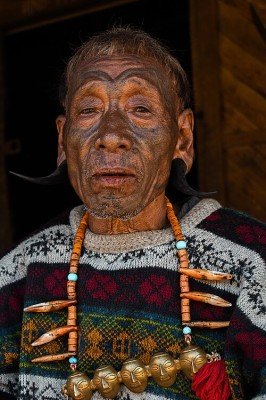
@@The Konyak Warriors: Mon is the home of the Konyak Naga tribe, famously known as the last of the headhunters. The elderly men with facial tattoos and traditional jewelry are a living testament to a fierce and fascinating warrior past. @@The Institution of Anghs: Unlike other Naga tribes, the Konyaks follow a hereditary system of kingship called Anghs. The Chief Angh of a village holds significant social and political power, often governing multiple villages across the border. @@Geographical Uniqueness: The district is located at the northeastern tip of Nagaland, bordering Myanmar. The village of Longwa is particularly unique as it literally sits on the international border, with the king's house split between two nations. @@Art and Craftsmanship: The Konyaks are master craftsmen, known for their exceptional skills in wood carving, beadwork, and even traditional gun-making. Their artistic expressions are deeply intertwined with their warrior heritage and tribal identity.
Card image cap
Mopungchuket

@@Introduction to Mopungchuket: This village is widely celebrated as one of the cleanest and most organized rural tourism villages in the entire state...
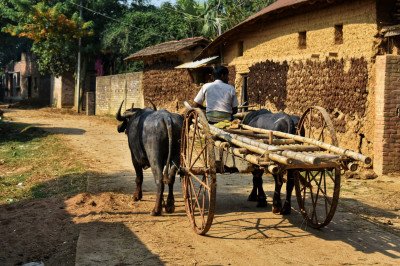
@@Introduction to Mopungchuket: This village is widely celebrated as one of the cleanest and most organized rural tourism villages in the entire state of Nagaland. It is the ancestral home of the Ao Naga tribe and serves as a living museum of their rich cultural heritage and ancient traditions. The village is perched at an altitude of 1,324 meters, providing a refreshing climate and panoramic views of the surrounding lush green mountain ranges. Visitors are often struck by the impeccable cleanliness of the paved streets and the warm hospitality of the local villagers. It is a place where myth and history coexist seamlessly, offering a peaceful retreat from the modern world. @@The Legend of Jina and Etiben: Mopungchuket is eternally famous for being the backdrop of the tragic love story of Jina and Etiben, often called the Naga Romeo and Juliet. Their story is deeply embedded in the village folklore and is commemorated through various monuments and towers dedicated to their memory. The villagers take great pride in narrating this legendary saga of love and sacrifice to every curious traveler. This romantic legacy gives the village a poetic atmosphere that is unique to this specific part of the Mokokchung district. It is a must-visit for those interested in the oral literature and romantic history of the Naga tribes. @@Cultural Preservation Efforts: The community has made extraordinary efforts to preserve their identity through the establishment of a village museum and traditional Morungs. The Mopungchuket Museum, established in 1956, is one of the oldest rural museums in the region, housing precious Naga artifacts and war trophies. Traditional log drums, some over a century old, are still maintained and used for ceremonial purposes within the village. These preservation efforts ensure that the younger generation remains connected to their roots while inviting the world to witness their heritage. The village serves as a model for community-based sustainable tourism in Northeast India. @@Natural Landscape and Beauty: Beyond its cultural wealth, the village is surrounded by five river ecosystems and vast stretches of virgin sub-tropical forests. The Süngkotenem Park is a prime example of community-owned conservation, featuring a mystical lake that is central to many local legends. The rolling hills are covered in a tapestry of emerald green, with seasonal flowers blooming along the walking trails throughout the year. It is a paradise for nature lovers who wish to experience the serene and "aremsanem" or enigmatic phenomenon of the Naga forests. The air here is crisp and clean, making every walk through the village a rejuvenating experience.
Card image cap
Nagaland Heritage Village

@@The Gateway to Naga Culture: Kisama Heritage Village is a specially designed model village that serves as the permanent venue for the famous Hornbil...
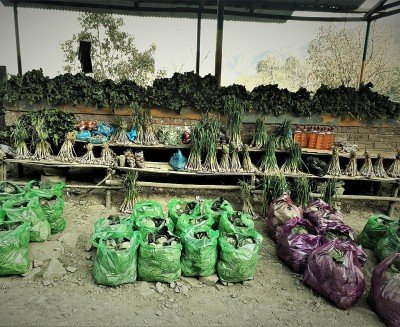
@@The Gateway to Naga Culture: Kisama Heritage Village is a specially designed model village that serves as the permanent venue for the famous Hornbill Festival. It was established by the state government to showcase the diverse traditions, architecture, and lifestyles of the 17 major Naga tribes under one roof. The village is meticulously planned to represent a traditional Naga settlement, complete with tribal Morungs and community squares. For travelers with limited time, this village provides a comprehensive overview of the entire state's cultural landscape in a single location. It is a place where the past is celebrated with modern energy and festive spirit. @@Architectural Diversity: Each of the 17 tribes has its own dedicated Morung (communal hut) within the village, built according to their specific traditional styles. These huts use natural materials like bamboo, thatch, and wood, featuring unique carvings and symbols that differentiate one tribe from another. Walking through the village is like traveling across the different districts of Nagaland, as each structure tells a story of geographic and tribal identity. The attention to detail in the construction makes it an architectural treasure trove for students and heritage lovers. It is the only place in the world where so many distinct tribal styles are concentrated. @@The Hornbill Festival Hub: While the village is open year-round, it truly comes alive during the first ten days of December during the Hornbill Festival. Thousands of domestic and international tourists flock here to witness the "Festival of Festivals," which features folk dances, indigenous games, and music. The main arena serves as a stage for spectacular performances that echo through the surrounding hills of the Barail range. During this time, the air is filled with the scent of wood-fired cooking and the sounds of traditional log drums and folk songs. It is a sensory explosion that defines the spirit of modern Nagaland. @@Historical and Educational Value: Beyond the festivities, the heritage village serves as an educational center with the World War II Museum located within its premises. This museum provides a poignant look at the Battle of Kohima and the impact of the war on the Naga people and British forces. The village also hosts a Bamboo Heritage Pavilion that showcases the incredible versatility of bamboo in Naga life, from construction to culinary arts. It is a destination that balances the joy of celebration with the gravity of history and the wisdom of indigenous knowledge. Visitors leave with a deep respect for the resilience and creativity of the Naga tribes.
Card image cap
Niuland

@@Introduction to Niuland: Niuland is one of the newest districts in Nagaland, known for its unique geography where the rolling hills of the state gen...

@@Introduction to Niuland: Niuland is one of the newest districts in Nagaland, known for its unique geography where the rolling hills of the state gently merge with the fertile plains of the Brahmaputra valley. This transition zone creates a landscape characterized by lush green paddy fields, sprawling tea gardens, and meandering streams. Unlike the high-altitude districts, Niuland offers a more temperate climate and a pastoral charm that is deeply relaxing. It serves as a vital agricultural hub and a gateway for travelers moving between the hills and the plains. The district is primarily inhabited by the Sumi Naga tribe, known for their vibrant culture and martial traditions. @@The Tea Garden Landscape: One of the primary attractions of Niuland is its extensive tea estates which rival those of neighboring Assam in beauty. The sight of organized rows of tea bushes against the backdrop of the Naga hills provides a stunning visual contrast that is perfect for nature photography. Visitors can walk through these gardens, observing the tea pluckers at work and learning about the local tea processing methods. The air in these estates is often filled with the fresh, earthy scent of tea leaves, offering a therapeutic experience. It is a side of Nagaland that many tourists often overlook in favor of the higher mountain peaks. @@River and Water Systems: The district is blessed with several clear streams and rivers that are central to the local economy and provide excellent spots for recreation. Angling and riverside picnics are popular activities for both locals and visitors looking for a weekend getaway from the bustle of Dimapur. The riverbanks are often covered in soft grass and shaded by large tropical trees, making them ideal for birdwatching and nature walks. These water bodies also support a variety of local fish species, which are a staple in the delicious local Sumi cuisine. The tranquil flow of the water adds to the overall sense of peace that Niuland provides. @@A Growing Transit Destination: Because of its proximity to Dimapur, the commercial capital of Nagaland, Niuland is rapidly developing as a transit spot for international and domestic tourists. It offers a "soft" introduction to the Naga hills, allowing travelers to acclimatize before heading to higher altitudes like Kohima or Wokha. The infrastructure in the district is improving, with better road connectivity and emerging homestay options that offer a glimpse into the rural Sumi lifestyle. It is a place for those who appreciate the quiet beauty of the countryside and the simple joys of a farming community. The district's potential for eco-tourism is vast and waiting to be explored.
Card image cap
Noklak

@@The Land of the Khiamniungan: Noklak is the youngest district of Nagaland, located at the easternmost edge of the state, sharing a long internationa...

@@The Land of the Khiamniungan: Noklak is the youngest district of Nagaland, located at the easternmost edge of the state, sharing a long international border with Myanmar. It is the heartland of the Khiamniungan tribe, a group known for their exceptional craftsmanship, bravery, and preservation of ancient Naga traditions. The district is characterized by its rugged terrain, deep valleys, and some of the most untouched natural landscapes in the region. Traveling to Noklak feels like stepping back in time to an era where the connection between man and nature was absolute. It is a destination for the intrepid traveler seeking authenticity far away from the commercial tourist circuits. @@Craftsmanship and Artistry: The people of Noklak are renowned throughout Nagaland for their skill in blacksmithing, weaving, and wood carving. The Khiamniungan tribe produces some of the most intricate beadwork and traditional jewelry in the state, often using natural seeds, shells, and brass. Their traditional spears and "daos" (machetes) are highly prized for their durability and artistic design. Visitors can observe local artisans working in their home workshops, using techniques passed down through countless generations. This commitment to traditional crafts makes Noklak a living gallery of indigenous art and a paradise for collectors of authentic tribal artifacts. @@The Indo-Myanmar Border Experience: Being a border district, Noklak offers a unique geopolitical experience where tribal communities live across both sides of the international boundary. Many villages in Noklak have a "twin" across the border in Myanmar, and the locals maintain strong social and cultural ties. The village of Pangsha is particularly famous as a gateway where one can witness this cross-border interaction and the shared heritage of the Naga people. The landscape here is dramatic, with the Saramati mountain range looming in the distance, creating a sense of being at the world's edge. It is a place that challenges your perception of borders and national identities. @@Nature and Adventure: The district's natural beauty is raw and breathtaking, featuring high-altitude lakes, hidden caves, and dense forests that are home to rare flora and fauna. The Patkai hill range provides a stunning backdrop to the Khiamniungan villages, offering numerous opportunities for trekking and exploration. Many areas in Noklak remain largely unexplored by outsiders, providing a sense of discovery for those who venture here. The climate is generally cool and refreshing, with the winter months bringing clear views of the snow-capped peaks in the distance. It is an ideal spot for camping and experiencing the "frontier spirit" of the Naga people.
Card image cap
Peren

@@Introduction to Peren: Peren is the headquarters of the district of the same name, a region known as the "Land of Virgin Forests." It is primarily i...

@@Introduction to Peren: Peren is the headquarters of the district of the same name, a region known as the "Land of Virgin Forests." It is primarily inhabited by the Zeliang and Kuki tribes, who have a unique cultural heritage distinct from the tribes of central and northern Nagaland. The town is situated at an elevation of 1,445 meters, offering cool temperatures and breathtaking views of the lush, rolling hills. Peren serves as a gateway to some of Nagaland's most pristine wildlife sanctuaries and high mountain peaks. It is a destination that appeals to nature lovers, trekkers, and those interested in the history of Naga resistance against colonial rule. @@Nature and Wildlife: The district is home to the Ntangki National Park, one of the most significant biodiversity hotspots in Northeast India. This park is a sanctuary for rare species like the Hoolock Gibbon, the only ape found in India, along with wild buffaloes (Mithun), tigers, and hornbills. The dense rainforests of Peren are often referred to as "virgin" because of their untouched state and the community's commitment to conservation. Exploring these forests offers a sense of prehistoric beauty, with giant ferns, ancient trees, and hidden waterfalls around every corner. It is a place where nature still dictates the rhythm of life for both the wildlife and the local people. @@Historical Significance: Peren played a crucial role in the Naga resistance movements, particularly under the leadership of Rani Gaidinliu, a spiritual and political leader who fought against British rule. The caves in Puilwa village served as her hiding place and are now a site of pilgrimage and historical interest. These caves represent the resilience of the Zeliangrong people and their struggle for identity and freedom. Visiting these sites provides a deep historical context to the modern state of Nagaland and its political evolution. The district's history is a blend of tribal lore, colonial resistance, and the preservation of indigenous spiritual practices. @@Trekking and Adventure: For the adventurous traveler, Peren offers some of the best trekking routes in Nagaland, including the climb to Mount Pauna, the state's third-highest peak. The trek passes through diverse ecological zones, from dense jungles to alpine-like meadows near the summit. The views from the top are spectacular, encompassing the valleys of both Nagaland and neighboring Manipur. The district's topography, with its sharp cliffs, deep gorges, and high ridges, makes it a playground for outdoor enthusiasts. Whether it's birdwatching, mountain hiking, or exploring limestone caves, Peren provides an adrenaline-filled experience in a serene setting.
Show All

Note:-

Information provided here in good Faith and for reference only.

All information and pictures will be updated soon, please keep visiting.

Near Places
...
Andaman and Nicobar Islands

Some quick example text to build on the card title and make up the bulk of the card's content.

Go somewhere
...
Andhra Pradesh

Some quick example text to build on the card title and make up the bulk of the card's content.

Go somewhere
...
Arunachal Pradesh

Some quick example text to build on the card title and make up the bulk of the card's content.

Go somewhere
...
Assam

Some quick example text to build on the card title and make up the bulk of the card's content.

Go somewhere
...
Bihar

Some quick example text to build on the card title and make up the bulk of the card's content.

Go somewhere
...
Chandigarh

Some quick example text to build on the card title and make up the bulk of the card's content.

Go somewhere
...
Chhattisgarh

Some quick example text to build on the card title and make up the bulk of the card's content.

Go somewhere
...
Daman and Diu

Some quick example text to build on the card title and make up the bulk of the card's content.

Go somewhere
...
Delhi

Some quick example text to build on the card title and make up the bulk of the card's content.

Go somewhere
...
Goa

Some quick example text to build on the card title and make up the bulk of the card's content.

Go somewhere
...
Goa
in Other Cities