

Riva Waterfall
General information
-
Ideal Duration:
1-2 HoursPlace Type:
Natural Attraction, Waterfall, Trekking SpotEntry Fees:
Entry Fee: No Entry Fee; the waterfall is a natural, undeveloped site accessible to the public;
Parking/Road Use: Parking is typically on the side of the main road near the bridge, which is free of charge; there may be an unofficial charge...Entry Fee: No Entry Fee; the waterfall is a natural, undeveloped site accessible to the public;
Parking/Road Use: Parking is typically on the side of the main road near the bridge, which is free of charge; there may be an unofficial charge if a local person is 'minding' the car;
Local Guide: A local guide is not mandatory but can be hired from nearby villages for a nominal fee if visitors are uncomfortable navigating the short trail alone;
Photography/Videography: No commercial photography or filming fees are levied, but large-scale commercial shoots should seek permission from local forest authorities; the only 'cost' is respecting the natural environment.Timing:
Regular Timings: Dawn to Dusk (approximately 6:00 AM to 6:00 PM); it is not advisable to visit after sunset as the trail is unlit and potentially unsafe;
Ideal Visit Time: Mid-morning (10:00 AM to 1:00 PM) or early afternoon on a clear day;...Regular Timings: Dawn to Dusk (approximately 6:00 AM to 6:00 PM); it is not advisable to visit after sunset as the trail is unlit and potentially unsafe;
Ideal Visit Time: Mid-morning (10:00 AM to 1:00 PM) or early afternoon on a clear day; during the monsoon, the best time is after a period of light rain to catch the cascade at its strongest flow;
Safety Consideration: Visiting too early in the morning during winter can be slippery and cold; the area is most enjoyable when the sun is out, warming the gorge slightly;
Avoidance Time: Avoid the deep darkness of early morning or late evening due to potential wildlife movement and lack of visibility on the trail.Special Events:
Monsoon Photography Retreats: While not an official event, the location becomes a spontaneous gathering spot for local photographers and nature groups during the peak flow season (August), often resulting in informal nature workshops;
Local Vill...Monsoon Photography Retreats: While not an official event, the location becomes a spontaneous gathering spot for local photographers and nature groups during the peak flow season (August), often resulting in informal nature workshops;
Local Village Fairs: The small nearby villages occasionally hold very localized fairs or melas during the harvest season or small Hindu festivals; these are non-commercialized events and offer a genuine taste of local Himachali life that the tourist may stumble upon;
Post-Monsoon Treks: Organized local trekking groups sometimes lead expeditions to the area right after the monsoon to appreciate the maximized water flow and the exceptionally clean air.Best Photo Spots:
Foreground of Flowing Water: Focus on the cascade itself, using the movement of the water as the main subject, especially with a slow shutter speed for the silky-water effect;
Framing with Foliage: Use the dense, moss-covered rocks and the o...Foreground of Flowing Water: Focus on the cascade itself, using the movement of the water as the main subject, especially with a slow shutter speed for the silky-water effect;
Framing with Foliage: Use the dense, moss-covered rocks and the overhanging tree branches to frame the waterfall, emphasizing its secluded, hidden-gem status;
Reflection Shots: If the pool at the base is still enough, capture the reflection of the waterfall and the surrounding trees for a mirror-like effect;
Water Droplets and Moss Close-Ups: The moisture-rich environment is perfect for macro photography of moss, ferns, and water droplets on the rocks, showcasing the vibrancy of the jungle ecosystem.Photo Gallery
Things To Do
-
Short Nature Trek: Enjoy the easy, scenic 5-10 minute trek through the forested path from the main road down to the waterfall, focusing on the sounds and sights of the surrounding jungle;
Swimming and Cooling Off: Take a refreshing, cold dip in the small pool at the waterfall's base, especially during the warm months (May to June), but exercise caution as rocks can be slippery;
Photography: Capture the seasonal flow of the waterfall, the lush green mossy rocks, and the dense forest canopy, with long-exposure shots being particularly rewarding;
Picnicking: Carry packed food and enjoy a quiet, nature-immersed picnic on the flat rocks near the pool (Note: Carry all trash back);
Mindful Listening: Sit quietly and listen to the calmin...Short Nature Trek: Enjoy the easy, scenic 5-10 minute trek through the forested path from the main road down to the waterfall, focusing on the sounds and sights of the surrounding jungle;
Swimming and Cooling Off: Take a refreshing, cold dip in the small pool at the waterfall's base, especially during the warm months (May to June), but exercise caution as rocks can be slippery;
Photography: Capture the seasonal flow of the waterfall, the lush green mossy rocks, and the dense forest canopy, with long-exposure shots being particularly rewarding;
Picnicking: Carry packed food and enjoy a quiet, nature-immersed picnic on the flat rocks near the pool (Note: Carry all trash back);
Mindful Listening: Sit quietly and listen to the calming sound of the gushing water and the forest birds, utilizing the tranquil environment for a stress-reducing experience;
Geological Observation: Spend time observing the patterns of water erosion on the layered Shivalik rock formations, a silent lesson in geology;
Exploration of the Stream: Explore the small stream that feeds the waterfall, upstream (cautiously) or downstream, to find more secluded spots in the pristine natural area.
Information
-
Why Famous:
Offbeat Nature Experience: It is famous primarily as a quiet, unspoiled natural retreat—a stark contrast to the nearby organized cultural parks and temples—attracting those who prefer trekking and genuine wilderness;
Seasonal Beauty: The...Offbeat Nature Experience: It is famous primarily as a quiet, unspoiled natural retreat—a stark contrast to the nearby organized cultural parks and temples—attracting those who prefer trekking and genuine wilderness;
Seasonal Beauty: The sheer beauty and volume of the cascading water and the vibrant green of the surrounding jungle during the monsoon season make it a popular local monsoon destination, known for its refreshing atmosphere;
Proximity to Mohan Shakti Park: Its location near the well-known Mohan Shakti National Heritage Park makes it an easy, rewarding detour for tourists seeking a natural element to their itinerary, offering a double delight of culture and nature in one trip. -
Architecture:
Geological Formation: The architecture is entirely natural, defined by the geological features of the Shivalik rock formations over which the stream cascades:
Dimensions and Flow: The waterfall's height is estimated to be around 20 meters (as...Geological Formation: The architecture is entirely natural, defined by the geological features of the Shivalik rock formations over which the stream cascades:
Dimensions and Flow: The waterfall's height is estimated to be around 20 meters (as per local sources, sometimes referred to as Dharo Ki Dhar); the water flow is highly seasonal, being at its most voluminous during the monsoon months of July to September; the waterfall forms a small, natural pool at its base; the surrounding 'architecture' is the dense canopy of pine and deodar trees, which create a cool, shaded microclimate and contribute to the atmosphere of secluded beauty; the trek path from the road is a natural, rocky trail that integrates the journey seamlessly with the destination. -
How To Reach:
By Air: Nearest airport is Chandigarh Airport (IXC), about 68 KMS away; hire a taxi or take a bus to Solan, then a local taxi to the bridge near the Mohan Heritage Park turn-off, followed by the short trek;
By Train: Take the Toy Train to S...By Air: Nearest airport is Chandigarh Airport (IXC), about 68 KMS away; hire a taxi or take a bus to Solan, then a local taxi to the bridge near the Mohan Heritage Park turn-off, followed by the short trek;
By Train: Take the Toy Train to Solan Railway Station (SOL); hire a local taxi towards the Mohan Shakti Park; the key is the parking spot near the bridge which is the starting point of the trail;
By Road: Drive directly from Solan (approx. 12 KM) or Chandigarh (approx. 68 KM) on a well-maintained road towards Mohan Heritage Park; the parking spot is near a bridge shortly after passing the Heritage Park turn-off;
By Local Transport: Taxis and local shared cabs from Solan or Ochghat can drop you at the road point; the final 5-10 minute walk is mandatory, and comfortable footwear is a must; the site is not directly accessible by vehicle. -
Weather and Best Time to Visit:
Seasons - Monsoon (July to September): This is the Best Time to Visit to experience the waterfall at its maximum flow, which dramatically increases its size and sound, making the view spectacular;
Seasons - Post-Monsoon (October to November):Seasons - Monsoon (July to September): This is the Best Time to Visit to experience the waterfall at its maximum flow, which dramatically increases its size and sound, making the view spectacular;
Seasons - Post-Monsoon (October to November): The water flow is still good, and the weather is cool and clear, offering excellent trekking and photography conditions without the risk of heavy rainfall;
Seasons - Summer/Winter: Water flow is significantly reduced, but the area remains a peaceful and cool spot for a short nature walk;
Daytime - Midday: During the peak flow (Monsoon), midday is a good time as the sunlight penetrates the canopy; during other seasons, mid-morning is ideal before the heat of the day. -
Near Tourist Places:
Mohan Shakti National Heritage Park (7 KMS), Shilli Wildlife Sanctuary (7. 9 KMS), Menri Monastery (10 KMS), Jatoli Shiv Temple (15 KMS), Solan Town Center (12 KMS), Barog (25 KMS), Kandaghat (18 KMS), Shoolini Mata Temple (16 KMS), Subathu Fort (35 KMS), Dagshai Jail Museum (30 KMS).
Tourism Tips
-
Health & Safety: Extreme Caution is needed on the slippery rocks near the falls and pool; do not attempt to climb the rock face; be aware of the fast-flowing water during the monsoon; carry a basic first-aid kit;
Packing Essentials: Wear ...Health & Safety: Extreme Caution is needed on the slippery rocks near the falls and pool; do not attempt to climb the rock face; be aware of the fast-flowing water during the monsoon; carry a basic first-aid kit;
Packing Essentials: Wear sturdy, non-slip shoes for the trek; carry an extra set of clothes/towel if you plan to swim; carry a trash bag to ensure you take all litter back with you (No Littering); insect repellent is useful;
Water/Food: Carry your own drinking water and light snacks, as there are no commercial vendors nearby;
Environmental Responsibility: The spot is unspoiled—commit to leaving no trace of your visit; do not carve names or disturb the natural flora and fauna;
Parking: Park your vehicle safely by the roadside near the bridge and ensure it is not obstructing traffic.
Reviews
FAQs
Solan Itineray And Cost:-
Other Places In Solan :-
Other States In India :-
Information about New and Updated Locations() of Himachal Pradesh Has Been Added :-
Card subtitle
Note:-
Information provided here in good Faith and for reference only.
Near Places

Children's Park
Some quick example text to build on the card title and make up the bulk of the card's content.
Go somewhere
Dr. Y.S. Parmar University
Some quick example text to build on the card title and make up the bulk of the card's content.
Go somewhere
Gorkha Fort
Some quick example text to build on the card title and make up the bulk of the card's content.
Go somewhere
Gurkha Fort
Some quick example text to build on the card title and make up the bulk of the card's content.
Go somewhere
Kalka-Shimla Railway
Some quick example text to build on the card title and make up the bulk of the card's content.
Go somewhere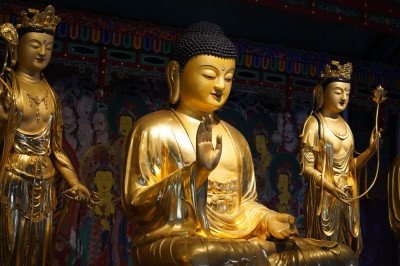
Menri Monastery
Some quick example text to build on the card title and make up the bulk of the card's content.
Go somewhere
Mohan Shakti National Heritage Park
Some quick example text to build on the card title and make up the bulk of the card's content.
Go somewhere
Nalagarh Fort
Some quick example text to build on the card title and make up the bulk of the card's content.
Go somewhere
Riva Waterfall
Some quick example text to build on the card title and make up the bulk of the card's content.
Go somewherein Other Cities