
Satdhara Falls
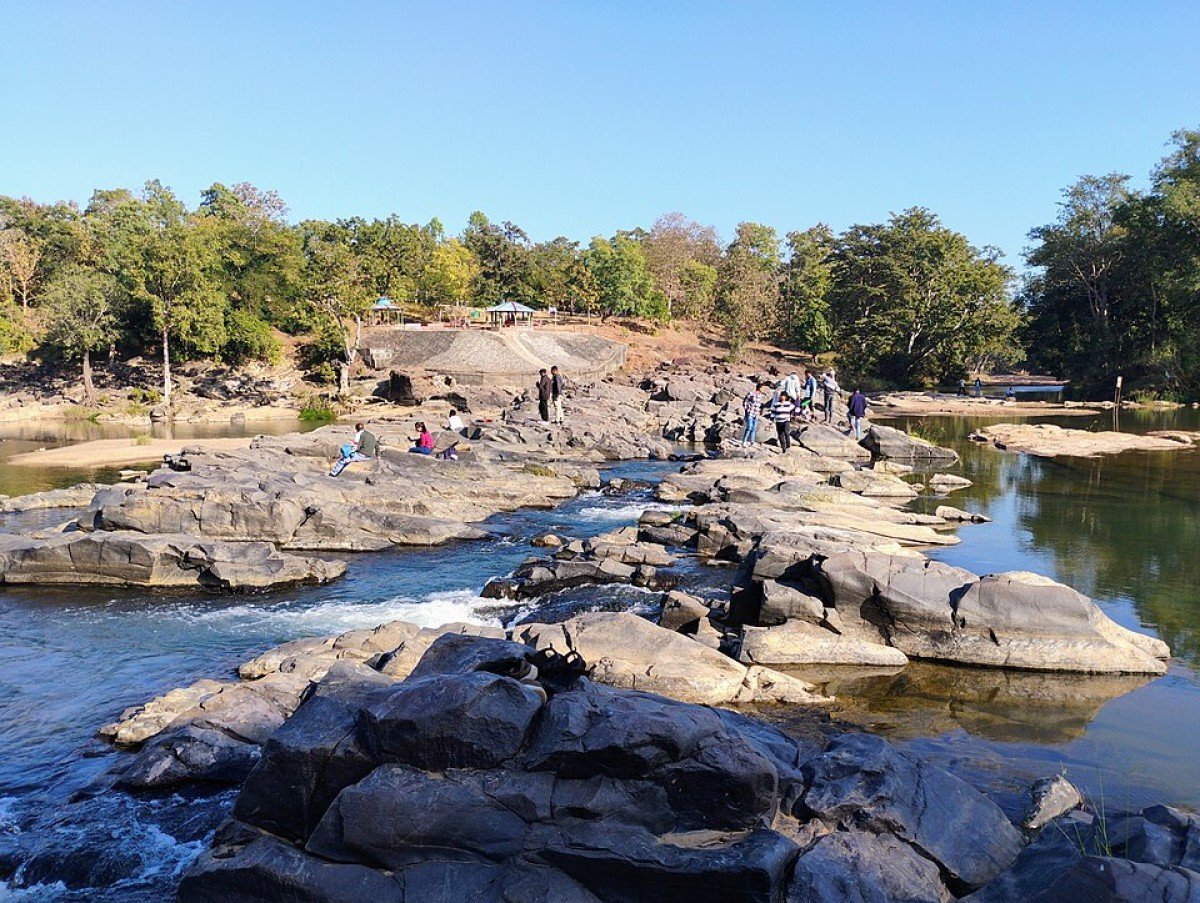
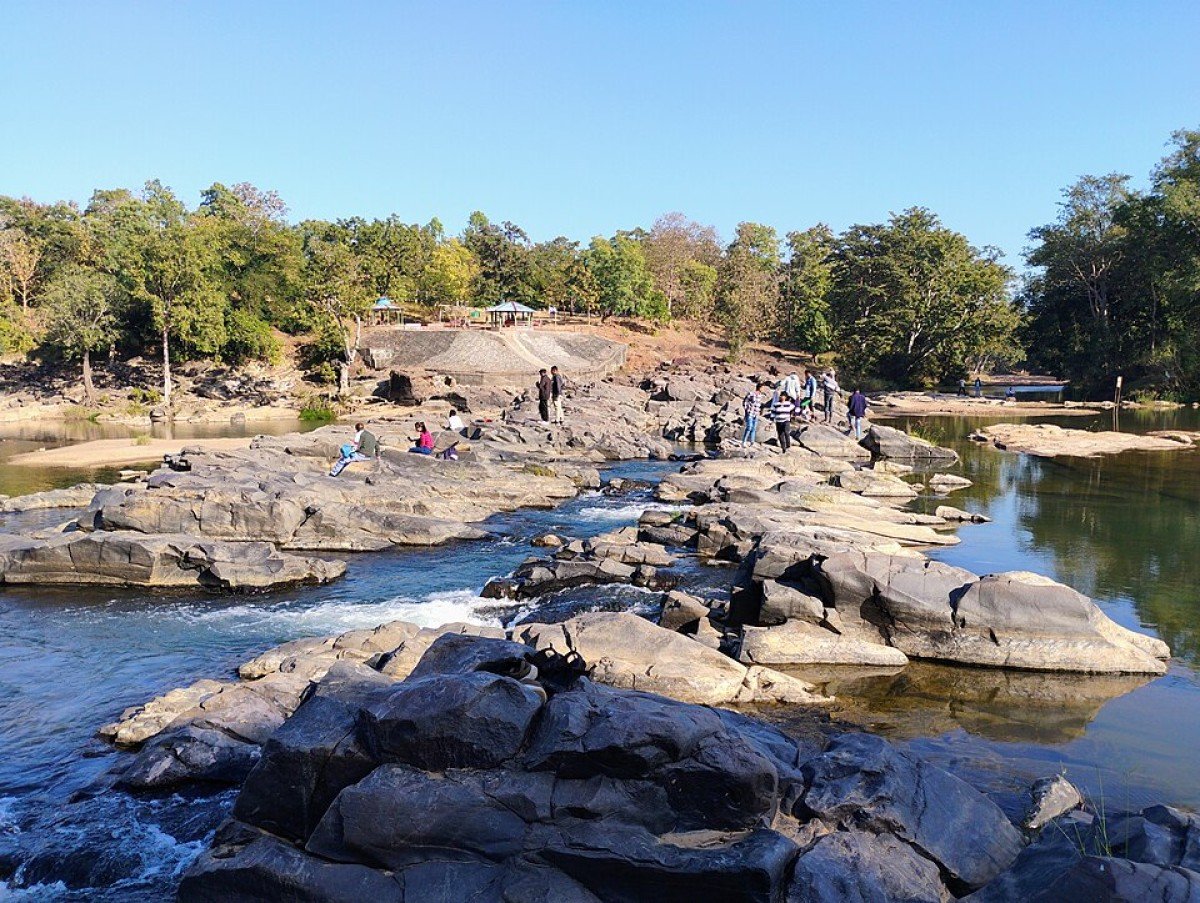
Natural Wonder and Medicinal Properties: Satdhara means "seven springs," referring to the confluence of seven beautiful springs that cascade down the hill, creating the waterfall. The water here is believed to have therapeutic and medicinal properties due to the presence of mica (known as 'gandhak') in the stream beds, which is said to cure skin diseases. This natural feature draws not just tourists but also locals seeking the water's benefits. The falls are surrounded by dense forests of deodar and pine, offering a visually stunning and spiritually uplifting environment. The constant roar of the water provides a soothing background noise, making it a perfect spot for unwinding. The entire area maintains a pristine, untouched feel, contributing to its charm as a nature retreat. It is a common stopover for trekkers and travelers heading towards Panchpula. The Legend of Gandhak: The belief in the medicinal properties of the water is rooted in local folklore, making the experience more than just a sightseeing stop. Many visitors drink the water or simply soak their feet in the stream. The viewpoint provides excellent photographic opportunities of the cascading water and the valley below. However, caution is advised, especially during the monsoon, as the flow of water is heavy and the rocks can be extremely slippery. It remains one of the most picturesque natural attractions near Dalhousie.
General information
-
Ideal Duration:
1-2 HoursPlace Type:
Natural Waterfall, Sightseeing, Trekking Point, NaEntry Fees:
General Admission: Nil (Free Entry). There is no official ticket counter or fee for viewing the falls.
Local Guide Fees: If you choose to hire a local guide for the trek down, charges may apply, typically negotiated on the spot, ranging fro...General Admission: Nil (Free Entry). There is no official ticket counter or fee for viewing the falls.
Local Guide Fees: If you choose to hire a local guide for the trek down, charges may apply, typically negotiated on the spot, ranging from INR 300 to INR 500.
Parking Charges: A nominal fee might be charged for parking a vehicle on the main road before the trek, typically around INR 50 to INR 100.Timing:
Regular Timings: The falls are accessible 24 hours, but the ideal visiting hours are from 8:00 AM to 6:00 PM for safety and visibility.
Ideal Visit Time: Early morning (8:00 AM to 10:00 AM) for the best light and least crowd, or late afterno...Regular Timings: The falls are accessible 24 hours, but the ideal visiting hours are from 8:00 AM to 6:00 PM for safety and visibility.
Ideal Visit Time: Early morning (8:00 AM to 10:00 AM) for the best light and least crowd, or late afternoon (4:00 PM to 6:00 PM) to catch the soft light and a more tranquil atmosphere.
Monsoon Peak: To witness the falls at their most powerful, visit during the late monsoon (late August to September), but exercise caution due to slippery paths.Special Events:
Monsoon Beauty Festival: While no formal annual event is held, the falls are at their most voluminous and beautiful during the monsoon season (July-September), which is informally celebrated by nature lovers and photographers.
Local Religious Ob...Monsoon Beauty Festival: While no formal annual event is held, the falls are at their most voluminous and beautiful during the monsoon season (July-September), which is informally celebrated by nature lovers and photographers.
Local Religious Observances: Occasionally, local villagers perform small, traditional religious rites near the springs, particularly during festivals, seeking blessings from the natural water source.Best Photo Spots:
The Main Viewpoint: The official viewing deck offers the perfect panoramic shot of the water tumbling down the rocks.
Forest Frames: Use the deodar and pine tree branches as natural frames for pictures of the falls, adding depth and context ...The Main Viewpoint: The official viewing deck offers the perfect panoramic shot of the water tumbling down the rocks.
Forest Frames: Use the deodar and pine tree branches as natural frames for pictures of the falls, adding depth and context to the landscape.
Close-up of Water Flow: Focus on the intricate patterns and textures created by the water flow over the mossy rocks for detailed, abstract nature shots.
Sunset View: The falls offer a spectacular backdrop to the sunset over the Himalayan range, casting a golden glow on the water and the mist.Photo Gallery
Things To Do
-
Gentle Trekking: Enjoy the short, refreshing trek down to the falls from the main road, which is highly recommended over taking a vehicle all the way.
Photography: Capture the milky-white cascade, the mist, and the rich green forest surroundings. Experiment with long exposure shots for a stunning water effect.
Water Tasting: Taste the 'gandhak' water, believed to have medicinal properties, directly from the springs. Always ensure the source is clean.
Relaxation: Simply sit on a rock, listen to the constant roar of the falling water, and breathe the clean, oxygen-rich mountain air for a true sense of rejuvenation.
Exploring Panchpula: Since it's on the way, ensure you combine the visit with Panchpula, which has a beautiful strea...Gentle Trekking: Enjoy the short, refreshing trek down to the falls from the main road, which is highly recommended over taking a vehicle all the way.
Photography: Capture the milky-white cascade, the mist, and the rich green forest surroundings. Experiment with long exposure shots for a stunning water effect.
Water Tasting: Taste the 'gandhak' water, believed to have medicinal properties, directly from the springs. Always ensure the source is clean.
Relaxation: Simply sit on a rock, listen to the constant roar of the falling water, and breathe the clean, oxygen-rich mountain air for a true sense of rejuvenation.
Exploring Panchpula: Since it's on the way, ensure you combine the visit with Panchpula, which has a beautiful stream and the monument of Sardar Ajit Singh.
Nature Walk: Walk around the surrounding forest trails, being mindful of the terrain, to fully immerse yourself in the natural ambiance.
Picnic: Find a peaceful spot near the stream for a small, relaxing picnic.
Information
-
Why Famous:
Therapeutic Water: The fame is largely attributed to the mythical and real presence of mica in the water, which gives it therapeutic properties and the name 'gandhak' water. This unique aspect elevates it beyond a typical waterfall.
Scenic Trek...Therapeutic Water: The fame is largely attributed to the mythical and real presence of mica in the water, which gives it therapeutic properties and the name 'gandhak' water. This unique aspect elevates it beyond a typical waterfall.
Scenic Trekking Route: Its location on the scenic route to Panchpula makes it a popular point for light trekking and enjoying the forest atmosphere. The walk itself is a major draw.
The Number Seven: The significance of the seven springs (Satdhara) converging into one cascade is a symbolic attraction for many visitors, representing unity in nature. -
Architecture:
Architecture of Nature: The falls represent a natural geological architecture where the convergence of seven water sources has carved its path through the hillside rock strata over centuries. The main structure is the natural cliff face and rock basin formed by the constant...Architecture of Nature: The falls represent a natural geological architecture where the convergence of seven water sources has carved its path through the hillside rock strata over centuries. The main structure is the natural cliff face and rock basin formed by the constant erosion of water.
Man-Made Integration: There is minimal man-made structure, mainly viewing platforms, safety railings, and pathways leading to the falls, which are designed to blend as much as possible with the environment. The primary dimension is the vertical drop and the spread of the water flow, which changes dramatically between the dry and monsoon seasons.
Pathway Design: The path from the main road down to the viewing area often involves natural stone steps or a well-trodden earth trail, respecting the organic contours of the land. The focus is on preserving the raw, natural setting. -
How To Reach:
By Air: Nearest airport is Pathankot (approximately 90 km away). Hire a taxi or take a bus to Dalhousie. From Dalhousie town center, hire a local taxi or shared cab towards Panchpula, where the falls are located about 1 km before the main Panchpula spot.
Read MoreBy Air: Nearest airport is Pathankot (approximately 90 km away). Hire a taxi or take a bus to Dalhousie. From Dalhousie town center, hire a local taxi or shared cab towards Panchpula, where the falls are located about 1 km before the main Panchpula spot.
By Train: Nearest railway station is Pathankot Cantonment or Pathankot (approximately 90 km away). From Pathankot, take a bus or taxi to Dalhousie. From the main town, local taxis or shared autos are the best way to reach the falls.
By Road: Satdhara Falls is on the main Panchpula road, easily accessible by hiring a private taxi from Dalhousie or by taking a local bus that plies the route. The distance is short, making it an easy drive.
By Local Transport: Local taxis are readily available. Many visitors prefer a pleasant, approximately 45-60 minute trek from Gandhi Chowk in Dalhousie for an immersive natural experience. The walking route is well-defined.Weather and Best Time to Visit:
Different Types of Seasons: Summer (April to June) offers the most comfortable weather for trekking and sightseeing. Monsoon (July to September) is when the water flow is maximum, offering a spectacular view, but trails are riskier. Winter (October to March) is very cold, ...Different Types of Seasons: Summer (April to June) offers the most comfortable weather for trekking and sightseeing. Monsoon (July to September) is when the water flow is maximum, offering a spectacular view, but trails are riskier. Winter (October to March) is very cold, and the water flow is significantly reduced.
Different Parts of the Day: Mid-morning is perfect after the initial trek, as the sun illuminates the falls beautifully. Late afternoon is peaceful and less crowded, offering a cooler ambiance.Near Tourist Places:
Panchpula (approx. 1. 5 KMS), Subhash Baoli (approx. 3 KMS), St. John's Church (approx. 4. 5 KMS), Khajjiar (approx. 20 KMS), Dainkund Peak (approx. 12 KMS), Kalatop Wildlife Sanctuary (approx. 14 KMS), Rock Garden (approx. 6 KMS), Garam Sadak (approx. 4 KMS), Bakrota Hills (approx. 8 KMS), Gandhi Chowk (approx. 5 KMS).Tourism Tips
-
Health & Safety: Wear sturdy, non-slip footwear as the trail to the falls can be rocky and slippery. Be cautious around the water's edge, especially during high flow.
Packing: Carry a raincoat or umbrella during the monsoon. A hat and suns...Health & Safety: Wear sturdy, non-slip footwear as the trail to the falls can be rocky and slippery. Be cautious around the water's edge, especially during high flow.
Packing: Carry a raincoat or umbrella during the monsoon. A hat and sunscreen are recommended for sunny days. Carry water and light snacks, as only small stalls are available.
Accommodation: Stay in the main town of Dalhousie or near Gandhi Chowk. There are no accommodations right at the falls, preserving its natural integrity.
Other Tips: Check the weather forecast before visiting. Do not attempt to climb on the wet, moss-covered rocks. Carry a small towel if you plan to touch or soak in the therapeutic water.
Reviews
FAQs
Dalhousie Itineray And Cost:-
Other Places In Dalhousie :-
Other States In India :-
Information about New and Updated Locations() of Himachal Pradesh Has Been Added :-
Card subtitle
Note:-
Information provided here in good Faith and for reference only.
Near Places

Jandri Ghat Palace
Some quick example text to build on the card title and make up the bulk of the card's content.
Go somewhere
St. John's Church
Some quick example text to build on the card title and make up the bulk of the card's content.
Go somewherein Other Cities