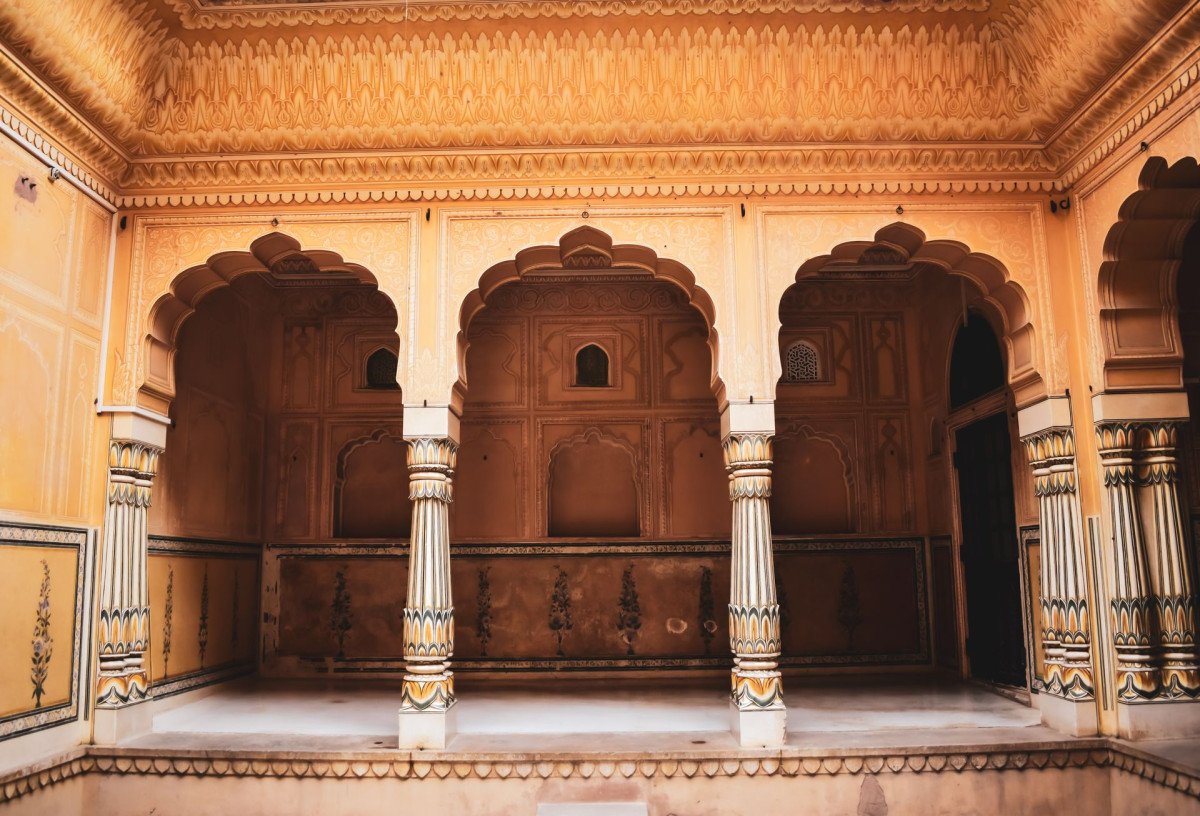
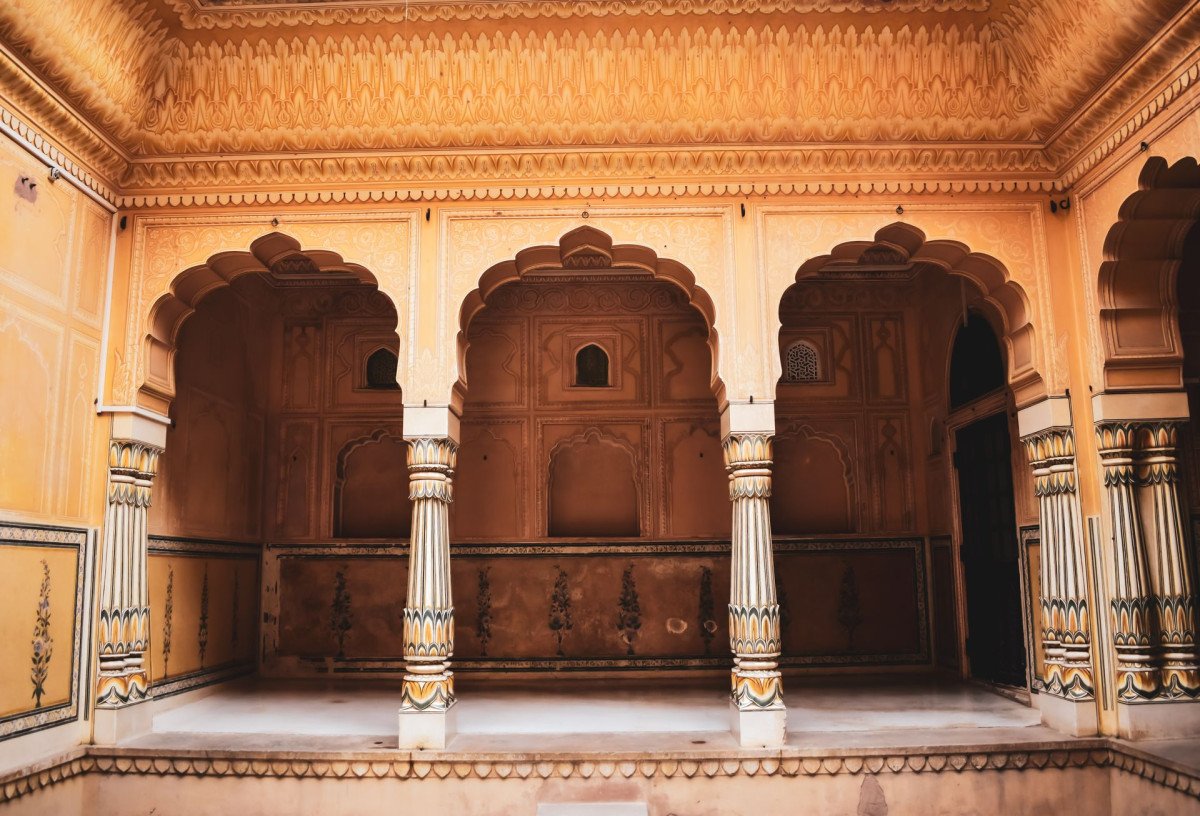
Satyalaya Fort
General information
-
Ideal Duration:
1 Hour:Place Type:
Historical, Ruins, Offbeat Destination:Entry Fees:
Entry: Entry is generally Free as it is an undeveloped historical site. Maintenance (
): There is usually no organized ticket office or official fee collection. Visitors are expected to respect the ruins. Since it's an unsecured site, visit...Entry: Entry is generally Free as it is an undeveloped historical site. Maintenance (
): There is usually no organized ticket office or official fee collection. Visitors are expected to respect the ruins. Since it's an unsecured site, visit during the daytime.
:Timing:
Regular Timings: Sunrise to Sunset (As an open, unmanaged site). Ideal Visit Time (
): Early Morning or late Afternoon are best for comfortable exploration and photography, as there is little to no shade at the site. Winters (October to Marc...Regular Timings: Sunrise to Sunset (As an open, unmanaged site). Ideal Visit Time (
): Early Morning or late Afternoon are best for comfortable exploration and photography, as there is little to no shade at the site. Winters (October to March) are ideal for comfortable weather.
:Special Events:
Local Fairs (Irregular
): Being near a village, the fort grounds may occasionally host small, local village fairs or seasonal harvest celebrations, though these are not regularly scheduled tourist events.
(Word Count:Local Fairs (Irregular
): Being near a village, the fort grounds may occasionally host small, local village fairs or seasonal harvest celebrations, though these are not regularly scheduled tourist events.
:Best Photo Spots:
Weathered Stone and Brick Textures (
): Close-up shots highlighting the aged and eroded texture of the fortification walls. Framing the Ruins (
): Using the remaining archways or broken walls as a frame for the surrounding landscape, e...Weathered Stone and Brick Textures (
): Close-up shots highlighting the aged and eroded texture of the fortification walls. Framing the Ruins (
): Using the remaining archways or broken walls as a frame for the surrounding landscape, especially the fields or the sunset. The Solitary Tree (
): Often, a solitary, old tree growing out of the ruins makes a compelling, symbolic photo of resilience and decay.
:Photo Gallery
Things To Do
-
Exploring the Ruins (
): Carefully walk around the remaining walls and structures, imagining the fort's former glory and defensive purpose. Be cautious of uneven ground and crumbling masonry. Photography of Decay (
): Capture the textural details of the weathered brick and stone, contrasting the ancient ruins with the modern sky or surrounding greenery, perfect for ruin photography. Researching Local Legends (
): Talk to the local residents of Khanjarpur village, who may share oral traditions, folklore, or local legends associated with the fort and its original inhabitants. Picnicking (
): Since it is an undeveloped, quiet spot, it can be a good location for a simple, peaceful picnic, provided you carry all trash out with you. Bird Watching (Exploring the Ruins (
): Carefully walk around the remaining walls and structures, imagining the fort's former glory and defensive purpose. Be cautious of uneven ground and crumbling masonry. Photography of Decay (
): Capture the textural details of the weathered brick and stone, contrasting the ancient ruins with the modern sky or surrounding greenery, perfect for ruin photography. Researching Local Legends (
): Talk to the local residents of Khanjarpur village, who may share oral traditions, folklore, or local legends associated with the fort and its original inhabitants. Picnicking (
): Since it is an undeveloped, quiet spot, it can be a good location for a simple, peaceful picnic, provided you carry all trash out with you. Bird Watching (
): The overgrown areas around the fort may attract local birdlife, offering an opportunity for quiet observation. Sketching and Drawing (
): Use the historic structure and the peaceful surroundings as a subject for sketching or landscape painting. Finding Artifacts (
): Look for fragmented pottery or other small historical remnants (without disturbing the site) that can hint at the fort's past inhabitants.
:
Information
-
Why Famous:
Regional History: It is important as one of the few standing remnants of pre-colonial or early colonial era indigenous fortifications in the immediate Roorkee area.
Offbeat Exploration: Its ruined state and lack of commercialization make it ...Regional History: It is important as one of the few standing remnants of pre-colonial or early colonial era indigenous fortifications in the immediate Roorkee area.
Offbeat Exploration: Its ruined state and lack of commercialization make it famous among local historians and adventurous travelers seeking genuine historical relics away from mainstream sites.
: -
Architecture:
Vernacular Fortification Style: The architecture is characterized by regional vernacular materials, primarily rough-cut stone and baked brick masonry, typical of smaller forts in the Upper Doab region.
Defensive Features: Original features l...Vernacular Fortification Style: The architecture is characterized by regional vernacular materials, primarily rough-cut stone and baked brick masonry, typical of smaller forts in the Upper Doab region.
Defensive Features: Original features likely included thick walls, corner bastions (towers), and perhaps a single main gateway, now largely in disrepair. The style is functional, built for defense rather than grand display.
Dimension: The remaining structure is relatively small, suggesting a fortified residence or a minor military outpost rather than a large garrison fort, with walls spanning a compact area.
: -
How To Reach:
By Air (
): Nearest is Jolly Grant Airport, Dehradun (DED) (approx. 70 KMS). Take a taxi to Roorkee and then a local auto. By Train (
): Roorkee Railway Station (RK) is the closest (2 KMS). Take a rickshaw or auto-rickshaw towards K...By Air (
): Nearest is Jolly Grant Airport, Dehradun (DED) (approx. 70 KMS). Take a taxi to Roorkee and then a local auto. By Train (
): Roorkee Railway Station (RK) is the closest (2 KMS). Take a rickshaw or auto-rickshaw towards Khanjarpur village. By Road (
): Located very close to the Roorkee city area, it can be reached via local roads. Follow directions to Khanjarpur. By Local Transport (
): Local auto-rickshaws are the best option. It is a short drive from the main Roorkee market area. Access by foot from the main road is common.
: -
Weather and Best Time to Visit:
Best Season - Winter: November to February for the most comfortable weather for walking through the ruins. Avoid Monsoon season when the paths can become muddy.
Best Part of the Day - Late Afternoon: Late Afternoon (3:00 PM - 5:00 PM) for t...Best Season - Winter: November to February for the most comfortable weather for walking through the ruins. Avoid Monsoon season when the paths can become muddy.
Best Part of the Day - Late Afternoon: Late Afternoon (3:00 PM - 5:00 PM) for the best lighting for photography and a cooler temperature.
: -
Near Tourist Places:
IIT Roorkee Campus (1. 8 KMS), Thomson's Steps (2 KMS), Mineral Garden (4 KMS), Roorkee Group Museum (3 KMS), War Memorial (3 KMS), Solani Aqueduct (11 KMS), Piran Kaliyar Sharif (12 KMS), Haridwar (32 KMS), Rajaji National Park (38 KMS), Sonali Park (4 KMS):
Tourism Tips
-
Health & safety (
): The site is a ruin; be extremely careful of uneven ground, loose rocks, and climbing on unstable walls. Wear sturdy shoes. Packing (
): Carry water, snacks, and bug repellent, as the area is overgrown. A guide b...Health & safety (
): The site is a ruin; be extremely careful of uneven ground, loose rocks, and climbing on unstable walls. Wear sturdy shoes. Packing (
): Carry water, snacks, and bug repellent, as the area is overgrown. A guide book or online resource about the fort's history is useful, as there are no official signs. Accommodation (
): Stay in Roorkee town, as there are no guesthouses near the ruins. Other Different Topics (
): Do not litter and respect the historical integrity of the site. It is advisable to visit with a companion as the site is isolated.
:
Reviews
FAQs
Roorkee Itineray And Cost:-
Other Places In Roorkee :-
Other States In India :-
Information about New and Updated Locations() of Uttarakhand Has Been Added :-
Card subtitle
Note:-
Information provided here in good Faith and for reference only.
Near Places

Century Gate IIT Roorkee
Some quick example text to build on the card title and make up the bulk of the card's content.
Go somewhere
Chilla Dam
Some quick example text to build on the card title and make up the bulk of the card's content.
Go somewhere
IIT Roorkee Campus
Some quick example text to build on the card title and make up the bulk of the card's content.
Go somewhere
Kaliyar Sharif Dargah
Some quick example text to build on the card title and make up the bulk of the card's content.
Go somewhere
Lion Statue
Some quick example text to build on the card title and make up the bulk of the card's content.
Go somewhere
Mineral Garden
Some quick example text to build on the card title and make up the bulk of the card's content.
Go somewhere
Piran Kaliyar Sharif
Some quick example text to build on the card title and make up the bulk of the card's content.
Go somewhere
Rahmatpur Forest
Some quick example text to build on the card title and make up the bulk of the card's content.
Go somewhere
Rang Mahal
Some quick example text to build on the card title and make up the bulk of the card's content.
Go somewhere
Satyalaya Fort
Some quick example text to build on the card title and make up the bulk of the card's content.
Go somewhere
Simps' Point
Some quick example text to build on the card title and make up the bulk of the card's content.
Go somewhere
Solani Aqueduct
Some quick example text to build on the card title and make up the bulk of the card's content.
Go somewhere
Thomson's Steps
Some quick example text to build on the card title and make up the bulk of the card's content.
Go somewhere
War Memorial
Some quick example text to build on the card title and make up the bulk of the card's content.
Go somewherein Other Cities