

Shri Digambar Jain Prachin Bada Mandir
General information
-
Ideal Duration:
4 to 6 Hours to explore the entire temple complex, museum, and gardens.Place Type:
Religious Pilgrimage and Historic Monument.Entry Fees:
Standard Entry Policy: Entry to the temple and complex is Free for all, regardless of religion, as it is a place of public worship.
Donation and Seva Fees: While entry is free, visitors can pay small fees for special 'Pooja' ceremonies or ...Standard Entry Policy: Entry to the temple and complex is Free for all, regardless of religion, as it is a place of public worship.
Donation and Seva Fees: While entry is free, visitors can pay small fees for special 'Pooja' ceremonies or 'Bhojanshala' (community kitchen) meals, usually around INR 60-100.Timing:
Temple Opening Hours: The main shrine is open from 5:00 AM to 9:00 PM daily, with several aarti sessions throughout the day.
Best Visiting Window: The early morning hours (6 AM to 8 AM) are the most spiritual and peaceful, offering a chanc...Temple Opening Hours: The main shrine is open from 5:00 AM to 9:00 PM daily, with several aarti sessions throughout the day.
Best Visiting Window: The early morning hours (6 AM to 8 AM) are the most spiritual and peaceful, offering a chance to see the traditional rituals up close.Special Events:
Akshaya Tritiya Mahotsav: The biggest annual event, celebrating the first meal of Lord Adinath with thousands of pilgrims drinking sugarcane juice in a massive fair.
Kartik Mela: A month-long religious fair in November that features cultur...Akshaya Tritiya Mahotsav: The biggest annual event, celebrating the first meal of Lord Adinath with thousands of pilgrims drinking sugarcane juice in a massive fair.
Kartik Mela: A month-long religious fair in November that features cultural programs, processions, and large-scale community feeding.Best Photo Spots:
The 31-foot Manastambha: The towering white marble pillar at the entrance provides a grand backdrop for photography, especially when framed against the blue sky.
Nandishwardweep Golden Spires: The circular structure with its multiple golde...The 31-foot Manastambha: The towering white marble pillar at the entrance provides a grand backdrop for photography, especially when framed against the blue sky.
Nandishwardweep Golden Spires: The circular structure with its multiple golden domes offers a stunning panoramic shot for architectural enthusiasts.
Temple Shikhara at Sunset: Capture the main temple spire as the sun sets, highlighting the intricate carvings and the golden kalash at the top.Photo Gallery
Things To Do
-
Performing Ritualistic Worship: Participate in the morning 'Abhishek' and 'Aarti' of Lord Shantinatha, which is considered highly auspicious by the Jain community.
Exploring the Nandishwardweep: Walk through the unique architectural model of the Jain universe, which features golden shrines and detailed maps of celestial islands.
Visiting the Jain Gurukul: Observe the traditional Indian education system where young students learn Sanskrit and Jain scriptures in a serene environment.
Museum and Library Tour: Spend time studying the historical artifacts and ancient maps of Hastinapur displayed in the temple's dedicated research wing.
Meditating at the Jal Mandir: Sit by the peaceful pond and meditate in the small temple situate...Performing Ritualistic Worship: Participate in the morning 'Abhishek' and 'Aarti' of Lord Shantinatha, which is considered highly auspicious by the Jain community.
Exploring the Nandishwardweep: Walk through the unique architectural model of the Jain universe, which features golden shrines and detailed maps of celestial islands.
Visiting the Jain Gurukul: Observe the traditional Indian education system where young students learn Sanskrit and Jain scriptures in a serene environment.
Museum and Library Tour: Spend time studying the historical artifacts and ancient maps of Hastinapur displayed in the temple's dedicated research wing.
Meditating at the Jal Mandir: Sit by the peaceful pond and meditate in the small temple situated in its center, enjoying the cool breeze and the sound of water.
Information
-
Why Famous:
Birthplace of Three Tirthankaras: The temple is globally famous as the holy land where Shantinatha, Kunthunatha, and Aranatha were born, making it a "Kalyanaka Kshetra.
" Epicenter of Daan Teerth: It is renowned as the place where the tradi...Birthplace of Three Tirthankaras: The temple is globally famous as the holy land where Shantinatha, Kunthunatha, and Aranatha were born, making it a "Kalyanaka Kshetra.
" Epicenter of Daan Teerth: It is renowned as the place where the tradition of "Daan" (charity) began when Lord Adinath took his first meal here, making it a sacred site for Akshaya Tritiya. -
Architecture:
Structural Architecture and Dimensions: The temple is built on a high plinth, with the main sanctum featuring a soaring Shikhara (spire) that reaches a height of approximately 60 feet. The complex covers 40 acres.
Artistic Elements and Murals...Structural Architecture and Dimensions: The temple is built on a high plinth, with the main sanctum featuring a soaring Shikhara (spire) that reaches a height of approximately 60 feet. The complex covers 40 acres.
Artistic Elements and Murals: The interior walls are adorned with exquisite gold-leaf paintings and frescoes depicting scenes from the lives of the Tirthankaras and Jain cosmology.
Unique Layout Features: The complex includes the Nandishwardweep structure, a circular representation of Jain geography with a diameter of 100 feet, showcasing intricate marble carvings. -
How To Reach:
By Air (Delhi Connection): Fly to Indira Gandhi International Airport; from there, it is a 3-hour drive via the Meerut Expressway.
By Train (Meerut Terminus): Take a train to Meerut City (MTC); from the station, private cabs and buses ar...By Air (Delhi Connection): Fly to Indira Gandhi International Airport; from there, it is a 3-hour drive via the Meerut Expressway.
By Train (Meerut Terminus): Take a train to Meerut City (MTC); from the station, private cabs and buses are available every 20 minutes to Hastinapur.
By Road (National Highway): The town is accessible via NH-34; it is a popular stop for those traveling from Delhi to Bijnor or Pauri Garhwal.
Local Commute: The temple is the most prominent landmark in town; e-rickshaws from the bus stand reach the hillock entrance in less than 5 minutes. -
Weather and Best Time to Visit:
Winter Season (Oct-Feb): This is the peak season when the weather is cool (10°C to 20°C), making the outdoor walk across the 40-acre campus very pleasant.
Monsoon Season (July-Sept): The hillock and the surrounding gardens turn lush gree...Winter Season (Oct-Feb): This is the peak season when the weather is cool (10°C to 20°C), making the outdoor walk across the 40-acre campus very pleasant.
Monsoon Season (July-Sept): The hillock and the surrounding gardens turn lush green, providing a beautiful, albeit humid, atmosphere for photography and spiritual walks. -
Near Tourist Places:
Ashtapad Teerth (1. 5 KMS), Jambudweep (1. 8 KMS), Kailash Parvat (2 KMS), Pandeshwar Temple (1. 2 KMS), Vidur Ka Tila (1. 5 KMS), Draupadi Ghat (2. 5 KMS), Karna Temple (2. 8 KMS), Lotus Temple Jain (1. 6 KMS), Bhai Dharam Singh Gurudwara (3. 5 KMS), Hastinapur Wildlife Sanctuary (6 KMS).
Tourism Tips
-
Dress Code and Etiquette: Visitors must wear modest clothing; leather items (belts, wallets, bags) are strictly prohibited inside the main temple sanctum.
Footwear Management: Shoes must be removed at the designated counters before enteri...Dress Code and Etiquette: Visitors must wear modest clothing; leather items (belts, wallets, bags) are strictly prohibited inside the main temple sanctum.
Footwear Management: Shoes must be removed at the designated counters before entering the hillock area; socks are allowed if the floor is hot.
Financial Planning: Most shops around the temple prefer Cash; there are a couple of ATMs (SBI/PNB) near the main gate for withdrawals.
Stay Facilities: The temple runs several large 'Dharamshalas' (guest houses) with basic to AC rooms; it is advisable to book in advance during festival months.
Reviews
FAQs
Hastinapur Itineray And Cost:-
Shri Digambar Jain Prachin Bada Mandir Tourism:-
Other Places In Hastinapur :-
Other States In India :-
Information about New and Updated Locations() of Uttar Pradesh Has Been Added :-
Card subtitle
Note:-
Information provided here in good Faith and for reference only.
Near Places

Ashtapad Teerth
Some quick example text to build on the card title and make up the bulk of the card's content.
Go somewhere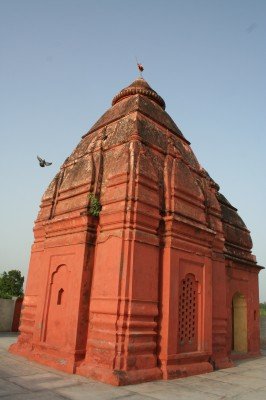
Badi Jhaal
Some quick example text to build on the card title and make up the bulk of the card's content.
Go somewhere
Bhai Dharam Singh Gurudwara
Some quick example text to build on the card title and make up the bulk of the card's content.
Go somewhere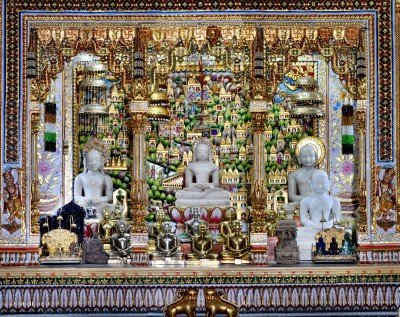
Digambar Jain Bada Mandir
Some quick example text to build on the card title and make up the bulk of the card's content.
Go somewhere
Garhmukteshwar
Some quick example text to build on the card title and make up the bulk of the card's content.
Go somewhere
Hastinapur
Some quick example text to build on the card title and make up the bulk of the card's content.
Go somewhere
Hastinapur Wildlife Sanctuary
Some quick example text to build on the card title and make up the bulk of the card's content.
Go somewhere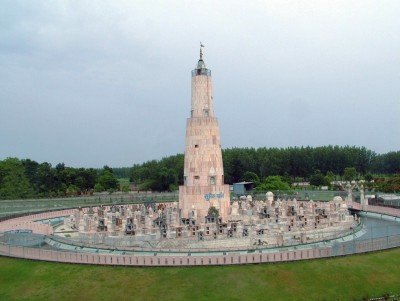
Jambudweep Jain Tirth
Some quick example text to build on the card title and make up the bulk of the card's content.
Go somewhere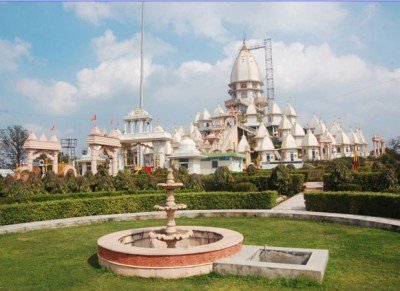
Kailash Parvat Rachna
Some quick example text to build on the card title and make up the bulk of the card's content.
Go somewhere
Karn Temple
Some quick example text to build on the card title and make up the bulk of the card's content.
Go somewhere
Lotus Temple
Some quick example text to build on the card title and make up the bulk of the card's content.
Go somewhere
Pandeshwar Temple
Some quick example text to build on the card title and make up the bulk of the card's content.
Go somewhere
Parikshitgarh Fort
Some quick example text to build on the card title and make up the bulk of the card's content.
Go somewhere
Rathi Bhawan
Some quick example text to build on the card title and make up the bulk of the card's content.
Go somewhere
Shri Digambar Jain Prachin Bada Mandir
Some quick example text to build on the card title and make up the bulk of the card's content.
Go somewhere
Vidur Ka Tila
Some quick example text to build on the card title and make up the bulk of the card's content.
Go somewherein Other Cities