

Shyamsundar Tilla
General information
-
Ideal Duration:
1. 5 to 2 HoursPlace Type:
Archaeological / Religious SiteEntry Fees:
Standard ASI Fees: Entry is usually free for general visitors, but a nominal fee of 10 to 20 Rupees may be charged for maintaining the site. Foreign tourists might have to pay a slightly higher fee as per ASI norms.
Camera Charges: While mo...Standard ASI Fees: Entry is usually free for general visitors, but a nominal fee of 10 to 20 Rupees may be charged for maintaining the site. Foreign tourists might have to pay a slightly higher fee as per ASI norms.
Camera Charges: While mobile photography is free, professional video cameras might require a fee of around 25 to 50 Rupees. It is best to check with the local caretaker for current rates.Timing:
Regular Timings: The site is open daily from 9:00 AM to 5:00 PM. It remains closed on certain national holidays and during heavy maintenance work.
Ideal Visit Time: The best time to visit is between 9:00 AM and 11:00 AM when the sunlight is...Regular Timings: The site is open daily from 9:00 AM to 5:00 PM. It remains closed on certain national holidays and during heavy maintenance work.
Ideal Visit Time: The best time to visit is between 9:00 AM and 11:00 AM when the sunlight is soft and the temperature is pleasant. Avoid the midday sun as the open site can get quite hot.Special Events:
The Pilak Festival: Held annually in December, this festival celebrates the archaeological heritage of the region with folk dances and music. It is the best time to see the site come alive with cultural energy. ...The Pilak Festival: Held annually in December, this festival celebrates the archaeological heritage of the region with folk dances and music. It is the best time to see the site come alive with cultural energy.Best Photo Spots:
The Stupa Facade: The best spot is the southern entrance where the brickwork is most intact. The perspective of the cruciform plan looks stunning from a wide-angle lens.
Terracotta Close-ups: Use a macro lens to capture the expressions on t...The Stupa Facade: The best spot is the southern entrance where the brickwork is most intact. The perspective of the cruciform plan looks stunning from a wide-angle lens.
Terracotta Close-ups: Use a macro lens to capture the expressions on the faces of the figures in the terracotta plaques. The textures of the aged brick are perfect for detailed photography.
Wide Landscape View: Walk to a nearby elevation to get a panoramic shot of the entire mound surrounded by the green forest. The contrast between the red earth and the sky is breathtaking.Photo Gallery
Things To Do
-
Explore the Ruins: Spend time walking around the massive stupa and observing the brickwork. It is an excellent place for mindful walking and historical reflection.
Photography: Capture the detailed terracotta plaques and the overall scale of the excavation. The red bricks provide a striking contrast against the green hills.
Learn History: Read the informational boards provided by the ASI to understand the timeline of the site. It is a great place for educational tourism.
Picnicking: Enjoy a quiet lunch in the designated green areas near the site while soaking in the ancient atmosphere.
Meditation: The peaceful ruins offer a perfect setting for a few minutes of silent meditation or prayer.
Bird Wat...Explore the Ruins: Spend time walking around the massive stupa and observing the brickwork. It is an excellent place for mindful walking and historical reflection.
Photography: Capture the detailed terracotta plaques and the overall scale of the excavation. The red bricks provide a striking contrast against the green hills.
Learn History: Read the informational boards provided by the ASI to understand the timeline of the site. It is a great place for educational tourism.
Picnicking: Enjoy a quiet lunch in the designated green areas near the site while soaking in the ancient atmosphere.
Meditation: The peaceful ruins offer a perfect setting for a few minutes of silent meditation or prayer.
Bird Watching: The surrounding trees are home to many local bird species, making it a treat for nature lovers.
Souvenir Hunting: Visit local stalls in Jolaibari to find replicas of the terracotta art found at the site.
Information
-
Why Famous:
The Buddhist Heartland: Shyamsundar Tilla is famous for its extensive collection of terracotta plaques that rival those found in Paharpur and Mainamati. It is the largest excavated Buddhist complex in Tripura, making it a primary destination for researchers.The Buddhist Heartland: Shyamsundar Tilla is famous for its extensive collection of terracotta plaques that rival those found in Paharpur and Mainamati. It is the largest excavated Buddhist complex in Tripura, making it a primary destination for researchers.
Spiritual Magnet: The site is celebrated for its peaceful atmosphere and its role in proving the historic spread of Buddhism in the Northeast. It is a landmark of the Pilak archaeological circuit known globally. -
Architecture:
Cruciform Stupa Design: The central structure is a massive brick-built stupa following a Cruciform plan in the Pancharatha order, measuring approximately 34. 50 Meters across the medhi. The basement walls are adorned with beautiful terracotta plaques depicting Buddha in var...Cruciform Stupa Design: The central structure is a massive brick-built stupa following a Cruciform plan in the Pancharatha order, measuring approximately 34. 50 Meters across the medhi. The basement walls are adorned with beautiful terracotta plaques depicting Buddha in various mudras and scenes from daily life.
Brick Masonry: The construction utilizes burnt bricks of various sizes, including 34x20x7 Cm, laid precisely in mud mortar with an English bond pattern. The surrounding pradakshina-patha (circumambulatory path) is 3. 60 Meters wide, allowing for ritual walks. -
How To Reach:
By Air: The nearest airport is Maharaja Bir Bikram Airport in Agartala, about 100 Kms away. From there, you can hire a taxi or take a bus to Jolaibari.
By Train: The nearest railway station is Belonia, located about 20 Kms from the site. R...By Air: The nearest airport is Maharaja Bir Bikram Airport in Agartala, about 100 Kms away. From there, you can hire a taxi or take a bus to Jolaibari.
By Train: The nearest railway station is Belonia, located about 20 Kms from the site. Regular trains connect Agartala to Belonia, and from there, local autos are available.
By Road: Jolaibari is well-connected by the national highway. You can take a private bus from the Nagerjala bus stand in Agartala which takes about 3 hours.
By Local Transport: Once in Jolaibari, cycle rickshaws and battery-operated e-rickshaws are the best way to reach the specific excavation mounds. The roads are narrow but well-paved for small vehicles. -
Weather and Best Time to Visit:
Winter Season: October to February is the most comfortable time as the weather is cool and dry. This allows for long hours of outdoor exploration without getting tired.
Monsoon Charm: During July to September, the landscape turns incredibly...Winter Season: October to February is the most comfortable time as the weather is cool and dry. This allows for long hours of outdoor exploration without getting tired.
Monsoon Charm: During July to September, the landscape turns incredibly green. While it might rain, the ruins look majestic washed by the monsoon showers.
Summer Morning: If visiting in summer, stick to the very early morning hours. The breeze in the early hours makes the heat bearable for a quick tour. -
Near Tourist Places:
1. Thakurani Tilla (1 Km), 2. Vasudev-badi (0. 5 Km), 3. Deb Bari (2 Kms), 4. Balir Pathar (3 Kms), 5. Sagar Deba (4 Kms), 6. Trishna Wildlife Sanctuary (25 Kms), 7. Udaipur Matabari (55 Kms), 8. Neermahal (70 Kms), 9. Chabimura (65 Kms), 10. Sabroom (35 Kms).
Tourism Tips
-
Health & Safety: Carry a bottle of water and wear a hat, as the excavation sites have limited shade. Be careful while walking on the uneven brick surfaces to avoid trips.
Packing: Wear comfortable walking shoes with good grip. Light cotton...Health & Safety: Carry a bottle of water and wear a hat, as the excavation sites have limited shade. Be careful while walking on the uneven brick surfaces to avoid trips.
Packing: Wear comfortable walking shoes with good grip. Light cotton clothing is best for the tropical climate of Tripura, even in the winter months.
Accommodation: Stay in Agartala or Udaipur for better hotel options, or look for government guest houses in Santirbazar for a more local experience.
Cash & Connectivity: Keep enough cash as small vendors and rickshaws do not accept cards. Mobile signals are generally good, but Wi-Fi is rarely available at the site.
Respect the Ruins: Do not touch or climb on the ancient brick walls. These structures are fragile and need to be preserved for future generations.
Reviews
FAQs
Jolaibari Itineray And Cost:-
Shyamsundar Tilla Tourism:-
Other Places In Jolaibari :-
Other States In India :-
Information about New and Updated Locations() of Tripura Has Been Added :-
Card subtitle
Note:-
Information provided here in good Faith and for reference only.
Near Places

Chabimura Cave Carvings
Some quick example text to build on the card title and make up the bulk of the card's content.
Go somewhere
Dumbur Hanging Bridge
Some quick example text to build on the card title and make up the bulk of the card's content.
Go somewhere
Enviro Green Camping Site
Some quick example text to build on the card title and make up the bulk of the card's content.
Go somewhere
Gomati River View
Some quick example text to build on the card title and make up the bulk of the card's content.
Go somewhere
Gumti Wildlife Sanctuary
Some quick example text to build on the card title and make up the bulk of the card's content.
Go somewhere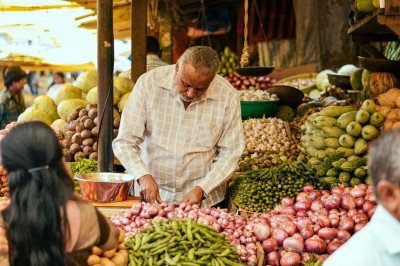
Jolaibari Local Market
Some quick example text to build on the card title and make up the bulk of the card's content.
Go somewhere
Kalapania Nature Park
Some quick example text to build on the card title and make up the bulk of the card's content.
Go somewhere
Kunjabati Village
Some quick example text to build on the card title and make up the bulk of the card's content.
Go somewhere
M.A.K. Waterfall
Some quick example text to build on the card title and make up the bulk of the card's content.
Go somewhere
Manughat Bridge
Some quick example text to build on the card title and make up the bulk of the card's content.
Go somewhere
Mountain View
Some quick example text to build on the card title and make up the bulk of the card's content.
Go somewhere
Naithau Moing Tila View Point
Some quick example text to build on the card title and make up the bulk of the card's content.
Go somewhere
Nauka Ghat
Some quick example text to build on the card title and make up the bulk of the card's content.
Go somewhere
Pilak Archaeological Sites
Some quick example text to build on the card title and make up the bulk of the card's content.
Go somewhere
Pilak Cultural Centre
Some quick example text to build on the card title and make up the bulk of the card's content.
Go somewhere
Shyamsundar Tilla
Some quick example text to build on the card title and make up the bulk of the card's content.
Go somewherein Other Cities