
Thirukutralanathar Temple
General information
-
Ideal Duration:
1-2 Hours (For Worship, Chitra Sabha, and Exploration):Place Type:
Ancient Temple & Heritage Site:Entry Fees:
Temple Darshan Entry:
Zero (Free Access): Entry to the Thirukutralanathar Temple for a basic darshan (viewing the deity) is completely free for all visitors. This includes access to the main shrine and surrounding corridors.Temple Darshan Entry:
Zero (Free Access): Entry to the Thirukutralanathar Temple for a basic darshan (viewing the deity) is completely free for all visitors. This includes access to the main shrine and surrounding corridors.
Special Pooja and Abhishekam Fees: Devotees can pay for special, personalized religious services like archana (Rs.10-Rs.50), special Abhishekams (Rs.100-Rs.500), and participation in specific rituals. Fees for major Abhishekams like the one with 64 herbs may be higher.
Festival Pass Fees: During major festivals like Chithirai Vishu Thirunal, the temple may offer paid passes for queue jump or special seating to manage the massive crowds, which is an optional fee for convenience.
Photography Restrictions: There are often signs prohibiting photography in the inner sanctums, and a fee may be charged for carrying cameras into the general temple premises, though this is not strictly enforced. Budgeting for special offerings and voluntary donations is recommended.Timing:
Regular Operating Hours: 6:00 AM to 12:00 PM and 4:30 PM to 8:
00 PM: The temple operates on two fixed daily schedules, with a mandatory break for closing in the afternoon. Devotees should plan their visit within these hours to receive darsha...Regular Operating Hours: 6:00 AM to 12:00 PM and 4:30 PM to 8:
00 PM: The temple operates on two fixed daily schedules, with a mandatory break for closing in the afternoon. Devotees should plan their visit within these hours to receive darshan (viewing the deity) and participate in the rituals.
Ideal Visit Time:
Early Morning and Pooja Timings: The most ideal time for a spiritual experience is during the main Pooja timings: Thiruvananthal (6:00 AM), Utchi Kalam (12:00 Noon), Sayaratchai (6:00 PM), and Arthasamam (8:00 PM). Visiting in the early morning (6:00 AM to 8:00 AM) is best for avoiding crowds and combining with the Main Falls bath.
Festival Timings: During the major 10-day festivals (Chithirai, Aippasi, Margazhi Vishu Thirunal), the timings may be extended, and special early-morning rituals are performed, but this also means higher crowds.
Visiting the Chitra Sabha: The Chitra Sabha usually adheres to the main temple timings, so ensure you visit during the open hours to admire the paintings.Special Events:
Chithrai Vishu Thirunal: This is one of the grandest 10-day festivals in Courtallam, held in the Tamil month of Chithirai (April-May). It is marked by the procession of five decorated Temple Cars (Rathams), religious discourses, and special Abhishekams, attracting devotees ...Chithrai Vishu Thirunal: This is one of the grandest 10-day festivals in Courtallam, held in the Tamil month of Chithirai (April-May). It is marked by the procession of five decorated Temple Cars (Rathams), religious discourses, and special Abhishekams, attracting devotees from all over Tamil Nadu and Kerala.
Margazhi Thiruvathirai Thirunal: Another major 10-day festival celebrated in the month of Margazhi (December-January), focusing on Lord Nataraja. It involves special rituals in the Chitra Sabha and is of great significance to Shaivites.
Aippasi Vishu Thirunal: A third 10-day festival celebrated in the Tamil month of Aippasi (October-November). All three Vishu festivals are essential annual highlights.
Navarathri and Kandha Shasti: The nine-day Navarathri festival and the six-day Kandha Shasti festival are celebrated with special decorations and elaborate worship of the Goddess Kuzhalvaimozhi Amman, attracting Shakti devotees.Best Photo Spots:
The Chitra Sabha Architecture: The most unique photo spot is the entrance and the interiors (where allowed) of the copper-roofed Chitra Sabha, focusing on the exquisite, ancient herbal paintings of Lord Nataraja.
The Main Gopuram and Temple Tank...The Chitra Sabha Architecture: The most unique photo spot is the entrance and the interiors (where allowed) of the copper-roofed Chitra Sabha, focusing on the exquisite, ancient herbal paintings of Lord Nataraja.
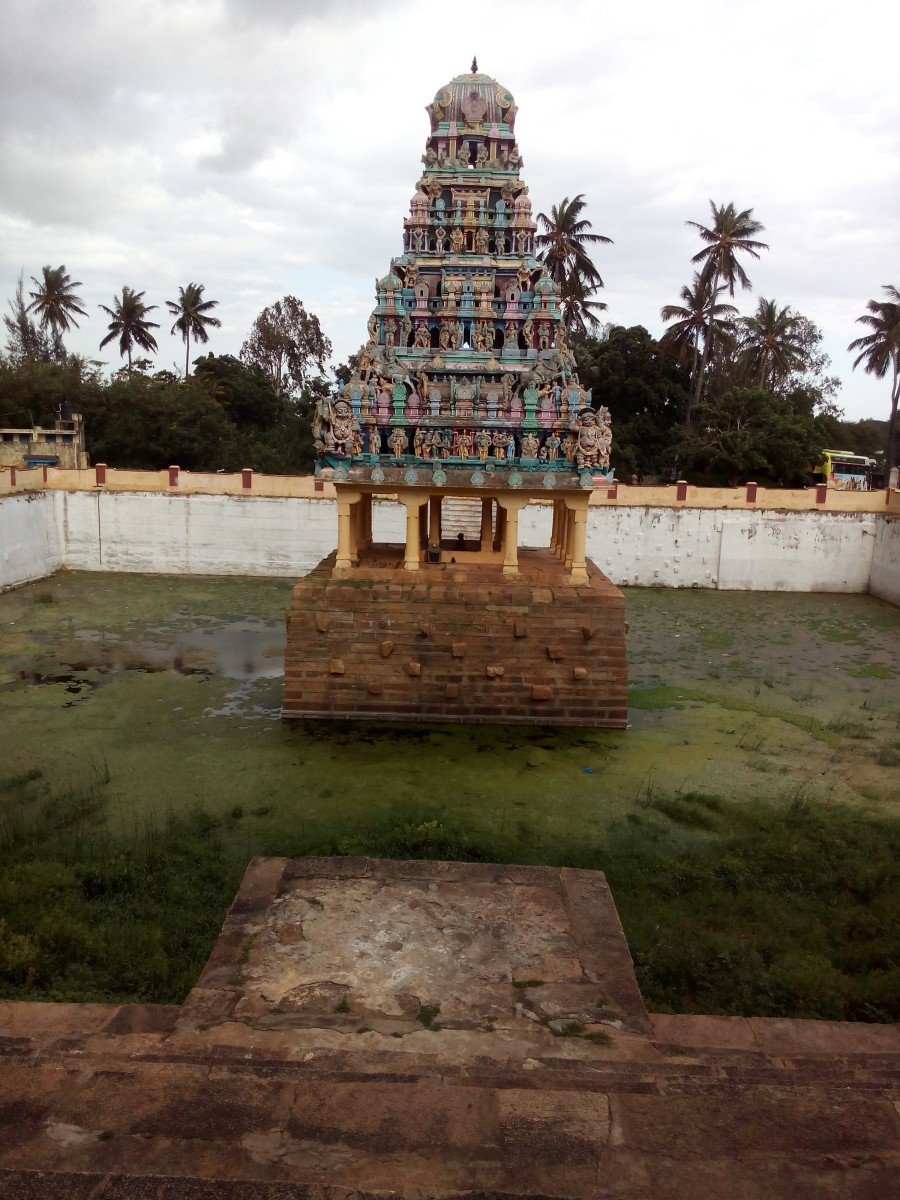
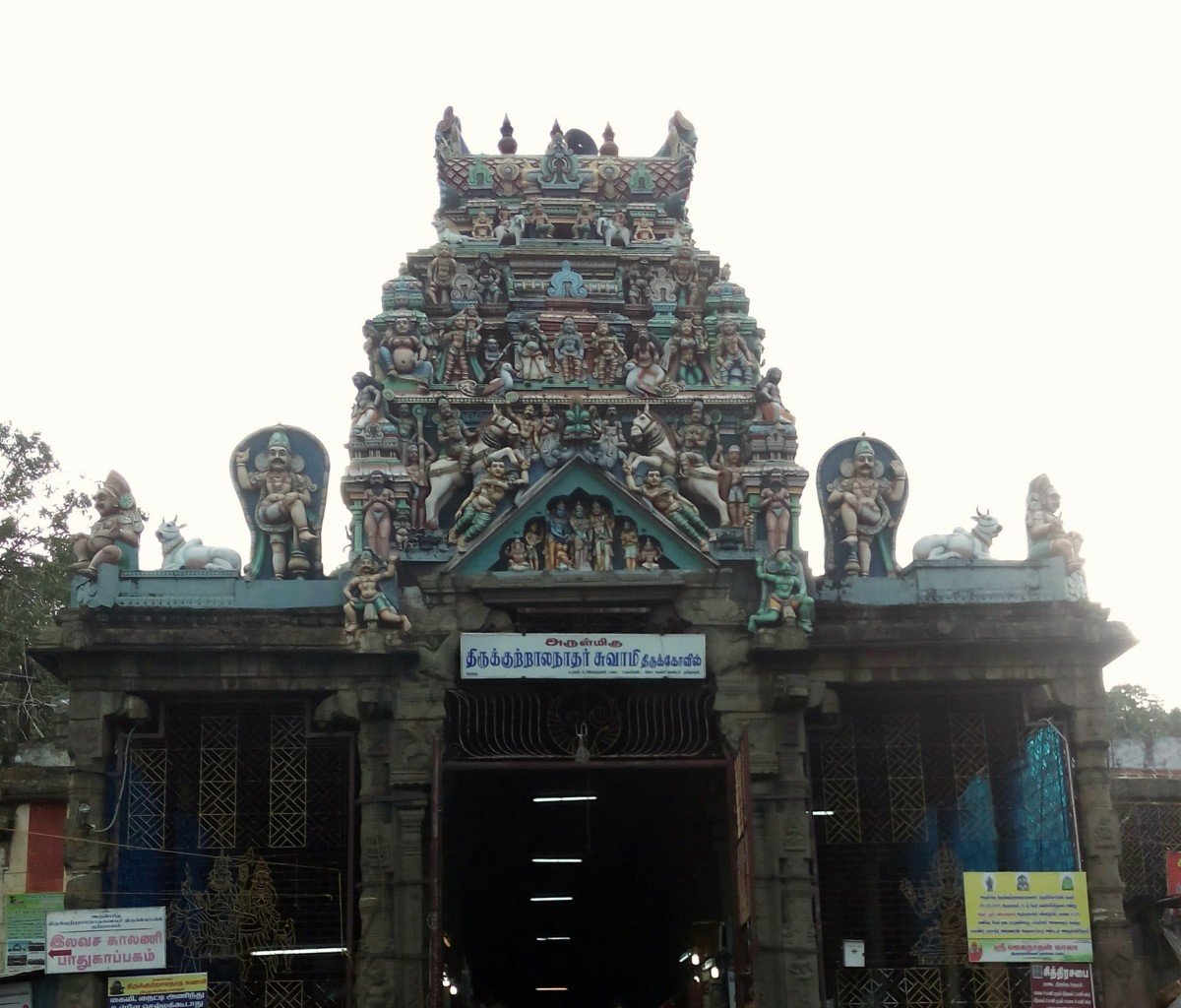
The Main Gopuram and Temple Tank: Capture the sheer height and intricate sculpture work of the main tower (Raja Gopuram) of the Dravidian temple, framed against the temple tank (Theertham) if the water level is good.
The Vaishnavite to Shaivite Markers: Look for unique architectural details like the conch-shell shaped plan and the subtle differences in the Dwarapalakas' postures, which tell the story of the temple's transformation, providing fascinating detail shots.
The Five Temple Cars: If visiting during a major festival (Chithirai or Margazhi Vishu Thirunal), capturing the fully decorated five Temple Cars during the procession is an unmissable, vibrant photo opportunity.
The Manakola Nathar Shrine Detail: Take a respectful close-up of the beautiful wedding pose sculpture of Manakola Nathar and the accompanying deities in the inner corridor, a key spiritual photo point.
Ancient Inscriptions Close-up: Focus your camera on the ancient Chola and Pandya inscriptions on the temple walls, documenting the historical heritage of the site.Photo Gallery

Things To Do
-
Worship and Abhishekam: Participate in the Ettu Kala Pooja (eight times a day), particularly the noon (Utchi Kalam) or evening (Sayaratchai) worship. Witness the unique Abhishekam (sacred bathing) of Lord Kutralanathar with 64 herbs every evening, an essential ritual to experience.
Explore the Chitra Sabha: Spend dedicated time in the copper-roofed Chitra Sabha to meticulously examine the rare herbal-painted frescoes of Lord Nataraja. This is a major cultural activity, appreciating one of the five Sabhas of Shiva's cosmic dance.
Search for Historical Markers: Look for the nearly 89 inscriptions on the temple walls, which date back to the Chola and Pandya dynasties, providing a historical treasure hunt. Consult a local expert or guide to understand the significance of these historical records. ...Worship and Abhishekam: Participate in the Ettu Kala Pooja (eight times a day), particularly the noon (Utchi Kalam) or evening (Sayaratchai) worship. Witness the unique Abhishekam (sacred bathing) of Lord Kutralanathar with 64 herbs every evening, an essential ritual to experience.
Explore the Chitra Sabha: Spend dedicated time in the copper-roofed Chitra Sabha to meticulously examine the rare herbal-painted frescoes of Lord Nataraja. This is a major cultural activity, appreciating one of the five Sabhas of Shiva's cosmic dance.
Search for Historical Markers: Look for the nearly 89 inscriptions on the temple walls, which date back to the Chola and Pandya dynasties, providing a historical treasure hunt. Consult a local expert or guide to understand the significance of these historical records.
Pray for Marriage Boons: Visit the shrine of Manakola Nathar (Lord Shiva in wedding attire) and pray for a spouse or a blissful married life, a special ritual for devotees.
Admire Dravidian Architecture: Study the temple's unique conch-shell shaped plan and the intricate carvings on the gopurams and pillars, which exemplify classic Dravidian architecture. Look for the distinct designs of the Dwarapalakas (guardians).
Collect Herbal Prasadam: Attempt to receive the special medicinal herbal concoction offered as Prasadam after the night Pooja, a unique healing benefit of visiting the temple.
Attend Temple Festivals: Plan your visit around major festivals like Chithrai Vishu Thirunal (April-May) or Margazhi Thiruvathirai Thirunal (December-January), which are celebrated over 10 days with great fervor, involving the procession of the five temple cars (Vinayagar Car, Murugar Car, etc. ).
Information
-
Why Famous:
Vaishnavite to Shaivite Transformation: The temple is famous for the unique Puranic legend of Sage Agasthiar converting a Lord Vishnu shrine into a Lord Shiva shrine by shrinking the deity, a story that defines its architectural and religious identity.
Read MoreVaishnavite to Shaivite Transformation: The temple is famous for the unique Puranic legend of Sage Agasthiar converting a Lord Vishnu shrine into a Lord Shiva shrine by shrinking the deity, a story that defines its architectural and religious identity.
The Chitra Sabha: It is one of the five Sabhas in India where Lord Nataraja is believed to have danced, with the image depicted as a rare herbal painting in the adjacent copper-roofed hall, making it a sacred art and architectural marvel.
Dharani Parasakthi Peeta: The Goddess shrine (Kuzhalvaimozhi Amman) is revered as one of the Shakti Peetas, the Dharani Peeta (Earth Peeta), granting the temple immense spiritual power and making it a key pilgrimage site for Shakti devotees.
Ancient Inscriptions and Literature: Its fame is sealed by the presence of nearly 89 inscriptions from the Chola and Pandya dynasties, and mentions in ancient Tamil literature like Thevaram, confirming its age and historical importance.Architecture:
Conch-Shaped Dravidian Plan: The temple, originally a Vaishnavite shrine, retains its unique conch-shell shape (Sangu), a significant architectural dimension symbolic of its conversion. The structure reflects classic Dravidian architecture, featuring towering gopurams (towe...Conch-Shaped Dravidian Plan: The temple, originally a Vaishnavite shrine, retains its unique conch-shell shape (Sangu), a significant architectural dimension symbolic of its conversion. The structure reflects classic Dravidian architecture, featuring towering gopurams (towers), granite walls, and sculpted pillars.
The Chitra Sabha (Hall of Paintings): This is a separate, adjacent hall made of copper plates, one of the five Sabhas of Lord Nataraja. It houses rare, exquisite paintings created using herbal dyes, depicting the divine dance of Lord Shiva (Thirupura Thandava Murthi) and various miracles (Tiruvilayadal), and is a unique architectural dimension.
Five Entrances and Panchabhoota Lingas: The temple has five entrances, symbolizing the four Vedas and a special path for King Pilavendhan. It houses all five Panchabhoota Lingas (representing water, earth, fire, vayu, space) in one complex.How To Reach:
By Air (Nearest Airports): The temple is located right next to the Main Falls in the heart of Courtallam. The journey starts by reaching Courtallam from Madurai International Airport (IXM, 155 KM) or Thoothukudi Airport (TCR, 120 KM) via a pre-booked taxi or bus service.By Air (Nearest Airports): The temple is located right next to the Main Falls in the heart of Courtallam. The journey starts by reaching Courtallam from Madurai International Airport (IXM, 155 KM) or Thoothukudi Airport (TCR, 120 KM) via a pre-booked taxi or bus service.
By Train (Nearest Railway Stations): The most convenient station is Tenkasi Junction (TSI, 5-6 KM), from which the temple is a short 15-20 minute auto-rickshaw ride. The major junction is Tirunelveli Junction (TEN, 58 KM), from where frequent direct buses to Courtallam are available, dropping you within walking distance of the temple.
By Road (Bus and Private Vehicle): The temple is very centrally located. The Courtallam Bus Stand is less than 1 KM away. If traveling by private vehicle, drive to the Main Falls area; ample parking is available near the falls and the temple complex. The town is directly connected to NH744 via Tenkasi.
By Local Transport (Within Courtallam): Since it is adjacent to the Main Falls, the temple is best reached on foot from the bus stand and nearby accommodations. Local auto-rickshaws are available for quick transit from any other part of Courtallam or nearby falls. The walk from the Main Falls bathing area is only a couple of minutes.Weather and Best Time to Visit:
Monsoon Season (June to September): The temple sees its highest flow of pilgrims during this season as it is adjacent to the overflowing Main Falls. This is the Best Time for Spiritual Energy, but expect very long queues and heavy crowds, making darshan challenging.Monsoon Season (June to September): The temple sees its highest flow of pilgrims during this season as it is adjacent to the overflowing Main Falls. This is the Best Time for Spiritual Energy, but expect very long queues and heavy crowds, making darshan challenging.
Festival Seasons (Chithirai, Aippasi, Margazhi): The Ideal Time for Cultural Immersion is during the major 10-day festivals in April-May, October-November, and December-January. The temple is at its most vibrant with special ceremonies, decorations, and processions.
Post-Monsoon/Winter Season (October to February): This is the Best Time for Tranquil Worship. The weather is cool, and the crowds are significantly reduced compared to the main monsoon, allowing devotees a peaceful and unhurried experience of the temple's architecture and rituals.
Best Part of the Day:
Morning and Evening Pooja Timings: The most significant times are during the main Pooja rituals: Thiruvananthal (6:00 AM), Utchi Kalam (12:00 Noon), Sayaratchai (6:00 PM), and Arthasamam (8:00 PM). Arrive early (6:00 AM) to combine the visit with a bath in the Main Falls.Near Tourist Places:
Main Falls (Peraruvi): 0.
1 KM:
Chitra Sabha:
Adjacent:
Small Falls (Chitraruvi):
1 KM:
Five Falls (Aintharuvi):
4 KM:
Tiger Falls (Puli Aruvi):
2 KM:
Old Courtallam Falls:
8 KM:
Courtallam Eco Park:
4 KM:
Tenkasi Junction:
5 KM:
Kasi Viswanathar Temple, Tenkasi:
6 KM:
Achan Kovil Temple (Kerala):
70 KM:Tourism Tips
-
Health & Safety:
Dress Code and Slippery Floors:
Follow the traditional Hindu temple dress code: generally, no shorts or revealing attire (men may need to remove their shirt in the sanctum). The stone floors ...Health & Safety:
Dress Code and Slippery Floors:
Follow the traditional Hindu temple dress code: generally, no shorts or revealing attire (men may need to remove their shirt in the sanctum). The stone floors can be slippery after rain or during the festival Abhishekams. Maintain silence and respect the ongoing rituals.
Packing Essentials:
No Cameras in Sanctum and Pooja Items: Be prepared to leave cameras and mobile phones outside or check them into a locker, as they are often restricted, especially in the inner sanctum and the Chitra Sabha. Carry small change for offerings and the purchase of Pooja items.
Accommodation & Planning:
Check Temple Timings: The most vital tip is to check and adhere strictly to the temple's two-part timing (6:00 AM-12:00 PM and 4:30 PM-8:00 PM). Plan your day to avoid the afternoon closure. The temple is easily accessible on foot from all Courtallam accommodations near the Main Falls.
Other Tips:
Seek Out the Hidden Gems: Don't just do the quick darshan. Spend time exploring the Chitra Sabha, the outer corridors for the inscriptions, and the Manakola Nathar shrine, which are the true architectural and spiritual highlights of the temple.
Reviews
FAQs
Courtallam Itineray And Cost:-
Thirukutralanathar Temple Tourism:-
Other Places In Courtallam :-
Other States In India :-
Information about New and Updated Locations() of Tamil Nadu Has Been Added :-
Card subtitle
Note:-
Information provided here in good Faith and for reference only.
Near Places

Adavi Nainar Dam
Some quick example text to build on the card title and make up the bulk of the card's content.
Go somewhere
Boat Club
Some quick example text to build on the card title and make up the bulk of the card's content.
Go somewhere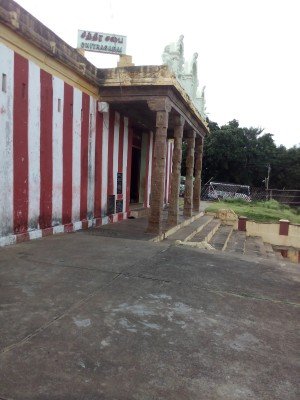
Chithira Sabai Temple
Some quick example text to build on the card title and make up the bulk of the card's content.
Go somewhere
Chitra Sabai
Some quick example text to build on the card title and make up the bulk of the card's content.
Go somewhere
Chitraruvi Falls
Some quick example text to build on the card title and make up the bulk of the card's content.
Go somewhere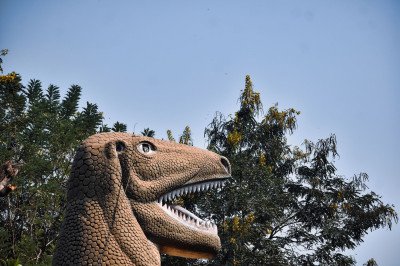
Courtallam Eco Park
Some quick example text to build on the card title and make up the bulk of the card's content.
Go somewhere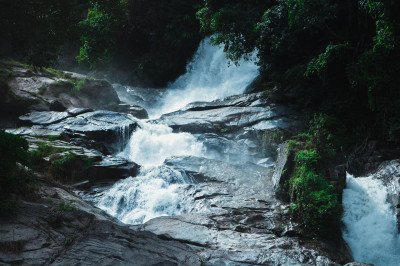
Courtallam Falls
Some quick example text to build on the card title and make up the bulk of the card's content.
Go somewhere
Courtallam Five Falls
Some quick example text to build on the card title and make up the bulk of the card's content.
Go somewhere
Courtallam Main Falls
Some quick example text to build on the card title and make up the bulk of the card's content.
Go somewhere
Government Horticulture Park
Some quick example text to build on the card title and make up the bulk of the card's content.
Go somewhere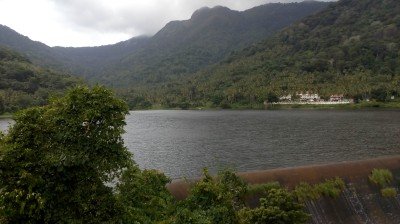
Gundar Dam
Some quick example text to build on the card title and make up the bulk of the card's content.
Go somewhere
Kadayanallur
Some quick example text to build on the card title and make up the bulk of the card's content.
Go somewhere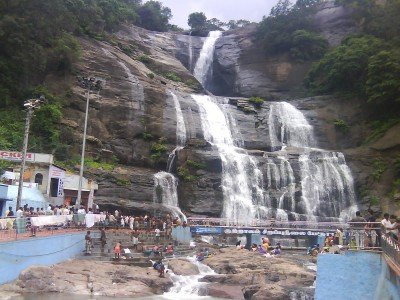
Main Falls
Some quick example text to build on the card title and make up the bulk of the card's content.
Go somewhere
Manimuthar Falls
Some quick example text to build on the card title and make up the bulk of the card's content.
Go somewhere
Old Courtallam Falls
Some quick example text to build on the card title and make up the bulk of the card's content.
Go somewhere
Old Courtallam Waterfalls
Some quick example text to build on the card title and make up the bulk of the card's content.
Go somewherein Other Cities