Virasat-e-Khalsa
General information
-
Ideal Duration:
3 to 4 hoursPlace Type:
Museum, Educational, Architectural MarvelEntry Fees:
Standard Entry Fee: There is a nominal entry fee for Indian and foreign visitors, which is subject to change. It is advisable to check the official website or ticket counter for the most current price.
Photography/Camera Fees: Usually, ther...Standard Entry Fee: There is a nominal entry fee for Indian and foreign visitors, which is subject to change. It is advisable to check the official website or ticket counter for the most current price.
Photography/Camera Fees: Usually, there are no additional fees for carrying a still camera, but check if professional or video cameras require a special permit or a higher charge.
Guided Tour/Audio Guide Fees: There is generally a separate, nominal fee for renting the audio guide device, which is highly recommended for an immersive experience.
No Fee Days: The museum may offer free entry on certain public holidays or commemorative dates, which is worth checking beforehand to plan a budget-friendly visit.Timing:
Regular Timings: Generally open from 10:00 AM to 4:30 PM (Tuesday to Sunday), remaining closed on Mondays and on some public holidays. It is crucial to check the official website for the latest timings before a visit.
Ideal Visit Time: Star...Regular Timings: Generally open from 10:00 AM to 4:30 PM (Tuesday to Sunday), remaining closed on Mondays and on some public holidays. It is crucial to check the official website for the latest timings before a visit.
Ideal Visit Time: Start your visit right at the opening time (10:00 AM) to allow maximum time for a leisurely exploration (at least 3-4 hours) of the extensive exhibits without feeling rushed before closing.
Peak Hours: Weekends and public holidays are the busiest. Mid-week (Tuesday to Thursday) is the best time for a less crowded, more relaxed experience, allowing better access to the interactive displays.
Lighting Time: Late afternoon is perfect for witnessing the building's exterior in the golden hour, while morning offers the best soft light for viewing the internal galleries.Special Events:
Special Exhibitions: The museum periodically hosts temporary special exhibitions related to Sikh art, history, and culture, so check the official website for current offerings before your visit.
Anniversary of the Khalsa: Special commemorati...Special Exhibitions: The museum periodically hosts temporary special exhibitions related to Sikh art, history, and culture, so check the official website for current offerings before your visit.
Anniversary of the Khalsa: Special commemorative events and seminars are often held in the April month around the Vaisakhi festival to celebrate the foundation of the Khalsa, drawing significant academic and public interest.
Educational Programs: The museum regularly hosts workshops, lectures, and educational programs for students and the general public aimed at promoting understanding of Sikhism and Punjabi culture, which are valuable to attend.Best Photo Spots:
The Five Towers Reflected: The iconic shot is capturing the five crescent-shaped towers mirrored perfectly in the large reflection pool, especially at dawn or dusk, creating a stunning symmetrical image.
The Connecting Bridge: The pedestrian...The Five Towers Reflected: The iconic shot is capturing the five crescent-shaped towers mirrored perfectly in the large reflection pool, especially at dawn or dusk, creating a stunning symmetrical image.
The Connecting Bridge: The pedestrian bridge itself is an architectural photo spot, capturing its sweeping lines against the backdrop of the Shivalik Hills and the town below.
Internal Light Wells: Inside the museum, the way natural light is channeled through the roof into certain display areas creates dramatic lighting effects for artistic photography of the interiors and exhibits.
The Sandstone Facade Texture: Close-up shots of the Ropar sandstone facade, highlighting its texture and the contrasting geometric lines of the modern design, showcase the material and construction.
Panoramic View from the Hilltop: A shot from a slightly higher vantage point nearby (outside the museum) that captures the entire sprawling complex and its harmonious integration into the landscape.
The Grand Entrance: Capturing the wide, open approach and the massive scale of the main entrance to convey the imposing nature of the monument. (Approx. )Photo Gallery
Things To Do
-
Engage with Interactive Exhibits: Spend time using the high-tech, touch-screen displays and multimedia installations to fully grasp the historical narratives and details of Sikh life.
Take a Guided Tour: Opt for the audio guide or a guided tour to gain deeper insights into the stories and artifacts, enriching the informational value of your visit.
Reflect at the Water Body: Sit by the large reflection pools, absorbing the serenity and the visual splendor of the architecture mirrored in the water, offering a peaceful break.
Study the Architecture: Dedicate time to appreciating the unique design of the building, observing how the five crescent-shaped towers interact with the light and landscape.
Photography: Capture the dynamic ext...Engage with Interactive Exhibits: Spend time using the high-tech, touch-screen displays and multimedia installations to fully grasp the historical narratives and details of Sikh life.
Take a Guided Tour: Opt for the audio guide or a guided tour to gain deeper insights into the stories and artifacts, enriching the informational value of your visit.
Reflect at the Water Body: Sit by the large reflection pools, absorbing the serenity and the visual splendor of the architecture mirrored in the water, offering a peaceful break.
Study the Architecture: Dedicate time to appreciating the unique design of the building, observing how the five crescent-shaped towers interact with the light and landscape.
Photography: Capture the dynamic external structure, the bridge, and the pools. The modern, geometric design makes for excellent photographic compositions.
Visit the Library: Explore the reading materials and historical documents in the on-site library for scholarly insight into Sikhism and Punjabi history.
Walk the Entire Complex: Take a complete circuit of the site, including the Eastern and Western wings, to experience the full scale of the architectural design and the complete historical timeline.
Attend a Documentary Viewing: Check for timings of any short films or documentaries played in the auditorium, often providing a concise and visual summary of the history.
Observe the Hand-Painted Murals: Look closely at the detailed hand-painted murals that depict significant scenes from the lives of the Gurus and Sikh history, demonstrating exquisite local artistry.
Spend Time on the Bridge: The connecting bridge is a destination in itself—walk it slowly, take in the views, and feel the structural connection between the historical narrative (East Wing) and the future (West Wing).
Savour Local Snacks: Enjoy a break and some light refreshments at the cafeteria, often serving traditional Punjabi snacks and drinks.
Contemplate the Narrative Flow: Pay attention to the intentional flow of the exhibits, which is designed to take the visitor on a chronological and thematic journey through the Sikh faith.
Capture the Sunset: The complex is stunning at sunset when the sandstone takes on a warm, orange glow, providing a fantastic photo opportunity.
Information
-
Why Famous:
Modern Architectural Marvel: Its distinctive and award-winning architecture, designed by Moshe Safdie, has made it an internationally recognized landmark and a symbol of modern Indian design. The museum itself is a major draw for architecture enthusiasts globally.
<...Modern Architectural Marvel: Its distinctive and award-winning architecture, designed by Moshe Safdie, has made it an internationally recognized landmark and a symbol of modern Indian design. The museum itself is a major draw for architecture enthusiasts globally.
Comprehensive Sikh History Narrative: It is famous for its in-depth, interactive, and beautifully curated presentation of Sikh history, culture, and philosophy, making it an essential educational resource and historical monument for all.
Commemoration of the Khalsa: It was specifically established to commemorate the 300th anniversary of the creation of the Khalsa in 1999, solidifying its place as a key historical commemoration site in India. -
Architecture:
Design and Inspiration: Designed by Moshe Safdie, the architecture is a dramatic blend of regional materials (local sandstone) and futuristic design, inspired by the shape of the hands joined in prayer. The structure is composed of two distinct complexes: the Western and Ea...Design and Inspiration: Designed by Moshe Safdie, the architecture is a dramatic blend of regional materials (local sandstone) and futuristic design, inspired by the shape of the hands joined in prayer. The structure is composed of two distinct complexes: the Western and Eastern wings, separated by a ravine.
The Five Crescents and Dimensions: The Western complex features five crescent-shaped towers of increasing size that reference the Panj Pyare (Five Beloved Ones) and the five virtues of Sikhism. The overall complex spans over 23,225 square meters. The museum's towers are built from poured-in-place concrete and clad in local Ropar sandstone.
Reflection Pools and Natural Elements: A large, serene reflection pool surrounds the Western complex, enhancing its visual grandeur and evoking the sacred water bodies of traditional Gurdwara architecture. The complex harmoniously integrates with the natural ravine and the surrounding Shivalik Hills. The use of natural light and space creates a truly awe-inspiring and contemplative environment for visitors. -
How To Reach:
By Air: The closest airport is Chandigarh International Airport (IXC), about 90 KM away. From the airport, a taxi can be hired directly to the museum in Anandpur Sahib.
By Train: Anandpur Sahib Railway Station (ANSB) is the nearest station ...By Air: The closest airport is Chandigarh International Airport (IXC), about 90 KM away. From the airport, a taxi can be hired directly to the museum in Anandpur Sahib.
By Train: Anandpur Sahib Railway Station (ANSB) is the nearest station (Approx. 3 KM). The station is well-connected. Auto-rickshaws or cycle-rickshaws can take you from the station to the museum.
By Road: The museum is on the bypass road and is easily accessible by road. It is well-signposted from the main city center. State transport buses and private vehicles are the most common way to reach Anandpur Sahib from Chandigarh or Ropar.
By Local Transport: Local auto-rickshaws and taxis are easily available from the Anandpur Sahib bus stand or railway station to reach the museum. Walking is not recommended due to the distance from the city center and the highway location. -
Weather and Best Time to Visit:
Winter Season (October to March): The moderate temperatures make this the best time to visit, especially for the exterior architectural tour and walking between the two wings, avoiding the harsh summer heat.
Summer Season (April to June): No...Winter Season (October to March): The moderate temperatures make this the best time to visit, especially for the exterior architectural tour and walking between the two wings, avoiding the harsh summer heat.
Summer Season (April to June): Not recommended due to extreme heat, although the museum's interior is air-conditioned, making it a good escape from the sun during the hottest hours of the day.
Monsoon Season (July to September): The rain can make the exterior walk and the bridge crossing slightly less comfortable, but the lush green surroundings provide a beautiful backdrop to the sandstone architecture.
Different Parts of the Day: Morning is highly recommended to secure enough time for the full museum experience. Afternoon is quieter but gives less time before closing. -
Near Tourist Places:
Takht Sri Kesgarh Sahib (2 KM), Qila Anandgarh Sahib (3 KM), Gurudwara Sis Ganj Sahib (2. 5 KM), Bhakra Nangal Dam (45 KM), Naina Devi Temple (30 KM), Jhajjar Bachauli Wildlife Sanctuary (10 KM), Qila Fatehgarh Sahib (4 KM), Qila Lohgarh Sahib (4 KM), Ropar Wetlands (35 KM), Kiratpur Sahib (12 KM).
Tourism Tips
-
Health & safety: The museum requires a lot of walking; wear comfortable footwear. Do not touch the exhibits, and respect the no-photography signs in certain areas. Follow all instructions from the museum staff.
Packing: Carry your governm...Health & safety: The museum requires a lot of walking; wear comfortable footwear. Do not touch the exhibits, and respect the no-photography signs in certain areas. Follow all instructions from the museum staff.
Packing: Carry your government-issued ID for ticket purchase and reference. Bring a light jacket or shawl, as the air conditioning inside the galleries can be strong. Carry a camera for external shots and permitted internal areas.
Accommodation: Check-in at the Sarais near Takht Sri Kesgarh Sahib or nearby hotels in the town of Anandpur Sahib. Ropar (Rupnagar) also offers more accommodation options.
Other Different Topics heading: Allow at least 3-4 hours for a thorough visit. The cafeteria is good for a quick break. Purchase the audio guide for the best, most informative experience. Do not try to rush your visit, as the narrative is lengthy and detailed.
Reviews
FAQs
Anandpur Sahib Itineray And Cost:-
Virasat-e-Khalsa Tourism:-
Other Places In Anandpur Sahib :-
Other States In India :-
Information about New and Updated Locations() of Punjab Has Been Added :-
Card subtitle
Note:-
Information provided here in good Faith and for reference only.
Near Places
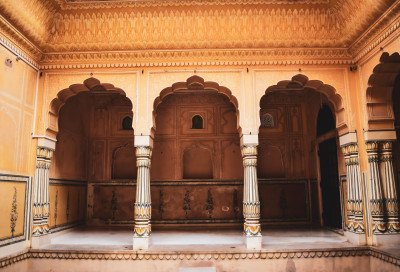
Anandpur Sahib Fort
Some quick example text to build on the card title and make up the bulk of the card's content.
Go somewhere
Gurdwara Kila Sri Anandgarh Sahib
Some quick example text to build on the card title and make up the bulk of the card's content.
Go somewhere
Gurdwara Thara Sahib
Some quick example text to build on the card title and make up the bulk of the card's content.
Go somewhere
Gurudwara Bhora Sahib
Some quick example text to build on the card title and make up the bulk of the card's content.
Go somewhere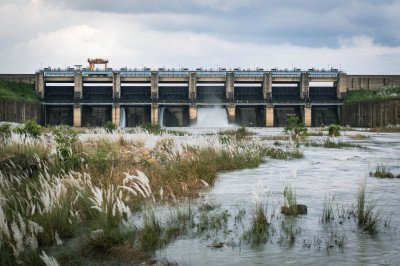
Gurudwara Damdama Sahib
Some quick example text to build on the card title and make up the bulk of the card's content.
Go somewhere
Gurudwara Qila Anandgarh Sahib
Some quick example text to build on the card title and make up the bulk of the card's content.
Go somewhere
Gurudwara Sis Ganj Sahib
Some quick example text to build on the card title and make up the bulk of the card's content.
Go somewhere
Jhajjar Bachauli Wildlife Sanctuary
Some quick example text to build on the card title and make up the bulk of the card's content.
Go somewhere
Jhajjar Bacholi Wildlife Sanctuary
Some quick example text to build on the card title and make up the bulk of the card's content.
Go somewhere
Qila Anandgarh Sahib
Some quick example text to build on the card title and make up the bulk of the card's content.
Go somewhere
Qila Fatehgarh Sahib
Some quick example text to build on the card title and make up the bulk of the card's content.
Go somewhere
Qila Holgarh Sahib
Some quick example text to build on the card title and make up the bulk of the card's content.
Go somewhere
Qila Lohgarh Sahib
Some quick example text to build on the card title and make up the bulk of the card's content.
Go somewhere
Qila Taragarh Sahib
Some quick example text to build on the card title and make up the bulk of the card's content.
Go somewhere
Takht Sri Kesgarh Sahib
Some quick example text to build on the card title and make up the bulk of the card's content.
Go somewhere
Veergarh Fort
Some quick example text to build on the card title and make up the bulk of the card's content.
Go somewherein Other Cities