
Zunheboto Bazaar
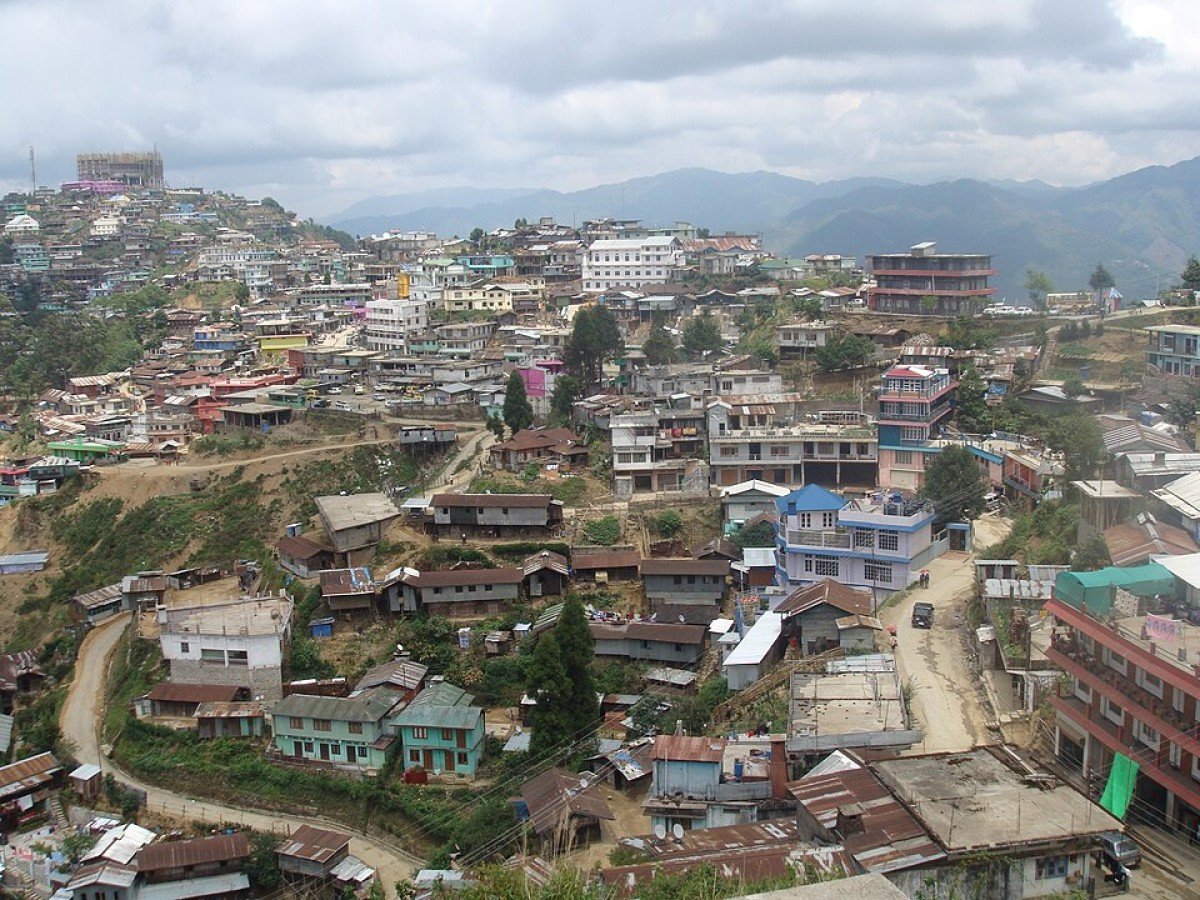
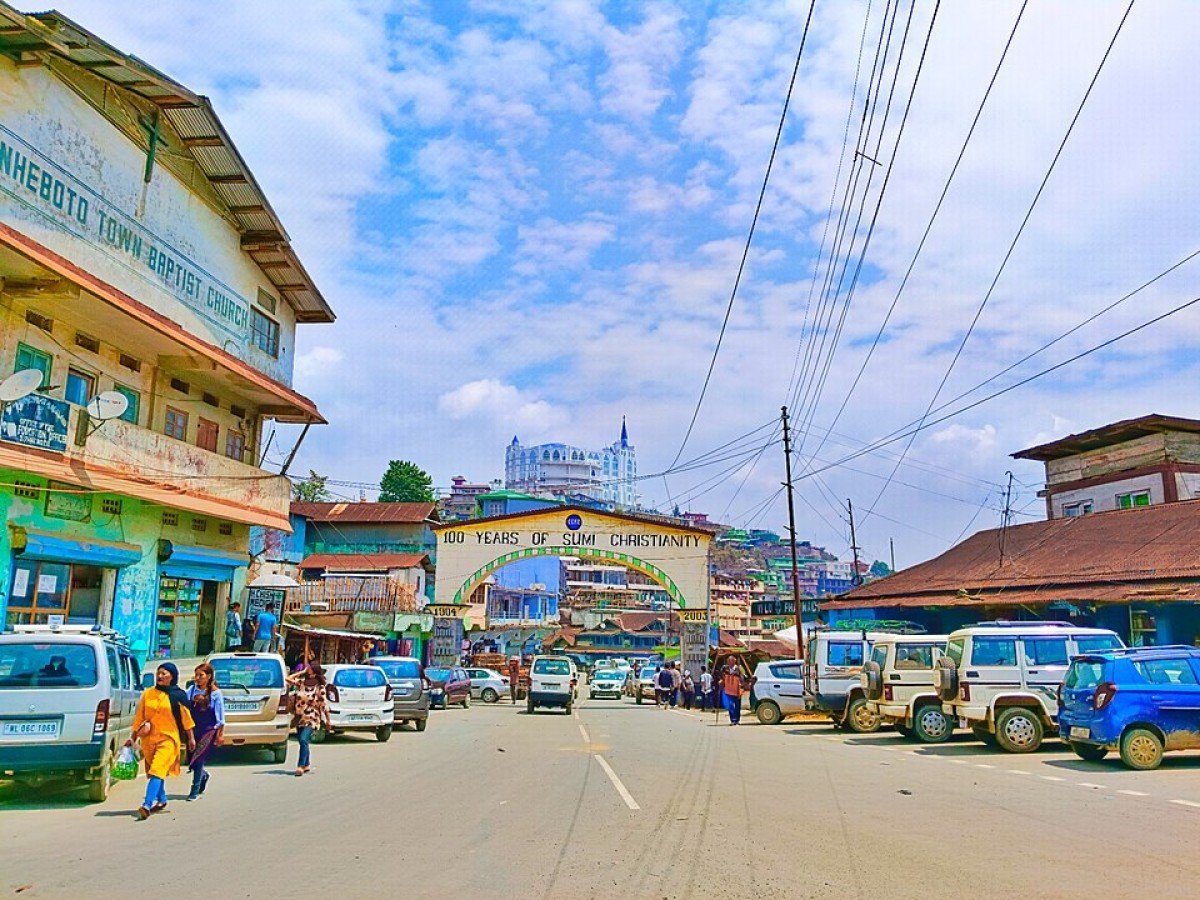
Market Vibe: The Zunheboto Bazaar is a vibrant and bustling market that truly serves as the economic and social nerve center of the town, offering a sensory glimpse into the daily life of the Sumi Naga people. Local Produce: It is the main place for local vendors to sell organic edibles, fresh produ ce, meat (especially the famous smoked meat), bamboo shoots, and the potent Naga King Chilli. Social Interaction: It is a critical hub for social interaction where locals gather not just to shop but to exchange news and connect, making it a place to experience the authentic local culture. Shopping Diversity: The market offers a diverse range of items from local handicrafts, traditional textiles, and clothes to modern goods, electronic accessories, and essential services. Economic Importance: The market is a major part of the local economy, particularly encouraging local entrepreneurs and promoting self-sustainability through platforms like the recently launched Friday Bazaar. (Word Count Condensation Applied):
General information
-
Ideal Duration:
1-2 Hours:Place Type:
Commercial & Cultural:Entry Fees:
General Entry: There is no entry fee to access the local market area.
Cost of Goods: Prices are generally affordable, but the cost of specific items like meat, traditional textiles, and the King Chilli can vary. Bargaining is recommended fo...General Entry: There is no entry fee to access the local market area.
Cost of Goods: Prices are generally affordable, but the cost of specific items like meat, traditional textiles, and the King Chilli can vary. Bargaining is recommended for non-essential items.
Local Transport: Nominal fares for shared taxis to reach the market area from other parts of town. Usually between Rs.30 to Rs.40 per person.
:Timing:
Regular Timings: The main market is generally active from 8:00 AM to 5:00 PM on most days, with permanent shops having longer hours.
Friday Bazaar Time: The special Friday Bazaar is typically active during the morning and early afternoon.Regular Timings: The main market is generally active from 8:00 AM to 5:00 PM on most days, with permanent shops having longer hours.
Friday Bazaar Time: The special Friday Bazaar is typically active during the morning and early afternoon.
Ideal Visit Time: Mid-morning (around 9:00 AM to 11:00 AM) is the peak time, offering the best selection of fresh produce and the most vibrant atmosphere.
Closed Days: Though a few shops may remain open, market activity is significantly reduced on Sundays.
:Special Events:
Friday Bazaar: The weekly market on Friday is a special event, showcasing a higher concentration of local, organic goods and craftsmanship, often accompanied by a more festive atmosphere.
Tuluni Festival Shopping: The market is particularly ...Friday Bazaar: The weekly market on Friday is a special event, showcasing a higher concentration of local, organic goods and craftsmanship, often accompanied by a more festive atmosphere.
Tuluni Festival Shopping: The market is particularly bustling in the lead-up to the major Tuluni festival (July), as families stock up on food, new attire, and gifts.
Community Sales: Occasional community-organized sales of specific harvests or seasonal forest products.
:Best Photo Spots:
The Spice Corner: A vibrant photo capturing the array of colors from the fresh vegetables, red chillies, and yellow ginger, with a focus on the King Chilli heap.
Portraits of Vendors: Respectful close-up shots of the local vendors, especiall...The Spice Corner: A vibrant photo capturing the array of colors from the fresh vegetables, red chillies, and yellow ginger, with a focus on the King Chilli heap.
Portraits of Vendors: Respectful close-up shots of the local vendors, especially the older women who sell produce, capturing their expression and traditional attire (if worn).
Market Activity Shot: A wide-angle shot from a slightly elevated position, capturing the bustling crowd, the informal stalls, and the sheer volume of activity.
Textile Close-ups: Detailed photographs of the intricate woven patterns and bright colors of the traditional Sumi shawls and textiles on display.
:Photo Gallery

Things To Do
-
Try Local Cuisine: Sample traditional Naga street food, like different varieties of smoked meat and bamboo shoot preparations, from the local stalls.
Haggle and Shop: Engage in friendly bargaining for local produce, clothes, and souvenirs, making the interaction part of the experience.
Buy Organic Produce: Purchase fresh, country-grown organic vegetables and fruits directly from the farmers.
People-Watching: Sit at a corner or a nearby tea stall and simply watch the energetic flow of local life and commerce.
Search for King Chilli: Embark on a quest to find the best quality and most potent Naga King Chilli.
Browse Textiles: Look through the traditional Naga shawls and fabrics, noting the specific...Try Local Cuisine: Sample traditional Naga street food, like different varieties of smoked meat and bamboo shoot preparations, from the local stalls.
Haggle and Shop: Engage in friendly bargaining for local produce, clothes, and souvenirs, making the interaction part of the experience.
Buy Organic Produce: Purchase fresh, country-grown organic vegetables and fruits directly from the farmers.
People-Watching: Sit at a corner or a nearby tea stall and simply watch the energetic flow of local life and commerce.
Search for King Chilli: Embark on a quest to find the best quality and most potent Naga King Chilli.
Browse Textiles: Look through the traditional Naga shawls and fabrics, noting the specific Sumi patterns and colors.
Photography: Capture the colors, the vibrant energy, and the faces of the market (always be respectful and ask before photographing people).
:
Information
-
Why Famous:
Authentic Local Experience: It is the best place to experience the unfiltered, daily life and commerce of the Sumi Naga community.
Naga Cuisine Ingredients: The market is famous for local culinary delights and unique ingredients, especially ...Authentic Local Experience: It is the best place to experience the unfiltered, daily life and commerce of the Sumi Naga community.
Naga Cuisine Ingredients: The market is famous for local culinary delights and unique ingredients, especially the diverse range of smoked meats (like smoked pork), local fermented products like Axone, and fresh, organic vegetables.
Handicraft Shopping: It's a key spot to purchase local handicrafts, traditional Naga shawls, and textiles, offering better authenticity and prices than dedicated tourist shops.
Friday Bazaar: The launch of a dedicated Friday weekly market for local organic edibles and craftsmanship highlights its commitment to local produce and entrepreneurship, drawing both locals and visitors.
Naga King Chilli: It is a must-visit for anyone looking to find and try the incredibly potent and famous Naga King Chilli (Raja Mircha).
: -
Architecture:
Informal Architecture: The market’s architecture is largely informal and functional, consisting of temporary stalls, open sheds, and permanent shop fronts blending together along the hilly roads and designated market areas.
Stall Setup: St...Informal Architecture: The market’s architecture is largely informal and functional, consisting of temporary stalls, open sheds, and permanent shop fronts blending together along the hilly roads and designated market areas.
Stall Setup: Stalls are typically constructed from simple materials like bamboo, plastic sheets, and tarpaulin to provide shelter from the sun and rain, allowing for easy setup and dismantling.
Organization:
The stalls are often organized by product type: fresh produce areas, meat stalls, and dedicated sections for textiles and ready-made clothes.
Dimension of Space: The market covers a large area of the main town center, sprawling out along the main roads, but individual stall space is compact, maximizing the use of limited space.
Cultural Display: The layout itself is a cultural display, with vendors sitting on the ground or low benches, reflecting a traditional style of commerce and community selling.
: -
How To Reach:
By Air: Nearest airport is Dimapur (DMU). From there, take a direct shared taxi to the main Zunheboto town, which is where the bazaar is located.
By Train: Nearest railhead is Dimapur Railway Station (DMU). Hire a taxi or board an NST bus ...By Air: Nearest airport is Dimapur (DMU). From there, take a direct shared taxi to the main Zunheboto town, which is where the bazaar is located.
By Train: Nearest railhead is Dimapur Railway Station (DMU). Hire a taxi or board an NST bus to Zunheboto. The bazaar is central, a short walk from the bus stand.
By Road: The market is located in the heart of the town, easily reachable by road from all major towns in Nagaland. The main road through Zunheboto passes by the market area.
By Local Transport: The town is small enough to reach the bazaar by foot from most places. Local shared taxis and auto-rickshaws frequently ply the route to the main market area.
: -
Weather and Best Time to Visit:
Different Seasons: October to March is ideal for comfortable outdoor walking and shopping. Monsoon (June to September) can make the market muddy and crowded under shelters.
Different Parts of the Day: Early to Mid-morning is the best time t...Different Seasons: October to March is ideal for comfortable outdoor walking and shopping. Monsoon (June to September) can make the market muddy and crowded under shelters.
Different Parts of the Day: Early to Mid-morning is the best time to visit for the freshest produce and the most energetic local crowd. The market starts winding down in the late afternoon.
Cultural Season: Visiting during a non-festival time offers a truer, less tourist-centric view of daily commerce.
: -
Near Tourist Places:
Sumi Tribal Craft Workshop Area (0. 5 Kms), Zunheboto Football Ground (0. 5 Kms), Zunheboto Circuit House View (1. 5 Kms), Sumi Baptist Church (2 Kms), Zunheboto District Museum (3 Kms), Town Hall (0. 1 Kms), NST Bus Station (0. 3 Kms), Ghosu Bird Sanctuary (8 Kms), Satoi Range (22 Kms), Lake Aizuto (45 Kms).
Tourism Tips
-
Health & Safety: Be aware of crowded spaces and practice basic street safety with belongings. Try new foods only from reputable, busy stalls. Carry hand sanitizer.
Packing: Bring small denominations of cash, as digital transactions are rar...Health & Safety: Be aware of crowded spaces and practice basic street safety with belongings. Try new foods only from reputable, busy stalls. Carry hand sanitizer.
Packing: Bring small denominations of cash, as digital transactions are rare. Carry a reusable shopping bag for purchases.
Accommodation: Stay near the town center for easy access. Hotel Zunheboto is a good option.
Other Tips: Bargain politely. Be open to trying the local cuisine and interacting with the locals, as they are generally friendly and welcoming. Look for local spices and condiments like Axone as unique souvenirs.
:
Reviews
FAQs
Zunheboto Itineray And Cost:-
Zunheboto Bazaar Tourism:-
Other Places In Zunheboto :-
Other States In India :-
Information about New and Updated Locations() of Nagaland Has Been Added :-
Card subtitle
Note:-
Information provided here in good Faith and for reference only.
Near Places

Atoizu Town
Some quick example text to build on the card title and make up the bulk of the card's content.
Go somewhere
Pughoboto Town
Some quick example text to build on the card title and make up the bulk of the card's content.
Go somewhere
Satakha Viewpoint
Some quick example text to build on the card title and make up the bulk of the card's content.
Go somewhere
Satoi Range
Some quick example text to build on the card title and make up the bulk of the card's content.
Go somewhere
Thokheto Village
Some quick example text to build on the card title and make up the bulk of the card's content.
Go somewhere
Xukiye Village
Some quick example text to build on the card title and make up the bulk of the card's content.
Go somewherein Other Cities