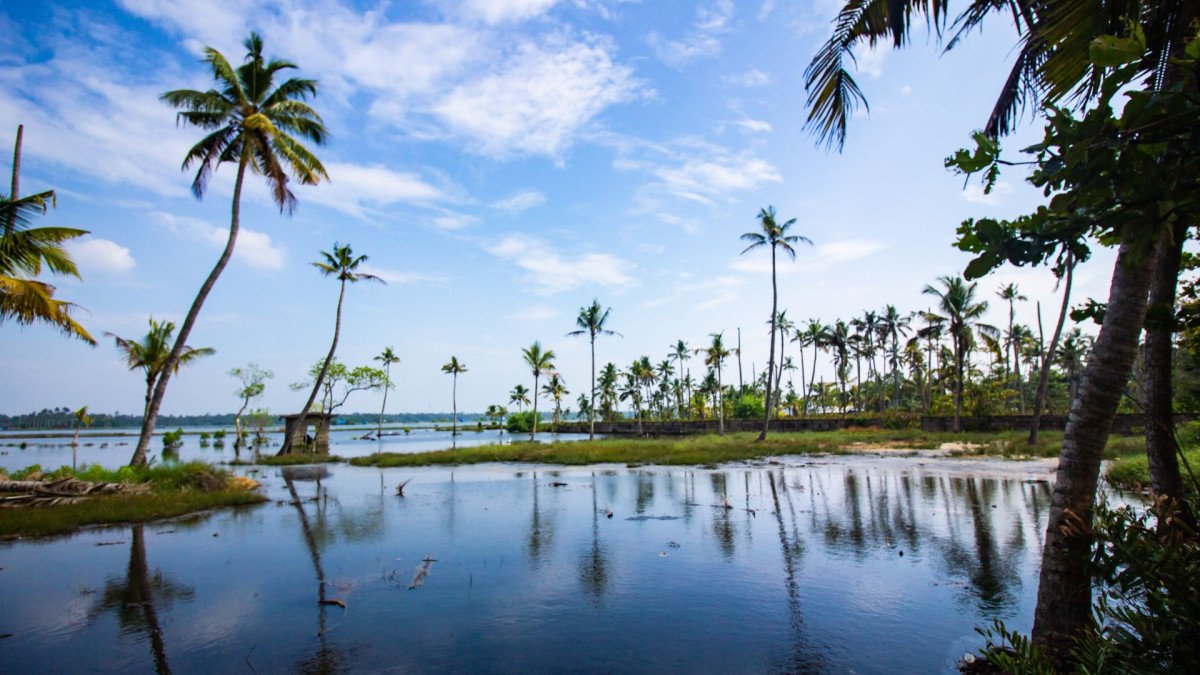
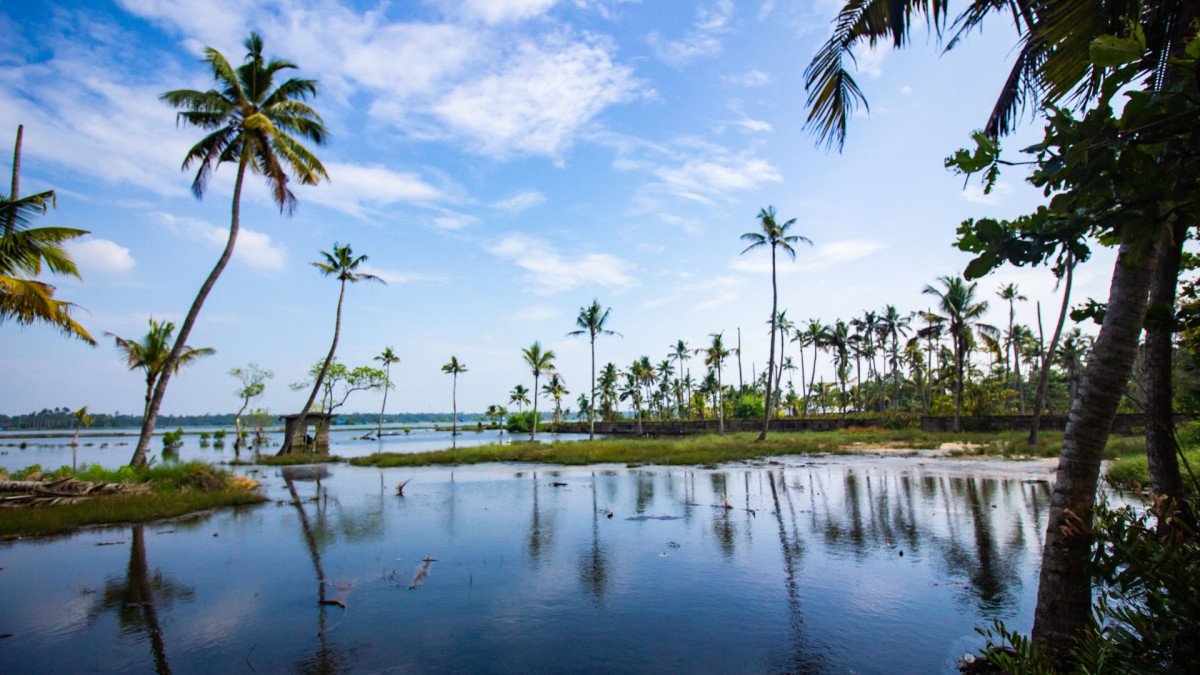
Ranisar and Padamsar Lakes
General information
-
Ideal Duration:
1 - 2 Hours (Perfect for a tranquil walk and photography, often combined with a visit to Mehrangarh Fort).Place Type:
Historical, Ecological, Water Body, Scenic ViewpoiEntry Fees:
General Access: Visiting the Ranisar and Padamsar Lakes themselves is typically Free of cost for all visitors (Indian and Foreigner). They are open, public water bodies, though parts are near the ticketed entry point of the fort.
Fort Entry Fee...General Access: Visiting the Ranisar and Padamsar Lakes themselves is typically Free of cost for all visitors (Indian and Foreigner). They are open, public water bodies, though parts are near the ticketed entry point of the fort.
Fort Entry Fee Impact: The lakes are most often accessed while visiting the Mehrangarh Fort. The fort has a separate and significant entry fee. Indian Citizens generally pay a fee (around Rs.200 to Rs.300 as of past data, though prices change) while Foreign Tourists pay a higher fee (around Rs.600 to Rs.800 or more), which often includes an audio guide.
Camera/Video Fees (Indirect): While the lake visit is free, if you are visiting the fort before or after, keep in mind that the fort itself may charge extra for carrying still cameras or video cameras, which could indirectly affect the overall cost of the trip to this area.
Guided Tour Costs: Local guides or specialized walking tours that include the lakes, the old city, and the fort will charge a separate fee for their services, which varies greatly.
Timing:
Regular Timings: The lakes are essentially open to the public 24 hours a day as they are large, open-air reservoirs. However, for a safe and enjoyable visit, it is best to visit during daylight hours.
Ideal Visit Time - Morning Serenity: Th...Regular Timings: The lakes are essentially open to the public 24 hours a day as they are large, open-air reservoirs. However, for a safe and enjoyable visit, it is best to visit during daylight hours.
Ideal Visit Time - Morning Serenity: The absolute best time to visit is during sunrise (typically between 5:30 AM to 7:30 AM, depending on the month). The light is soft, the air is cool, and the atmosphere is incredibly peaceful, ideal for meditation and photography.
Ideal Visit Time - Evening Glow: The late afternoon, leading up to sunset (between 4:30 PM to 6:30 PM), is also highly recommended. The fort glows with a magnificent golden-orange hue, and the sunset views over the desert landscape are breathtaking.
Avoid Mid-Day Heat: It is strongly advised to avoid the mid-day hours (11:00 AM to 4:00 PM) between April and September, as the Rajasthan sun can be intensely hot and exposure near the open water can be draining.
Security Considerations: While open 24/7, exercise caution and do not linger late at night, as lighting can be minimal in certain spots, and the area is less monitored than the main fort.
Special Events:
Water-Themed Festivals: While no major festival is solely centered on the lakes, they become a focal point during local and regional festivals related to water and rain. For instance, after a good monsoon, the filling of the lakes is often celebrated by locals as a blessing...Water-Themed Festivals: While no major festival is solely centered on the lakes, they become a focal point during local and regional festivals related to water and rain. For instance, after a good monsoon, the filling of the lakes is often celebrated by locals as a blessing. Traditional small-scale ceremonies and offerings may be performed at the nearby temples, highlighting the lakes' cultural significance as life-givers in the desert.
Local Devotional Gatherings: Due to the proximity of ancient temples, the lake periphery often hosts small devotional gatherings or aartis (worship with light) during specific Hindu calendar days. These events are deeply local, offering a glimpse into the authentic spiritual life of the old city residents. These are not major tourist events but enriching cultural experiences. Annual Rajasthan International Folk Festival (RIFF) Proximity: The lakes' location near Mehrangarh Fort means they are often part of the scenic backdrop for events like RIFF, which takes place every October. While the main performances are in the fort, the tranquil area around the lakes can be a retreat or a path for visitors, subtly incorporating them into the overall cultural experience.
Best Photo Spots:
The Fateh Pol Entrance View: Stand near the Fateh Pol gate of Mehrangarh Fort and look down. This high vantage point provides a magnificent panoramic shot of both lakes lying side-by-side like two massive jewels at the foot of the fort, with the old city's blue roofs visibl...The Fateh Pol Entrance View: Stand near the Fateh Pol gate of Mehrangarh Fort and look down. This high vantage point provides a magnificent panoramic shot of both lakes lying side-by-side like two massive jewels at the foot of the fort, with the old city's blue roofs visible in the distance.
Reflection from the Embankment: Get down to the water level along the lake's embankment (where safe) during still, clear weather. Here, you can capture the perfect, mirror-like reflection of the imposing fort walls on the water's surface. This spot is magical during the 'golden hour' of sunset or sunrise.
Framed by Desert Flora: Use the native, rugged plants and acacia trees from the adjacent Rao Jodha Desert Rock Park as a natural frame for your photographs. Shooting through the branches adds depth and texture, highlighting the contrast between the green life, blue water, and arid rock.
Padamsar Lake's Unique Angle: Since Padamsar is slightly smaller, it can offer a more intimate frame. Focus on the old stepwells or any small temples near its edge, using these structures to provide foreground interest and scale against the backdrop of the fort.
Photo Gallery
Things To Do
-
Photography and Scenic Views: Capture the spectacular reflection of the Mehrangarh Fort in the lake waters. The hours around sunrise and sunset offer the best light for dramatic photographs. Focus on the contrast between the blue water, the golden-yellow sandstone of the fort, and the blue houses of the old city.
Tranquil Walks and Relaxation: Take a slow, peaceful walk along the embankments of the twin lakes. The air here is often cooler and fresher than in the crowded city areas. Find a quiet spot to sit, meditate, and enjoy the serenity. It is a perfect place for unwinding after the energy spent exploring the massive fort.
Bird Watching: Carry a pair of binoculars and observe the numerous avian species that visit the lakes, especially in the early morning. Look for various ducks, waders,...Photography and Scenic Views: Capture the spectacular reflection of the Mehrangarh Fort in the lake waters. The hours around sunrise and sunset offer the best light for dramatic photographs. Focus on the contrast between the blue water, the golden-yellow sandstone of the fort, and the blue houses of the old city.
Tranquil Walks and Relaxation: Take a slow, peaceful walk along the embankments of the twin lakes. The air here is often cooler and fresher than in the crowded city areas. Find a quiet spot to sit, meditate, and enjoy the serenity. It is a perfect place for unwinding after the energy spent exploring the massive fort.
Bird Watching: Carry a pair of binoculars and observe the numerous avian species that visit the lakes, especially in the early morning. Look for various ducks, waders, and local desert birds that rely on this vital water source. The area is an unpublicized ecological pocket within the city limits.
Visit the Adjacent Stepwells and Temples: Explore the centuries-old temples and stepwells (jhalras) situated close to the lake boundaries. These ancient structures are often beautifully carved and offer a deeper look into the local religious and architectural history.
Combine with Rao Jodha Desert Rock Park: The lakes border the Rao Jodha Desert Rock Park. Visitors can easily combine their lake visit with a guided walk or a stroll through the park, which focuses on restoring and showcasing the natural ecology of the Thar Desert. This provides a holistic understanding of the region's environment.
Sketching and Painting: The picturesque setting, with the fortress dominating the skyline, makes it an ideal spot for artists to sit and capture the landscape's majesty on canvas.
Historical Study: For history buffs, it's a chance to study the practical application of ancient Rajput engineering and water harvesting techniques. Observe how the slopes, dams, and channels were constructed to maximize water retention in an environment where every drop counts.
Information
-
Why Famous:
Royal Patronage and Historical Significance: The fame of the lakes stems from their direct association with the royal family and the foundation of Jodhpur. Commissioned by the queens of Rao Jodha and Rao Ganga, they are symbols of the crucial role royal women played in ci...Royal Patronage and Historical Significance: The fame of the lakes stems from their direct association with the royal family and the foundation of Jodhpur. Commissioned by the queens of Rao Jodha and Rao Ganga, they are symbols of the crucial role royal women played in civic welfare and water conservation, especially in a desert state like Rajasthan. This historical narrative is woven into the identity of the city.
Ancient Water Management Marvel: The lakes are highly reputed as an ancient example of successful large-scale rainwater harvesting. For over five centuries, they have effectively mitigated the water challenges of the region, showcasing indigenous, sustainable engineering long before modern technology. This makes them a fascinating study for environmentalists and historians alike.
Photogenic Scenic Beauty: They are famous for their tranquil beauty, offering a serene, blue-water contrast to the surrounding rugged, brownish-red rock of the Aravalli range and the imposing ochre walls of Mehrangarh Fort. The view of the fort from the lakes is one of the most iconic and frequently photographed perspectives of Jodhpur.
-
Architecture:
Purposeful Design for Scarcity: The architecture is primarily focused on hydraulic engineering adapted for an arid climate. These are not ornamental pools but highly functional rainwater harvesting systems. Their location at the foothills was strategic, allowing them to ca...Purposeful Design for Scarcity: The architecture is primarily focused on hydraulic engineering adapted for an arid climate. These are not ornamental pools but highly functional rainwater harvesting systems. Their location at the foothills was strategic, allowing them to capture maximum runoff from the elevated fort area and surrounding hills. The design utilizes natural slopes and channels to feed water into the reservoirs. The system is a prime example of traditional Rajput water-wisdom, prioritizing sustainability over mere aesthetics.
Catchment and Storage System: The construction involves robust stone embankments and natural rock formations to create deep storage basins. While the lakes themselves are naturalized by time, the surrounding structures often include stepwells (jhalras) or smaller feeder tanks, which are marvels of subterranean architecture with finely carved stone steps and niches, demonstrating the use of durable local sandstone. These secondary structures regulated water flow and provided access points for the local populace.
Dimension: Precise dimensions are challenging to obtain as they are natural reservoirs, but Padamsar is generally smaller than Ranisar. The lakes are vast enough to serve a significant part of the old city's water needs, indicating large catchment areas extending into the adjacent hills and the fort plateau. The scale is monumental, built to last for centuries against the relentless sun and seasonal rains. The design's success is proven by their enduring function for over 500 years.
-
How To Reach:
By Air: The nearest airport is Jodhpur Airport (JDH), located about 8-10 KMS from the city center. From the airport, one can hire a pre-paid taxi, an app-based cab (like Uber/Ola, if available), or an auto-rickshaw to reach the area near Mehrangarh Fort's Fateh Pol, where t...By Air: The nearest airport is Jodhpur Airport (JDH), located about 8-10 KMS from the city center. From the airport, one can hire a pre-paid taxi, an app-based cab (like Uber/Ola, if available), or an auto-rickshaw to reach the area near Mehrangarh Fort's Fateh Pol, where the lakes are located. The travel time by road is typically 25-40 minutes, depending on traffic.
By Train: Jodhpur Railway Station (JU) is a major railhead well-connected to all parts of India. The station is approximately 4-5 KMS from the fort/lakes area. From the station, you can easily find an auto-rickshaw or taxi. Due to the narrow lanes of the old city, taxis may drop you a short distance from the exact location, requiring a short walk.
By Road (Inter-City): Jodhpur is well-connected by National and State Highways. Buses (private and RSRTC) run frequently from major cities like Jaipur, Udaipur, Delhi, and Ahmedabad. The main bus stand is located near the railway station. From the bus stand, follow the 'By Train' instructions.
By Local Transport (Within Jodhpur): The best way to reach the lakes is via a Tuk-Tuk/Auto-rickshaw or a local taxi. Since the lakes are near the fort in the old city area, vehicles can usually reach the closest accessible point near Fateh Pol. From there, it's a short, signed walk. The old city's lanes are narrow, so larger vehicles cannot go all the way. It is a very short and inexpensive ride from the city center.
-
Weather and Best Time to Visit:
Cooler Season (October to March): This is the Best Time to Visit Jodhpur. The weather is pleasantly cool and sunny, with temperatures ranging from 10Rs.C to 25Rs.C. The conditions are perfect for walking, photography, and spending extended time outdoors near the lakes without ...Cooler Season (October to March): This is the Best Time to Visit Jodhpur. The weather is pleasantly cool and sunny, with temperatures ranging from 10Rs.C to 25Rs.C. The conditions are perfect for walking, photography, and spending extended time outdoors near the lakes without the risk of heat exhaustion.
Monsoon Season (July to September): The monsoon is a good time as the lakes are usually full of water, which enhances their beauty and the surrounding greenery. However, humidity can be high, and there might be unexpected heavy showers.
Summer Season (April to June): This period is extremely hot, with temperatures often soaring above 40Rs.C. Travel is not recommended during the day, and only brief visits in the very early morning are tolerable.
Morning Time (Sunrise): The ideal part of the day, as mentioned, is sunrise. It provides tranquility, the best lighting for the fort, and the coolest temperatures.
Evening Time (Sunset): The second-best time is the late evening, to witness the spectacular sunset and the fort's transition to night lighting, though it can be slightly more crowded than the morning.
-
Near Tourist Places:
1. Mehrangarh Fort (0.
5 KMS): The main attraction, housing Phool Mahal and Sheesh Mahal. 2. Rao Jodha Desert Rock Park (0.
5 KMS): Adjacent park showcasing desert ecology. 3. Jaswant Thada (1.
5 KMS): Beautiful marble cenotaph near the fort. 4. Toorji Ka Jhalra (Stepwell) (
2 KMS): Impressive, recently restored stepwell in the old city. 5. Ghanta Ghar (Clock Tower) (3.
5 KMS): Landmark in the main market area. 6. Sadar Market (3.
5 KMS): Bustling old city market. 7. Achal Nath Shivalaya Temple (1.
2 KMS): Historic Shiva temple. 8.
Mandore Gardens (8 KMS): Ancient royal garden and cenotaphs. 9.
Umaid Bhawan Palace (7 KMS): Part heritage hotel, part museum, and royal residence. 10.
Balsamand Lake and Garden (8 KMS): Scenic lake and palace.
Tourism Tips
-
Health & Safety:
Hydration is Key: Always carry sufficient drinking water, even in the cooler months. The dry desert air can lead to rapid dehydration.
Comfortable Footwear: Wear comfortable, sturdy walking ...Health & Safety:
Hydration is Key: Always carry sufficient drinking water, even in the cooler months. The dry desert air can lead to rapid dehydration.
Comfortable Footwear: Wear comfortable, sturdy walking shoes. The area around the lakes and the path to them can be rocky or uneven, especially if you venture into the adjacent rock park.
Sun Protection: Use sunscreen, wear a hat, and carry sunglasses, particularly for morning and evening visits. The reflection off the water can be intense.
Packing:
Photography Gear: Bring your camera, a spare battery, and perhaps a polarizing filter to reduce glare on the water for better reflections.
Light Layers: Evenings and early mornings in winter can be chilly, so a light jacket or shawl is advisable.
Accommodation:
Old City Charm: Staying in a Haveli or heritage hotel within the old city offers a unique experience and places you closer to the lakes and fort for those early morning visits.
Luxury Stay: For a more luxurious experience, look for hotels outside the old city perimeter, such as near the Umaid Bhawan Palace area, though it will require a longer commute.
Other Different Topics:
Respect Local Culture: Remember this is a site with historical and religious significance to the locals. Dress modestly when visiting nearby temples and be respectful of any local gatherings or rituals.
Leave No Trace: Do not litter. Help preserve the cleanliness and ecology of this ancient water resource.
Reviews
FAQs
Jodhpur Itineray And Cost:-
Ranisar and Padamsar Lakes Tourism:-
Other Places In Jodhpur :-
Other States In India :-
Information about New and Updated Locations() of Rajasthan Has Been Added :-
Card subtitle
Note:-
Information provided here in good Faith and for reference only.
Near Places

Phool Mahal
Some quick example text to build on the card title and make up the bulk of the card's content.
Go somewhere
Ranisar and Padamsar Lakes
Some quick example text to build on the card title and make up the bulk of the card's content.
Go somewhere
Sheesh Mahal
Some quick example text to build on the card title and make up the bulk of the card's content.
Go somewhere
Achal Nath Shivalaya
Some quick example text to build on the card title and make up the bulk of the card's content.
Go somewhere
Arna Jharna The Desert Museum
Some quick example text to build on the card title and make up the bulk of the card's content.
Go somewhere
Balsamand Lake
Some quick example text to build on the card title and make up the bulk of the card's content.
Go somewhere
Bheru Bagh
Some quick example text to build on the card title and make up the bulk of the card's content.
Go somewhere
Bishnoi Village Safari
Some quick example text to build on the card title and make up the bulk of the card's content.
Go somewhere
Chamunda Mata Temple
Some quick example text to build on the card title and make up the bulk of the card's content.
Go somewhere
Ghanta Ghar
Some quick example text to build on the card title and make up the bulk of the card's content.
Go somewhere
Hanwant Mahal
Some quick example text to build on the card title and make up the bulk of the card's content.
Go somewhere
Jaswant Thada
Some quick example text to build on the card title and make up the bulk of the card's content.
Go somewhere
Kaylana Lake
Some quick example text to build on the card title and make up the bulk of the card's content.
Go somewhere
Khejarla Fort
Some quick example text to build on the card title and make up the bulk of the card's content.
Go somewhere
Khichan Bird Sanctuary
Some quick example text to build on the card title and make up the bulk of the card's content.
Go somewhere
Kunj Bihari Temple
Some quick example text to build on the card title and make up the bulk of the card's content.
Go somewherein Other Cities