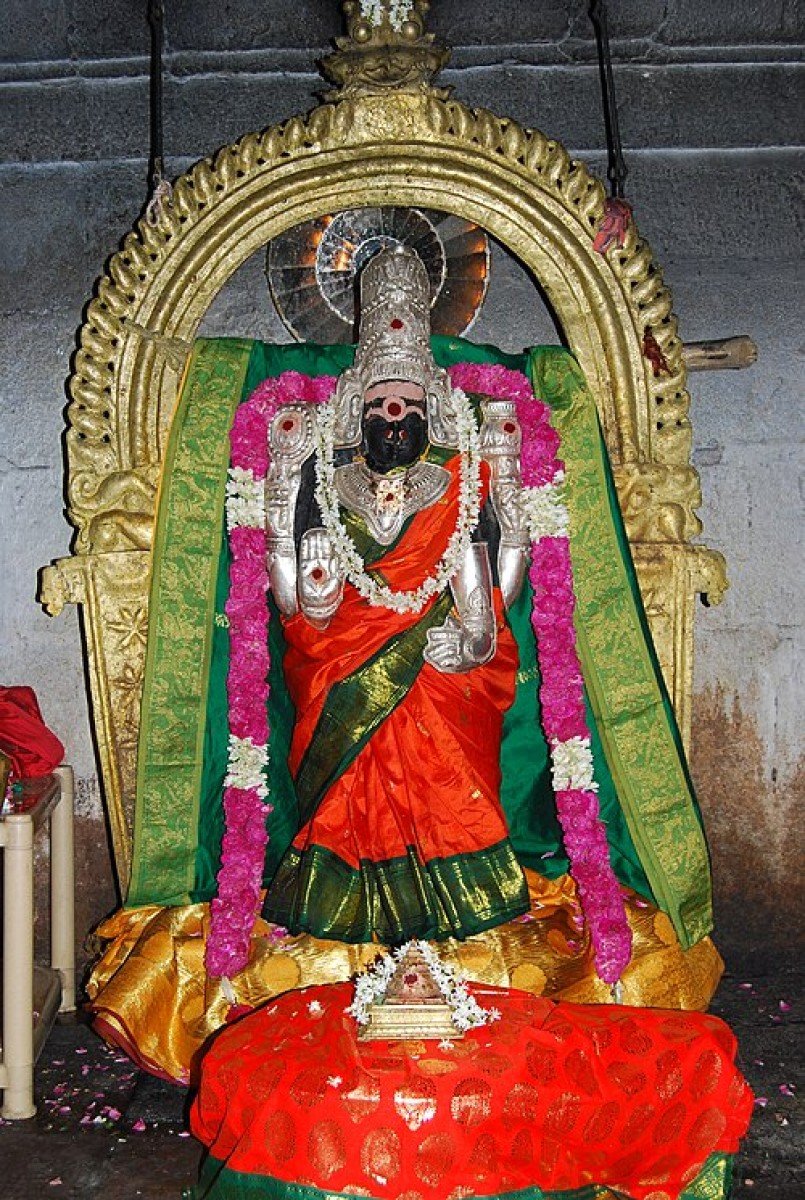
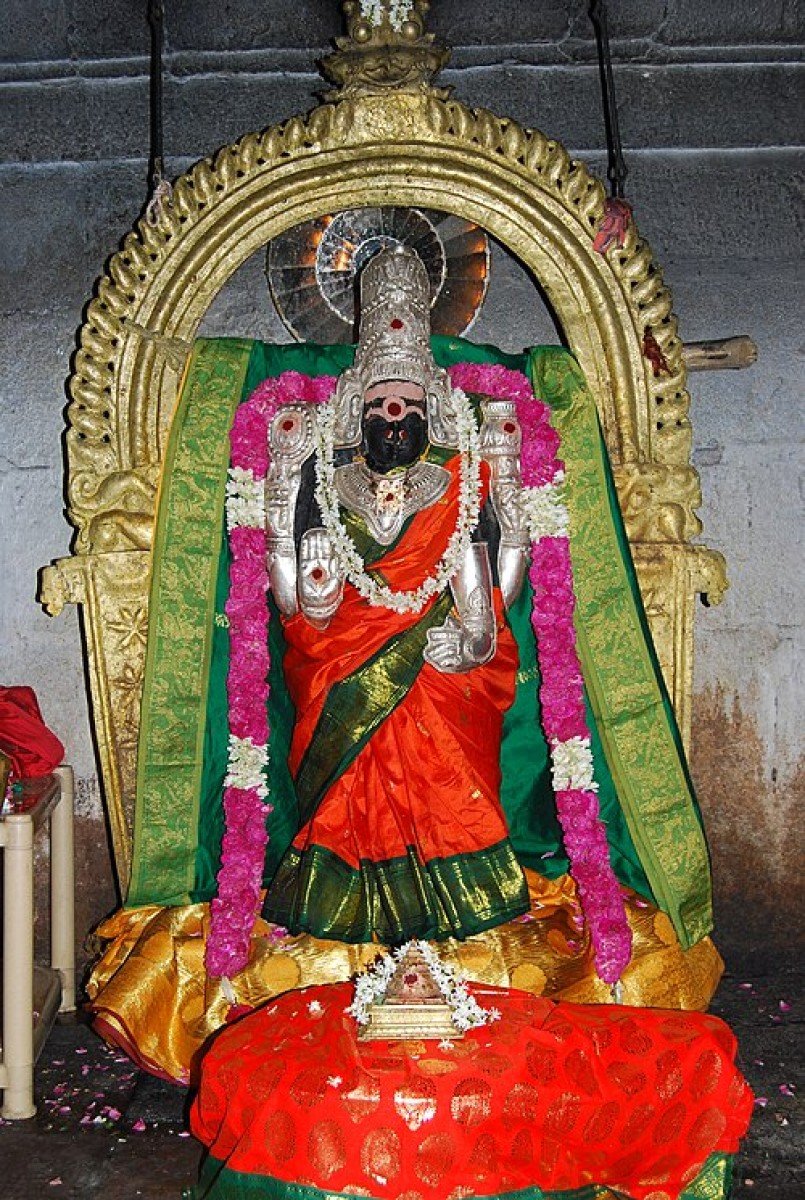
Abirami Amman Temple
General information
-
Ideal Duration:
1 to 2 hoursPlace Type:
Temple, HeritageEntry Fees:
Temple Access: Entry to the temple is Free for all devotees and visitors.
Special Poojas and Services: Fees apply for specific personal services like Archana, Abishegam, and special Sevas; these charges range from Rs.10 for simple services to...Temple Access: Entry to the temple is Free for all devotees and visitors.
Special Poojas and Services: Fees apply for specific personal services like Archana, Abishegam, and special Sevas; these charges range from Rs.10 for simple services to a few hundred rupees for elaborate ones.
Darshan and Queue: There are generally no separate fees for quick general Darshan; however, a nominal fee might be charged for special, faster-access queues during peak festival times.
Donations: Donations for temple maintenance and charitable activities are voluntary and highly encouraged. :Timing:
Regular Timings: 05:00 AM to 12:00 PM and 04:00 PM to 09:00 PM daily.
Ideal Visit Time: Early mornings (around 06:00 AM) or late afternoons (around 05:00 PM) are ideal to avoid the midday heat and witness the main poojas like Kalasandhi or S...Regular Timings: 05:00 AM to 12:00 PM and 04:00 PM to 09:00 PM daily.
Ideal Visit Time: Early mornings (around 06:00 AM) or late afternoons (around 05:00 PM) are ideal to avoid the midday heat and witness the main poojas like Kalasandhi or Sayarakshai.
Festival Hours: During Navratri and other major festivals, the temple remains open for extended hours, often staying open throughout the day without the afternoon closure.
Best Part of the Week: Fridays are the busiest and most auspicious day for Goddess Amman worship, offering a vibrant atmosphere but also higher crowds. :Special Events:
Navratri Festival: The 9-day Navratri festival in the Tamil month of Purattasi (September/October) is the most important event, featuring a different decorative theme daily.
Adi Fridays: The Fridays in the Tamil month of Adi (July/August) ar...Navratri Festival: The 9-day Navratri festival in the Tamil month of Purattasi (September/October) is the most important event, featuring a different decorative theme daily.
Adi Fridays: The Fridays in the Tamil month of Adi (July/August) are celebrated with grand processions of the Goddess on a flower palanquin.
Shivaratri: The annual Shivaratri festival is celebrated with special night-long poojas for Lord Kalahastheeswarar. :Best Photo Spots:
Gopuram Entrance: The best spot to photograph the ornate main entrance Gopuram, especially during the golden hours of sunrise or sunset.
Pillared Hall: Capture the intricate carvings and play of light and shadow on the pillars in the outer M...Gopuram Entrance: The best spot to photograph the ornate main entrance Gopuram, especially during the golden hours of sunrise or sunset.
Pillared Hall: Capture the intricate carvings and play of light and shadow on the pillars in the outer Mandapams.
View from Temple Tank: A great spot for a wide-angle shot of the temple complex reflecting in the water, offering a serene perspective.
Flower Decorations: The best opportunity to photograph the colorful and detailed flower decorations during major festivals like Adi Fridays. :Photo Gallery
Things To Do
-
Seek Blessings: Participate in the morning or evening Aarti and Abishegam ceremonies for a deeply spiritual experience.
Photography (Exterior Only): Capture the beauty of the Gopuram and the general temple architecture from the outside (respecting the rules for inner areas).
Shopping for Devotional Items: Explore the vibrant temple-side shops for flowers, garlands, and devotional items.
Attend Festivals: Plan your visit to coincide with major festivals like Navratri or Adi Fridays to witness the grand processions.
Offer Prayers to Navagrahas: Perform traditional parikrama (circumambulation) and offer prayers to the Navagraha (nine planets) shrine.
Relax and Meditate: Spend quiet time in the outer...Seek Blessings: Participate in the morning or evening Aarti and Abishegam ceremonies for a deeply spiritual experience.
Photography (Exterior Only): Capture the beauty of the Gopuram and the general temple architecture from the outside (respecting the rules for inner areas).
Shopping for Devotional Items: Explore the vibrant temple-side shops for flowers, garlands, and devotional items.
Attend Festivals: Plan your visit to coincide with major festivals like Navratri or Adi Fridays to witness the grand processions.
Offer Prayers to Navagrahas: Perform traditional parikrama (circumambulation) and offer prayers to the Navagraha (nine planets) shrine.
Relax and Meditate: Spend quiet time in the outer Mandapams for peaceful meditation and spiritual contemplation away from the busy city streets.
Taste Local Delicacies: Enjoy the traditional sweets and snacks sold outside the temple, often associated with the local culinary culture. :
Information
-
Why Famous:
The Goddess's Power: The temple is extremely famous for Goddess Abirami Amman's potent blessings, especially in matters of health, education, and marriage.
Navratri Grandeur: The annual Navratri festival is a major draw, where the Goddess is...The Goddess's Power: The temple is extremely famous for Goddess Abirami Amman's potent blessings, especially in matters of health, education, and marriage.
Navratri Grandeur: The annual Navratri festival is a major draw, where the Goddess is adorned in different Kolu decorations daily, attracting thousands of devotees.
Central Location: Its location in the bustling Dindigul Bazaar makes it a central and easily accessible place of worship for the entire community.
Ritual Significance: Daily Abishegams and Archana rituals are performed with great devotion and precision, making the temple a significant religious institution in the Dindigul district. : -
Architecture:
Dravidian Style: The temple showcases the classic Dravidian style of architecture, characterized by a Gopuram (ornate tower) at the entrance and various Mandapams (halls) supported by carved pillars.
Pillared Halls: The main hall features be...Dravidian Style: The temple showcases the classic Dravidian style of architecture, characterized by a Gopuram (ornate tower) at the entrance and various Mandapams (halls) supported by carved pillars.
Pillared Halls: The main hall features beautifully sculpted pillars depicting various mythological scenes and forms of deities.
Sanctum Dimension: The primary sanctum for Goddess Abirami is traditionally a square structure (dimensions are not publicly available but follow strict Agamic standards), ensuring focused devotion.
Vimana Details: The Vimana (tower above the main sanctum) is relatively modest compared to the entrance Gopuram, often adorned with stucco figures of divine forms. The overall structure is an important example of 17th-18th century temple renovation and expansion. : -
How To Reach:
By Air: The nearest airport is Madurai Airport (IXM), about 65 KMS away. From the airport, hire a prepaid taxi or take a bus to Dindigul.
By Train: Dindigul Railway Junction (DG) is well-connected to all major South Indian cities; the temp...By Air: The nearest airport is Madurai Airport (IXM), about 65 KMS away. From the airport, hire a prepaid taxi or take a bus to Dindigul.
By Train: Dindigul Railway Junction (DG) is well-connected to all major South Indian cities; the temple is about 2 KMS from the station.
By Road: Dindigul is located on a major National Highway and is easily accessible by bus from cities like Chennai, Madurai, and Coimbatore. The central Dindigul Bus Stand is only about 2 KMS away.
By Local Transport: The temple is centrally located and easily reached by local autos, cycle rickshaws, and share autos. It is also walkable from the main Bazaar area. : -
Weather and Best Time to Visit:
Seasons for Visit: The Winter months (October to March) are the Best Time to Visit as the weather is cool and pleasant for sightseeing. The Summer months (April to June) are extremely hot. Morning vs.
Evening: Mornings (6:00 AM - 9:00 AM) ...Seasons for Visit: The Winter months (October to March) are the Best Time to Visit as the weather is cool and pleasant for sightseeing. The Summer months (April to June) are extremely hot. Morning vs.
Evening: Mornings (6:00 AM - 9:00 AM) are best for peaceful worship, while Evenings (5:00 PM - 8:00 PM) are best for witnessing the evening rituals and the illuminated temple facade.
Festival Timing: Plan your visit during the Tamil month of Adi (July/August) or the Navratri period for the most vibrant cultural experience. : -
Near Tourist Places:
Dindigul Rock Fort (2 KMS), Sri Kottai Mariamman Kovil (1. 5 KMS), Begambur Big Mosque (1 KM), Sirumalai Hills (25 KMS), Kamarajar Lake & Dam (10 KMS), Thadikombu Perumal Temple (12 KMS), St. Joseph's Church (2 KMS), Manjalar Dam (30 KMS), Athoor Dam (18 KMS), Palani Murugan Temple (60 KMS).
Tourism Tips
-
Health & Safety: Maintain silence and respect inside the temple premises. Be mindful of your belongings in the busy bazaar area.
Packing Essentials: Dress modestly and traditionally (no shorts or revealing clothes are allowed); remove foot...Health & Safety: Maintain silence and respect inside the temple premises. Be mindful of your belongings in the busy bazaar area.
Packing Essentials: Dress modestly and traditionally (no shorts or revealing clothes are allowed); remove footwear outside the temple. Carry a water bottle and hand sanitizer.
Accommodation: Numerous hotels ranging from budget to mid-range are available near the Dindigul Bus Stand and Railway Station.
Cultural Etiquette: Always go clockwise (Pradakshina) around the main shrine. Avoid flash photography inside the inner sanctum.
Other Tips: Combine your visit with shopping in the lively Dindigul Bazaar for traditional goods. :
Reviews
FAQs
Dindigul Itineray And Cost:-
Abirami Amman Temple Tourism:-
Other Places In Dindigul :-
Other States In India :-
Information about New and Updated Locations() of Tamil Nadu Has Been Added :-
Card subtitle
Note:-
Information provided here in good Faith and for reference only.
Near Places

A. Vellodu Dam
Some quick example text to build on the card title and make up the bulk of the card's content.
Go somewhere
Abirami Amman Temple
Some quick example text to build on the card title and make up the bulk of the card's content.
Go somewhere
Anjaneyar Temple
Some quick example text to build on the card title and make up the bulk of the card's content.
Go somewhere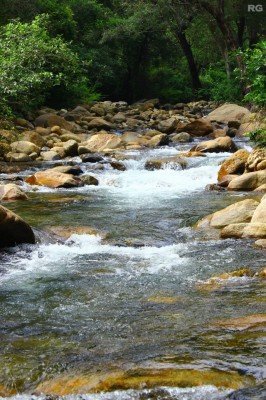
Ayyanar Falls
Some quick example text to build on the card title and make up the bulk of the card's content.
Go somewhere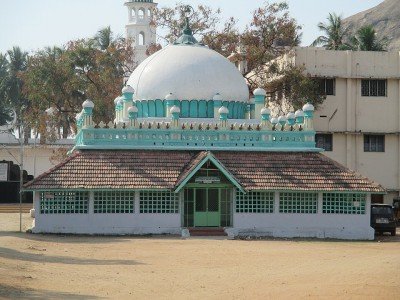
Begambur Big Mosque
Some quick example text to build on the card title and make up the bulk of the card's content.
Go somewhere
Dindigul Rock Fort
Some quick example text to build on the card title and make up the bulk of the card's content.
Go somewhere
Kamarajar Sagar Lake & Dam
Some quick example text to build on the card title and make up the bulk of the card's content.
Go somewhere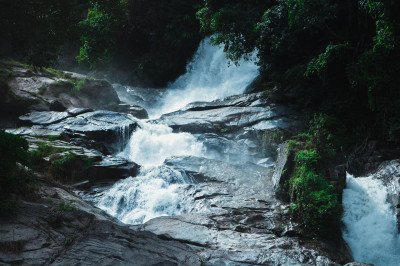
Kuttupatti Falls
Some quick example text to build on the card title and make up the bulk of the card's content.
Go somewhere
Maavutharu Lake Dam
Some quick example text to build on the card title and make up the bulk of the card's content.
Go somewhere
Manjalar Dam
Some quick example text to build on the card title and make up the bulk of the card's content.
Go somewhere
Maruthanathi Dam
Some quick example text to build on the card title and make up the bulk of the card's content.
Go somewhere
Nilakottai Palace
Some quick example text to build on the card title and make up the bulk of the card's content.
Go somewhere
Pazhani Murugan Temple
Some quick example text to build on the card title and make up the bulk of the card's content.
Go somewhere
Poombarai View Point
Some quick example text to build on the card title and make up the bulk of the card's content.
Go somewhere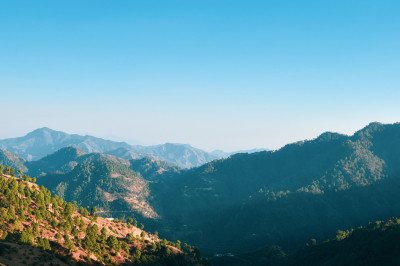
Sirumalai Hills
Some quick example text to build on the card title and make up the bulk of the card's content.
Go somewhere
Sri Kottai Mariamman Kovil
Some quick example text to build on the card title and make up the bulk of the card's content.
Go somewherein Other Cities