Adhai Din Ka Jhonpra
General information
-
Ideal Duration:
1 to 1. 5 hoursPlace Type:
Historical, Architectural, Religious (Mosque/MonumEntry Fees:
General Admission Fee: There is No Entry Fee (Free) for visitors to enter the Adhai Din Ka Jhonpra monument. It is a publicly accessible historical and protected monument managed by the Archaeological Survey of India (ASI). This means travelers can explore the architecture...General Admission Fee: There is No Entry Fee (Free) for visitors to enter the Adhai Din Ka Jhonpra monument. It is a publicly accessible historical and protected monument managed by the Archaeological Survey of India (ASI). This means travelers can explore the architecture and history without any ticket cost.
Photography and Videography: Generally, there is No Fee for still photography or casual videography using handheld devices. However, using professional equipment like tripods, drones, or for commercial filming may require special permits and incur a fee, which should be checked with the ASI office in charge of the site.
Guide Services: While entry is free, you may choose to hire a local, unofficial, or authorized guide who will charge a fee for their services. This fee varies and is negotiated directly with the guide.
Parking and Other Costs: There is typically No Dedicated Parking Fee for the monument itself, but paid parking facilities may be available in the crowded streets nearby the Dargah area, which would be a separate cost. Visitors should carry small currency notes for any local parking or other incidental expenses. The absence of a formal entry fee makes this historical site a very accessible point of interest for all tourists.
Timing:
Regular Timings: The monument is generally open to visitors from 6:00 AM to 7:00 PM every day of the week. These hours allow visitors to explore the site for the majority of daylight hours. Since it is not an actively used mosque but a protected monument, the timings are c...Regular Timings: The monument is generally open to visitors from 6:00 AM to 7:00 PM every day of the week. These hours allow visitors to explore the site for the majority of daylight hours. Since it is not an actively used mosque but a protected monument, the timings are consistent throughout the year.
Ideal Visit Time: The Ideal Visit Time is during the early morning (around 7:00 AM to 9:00 AM) or late afternoon (around 4:00 PM to 6:00 PM).
Morning Visit Benefits: Visiting early in the morning allows you to avoid the midday heat, especially in the summer months (April to June), and the general crowds that increase as the day progresses, particularly from the nearby Dargah. The soft morning light is also excellent for photography, highlighting the texture of the stone carvings.
Late Afternoon Visit Benefits: A late afternoon visit offers the beautiful, warm, golden light of the setting sun, which bathes the yellow limestone facade in a rich glow, providing spectacular photographic opportunities. The temperature also becomes more pleasant after 4:00 PM.
Avoid Midday: The period between 11:00 AM and 3:00 PM is the hottest and most crowded, making it the least ideal time for a visit, particularly during the hot months.
Special Events:
Annual Urs Fair Connection: While the Adhai Din Ka Jhonpra does not host its own major festival, its location right next to the Ajmer Sharif Dargah means it is heavily impacted by the annual Urs festival. The Urs is a massive, multi-day commemoration of the death anniversar...Annual Urs Fair Connection: While the Adhai Din Ka Jhonpra does not host its own major festival, its location right next to the Ajmer Sharif Dargah means it is heavily impacted by the annual Urs festival. The Urs is a massive, multi-day commemoration of the death anniversary of the Sufi Saint Khwaja Moinuddin Chishti, usually held during the seventh month of the Islamic calendar (Rajab). During this time, the entire area is incredibly crowded with millions of pilgrims from all over the world. The surge in visitors to the Dargah inevitably means a massive increase in foot traffic around the Jhonpra. The atmosphere is electrifying, with vibrant markets, continuous devotional music (Qawwali), and a profound sense of spiritual energy. Visiting the Jhonpra during the Urs offers a unique (though very crowded) cultural experience, contrasting the ancient, quiet architecture with the modern, exuberant religious fervor of the city.
Best Photo Spots:
The Seven-Arched Facade (Frontal View):
The Defining Shot: Stand directly in front of the massive central arch to capture the entire seven-arched screen. This view highlights the contrast between the huge, carved Islamic arches and the dens...The Seven-Arched Facade (Frontal View):
The Defining Shot: Stand directly in front of the massive central arch to capture the entire seven-arched screen. This view highlights the contrast between the huge, carved Islamic arches and the dense columns visible behind them.
Low Angle Perspective: Shoot from a low angle close to the ground to emphasize the towering height of the central arch and the two flanking minarets. This dramatic angle makes the structure look more imposing.
The Pillar Hall Interiors:
Geometric Repetition: Focus on the seemingly endless rows of intricately carved pillars. Use the repetition of the columns to create a sense of depth and geometric patterns, a perfect spot for black and white photography.
Light and Shadow Play: Capture the shafts of sunlight that pierce the darkness of the hall, illuminating the details of the carvings. The best time for this is usually morning or late afternoon.
The Courtyard and Inscriptions:
Calligraphy Close-ups: Take close-up shots of the detailed Kufic and Tughra inscriptions on the arches, capturing the exquisite craftsmanship of the stonework.
Roof and Ceiling Details: Look up to capture the intricate, multi-layered ceilings (often featuring Hindu architectural elements like the overlapping circles) supported by the stacked columns, showcasing the architectural mash-up.
Photo Gallery
Things To Do
-
Architectural Study and Photography:
Focus on the Seven-Arched Screen: Spend time examining the massive yellow limestone screen, focusing on the blend of different calligraphic styles (Kufic and Tughra) and the elaborate geometric and floral arabesque patterns that cover the arches. This is the monument's most striking photographic feature.
Explore the Pillared Hall: Walk through the dense network of columns. Look closely at the pillars to spot the Hindu and Jain motifs (like the Ghata-Pallava or 'pot and foliage' design) intermingled with superimposed Islamic carvings. Try to identify pillars where one column is stacked atop another.
Capture the Light and Shadow: The way the sunlight filters through the arches and falls upon the courtyard and the pillars cr...Architectural Study and Photography:
Focus on the Seven-Arched Screen: Spend time examining the massive yellow limestone screen, focusing on the blend of different calligraphic styles (Kufic and Tughra) and the elaborate geometric and floral arabesque patterns that cover the arches. This is the monument's most striking photographic feature.
Explore the Pillared Hall: Walk through the dense network of columns. Look closely at the pillars to spot the Hindu and Jain motifs (like the Ghata-Pallava or 'pot and foliage' design) intermingled with superimposed Islamic carvings. Try to identify pillars where one column is stacked atop another.
Capture the Light and Shadow: The way the sunlight filters through the arches and falls upon the courtyard and the pillars creates dramatic lighting conditions, particularly beautiful during the early morning or late afternoon hours. Set up a wide-angle shot to capture the sheer density of the pillars.
Historical and Cultural Immersion:
Read the ASI Information Boards: Take the time to read the plaques provided by the Archaeological Survey of India (ASI) to understand the official historical narrative of the structure, its conversion, and the people involved in its construction (Vigraharaja IV, Qutb-ud-Din Aibak, Iltutmish).
Reflect on the Blend of Cultures: Sit quietly in the courtyard and contemplate the monument's storyRs.a former center of Sanskrit learning turned into a mosque. It serves as a powerful symbol of cultural change and synthesis in medieval India.
Visit the Nearby Ajmer Sharif Dargah: Since it is located very close, combine your visit with the revered shrine of Khwaja Moinuddin Chishti. The proximity of these two monuments highlights the co-existence of different religious and cultural centers in Ajmer.
General Activities and Tips:
Guided Tour: Hire an authorized local guide (if available at the entrance) to get in-depth knowledge about the folklore, architecture, and hidden details of the carvings, which might be missed otherwise.
Sketching and Art: Bring a sketchbook or drawing pad. The repetitive yet varied patterns of the arches and pillars offer an excellent subject for sketching and architectural drawing.
Footwear Consideration: Wear comfortable shoes as you will be walking on uneven stone floors. Since it is a religious monument (though no longer actively used as a mosque), be respectful of the atmosphere.
Souvenir Shopping: While the monument itself has no shops, the surrounding area near the Dargah is a bustling market where you can find religious items, traditional Rajasthani crafts, and local sweets.
Photography Angles: Experiment with different camera anglesRs.shooting up towards the arches to emphasize their height, or using the pillared hall's geometry for leading lines in your composition.
Information
-
Why Famous:
Speed of Construction Legend: The primary reason for the monument's fame is its name, Adhai Din Ka Jhonpra, which literally translates to "The Shed of Two and a Half Days. " This popular folklore suggests that a significant part of the mosque was built in an astonishingly sh...Speed of Construction Legend: The primary reason for the monument's fame is its name, Adhai Din Ka Jhonpra, which literally translates to "The Shed of Two and a Half Days. " This popular folklore suggests that a significant part of the mosque was built in an astonishingly short period of just 60 hours, under the strict orders of Muhammad Ghori to Qutb-ud-Din Aibak. While the final structure took years to complete, this intriguing legend has cemented its place in historical curiosity and popular memory, attracting thousands of visitors eager to see a structure associated with such a feat.
Indo-Islamic Architectural Pioneer: It is celebrated as one of the very first examples of Indo-Islamic architecture in India. The building demonstrates the initial, somewhat aggressive, integration of two distinct architectural traditions. The Muslim conquerors needed a place of worship and reused materials and existing structures, leading to a unique synthesis where Hindu and Jain pillars, ceilings, and foundations were repurposed, and a towering Islamic facade with arches and calligraphy was superimposed. This blended style is crucial for understanding the evolution of medieval Indian architecture.
Historical and Religious Significance: Located close to the revered Ajmer Sharif Dargah, the monument holds historical importance as a structure commissioned by the first Sultan of Delhi and completed by his successor. It marks the beginning of Islamic rule's architectural footprint in Ajmer. Though no longer used for daily prayers, its magnificent arches and historical weight make it a significant cultural and religious site for reflection and study.
-
Architecture:
Architectural Blend and Conversion: The architecture of Adhai Din Ka Jhonpra is a prime example of early Indo-Islamic architectural style, created under the supervision of Afghan managers using local Hindu and Jain masons. This conversion from a pre-existing Hindu/Jain comp...Architectural Blend and Conversion: The architecture of Adhai Din Ka Jhonpra is a prime example of early Indo-Islamic architectural style, created under the supervision of Afghan managers using local Hindu and Jain masons. This conversion from a pre-existing Hindu/Jain complex (Sanskrit college or temple) is visible everywhere, particularly in the pillared hall. The columns are placed one on top of the other to achieve the necessary height for the mosque structure, a characteristic typical of reused temple components. The pillars feature intricate carvings of Hindu and Jain motifs, which were partially defaced but not completely destroyed during the conversion.
The Grand Facade and Arches: The most striking feature is the enormous screen (or Maqsura) on the western side, which was added by Iltutmish. This screen consists of one large central arch, nearly 60 feet high, flanked by three smaller arches on each side. Built of yellow limestone, the arches are profusely carved with geometric, floral, and foliated patterns (Arabesque) and various styles of Arabic calligraphy, including Kufic and Tughra inscriptions, which add the distinctly Islamic character to the facade. The central arch is bordered by two slender, fluted minarets, reminiscent of the Qutb Minar in Delhi.
Pillared Hall and Dimensions: The structure has a large rectangular courtyard. The actual prayer hall (the mosque area) is located on the western side, facing Mecca. The complex has a square exterior dimension, with each side measuring approximately 79 to 80 meters (about 260 feet). The interior quadrangle is roughly 61 by 53 meters. The pillared hall is a maze of intricate columns, many of which retain their original Hindu-style ornamentation, including pot-and-foliage motifs. The hall originally had a large number of pillars (some sources suggest over 300), of which many remain today, supporting the roof which once had multiple domes. The overall design masterfully combines the horizontal beam-and-lintel construction of the Hindu style with the arched construction of the Islamic style.
-
How To Reach:
By Air (Nearest Major Airport): The closest major airport is Jaipur International Airport (JAI), located about 135 KMS away from Ajmer. From the airport, you can hire a pre-paid taxi or a private cab directly to Ajmer, which takes approximately 3 to 4 hours. Alternatively,...By Air (Nearest Major Airport): The closest major airport is Jaipur International Airport (JAI), located about 135 KMS away from Ajmer. From the airport, you can hire a pre-paid taxi or a private cab directly to Ajmer, which takes approximately 3 to 4 hours. Alternatively, you can take a local bus or taxi from the airport to the Jaipur Railway Station or Bus Stand and then catch a train or bus to Ajmer. For a closer, but less frequently served option, Kishangarh Airport (KQH) is about 30 KMS away, offering direct flights to a few major cities. From there, a taxi is the easiest way to reach Ajmer.
By Train (Nearest Railway Station): Ajmer Junction (AII) is the nearest major railway station, which is extremely well-connected to all major cities in India like Delhi, Mumbai, Kolkata, Jaipur, Ahmedabad, and Udaipur. The station is only about 1. 5 KMS away from the Adhai Din Ka Jhonpra. Upon arrival at the Ajmer Junction, you can easily hire an auto-rickshaw, an e-rickshaw, or a cycle-rickshaw, or take a pre-paid taxi for the short ride to the monument, which should take less than 10 minutes.
By Road (Bus/Car): Ajmer is situated on National Highway NH 48 (formerly NH 8) and NH 58, providing excellent road connectivity.
Bus Services: The Ajmer Bus Stand has regular government and private buses (Volvos, deluxe, and ordinary) connecting it to cities across Rajasthan and neighboring states. Popular routes include Jaipur (approx. 3-4 hours), Delhi (approx. 7-8 hours), and Udaipur (approx. 5-6 hours). From the bus stand, the monument is easily accessible by a short auto-rickshaw ride.
Private Vehicle: Driving from nearby cities is straightforward, with well-maintained highways. Parking is available in the general area, though can be challenging due to the proximity of the Dargah.
By Local Transport (Within Ajmer City):
Auto-rickshaws and E-rickshaws: This is the most common and convenient way to travel within Ajmer. They are readily available and can drop you very close to the monument's entrance. Always negotiate the fare or ensure the meter is used.
Cycle-rickshaws: A more traditional and slow-paced option for the very short distance from the Dargah or nearby streets.
Shared Taxis/Cabs: App-based taxi services are also available in Ajmer but might be less frequent than auto-rickshaws in the immediate vicinity of the old city center.
-
Weather and Best Time to Visit:
Different Types of Seasons:
Winter Season (October to March): This is by far the Best Time to Visit. The weather is cool and pleasant, with average temperatures ranging from 5Rs.C to 22Rs.C. This makes walking and exploring the monument and th...Different Types of Seasons:
Winter Season (October to March): This is by far the Best Time to Visit. The weather is cool and pleasant, with average temperatures ranging from 5Rs.C to 22Rs.C. This makes walking and exploring the monument and the surrounding Ajmer city comfortable throughout the day. The clear skies are also excellent for photography.
Summer Season (April to June): This period should generally be Avoided. The heat is intense, with temperatures soaring up to 45Rs.C. Visiting during the early morning or late evening is essential, but the overall experience can be exhausting.
Monsoon Season (July to September): The rains bring relief from the heat and make the surrounding Aravalli hills lush and green. However, the humidity can be high, and sudden downpours can disrupt sightseeing plans. It is a moderately good time for a visit, but winter is preferred.
Different Parts of the Day: Morning (6:00 AM - 9:00 AM) Highly recommended. Less crowd, cooler temperature, and the soft light is ideal for capturing the detail on the stone carvings. Midday (10:00 AM - 3:00 PM) Not recommended, especially in summer, due to the harsh sun and high heat reflecting off the stone. Crowds also tend to peak after the mid-morning rush to the Dargah. Late Afternoon/Evening (4:00 PM - 7:00 PM) Excellent time. The weather cools down, the light is golden (Golden Hour) for photography, and the overall ambiance is more relaxed. The monument closes at 7:00 PM, so plan to arrive with sufficient time before closing.
-
Near Tourist Places:
1.
Ajmer Sharif Dargah: (Approx. 0. 5 KMS) - The tomb of Sufi Saint Khwaja Moinuddin Chishti. 2.
Akbari Fort & Museum (Government Museum): (Approx. 1. 5 KMS) - Located inside the Ajmer Fort, showcasing Mughal and Rajput weaponry and sculptures. 3.
Ana Sagar Lake: (Approx. 4 KMS) - A beautiful artificial lake with Baradaris (pavilions) built by Shah Jahan. 4.
Nasiyan Jain Temple (Soni Ji Ki Nasiyan): (Approx. 3 KMS) - Famous for its stunning 'Swarna Nagari' (City of Gold) exhibit. 5.
Taragarh Fort: (Approx. 5 KMS) - An ancient hill fort offering panoramic views of Ajmer. 6.
Mayo College: (Approx. 4 KMS) - A prestigious boys' boarding school with impressive architecture. 7.
Daulat Bagh Gardens: (Approx. 4 KMS) - Located next to Ana Sagar Lake, built by Jahangir. 8.
Foy Sagar Lake: (Approx. 8 KMS) - Another beautiful artificial lake offering a quiet retreat. 9.
Nareli Jain Temple: (Approx. 12 KMS) - A modern, architecturally splendid Jain temple complex. 10.
Pushkar Lake and Brahma Temple: (Approx. 15 KMS) - The holy town of Pushkar, famous for the only dedicated Brahma Temple in the world and its sacred lake.
Tourism Tips
-
Health & Safety:
Stay Hydrated: Carry a water bottle, especially if visiting outside of the peak winter months. The Rajasthan heat can be deceptive.
Footwear: Wear comfortable, closed-toe walking shoes, as...Health & Safety:
Stay Hydrated: Carry a water bottle, especially if visiting outside of the peak winter months. The Rajasthan heat can be deceptive.
Footwear: Wear comfortable, closed-toe walking shoes, as the ground inside the monument and the path leading up to it is uneven and stony.
General Awareness: The area is close to the very crowded Dargah. Be mindful of your belongings (Wallets, Phones) and watch out for pickpockets in crowded spots.
Guides: If hiring a guide, choose an authorized one and settle the price and duration beforehand to avoid misunderstandings.
Packing Essentials:
Sun Protection: Even in winter, the sun can be strong. Pack sunglasses, a hat or cap, and high-SPF sunscreen.
Clothing: Dress modestly, as you are visiting a historical site that was once a place of worship. Shoulders and knees should ideally be covered as a sign of respect, especially when combining the visit with the nearby Dargah. Light, breathable fabrics are best for the heat.
Camera Gear: Bring your camera, with a wide-angle lens being particularly useful to capture the vastness of the pillared hall and the height of the arches.
Accommodation:
Proximity: For convenience, choose accommodation near the Ajmer Junction or the Ana Sagar Lake area. Hotels near the Dargah are often very busy and can be less comfortable.
Variety: Ajmer offers a range of stays, from budget guesthouses and Dharamshalas to mid-range and luxury hotels. Book well in advance if traveling during peak season (October to March) or during the Urs festival.
Other Different Topics:
Respectful Conduct: Maintain silence or speak softly, especially within the confines of the pillared hall, to respect the historical and spiritual ambiance of the place. Do not touch or lean on the ancient stone carvings.
Local Transport Negotiation: Be prepared to negotiate with auto-rickshaw drivers. A good practice is to check a ride-share app for an estimated fare to gauge the right price.
Combine Sightseeing: As the monument is very close to the Ajmer Sharif Dargah and within walking distance of the main market area, plan to see these places together.
Reviews
FAQs
Ajmer Itineray And Cost:-
Adhai Din Ka Jhonpra Tourism:-
Other Places In Ajmer :-
Other States In India :-
Information about New and Updated Locations() of Rajasthan Has Been Added :-
Card subtitle
Note:-
Information provided here in good Faith and for reference only.
Near Places

Abdulla Khan's Tomb
Some quick example text to build on the card title and make up the bulk of the card's content.
Go somewhere
Adhai Din Ka Jhonpra
Some quick example text to build on the card title and make up the bulk of the card's content.
Go somewhere
Ajmer Clock Tower, also known as Victoria Jubilee Clock Tower
Some quick example text to build on the card title and make up the bulk of the card's content.
Go somewhere
Ajmer Sharif Dargah
Some quick example text to build on the card title and make up the bulk of the card's content.
Go somewhere
Akbari Fort & Museum
Some quick example text to build on the card title and make up the bulk of the card's content.
Go somewhere
Ana Sagar Lake
Some quick example text to build on the card title and make up the bulk of the card's content.
Go somewhere
Buland Darwaza, Ajmer Sharif Dargah Complex
Some quick example text to build on the card title and make up the bulk of the card's content.
Go somewhere
Daulat Bagh Gardens
Some quick example text to build on the card title and make up the bulk of the card's content.
Go somewhere
Durga Bagh Gardens
Some quick example text to build on the card title and make up the bulk of the card's content.
Go somewhere
Foy Sagar Lake
Some quick example text to build on the card title and make up the bulk of the card's content.
Go somewhere
Nareli Jain Temple
Some quick example text to build on the card title and make up the bulk of the card's content.
Go somewhere
Prithviraj Smarak
Some quick example text to build on the card title and make up the bulk of the card's content.
Go somewhere
Sai Baba Temple
Some quick example text to build on the card title and make up the bulk of the card's content.
Go somewhere
Seven Wonder Park
Some quick example text to build on the card title and make up the bulk of the card's content.
Go somewhere
Soniji Ki Nasiyan
Some quick example text to build on the card title and make up the bulk of the card's content.
Go somewhere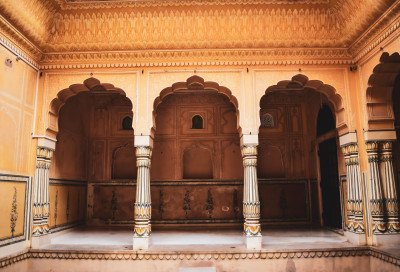
Taragarh Fort
Some quick example text to build on the card title and make up the bulk of the card's content.
Go somewherein Other Cities