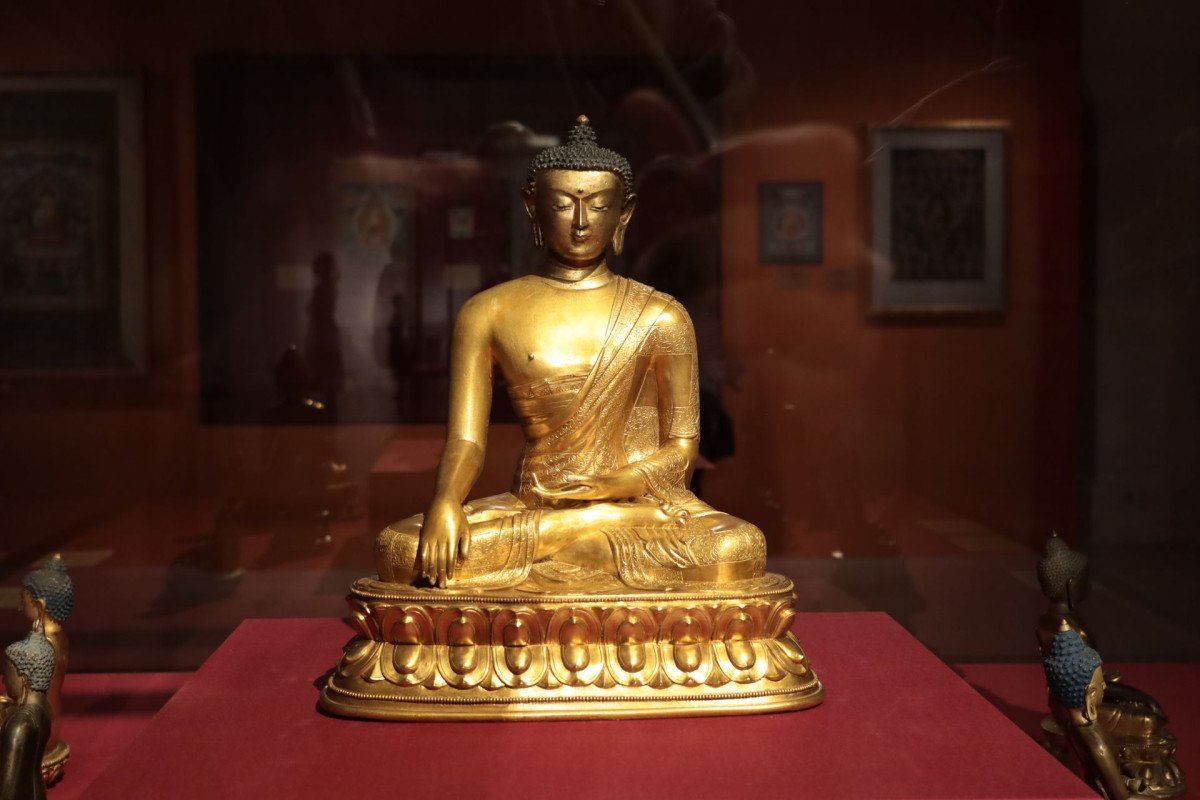
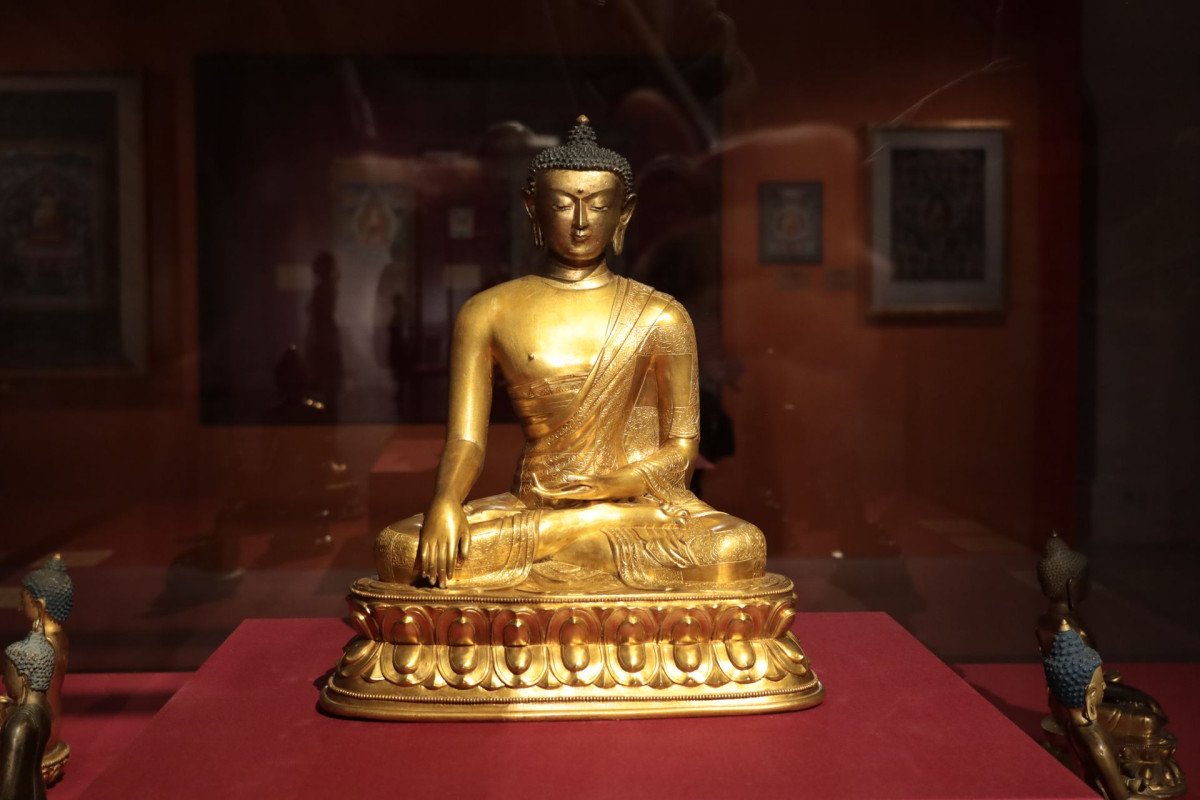
Akbari Fort & Museum
General information
-
Ideal Duration:
1 to 2 hours (Approximately)Place Type:
Historical, Military Fort, MuseumEntry Fees:
Entry Fee for Indian Citizens: The entry fee for Indian citizens is very nominal, typically set at a minimal rate, often around INR 10 per person. As a government museum managed by the Department of Archaeology and Museums, Government of Rajasthan, the objective is to make ...Entry Fee for Indian Citizens: The entry fee for Indian citizens is very nominal, typically set at a minimal rate, often around INR 10 per person. As a government museum managed by the Department of Archaeology and Museums, Government of Rajasthan, the objective is to make history and heritage accessible to all citizens. This low fee is for entry into the fort complex and all museum galleries.
Entry Fee for Foreign Nationals: The fee for foreign tourists is set at a significantly higher rate, usually around INR 50 per person. This differential pricing is a common practice at Indian historical sites, with the collected funds often directed towards the conservation and maintenance of the monument and its collection.
Photography and Other Charges: There is usually a small, separate fee for carrying a still camera (around INR 20 to INR 50). Using a video camera incurs a much higher charge. Additionally, the evening Sound and Light Show, if operating, has a separate ticket price, which is considerably higher than the museum entry fee but is a valuable add-on experience. Entry for children under a certain age (e. g. , 7 years) is often free.Timing:
Regular Opening and Closing Timings: The Akbari Fort & Museum has standard operating hours as a state-run museum. It is generally open from 10:00 AM and closes at 5:00 PM. Critically, the museum observes a weekly off, remaining closed on Mondays and on major government hol...Regular Opening and Closing Timings: The Akbari Fort & Museum has standard operating hours as a state-run museum. It is generally open from 10:00 AM and closes at 5:00 PM. Critically, the museum observes a weekly off, remaining closed on Mondays and on major government holidays. Visitors should plan their trip to Ajmer accordingly to avoid the closure days.
Ideal Visit Time for Museum Exploration: The ideal time to visit the museum and its galleries is during the late morning or early afternoon (avoiding midday heat if possible) between 11:00 AM and 3:00 PM. This period allows for sufficient daylight to appreciate the artifacts and sculptures without being rushed. Since the fort is centrally located, visit timings can be easily integrated with other city tours.
Evening Visit for the Sound and Light Show: For those interested in the historical narrative, the best time to return (or plan a separate visit) is in the evening for the Sound and Light Show. This show usually starts after sunset, around 7:00 PM to 8:00 PM, and provides a dramatic and informative conclusion to the fort's history, experienced under the night sky.Special Events:
The Annual Heritage Week Celebrations: Like many historical sites under the Archaeological Survey of India (ASI) or the State Department of Archaeology and Museums, the fort actively participates in annual heritage and tourism promotion weeks, typically held in November. Du...The Annual Heritage Week Celebrations: Like many historical sites under the Archaeological Survey of India (ASI) or the State Department of Archaeology and Museums, the fort actively participates in annual heritage and tourism promotion weeks, typically held in November. During these times, the museum might host special exhibitions, educational talks by historians, and guided heritage walks that delve deeper into the fort's military and political history.
National Holidays and Observances: The fort, being a government-run museum, often organizes special programs or ceremonial flag hoisting on national holidays like Republic Day (January 26) and Independence Day (August 15). While the museum might sometimes be closed on these days, the fort premises often host cultural events related to the historical and patriotic significance of the location.
Inauguration of New Collections/Exhibitions: Occasionally, the Government Museum adds new artifacts or curates temporary, thematic exhibitions based on its reserves. The inauguration of these new collections is a special event, sometimes attended by state dignitaries, offering the public a first look at previously unseen or specially curated historical material, such as specific periods of weaponry or types of miniature paintings.Best Photo Spots:
The Grand Entrance Gate and Fort Wall: The imposing main entrance gate and the surrounding thick fort walls, built with red sandstone, are the best spots for capturing the grandeur and military strength of the fort. Photograph the entrance from a distance to capture the ent...The Grand Entrance Gate and Fort Wall: The imposing main entrance gate and the surrounding thick fort walls, built with red sandstone, are the best spots for capturing the grandeur and military strength of the fort. Photograph the entrance from a distance to capture the entire architectural facade, reflecting its practical Mughal design. The texture of the stone is excellent for black and white photography.
The Diwan-i-Aam Interior: The Diwan-i-Aam offers a striking composition with its columned open hall. Frame the open archways to create a sense of depth and perspective. The play of light and shadow within the hall is particularly effective during the morning or late afternoon hours, highlighting the architectural details of the audience hall where history was made.
The Courtyards and Pathways: The fort's courtyards, though simple, provide spacious areas that can be used to frame the surrounding fort structures. Use the long pathways and walls to create leading lines in your photographs, giving a sense of the scale of the garrison. Try to include the Mughal domes or arches visible from the courtyard for architectural context.
The Weaponry and Sculpture Galleries (Check Rules): While photography of historical artifacts is often restricted to non-flash, if allowed, the weaponry and sculpture displays are visually rich. Focus on the intricate details of the swords, armor, and the ancient stone carvings, using close-up shots to capture the craftsmanship. The dark setting of the galleries can create a dramatic atmosphere for the artifacts.
The Top of the Fort Walls: If accessible, the top of the fort walls can offer a panoramic view of the bustling Ajmer city center. This spot allows for photographs that juxtapose the historical solidity of the fort with the modern urban sprawl, creating a meaningful historical contrast.Photo Gallery
Things To Do
-
Explore the Government Museum Galleries: Spend a minimum of one to two hours thoroughly exploring the various galleries of the Government Museum. The museum is divided into sections, so focus on the areas that interest you most:
Weaponry Gallery: Examine the impressive array of medieval arms and armor used by Mughal and Rajput warriors, including swords, shields, daggers, and early firearms.
Sculpture Gallery: Study the stone sculptures, some of which are very ancient, providing insight into the religious and artistic traditions of the 8th century and beyond. Look for the black marble Goddess Kali statue.
Art and Painting Gallery: Appreciate the collection of miniature paintings and other artwork, which depict court scenes, historical events, and portraits of...Explore the Government Museum Galleries: Spend a minimum of one to two hours thoroughly exploring the various galleries of the Government Museum. The museum is divided into sections, so focus on the areas that interest you most:
Weaponry Gallery: Examine the impressive array of medieval arms and armor used by Mughal and Rajput warriors, including swords, shields, daggers, and early firearms.
Sculpture Gallery: Study the stone sculptures, some of which are very ancient, providing insight into the religious and artistic traditions of the 8th century and beyond. Look for the black marble Goddess Kali statue.
Art and Painting Gallery: Appreciate the collection of miniature paintings and other artwork, which depict court scenes, historical events, and portraits of rulers like Akbar and Jahangir.
Stand in the Historic Diwan-i-Aam: The Public Audience Hall is where Jahangir met Sir Thomas Roe. Take a moment to stand in this space and reflect on the historical significance of the event that changed the course of Indian history. Imagine the scene of the Mughal Emperor granting the crucial trading farmRs.n to the British ambassador. Appreciate the Mughal and Rajput Architectural Style: Walk the perimeter and internal courtyards of the fort. Observe the fusion of Mughal and Rajput architectural elements. Notice the materials used (red sandstone), the structure of the gateways, and the functional design of the building. The lack of a hilltop location is a unique feature that merits attention. Attend the Evening Sound and Light Show (If Available): The fort often hosts a spectacular Sound and Light Show in the evening, which narrates the history of Ajmer, the Mughal connection, and the pivotal moments that occurred within the fort's walls. This is an engaging way to learn about the site's past and should be checked for current operational timings (usually around 7 PM to 8 PM).
Read the Historical Inscriptions and Plaques: Dedicate time to reading the information plaques placed near the exhibits and key architectural spots. These plaques contain vital historical details about the artifacts, the fort's construction, and the significant events that transpired here, enriching your understanding far more than a casual walk-through. Look specifically for the old rock inscriptions housed in one of the galleries.
Engage with Local Guides: Consider hiring a registered local guide outside the fort entrance. A guide can provide context, point out hidden details, and narrate the stories of Akbar, Jahangir, and Sir Thomas Roe that bring the history of the fort and the museum exhibits to life. Negotiate the guide fee beforehand.
Explore the Adjacent Local Market: The fort is situated in the bustling Naya Bazar area. After your historical visit, spend time exploring the nearby local markets, which offer traditional Rajasthani handicrafts, textiles, and local food. This offers a contrast between the historical significance of the fort and the vibrant, modern life of Ajmer.
Information
-
Why Famous:
The Pivotal Meeting with Sir Thomas Roe: The primary historical significance and fame of the Akbari Fort stem from the 1616 meeting between Mughal Emperor Jahangir and Sir Thomas Roe. This landmark event, where the East India Company was granted permission to trade, is wide...The Pivotal Meeting with Sir Thomas Roe: The primary historical significance and fame of the Akbari Fort stem from the 1616 meeting between Mughal Emperor Jahangir and Sir Thomas Roe. This landmark event, where the East India Company was granted permission to trade, is widely considered the beginning of the British presence and eventual rule in India. This single historical moment makes the fort a critical place in Indian history.
Akbar's Architectural Legacy: The fort is notable as one of the few places in Rajasthan constructed by Akbar himself, providing a direct link to the great Mughal emperorRs.s influence in the region. It showcases his architectural styleRs.practical, strong, and statelyRs.serving as his temporary palace during his religious trips to the Dargah.
The Government Museum Collection: The fort houses the Government Museum, Ajmer, which is famous for its rich and well-preserved collection of artifacts. The collection includes exquisite weaponry from the Mughal and Rajput eras, medieval sculptures (some dating back to the 8th century), old rock inscriptions, and miniature paintings. This historical treasure trove provides a comprehensive view of the military and cultural heritage of Rajasthan. -
Architecture:
Mughal Architectural Style and Layout: The architecture of the Akbari Fort is a clear example of early Mughal style, characterized by a robust and functional design, built using red sandstone and local stone. Unlike many other Rajasthani forts, it is built on a flat land, f...Mughal Architectural Style and Layout: The architecture of the Akbari Fort is a clear example of early Mughal style, characterized by a robust and functional design, built using red sandstone and local stone. Unlike many other Rajasthani forts, it is built on a flat land, following a square or rectangular layout. The fort features large gateways, imposing walls, and spacious courtyards designed for the movement and stationing of Mughal troops. This pragmatic military design contrasts with the decorative features seen in later Mughal buildings, though some ornamentation is present in the residential areas.
The Diwan-i-Aam (Audience Hall): A key architectural feature is the Diwan-i-Aam, or the Public Audience Hall, where Emperor Jahangir held court and received Sir Thomas Roe. This hall is spacious, designed to accommodate a large gathering, and follows the typical Mughal pattern of a columned baradari (pavilion) open on three sides, reflecting the imperial practice of public access to the ruler.
Dimension and Fortification: While exact overall dimensions of the fort's perimeter are not widely published, its scale is considerable, reflecting its military and residential functions for the Emperor and his entourage. The fortRs.s walls are sturdy and high, built for defense. Its location in the center of the city on a flat surface meant that its fortification relied on sheer structural strength rather than natural topography. The present-day museum occupies a significant portion of the internal structure, including the fort's main residential areas. -
How To Reach:
By Air: The nearest domestic airport is Kishangarh Airport (KQH), located approximately 35 KMS from Ajmer. From there, hire a pre-booked taxi or a local cab to reach the Akbari Fort & Museum in the city center. The journey takes about 1 hour. The nearest international gat...By Air: The nearest domestic airport is Kishangarh Airport (KQH), located approximately 35 KMS from Ajmer. From there, hire a pre-booked taxi or a local cab to reach the Akbari Fort & Museum in the city center. The journey takes about 1 hour. The nearest international gateway is Jaipur International Airport (JAI), which is about 135 KMS away. From Jaipur, follow up with a rail or road journey to Ajmer, and then take local transport to the fort.
By Train: The fort is exceptionally well-located for rail travelers, being situated very close to the Ajmer Junction Railway Station (AII). The distance is approximately 1. 3 KMS to 1. 5 KMS. Ajmer Junction is a major station on the Indian Railways network, with connections to almost all corners of the country. After alighting, you can easily reach the fort within minutes by hiring a local auto-rickshaw or even taking a short walk.
By Road: Ajmer is a key city on the Indian road network, connected by National Highways. Regular state and private bus services connect Ajmer to nearby cities like Jaipur (135 KMS), Delhi (390 KMS), and Jodhpur (200 KMS). The city bus stand is also centrally located. If driving, follow the signs to the city center and the railway station area, as the fort is a prominent landmark in the old city. Parking facilities near the fort can be congested, so plan accordingly.
By Local Transport: The Akbari Fort & Museum is conveniently located in the heart of Ajmer, making local transport easy:
Auto-rickshaws: They are the quickest and most popular mode of local transport. They are available everywhere, but negotiation of the fare before the ride is essential.
Cycle-rickshaws: For very short hops in the immediate market area, cycle-rickshaws provide an atmospheric and eco-friendly option.
Local Cabs/Taxis: App-based taxi services are also operational in Ajmer and offer a more comfortable, air-conditioned ride directly to the fort's vicinity. -
Weather and Best Time to Visit:
Best Season:
Winter (October to March): The most pleasant time to visit the Akbari Fort & Museum is during the winter season, from October to March. The weather is cool and dry, with daytime temperatures ranging between 15Rs.C and 25Rs.C. This ...Best Season:
Winter (October to March): The most pleasant time to visit the Akbari Fort & Museum is during the winter season, from October to March. The weather is cool and dry, with daytime temperatures ranging between 15Rs.C and 25Rs.C. This comfortable climate is ideal for walking around the fort's open courtyards, exploring the museum without heat fatigue, and waiting for the evening Sound and Light Show. November through February are peak tourist months.
Season to Avoid:
Summer (April to June): Summer in Ajmer is intense, with temperatures often exceeding 40Rs.C. Visiting during April, May, or June is not recommended for outdoor sightseeing, as the heat can be draining, and the fort's stone structures absorb and radiate heat.
The Monsoon Interlude (July to September): The monsoon season brings moderate rainfall from July to September, which cools the environment. While the rains can occasionally make walking in the courtyards difficult, this season offers a less crowded visit and a more refreshing atmosphere.
Best Part of the Day:
Late Morning/Early Afternoon: For the museum component, the late morning or early afternoon (around 11:00 AM to 3:00 PM) is the best time. The galleries are indoors and well-lit during these hours, making it ideal for viewing the artifacts and historical displays. Plan your visit to conclude just before the museum closes at 5:00 PM.
Evening for the Sound and Light Show: If you plan to attend the historical Sound and Light Show, you must visit the fort again in the evening (check for operational status and timings, usually around 7 PM to 8 PM). The evening atmosphere, with the fort dramatically illuminated, provides a completely different and compelling perspective on the monument. -
Near Tourist Places:
1.
Ajmer Sharif Dargah: Approx. 0. 5 KMS (Sufi shrine). 2.
Clock Tower, Ajmer: Approx. 1 KMS (Historical landmark). 3.
Adhai Din Ka Jhopra: Approx. 1. 5 KMS (Mosque ruins). 4.
Soniji Ki Nasiyan (Ajmer Jain Temple): Approx. 1. 5 KMS (Golden Temple). 5.
Ana Sagar Lake: Approx. 2. 5 KMS (Man-made lake). 6.
Daulat Bagh Gardens: Approx. 2. 5 KMS (Mughal gardens). 7.
Taragarh Fort: Approx. 6. 5 KMS (Hill fort). 8.
Prithviraj Smarak: Approx. 5. 5 KMS (Memorial). 9.
Nareli Jain Temple: Approx. 9 KMS (Modern Jain complex). 10.
Pushkar Lake: Approx. 16 KMS (Sacred lake in Pushkar). 11.
Kishangarh Fort: Approx. 28 KMS (Historical fort).
Tourism Tips
-
Health & Safety Guidelines: The fort is an old structure; watch your step on uneven flooring, especially in the museum and around the pathways. Stay hydrated, as the open courtyards can be warm even in winter. Use sunscreen and wear a hat if visiting during the day. Sinc...Health & Safety Guidelines: The fort is an old structure; watch your step on uneven flooring, especially in the museum and around the pathways. Stay hydrated, as the open courtyards can be warm even in winter. Use sunscreen and wear a hat if visiting during the day. Since the museum houses valuable artifacts, follow the security personnel's instructions, especially regarding touching exhibits. Keep your bags securely closed.
Appropriate Packing Essentials: Wear comfortable walking shoes suitable for exploring historical grounds. Carry a small shoulder bag for essentials, leaving large bags and backpacks in your accommodation or a secured locker if available. A small notepad for taking notes on the historical plaques can be useful. If visiting in the evening for the show, carry a light jacket, as it can get cool after sunset.
Accommodation and Stay: The fort's central location near the railway station and bus stand means many hotels, ranging from budget to mid-range, are available nearby. Staying in this area is convenient for accessing all major city attractions, including the Ajmer Sharif Dargah and Soniji Ki Nasiyan. Book in advance, particularly if your visit coincides with the annual Pushkar Fair (October/November).
Other Different Topics Heading:
Historical Context Awareness: To fully appreciate the fort, familiarize yourself with the history of Mughal rule, particularly the reigns of Akbar and Jahangir, and the significance of Sir Thomas Roe's visit. Reading up on the local Rajput history will also enhance your understanding of the context of the fort's existence. The Government Museum is rich in material; take your time, focusing on the historical significance rather than just a quick walk-through. Remember to check if the museum is closed on Mondays.
Reviews
FAQs
Ajmer Itineray And Cost:-
Akbari Fort & Museum Tourism:-
Other Places In Ajmer :-
Other States In India :-
Information about New and Updated Locations() of Rajasthan Has Been Added :-
Card subtitle
Note:-
Information provided here in good Faith and for reference only.
Near Places

Abdulla Khan's Tomb
Some quick example text to build on the card title and make up the bulk of the card's content.
Go somewhere
Adhai Din Ka Jhonpra
Some quick example text to build on the card title and make up the bulk of the card's content.
Go somewhere
Ajmer Clock Tower, also known as Victoria Jubilee Clock Tower
Some quick example text to build on the card title and make up the bulk of the card's content.
Go somewhere
Ajmer Sharif Dargah
Some quick example text to build on the card title and make up the bulk of the card's content.
Go somewhere
Akbari Fort & Museum
Some quick example text to build on the card title and make up the bulk of the card's content.
Go somewhere
Ana Sagar Lake
Some quick example text to build on the card title and make up the bulk of the card's content.
Go somewhere
Buland Darwaza, Ajmer Sharif Dargah Complex
Some quick example text to build on the card title and make up the bulk of the card's content.
Go somewhere
Daulat Bagh Gardens
Some quick example text to build on the card title and make up the bulk of the card's content.
Go somewhere
Durga Bagh Gardens
Some quick example text to build on the card title and make up the bulk of the card's content.
Go somewhere
Foy Sagar Lake
Some quick example text to build on the card title and make up the bulk of the card's content.
Go somewhere
Nareli Jain Temple
Some quick example text to build on the card title and make up the bulk of the card's content.
Go somewhere
Prithviraj Smarak
Some quick example text to build on the card title and make up the bulk of the card's content.
Go somewhere
Sai Baba Temple
Some quick example text to build on the card title and make up the bulk of the card's content.
Go somewhere
Seven Wonder Park
Some quick example text to build on the card title and make up the bulk of the card's content.
Go somewhere
Soniji Ki Nasiyan
Some quick example text to build on the card title and make up the bulk of the card's content.
Go somewhere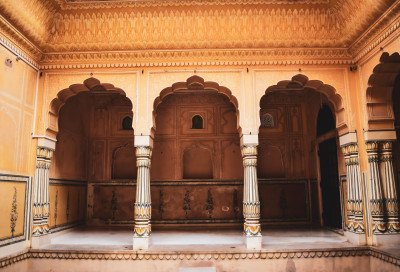
Taragarh Fort
Some quick example text to build on the card title and make up the bulk of the card's content.
Go somewherein Other Cities