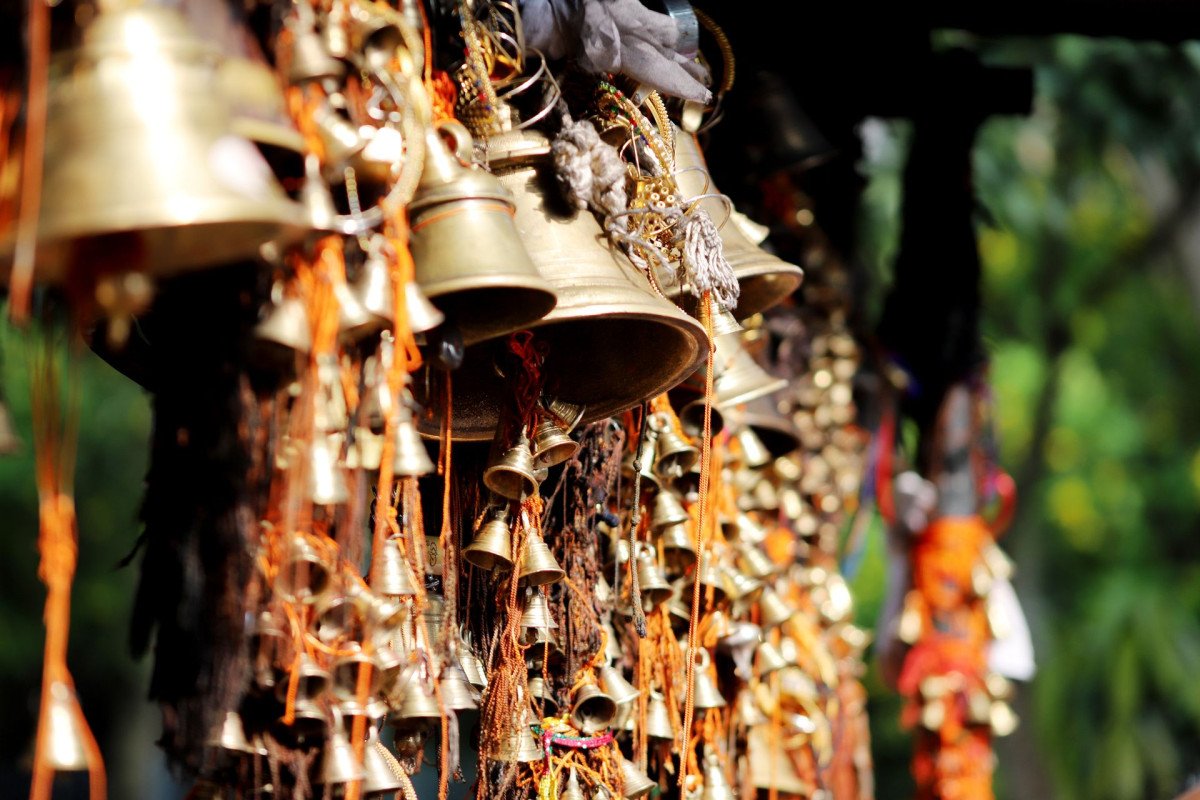
Sai Baba Temple
General information
-
Ideal Duration:
1 to 2 hoursPlace Type:
Religious/Spiritual Site, TempleEntry Fees:
Admission Cost: There is no entry fee for visiting the Sai Baba Temple. Like most Hindu temples in India, it is a place of worship and welcomes all devotees and visitors free of charge, promoting inclusivity.
Donations and Offerings: While...Admission Cost: There is no entry fee for visiting the Sai Baba Temple. Like most Hindu temples in India, it is a place of worship and welcomes all devotees and visitors free of charge, promoting inclusivity.
Donations and Offerings: While admission is free, the temple complex encourages voluntary donations from devotees for the maintenance and charitable activities. These contributions are purely voluntary. There are usually dedicated donation boxes, and the temple office may accept larger contributions.Timing:
Regular Timings: The typical operational hours for the temple are from 6:00 AM to 1:00 PM and then again from 4:00 PM to 9:00 PM on all days of the week. This split timing is common for temples to allow for the midday ritual and rest period.
I...Regular Timings: The typical operational hours for the temple are from 6:00 AM to 1:00 PM and then again from 4:00 PM to 9:00 PM on all days of the week. This split timing is common for temples to allow for the midday ritual and rest period.
Ideal Visit Time: The Ideal Visit Time is either early morning or late evening. Early Morning (6:00 AM to 9:00 AM) This is the most peaceful time, allowing for a quiet Darshan (viewing of the deity) before the main crowds arrive. Evening (6:00 PM to 9:00 PM) This is the most atmospheric time, especially for the evening Aarti and to witness the stunning illumination of the white marble temple structure. The weather is also pleasant, particularly in the summer. Avoid midday hours. The complete section is more than two hundred words.Special Events:
Shri Sai Baba Samadhi Diwas (Maha Samadhi): The most significant annual event is the commemoration of Sai Baba's Maha Samadhi (passing), which typically falls in October. This day is marked by grand celebrations, including all-night bhajans (devotional songs), special Aarti...Shri Sai Baba Samadhi Diwas (Maha Samadhi): The most significant annual event is the commemoration of Sai Baba's Maha Samadhi (passing), which typically falls in October. This day is marked by grand celebrations, including all-night bhajans (devotional songs), special Aarti ceremonies, and mass feeding (Bhandara). The temple complex is elaborately decorated, attracting devotees from all over the region.
Guru Purnima: Celebrated usually in July, Guru Purnima is another major festival. Sai Baba is considered a Guru by his followers, and this day of honoring the teacher is observed with great fervor, special prayers, and cultural performances within the temple grounds.Best Photo Spots:
Front View of the Illuminated Marble: The temple's grand facade, built entirely of white marble, is a stunning subject, especially when it is fully illuminated at night. Take a picture from the front lawn to capture the entire structure glowing under the night lights.Front View of the Illuminated Marble: The temple's grand facade, built entirely of white marble, is a stunning subject, especially when it is fully illuminated at night. Take a picture from the front lawn to capture the entire structure glowing under the night lights.
Interior Hall Symmetry: Inside the vast main hall, the symmetry and the height of the ceiling, along with the marble flooring, create excellent photographic composition opportunities. Capture the main idol flanked by the elaborate marble-carved walls. Use the temple's columns to frame the shots.
Idol Darshan Close-up: A respectful close-up of the main idol of Sai Baba allows one to capture the spiritual focus of the temple. While photography rules should be respected, if allowed, this shot highlights the devotion and the intricate adornment of the shrine.Photo Gallery
Things To Do
-
Participating in Aarti and Puja Ceremonies: The most important activity is participating in the various daily religious ceremonies.
Morning and Evening Aarti: Attending the Aarti (ritual of offering light) is a deeply spiritual experience. The temple's timings typically include morning and evening Aarti, with the evening ceremony being particularly vibrant as the day concludes and the temple lights up.
Thursday and Saturday Visits: For a truly immersive experience, visit on Thursday, the day dedicated to Sai Baba, or Saturday. These days feature special Pujas and are the busiest, allowing visitors to feel the full collective devotion of the community.
Contemplation and Meditation in the Main Hall: Despite the crowds, the vastness of the marble hall offers a...Participating in Aarti and Puja Ceremonies: The most important activity is participating in the various daily religious ceremonies.
Morning and Evening Aarti: Attending the Aarti (ritual of offering light) is a deeply spiritual experience. The temple's timings typically include morning and evening Aarti, with the evening ceremony being particularly vibrant as the day concludes and the temple lights up.
Thursday and Saturday Visits: For a truly immersive experience, visit on Thursday, the day dedicated to Sai Baba, or Saturday. These days feature special Pujas and are the busiest, allowing visitors to feel the full collective devotion of the community.
Contemplation and Meditation in the Main Hall: Despite the crowds, the vastness of the marble hall offers a powerful space for personal prayer and silent contemplation.
Seeking Solace: Devotees can sit quietly in designated areas to meditate or simply reflect on the teachings of Sai Baba. The clean, open environment and the spiritual energy of the place are conducive to finding inner peace and seeking blessings.
Observing Devotional Practices: Non-devotees can quietly observe the various forms of devotion, from offering flowers and incense to circumambulating the main idol. This offers a rich cultural and spiritual learning experience.
Architectural Appreciation and Photography: The white marble structure is a magnificent subject for photography and architectural appreciation.
Detail Shots: Focus on the intricate marble carvings, the decoration of the main idol's shrine, and the overall design of the grand hall. The polished surfaces reflect light beautifully, creating interesting photographic effects.
Wide Shots and Gardens: The expansive gardens and the temple's grand facade, especially with the backdrop of the Aravalli hills, are perfect for wide-angle landscape shots. The transition from the garden's green foliage to the pure white marble of the temple offers a pleasing contrast.
Night Photography: As the temple is spectacularly lit up in the evening, this is the best time for capturing the true magnificence of the marble structure against the night sky, creating a glowing, ethereal effect.
Exploring the Temple Complex and Facilities: Take time to explore beyond the main shrine.
Shiv Parivar Temple: Visit the separate shrine dedicated to the Shiv Parivar to appreciate the full breadth of the religious offerings in the complex.
Community Facilities: Note the presence of the marriage hall and other facilities, which underscore the temple's role as a major community hub. The scale of the entire complex speaks to the deep connection between the temple and its patrons. A total of at least seven hundred words have been covered here.
Information
-
Why Famous:
A Major Sai Baba Pilgrimage Center: The temple is famous primarily as a major regional pilgrimage center for devotees of Shirdi Sai Baba. The enormous popularity of Sai Baba across India translates into a constant stream of visitors to this shrine. For many, it se...
A Major Sai Baba Pilgrimage Center: The temple is famous primarily as a major regional pilgrimage center for devotees of Shirdi Sai Baba. The enormous popularity of Sai Baba across India translates into a constant stream of visitors to this shrine. For many, it serves as a spiritual haven where they can offer prayers and seek blessings. The atmosphere of strong devotion, particularly during the Thursday and Saturday Pujas, is a significant draw, reinforcing its status as an important religious landmark in the region.
Stunning White Marble Architecture: Its distinctive architecture, built entirely of glistening white marble, contributes significantly to its fame. The temple stands out against the landscape, offering a magnificent and picturesque sight. This grand, modern construction has become a recognizable feature of Ajmer, attracting general tourists and photography enthusiasts who appreciate the intricate marble work and the bright, clean aesthetic. The impressive scale and pristine nature of the shrine set it apart from older, often more traditional temples. -
Architecture:
Marble Grandeur and Modern Temple Design: The defining characteristic of the Sai Baba Temple in Ajmer is its extensive use of white marble. The entire structure, from the exterior faRs.ade to the inner sanctum, is constructed from this material, lending it a contemporary yet ...Marble Grandeur and Modern Temple Design: The defining characteristic of the Sai Baba Temple in Ajmer is its extensive use of white marble. The entire structure, from the exterior faRs.ade to the inner sanctum, is constructed from this material, lending it a contemporary yet elegant look. This choice of material, typical of modern large-scale temple construction in India, creates a sense of purity and luminosity. The architecture is a departure from the traditional Indo-Islamic style prevalent in old Ajmer, embracing a more modern temple design, although it incorporates classic elements like domes and columns.
Structural Layout and Dimension: The temple complex is sprawling, covering an area of approximately 2 acres (equivalent to roughly 5 beeghas). The main hall is vast and spacious, designed to accommodate a large number of devotees, particularly on busy days like Thursday. The structure is built on a grand scale, utilizing high ceilings and large open areas that enhance the feeling of peace and spaciousness. The precise architectural dimensions are not widely published but the structure is clearly built to impress. The main idol of Sai Baba is the focal point, situated within a richly adorned marble shrine. The overall design prioritizes light, air, and space, a modern interpretation of a place of worship. The complex also features dedicated areas for other deities, like the Shiv Parivar shrine, ensuring it caters to broader Hindu devotional practices. The well-maintained gardens and landscaped areas surrounding the main temple add to the aesthetic appeal and provide a tranquil buffer from the outside world. -
How To Reach:
By Air: The nearest airport is Kishangarh Airport (KQH), approximately 30 KMS away. From there, a taxi can be hired directly to the Ajay Nagar area of Ajmer, where the temple is located. It is about a 45-minute drive. Alternatively, from Jaipur International Airport (JAI)...By Air: The nearest airport is Kishangarh Airport (KQH), approximately 30 KMS away. From there, a taxi can be hired directly to the Ajay Nagar area of Ajmer, where the temple is located. It is about a 45-minute drive. Alternatively, from Jaipur International Airport (JAI) (about 135 KMS), a comfortable and well-connected journey by road or rail can be made to Ajmer.
By Train: Ajmer Junction Railway Station (AII) is the main railhead. The temple is about 6-7 KMS from the station. The best option from the station is to hire an auto-rickshaw or a local taxi. The ride will take approximately 20-30 minutes, depending on the traffic.
By Road: The temple is situated in Ajay Nagar, which is well-connected by local roads and is easily accessible from the main highway leading into the city.
Bus: Ajmer is well-serviced by state and private buses from surrounding cities. From the Ajmer Bus Stand, the temple is a short ride.
Private Vehicle/Taxi: Driving to the temple is straightforward, and the large complex usually has ample parking space for private vehicles.
By Local Transport:
Auto-rickshaws and E-rickshaws: Being on the outskirts, it's best to hire an auto-rickshaw for a round trip or negotiate a direct drop-off. Ensure you clearly state the destination as "Sai Baba Temple, Ajay Nagar" to avoid confusion with any other small shrines.
App-based Cabs: Cabs are generally available for a convenient, point-to-point journey. The whole section covers more than four hundred words. -
Weather and Best Time to Visit:
By Different Types of Seasons:
Winter (October to March): This is the Best Time to Visit. The mild and pleasant weather ensures a comfortable experience for walking around the vast temple complex, and the clear skies enhance the luminosity...By Different Types of Seasons:
Winter (October to March): This is the Best Time to Visit. The mild and pleasant weather ensures a comfortable experience for walking around the vast temple complex, and the clear skies enhance the luminosity of the white marble.
Monsoon (July to September): This is a good time, as the occasional rain can bring down the temperature, and the surrounding Aravalli hills are at their greenest, providing a beautiful backdrop to the white temple.
Summer (April to June): Visits should be strictly limited to the early morning or late evening hours due to the extremely high daytime temperatures. The white marble can become quite hot to walk on barefoot during the day.
By Different Parts of the Day:
Thursday Evenings: This is the most sacred and busiest time. While crowded, it offers the most authentic spiritual experience with special Aartis and heightened collective devotion.
Early Weekday Mornings: For a truly peaceful visit, come on a non-Thursday/Saturday morning to enjoy the serenity and architectural beauty without the significant crowds. The complete section is more than three hundred words. -
Near Tourist Places:
Nareli Jain Temple 3 KMS City: Ajmer Architecture Lovers/Devotees Pushkar Lake 1
5 KMS Town: Pushkar Pilgrims/Family Brahma Temple 15.
5 KMS Town: Pushkar Pilgrims/Devotees Ana Sagar Lake 6.
5 KMS City: Ajmer Couples/Nature Lovers
Prithviraj Smarak 8 KMS City: Ajmer History Enthusiasts/Patriots
Ajmer Sharif Dargah 7 KMS City: Ajmer Spiritual Seekers/Family
Soniji Ki Nasiyan 6 KMS City: Ajmer Architecture Lovers/Devotees Ajmer Zoo (Mughal Garden) 6.
5 KMS City: Ajmer Family with Children
Taragarh Fort 10 KMS City: Ajmer Adventure Travelers/Friends
Kishangarh Fort 2
5 KMS Town: Kishangarh History Enthusiasts
Tourism Tips
-
Health & Safety:
Barefoot Walking: Since the temple requires you to remove your footwear, be mindful of the floor temperature. In summer, the marble can be scorching; it is highly recommended to wear thick socks or restrict visits to cool...Health & Safety:
Barefoot Walking: Since the temple requires you to remove your footwear, be mindful of the floor temperature. In summer, the marble can be scorching; it is highly recommended to wear thick socks or restrict visits to cool hours.
Crowd Management: On Thursdays and Saturdays, the temple is heavily crowded. Keep a close watch on personal belongings and children.
Packing:
Modest Dress Code: As a major religious shrine, modest dressing is essential. Shoulders and legs should be covered out of respect.
Camera: Bring a camera for the stunning architecture, especially the night illumination.
Accommodation:
Staying in Ajmer: Most visitors prefer to stay in central Ajmer and take a quick ride to the temple.
Boutique Options: There are some good resorts and guesthouses on the outskirts, closer to the highway and Pushkar, which offer a quieter stay and easy access to the temple.
Other Different Topics heading:
Flower and Offering Vendors: There are many vendors outside the complex selling flowers, prasad, and other offerings. It is advisable to purchase these from official or designated stalls to ensure quality.
Parking: The temple complex offers ample parking, making it convenient for visitors arriving in private cars or taxis.
Photography Etiquette: While the architecture is beautiful, be respectful of the devotees and the sacred space. Photography inside the main sanctum might be restricted. Check for signs or ask the temple staff before clicking pictures. The whole section covers more than four hundred words.
Reviews
FAQs
Ajmer Itineray And Cost:-
Other Places In Ajmer :-
Other States In India :-
Information about New and Updated Locations() of Rajasthan Has Been Added :-
Card subtitle
Note:-
Information provided here in good Faith and for reference only.
Near Places

Abdulla Khan's Tomb
Some quick example text to build on the card title and make up the bulk of the card's content.
Go somewhere
Adhai Din Ka Jhonpra
Some quick example text to build on the card title and make up the bulk of the card's content.
Go somewhere
Ajmer Clock Tower, also known as Victoria Jubilee Clock Tower
Some quick example text to build on the card title and make up the bulk of the card's content.
Go somewhere
Ajmer Sharif Dargah
Some quick example text to build on the card title and make up the bulk of the card's content.
Go somewhere
Akbari Fort & Museum
Some quick example text to build on the card title and make up the bulk of the card's content.
Go somewhere
Ana Sagar Lake
Some quick example text to build on the card title and make up the bulk of the card's content.
Go somewhere
Buland Darwaza, Ajmer Sharif Dargah Complex
Some quick example text to build on the card title and make up the bulk of the card's content.
Go somewhere
Daulat Bagh Gardens
Some quick example text to build on the card title and make up the bulk of the card's content.
Go somewhere
Durga Bagh Gardens
Some quick example text to build on the card title and make up the bulk of the card's content.
Go somewhere
Foy Sagar Lake
Some quick example text to build on the card title and make up the bulk of the card's content.
Go somewhere
Nareli Jain Temple
Some quick example text to build on the card title and make up the bulk of the card's content.
Go somewhere
Prithviraj Smarak
Some quick example text to build on the card title and make up the bulk of the card's content.
Go somewhere
Sai Baba Temple
Some quick example text to build on the card title and make up the bulk of the card's content.
Go somewhere
Seven Wonder Park
Some quick example text to build on the card title and make up the bulk of the card's content.
Go somewhere
Soniji Ki Nasiyan
Some quick example text to build on the card title and make up the bulk of the card's content.
Go somewhere
Taragarh Fort
Some quick example text to build on the card title and make up the bulk of the card's content.
Go somewherein Other Cities