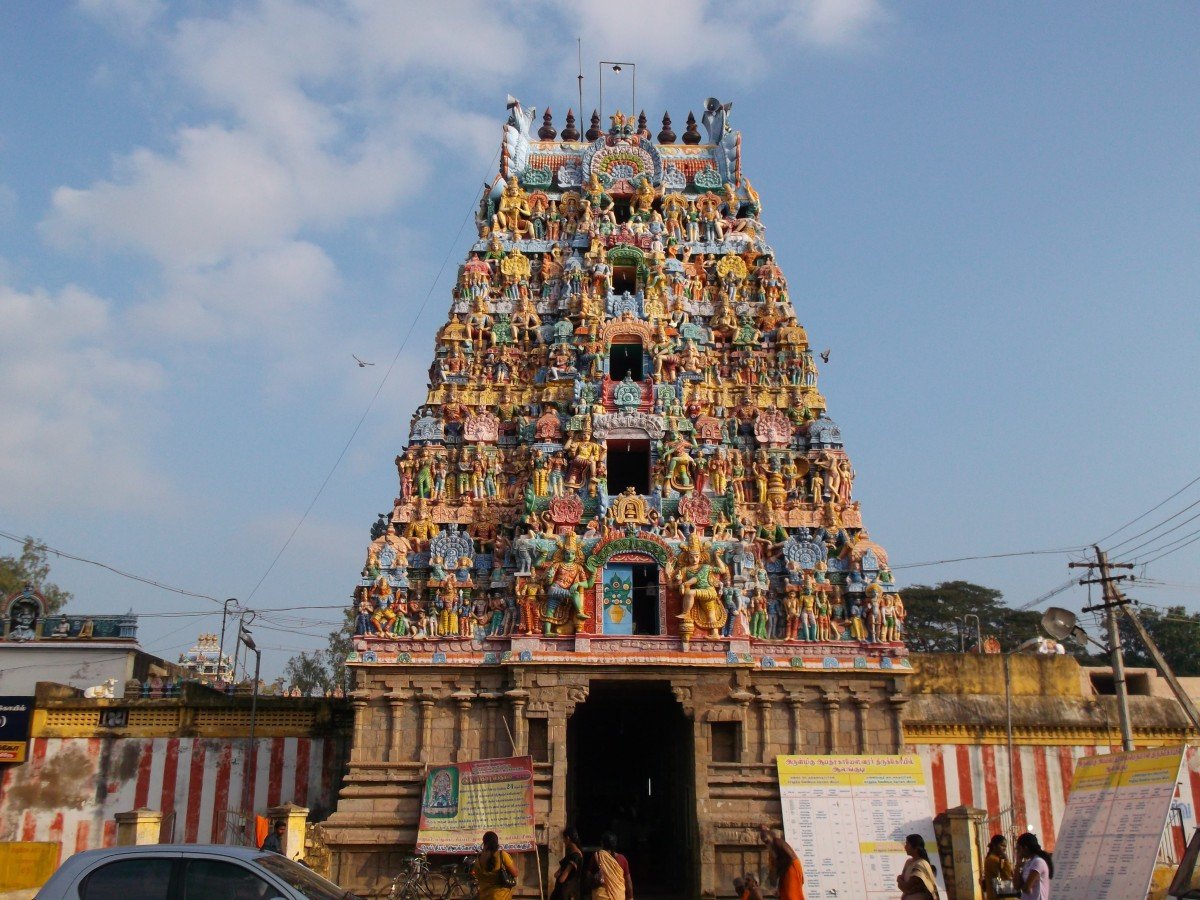
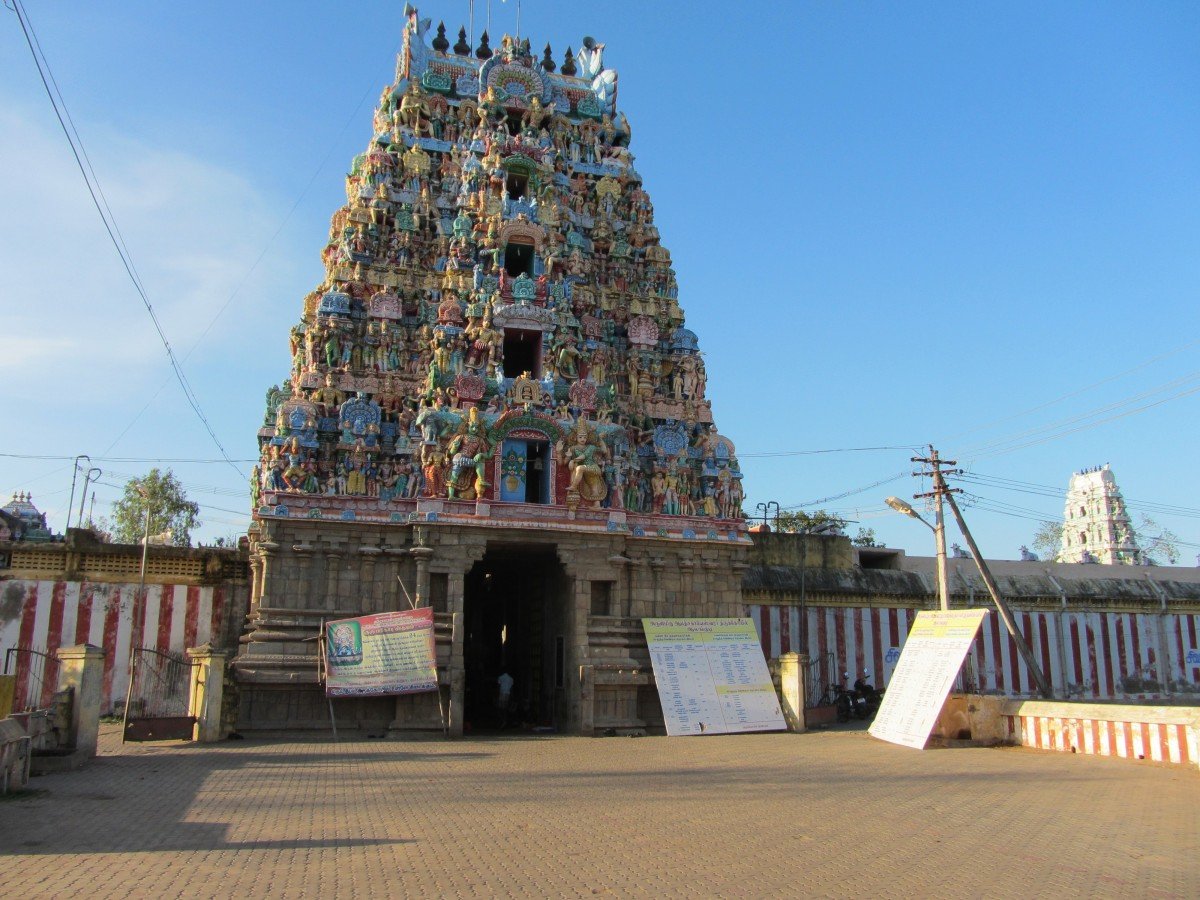
Alangudi Guru Temple
General information
-
Ideal Duration:
2 HoursPlace Type:
Religious / AstrologicalEntry Fees:
General entry is free. Special Darshan tickets for quicker access are usually 50 to 100 Rupees. For specific "Parihara" (remedial) pujas, the cost can range from 250 to 1,000 Rupees depending on the complexity of the ritual and the offerings included. Photography is restricted inside the sanctum...General entry is free. Special Darshan tickets for quicker access are usually 50 to 100 Rupees. For specific "Parihara" (remedial) pujas, the cost can range from 250 to 1,000 Rupees depending on the complexity of the ritual and the offerings included. Photography is restricted inside the sanctum area.
:Timing:
The temple is open from 6:00 AM to 1:00 PM and from 4:00 PM to 8:30 PM.
Ideal Visit Time: Early morning at 6:00 AM is the most peaceful. Avoid Thursdays if you want to avoid massive crowds. For those seeking the full spiritual experience, the "Uchi Kala Pooja" (m...The temple is open from 6:00 AM to 1:00 PM and from 4:00 PM to 8:30 PM.
Ideal Visit Time: Early morning at 6:00 AM is the most peaceful. Avoid Thursdays if you want to avoid massive crowds. For those seeking the full spiritual experience, the "Uchi Kala Pooja" (mid-day ritual) at 12:00 PM is very powerful.
:Special Events:
The most spectacular event is Guru Peyarchi, the transit of Jupiter. This occurs roughly once a year and is a massive festival where the deity is bathed in holy waters and milk. The Brahmotsavam in the Tamil month of Chittirai (April-May) is also a major 10-day celebration featuring chariot proce...The most spectacular event is Guru Peyarchi, the transit of Jupiter. This occurs roughly once a year and is a massive festival where the deity is bathed in holy waters and milk. The Brahmotsavam in the Tamil month of Chittirai (April-May) is also a major 10-day celebration featuring chariot processions and traditional music.
:Best Photo Spots:
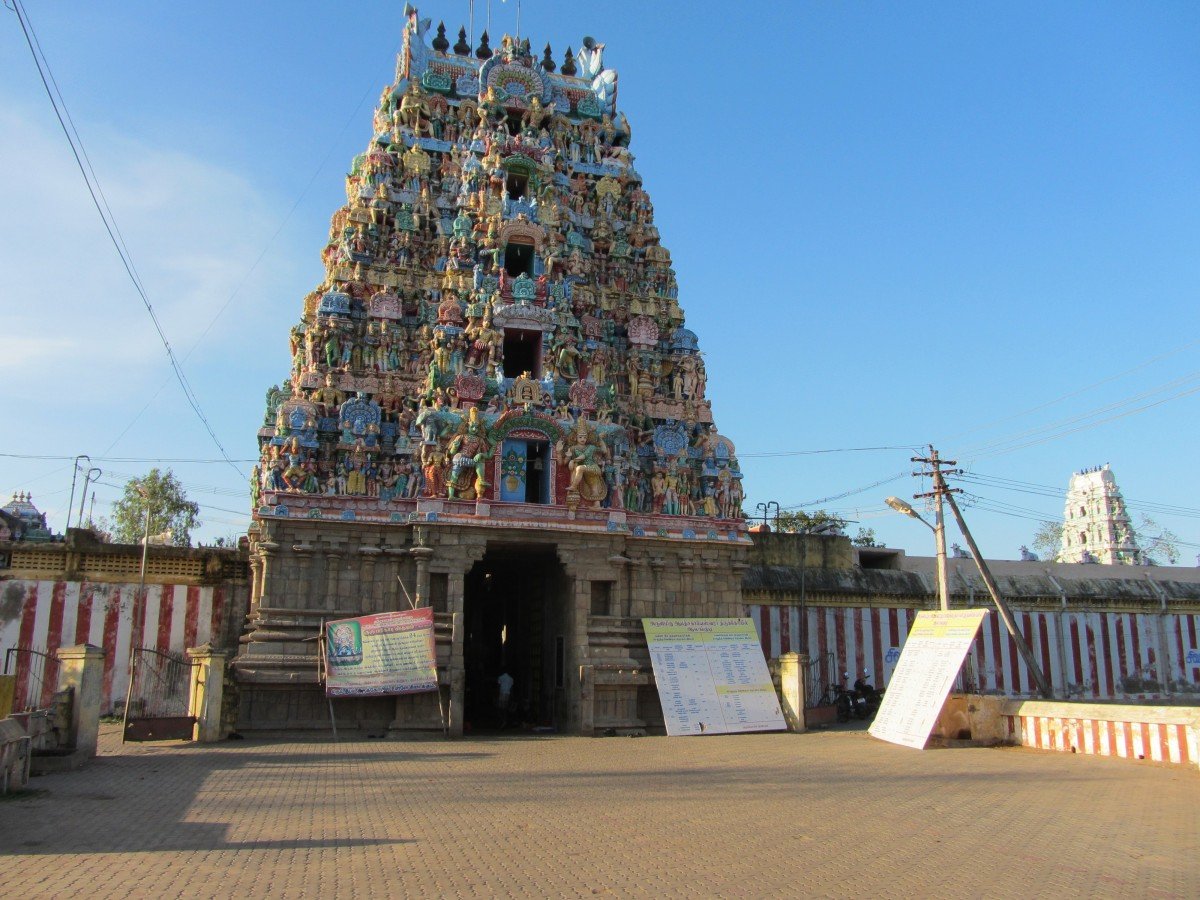
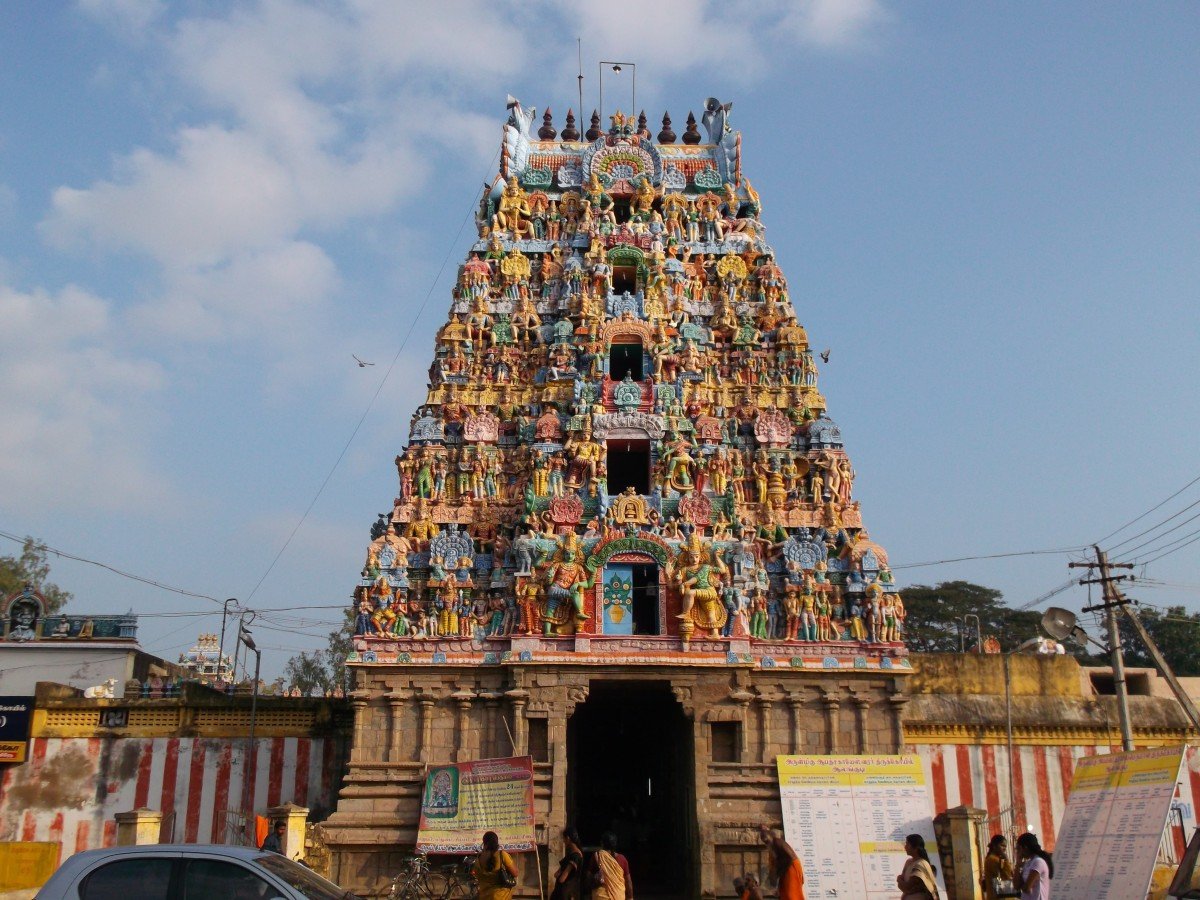
The Five-Tiered Gopuram: Capture the entrance against the morning sun.
The Golden Chariot: If visiting during a festival, the Thanga Ratham (Golden Chariot) is a magnificent subject.
The Temple Tank: The re...The Five-Tiered Gopuram: Capture the entrance against the morning sun.
The Golden Chariot: If visiting during a festival, the Thanga Ratham (Golden Chariot) is a magnificent subject.
The Temple Tank: The reflections of the temple towers in the Chakra Theertham provide a peaceful and symmetrical composition.
Rural Landscapes: The road leading to Alangudi, lined with coconut trees and rivers, is perfect for landscape photography.
:Photo Gallery
Things To Do
-
Guru Parihara Puja: Participate in the special remedial prayers if you are seeking astrological benefits. This usually involves offering yellow cloth and chickpeas (Kondaikadalai) to the deity.
Light 24 Lamps: Follow the local tradition of lighting 24 ghee lamps and walking around the Guru shrine 24 times. This is believed to bring immense luck.
Visit the Holy Tank: Take a ritual sprinkle of water from the Chakra Theertham, which is said to have been created by Lord Vishnu’s discus.
Observe Thursday Rituals: If possible, visit on a Thursday to see the elaborate Abhishekam and the gold-shield decoration (Thanga Kavasam) of the deity.
Offer Yellow Flowers: It is customary to offer Mullai (Jasmine) or yellow oleander flowers he...Guru Parihara Puja: Participate in the special remedial prayers if you are seeking astrological benefits. This usually involves offering yellow cloth and chickpeas (Kondaikadalai) to the deity.
Light 24 Lamps: Follow the local tradition of lighting 24 ghee lamps and walking around the Guru shrine 24 times. This is believed to bring immense luck.
Visit the Holy Tank: Take a ritual sprinkle of water from the Chakra Theertham, which is said to have been created by Lord Vishnu’s discus.
Observe Thursday Rituals: If possible, visit on a Thursday to see the elaborate Abhishekam and the gold-shield decoration (Thanga Kavasam) of the deity.
Offer Yellow Flowers: It is customary to offer Mullai (Jasmine) or yellow oleander flowers here.
Explore the Village: Alangudi is a peaceful rural area; a short walk outside the temple offers a glimpse into Tamil Nadu's paddy field landscapes.
Chant Mantras: Sit in the quiet corners of the outer Prakaram and chant the Guru Gayatri mantra for mental peace.
Consult Local Priests: You can engage with the temple priests to understand the specific "Sthala Puranam" (local history) and the significance of the various smaller shrines.
:
Information
-
Why Famous:
This temple is globally famous as the "Guru Sthalam," the sacred site for the planet Jupiter. In Vedic astrology, Jupiter is the most benevolent planet, governing wealth, wisdom, and family. It is the only place where Lord Shiva is worshipped specifically in his form as the supreme teacher (Daksh...This temple is globally famous as the "Guru Sthalam," the sacred site for the planet Jupiter. In Vedic astrology, Jupiter is the most benevolent planet, governing wealth, wisdom, and family. It is the only place where Lord Shiva is worshipped specifically in his form as the supreme teacher (Dakshinamurthy) to alleviate planetary afflictions. It is also famous for the legend of the "poison drinking," which gives the village its name. Every year, during the "Guru Peyarchi" (Jupiter's transition from one zodiac sign to another), lakhs of devotees visit for a single day.
: -
Architecture:
The architecture is a blend of the early Chola period and later 16th-century Nayak additions.
Dimension: The temple covers an area of about 2 acres. The main Rajagopuram is 5-tiered and stands approximately 70 feet tall.
Layout: T...The architecture is a blend of the early Chola period and later 16th-century Nayak additions.
Dimension: The temple covers an area of about 2 acres. The main Rajagopuram is 5-tiered and stands approximately 70 feet tall.
Layout: The temple has two main circuits. The inner sanctum houses the Shivalingam (Abatsahayeswarar) and the separate shrine for Goddess Elavarkuzhali. However, the architectural focus for most pilgrims is the south-facing shrine of Lord Dakshinamurthy (Guru). The temple features 15 holy water tanks (Theerthams), with the Chakra Theertham being the most prominent. The pillars in the Mandapam are made of solid granite and feature carvings of the various planetary deities and mythological figures. The copper-plated Balipeeta and the Nandi Mandapa are classic examples of Nayak era craftsmanship.
: -
How To Reach:
By Air: Tiruchirappalli International Airport (105 KMS). A taxi takes about 2. 5 to 3 hours.
By Train: Reach Kumbakonam Railway Station (17 KMS) or Needamangalam Station (7 KMS). From Kumbakonam, plenty of buses and taxis are available. <...By Air: Tiruchirappalli International Airport (105 KMS). A taxi takes about 2. 5 to 3 hours.
By Train: Reach Kumbakonam Railway Station (17 KMS) or Needamangalam Station (7 KMS). From Kumbakonam, plenty of buses and taxis are available.
By Road: It is located on the Kumbakonam to Mannargudi route. State buses (TNSTC) run frequently from Kumbakonam bus stand.
By Local Transport: Hiring a private taxi for a half-day trip from Kumbakonam is the most comfortable way to visit Alangudi and nearby temples.
: -
Weather and Best Time to Visit:
Seasons: October to March is best for pleasant temperatures. The summer (April-May) coincides with the Brahmotsavam but can be very hot.
Time of Day: Mornings are better for rituals. The evening atmosphere (6:00 PM onwards) with the templ...Seasons: October to March is best for pleasant temperatures. The summer (April-May) coincides with the Brahmotsavam but can be very hot.
Time of Day: Mornings are better for rituals. The evening atmosphere (6:00 PM onwards) with the temple lamps lit is incredibly serene and perfect for meditation.
: -
Near Tourist Places:
1. Kumbakonam Town Temples (17 KMS), 2. Valangaiman Mariamman Temple (5 KMS), 3. Needamangalam Santanagopalaswamy Temple (7 KMS), 4. Thiruvarur Thyagaraja Temple (30 KMS), 5. Oppiliappan Temple (20 KMS), 6. Sarangapani Temple (17 KMS), 7. Darasuram (20 KMS), 8. Swamimalai (22 KMS), 9. Manakkal Ayyampet (8 KMS), 10. Tirunageswaram (21 KMS)
Tourism Tips
-
Health & Safety: Stay hydrated; the temple can get crowded and stuffy during festivals.
Packing: Wear yellow clothing if possible, as it is the color of Jupiter and considered auspicious.
Accommodation: St...Health & Safety: Stay hydrated; the temple can get crowded and stuffy during festivals.
Packing: Wear yellow clothing if possible, as it is the color of Jupiter and considered auspicious.
Accommodation: Stay in Kumbakonam as Alangudi is a small village with limited lodging.
Cash: ATMs are scarce in the village; carry sufficient cash for pujas and transport from Kumbakonam.
Connectivity: Mobile signals are decent, but data speeds might be slow.
Food: Small local eateries serve basic South Indian meals, but for variety, return to Kumbakonam.
:
Reviews
FAQs
Kumbakonam Itineray And Cost:-
Alangudi Guru Temple Tourism:-
Other Places In Kumbakonam :-
Other States In India :-
Information about New and Updated Locations() of Tamil Nadu Has Been Added :-
Card subtitle
Note:-
Information provided here in good Faith and for reference only.
Near Places
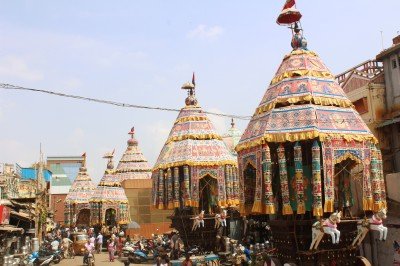
Adi Kumbeswarar Temple
Some quick example text to build on the card title and make up the bulk of the card's content.
Go somewhere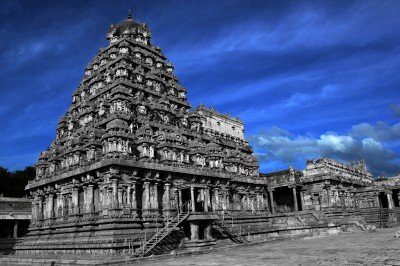
Airavatesvara Temple
Some quick example text to build on the card title and make up the bulk of the card's content.
Go somewhere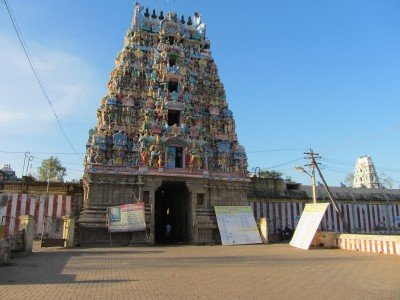
Alangudi Guru Temple
Some quick example text to build on the card title and make up the bulk of the card's content.
Go somewhere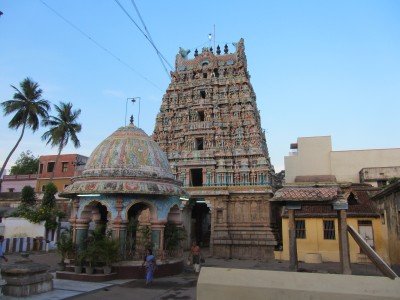
Chakrapani Temple
Some quick example text to build on the card title and make up the bulk of the card's content.
Go somewhere
Gangaikonda Cholapuram Temple
Some quick example text to build on the card title and make up the bulk of the card's content.
Go somewhere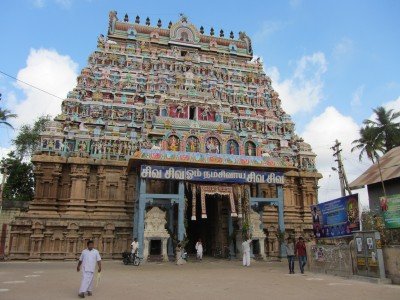
Kampaheswarar Temple
Some quick example text to build on the card title and make up the bulk of the card's content.
Go somewhere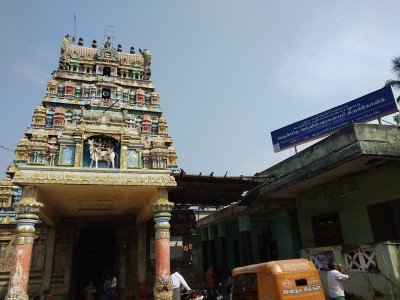
Kanjanur Sukran Temple
Some quick example text to build on the card title and make up the bulk of the card's content.
Go somewhere
Kasi Viswanathar Temple
Some quick example text to build on the card title and make up the bulk of the card's content.
Go somewhere
Kumbakonam Art Gallery
Some quick example text to build on the card title and make up the bulk of the card's content.
Go somewhere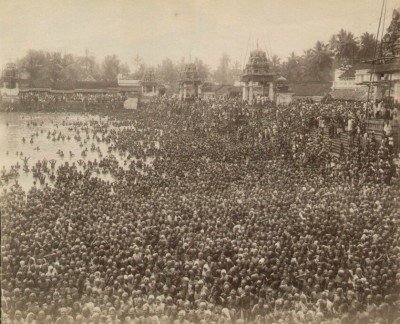
Kumbakonam Mahamaham Tank
Some quick example text to build on the card title and make up the bulk of the card's content.
Go somewhere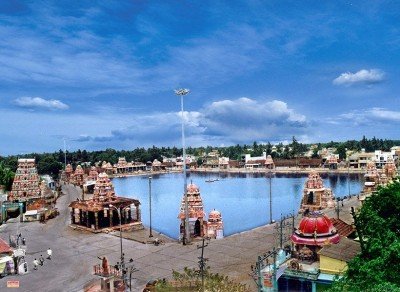
Mahamaham Tank
Some quick example text to build on the card title and make up the bulk of the card's content.
Go somewhere
Nageswaran Temple
Some quick example text to build on the card title and make up the bulk of the card's content.
Go somewhere
Ramaswamy Temple
Some quick example text to build on the card title and make up the bulk of the card's content.
Go somewhere
Sarangapani Temple
Some quick example text to build on the card title and make up the bulk of the card's content.
Go somewhere
Someswarar Temple
Some quick example text to build on the card title and make up the bulk of the card's content.
Go somewhere
Suryanar Koil Temple
Some quick example text to build on the card title and make up the bulk of the card's content.
Go somewherein Other Cities