

Cenotaph of Raja Gangadhar Rao
General information
-
Ideal Duration:
30 Minutes to 1 Hour:Place Type:
Historical/Architectural Monument:Entry Fees:
General Information: Entry to the Cenotaph of Raja Gangadhar Rao is universally Free of charge. This is a public historical monument maintained by state/local authorities, and there are no tickets required.
Photography/Videography: Simple p...General Information: Entry to the Cenotaph of Raja Gangadhar Rao is universally Free of charge. This is a public historical monument maintained by state/local authorities, and there are no tickets required.
Photography/Videography: Simple photography using mobile phones or personal cameras is Free. There is no formal system of fees for non-commercial photography, ensuring ease of access for all tourists.
Commercial/Professional Shoots: Any professional video shoots (e. g. , for films, documentaries, or advertising) would require a special permit from the Archaeological Survey of India (ASI) or the relevant state tourism department, which would involve a substantial, negotiated fee.
Donation: While Free to enter, there might be a small donation box for visitors who wish to contribute voluntarily to the site's ongoing maintenance.Timing:
Regular Timings: Generally open from 8:00 AM to 5:00 PM daily, following standard historical monument hours, but can sometimes be accessed earlier/later due to its location next to a main road and temple.
Ideal Visit Time: The morning (9:00 ...Regular Timings: Generally open from 8:00 AM to 5:00 PM daily, following standard historical monument hours, but can sometimes be accessed earlier/later due to its location next to a main road and temple.
Ideal Visit Time: The morning (9:00 AM to 11:00 AM) is ideal for soft, diffused light, which is best for viewing the carvings. Late afternoon (3:00 PM to 5:00 PM) is also pleasant to avoid the mid-day heat.
Weekly Off: There is no official weekly off day, and the monument is open to visitors throughout the year.
Temple Footfall: Try to avoid peak festive days at the Mahalakshmi Temple if you seek a quieter visit.Special Events:
Raja Gangadhar Rao's Death Anniversary: The most special, though solemn, event is the observance of the death anniversary of Raja Gangadhar Rao on November 21st, when local history enthusiasts and community members may hold small commemorative ceremonies or offer flowers.Raja Gangadhar Rao's Death Anniversary: The most special, though solemn, event is the observance of the death anniversary of Raja Gangadhar Rao on November 21st, when local history enthusiasts and community members may hold small commemorative ceremonies or offer flowers.
Mahalakshmi Temple Festival: Due to its immediate proximity to the Mahalakshmi Temple, the cenotaph area sees increased foot traffic and festive atmosphere during major Hindu festivals, particularly Diwali (as Goddess Lakshmi is worshipped) and Navratri (usually September or October).Best Photo Spots:
The Main Cenotaph Arch: The best spot is directly facing the main arched entrance to capture the full structure, emphasizing the symmetry of the dome and pillars.
Reflections on Lakshmi Tal: Stand near the banks of the Lakshmi Tal during the...The Main Cenotaph Arch: The best spot is directly facing the main arched entrance to capture the full structure, emphasizing the symmetry of the dome and pillars.
Reflections on Lakshmi Tal: Stand near the banks of the Lakshmi Tal during the day (or early morning) to capture the cenotaph's reflection in the water, especially after the monsoon season.
Detailed Carving Close-ups: Use a zoom or macro lens to focus on the intricate stone carvings and floral/geometrical motifs, highlighting the craftsmanship that defines the chhatri style.Photo Gallery
Things To Do
-
Study the Intricate Carvings: Spend time closely examining the detailed stonework on the chhatri's pillars and dome. Look for the distinct Maratha and Bundeli decorative motifs and understand the craftsmanship of the era.
Reflect on History: Take a few moments of quiet reflection on the significance of the monument, considering the life and legacy of Raja Gangadhar Rao and the immense task that fell upon Rani Lakshmibai after his death.
Photography of the Architecture: The cenotaph's pillared structure and dome offer excellent architectural photography opportunities, especially highlighting the play of light and shadow on the stone.
Visit the Mahalakshmi Temple: Combine your visit with a trip to the adjacent, ancient Mahalakshmi Temple, which is highly revered a...Study the Intricate Carvings: Spend time closely examining the detailed stonework on the chhatri's pillars and dome. Look for the distinct Maratha and Bundeli decorative motifs and understand the craftsmanship of the era.
Reflect on History: Take a few moments of quiet reflection on the significance of the monument, considering the life and legacy of Raja Gangadhar Rao and the immense task that fell upon Rani Lakshmibai after his death.
Photography of the Architecture: The cenotaph's pillared structure and dome offer excellent architectural photography opportunities, especially highlighting the play of light and shadow on the stone.
Visit the Mahalakshmi Temple: Combine your visit with a trip to the adjacent, ancient Mahalakshmi Temple, which is highly revered and completes the historical and religious circuit of the area.
Enjoy the Gardens and Grounds: Take a short, leisurely walk through the surrounding, often well-maintained gardens and courtyards that frame the monument, adding to its peaceful ambiance.
Walk along the Lakshmi Tal Banks: Take a short walk near the banks of the Lakshmi Tal (Lake) to see the cenotaph from a distance, which allows for a full appreciation of its scale and setting.
Document the Historical Plaque: Find and read any official plaques or information boards at the site, which provide concise and verifiable facts about the cenotaph's construction and history.
Information
-
Why Famous:
Built by Rani Lakshmibai: Its primary fame comes from the fact that it was commissioned and built by Rani Lakshmibai in memory of her husband, making it a tangible link to her personal history and devotion. This connection attracts all visitors interested in the Rani of Jha...Built by Rani Lakshmibai: Its primary fame comes from the fact that it was commissioned and built by Rani Lakshmibai in memory of her husband, making it a tangible link to her personal history and devotion. This connection attracts all visitors interested in the Rani of Jhansi's story.
Exemplary Bundeli-Maratha Architecture: The cenotaph is highly regarded for its exquisite 18th-century architectural designs, showcasing the finesse of the stone carving and the characteristic style of the regional rulers.
Proximity to Lakshmi Lake: Its scenic location on the banks of the historical Lakshmi Tal (Lake) and next to the Mahalakshmi Temple is highly photogenic and culturally significant, drawing visitors for both historical and aesthetic reasons. -
Architecture:
Bundeli-Maratha Chhatri Architecture: The monument is a classic example of Bundeli and Maratha fusion architecture prevalent in the 18th and 19th centuries. The primary structure is a quadrangular edifice with high walls, featuring intricate carvings.
Read MoreBundeli-Maratha Chhatri Architecture: The monument is a classic example of Bundeli and Maratha fusion architecture prevalent in the 18th and 19th centuries. The primary structure is a quadrangular edifice with high walls, featuring intricate carvings.
Dome and Pillars: The main feature is the central domed structure, supported by ornately carved pillars. A smaller chhatri often stands adjacent to the main structure. The dome and ceiling showcase fine engravings, geometrical patterns, and decorative motifs typical of the era, done in stone.
Dimension: The structure is of moderate size, typical for a chhatri. While precise official dimensions are scarce, the main structure is estimated to be approximately 15-20 feet in height. The base footprint of the cenotaph likely measures around 30 x 30 feet. The monument stands in the middle of a spacious, walled courtyard that adds to its scale and grandeur.How To Reach:
By Air: Gwalior Domestic Airport (GWL) is the nearest air gateway, roughly 100 KMS away. Travelers can take a pre-booked taxi or a connecting road transport to Jhansi. The drive is about 2. 5 hours.
By Train: Jhansi Railway Station (JHS) i...By Air: Gwalior Domestic Airport (GWL) is the nearest air gateway, roughly 100 KMS away. Travelers can take a pre-booked taxi or a connecting road transport to Jhansi. The drive is about 2. 5 hours.
By Train: Jhansi Railway Station (JHS) is the main rail hub, located approximately 3-4 KMS from the chhatri. Local auto-rickshaws are the most convenient and cost-effective mode of transport from the station directly to the Mahalakshmi Temple area.
By Road: The location near Lakshmi Tal and Mahalakshmi Temple is a well-known area in Jhansi city, easily accessible by all city buses and private vehicles via well-maintained city roads. The main bus stand is roughly 6 KMS away.
By Local Transport: Auto-rickshaws and cycle-rickshaws know the monument well by the name "Raja Gangadhar Rao ki Chatri" or "Mahalakshmi Temple". It is a quick ride from the city center.Weather and Best Time to Visit:
Different Types of Seasons: Winter (October to March) provides cool, comfortable weather, perfect for exploring the outdoor monument and the surrounding gardens. The post-monsoon freshness in October and November is also highly recommended. Summer is unsuitably hot for an ...Different Types of Seasons: Winter (October to March) provides cool, comfortable weather, perfect for exploring the outdoor monument and the surrounding gardens. The post-monsoon freshness in October and November is also highly recommended. Summer is unsuitably hot for an enjoyable visit.
Different Parts of the Day: Morning (9:00 AM to 11:00 AM) and late afternoon (3:00 PM to 5:00 PM) are the best times to avoid the harsh mid-day sun, ensuring comfortable viewing of the intricate architectural details.Near Tourist Places:
1. Mahalakshmi Temple (Adjacent) 2. Lakshmi Tal (Adjacent) 3. Jhansi Fort (Approx. 2 KMS) 4. Ganesh Mandir (Approx. 1. 5 KMS) 5. Rani Mahal (Approx. 3 KMS) 6. Jail Museum (Approx. 3 KMS) 7. Shri Ram Raja Mandir, Orchha (Approx. 16 KMS) 8. Panch Mahal (Approx. 2. 5 KMS) 9. Barua Sagar (Approx. 22 KMS) 10. Government Museum (Approx. 3 KMS)Tourism Tips
-
Health & Safety: As the area is near a lake, be cautious around the water's edge, especially if visiting with children. Carry a sun hat and sunglasses for sun protection.
Packing: A camera is highly recommended to capture the unique Bundeli...Health & Safety: As the area is near a lake, be cautious around the water's edge, especially if visiting with children. Carry a sun hat and sunglasses for sun protection.
Packing: A camera is highly recommended to capture the unique Bundeli architecture. Wear comfortable, durable footwear suitable for walking on historical stone steps and uneven surfaces.
Accommodation: Many mid-range and budget guest houses are available in the old city area, which is within walking distance of the monument. Major hotels are a short drive away. Other Different Topics heading (Cultural Sensitivity): Since the monument is located next to a major temple, it is respectful to dress modestly. Avoid loud behavior, as this is a memorial site. Do not sit or climb on the historical carvings of the monument.
Reviews
FAQs
Jhansi Itineray And Cost:-
Cenotaph of Raja Gangadhar Rao Tourism:-
Other Places In Jhansi :-
Other States In India :-
Information about New and Updated Locations() of Uttar Pradesh Has Been Added :-
Card subtitle
Note:-
Information provided here in good Faith and for reference only.
Near Places

Antia Talab
Some quick example text to build on the card title and make up the bulk of the card's content.
Go somewhere
Atal Ekta Park
Some quick example text to build on the card title and make up the bulk of the card's content.
Go somewhere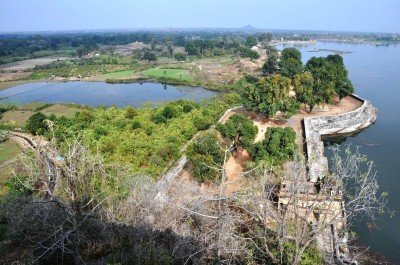
Barua Sagar Fort
Some quick example text to build on the card title and make up the bulk of the card's content.
Go somewhere
Barua Sagar
Some quick example text to build on the card title and make up the bulk of the card's content.
Go somewhere
Cenotaph of Raja Gangadhar Rao
Some quick example text to build on the card title and make up the bulk of the card's content.
Go somewhere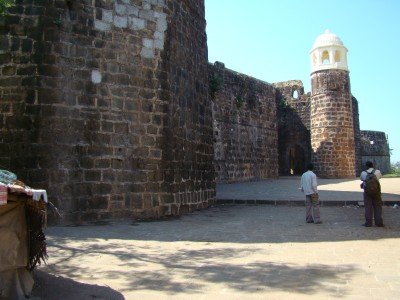
Chirgaon Fort
Some quick example text to build on the card title and make up the bulk of the card's content.
Go somewhere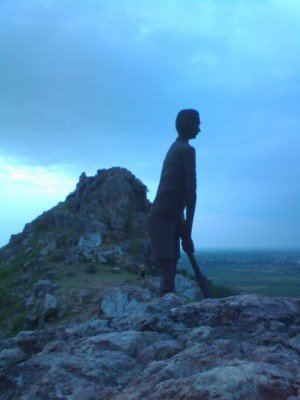
Dhyanchand Statue Hill
Some quick example text to build on the card title and make up the bulk of the card's content.
Go somewhere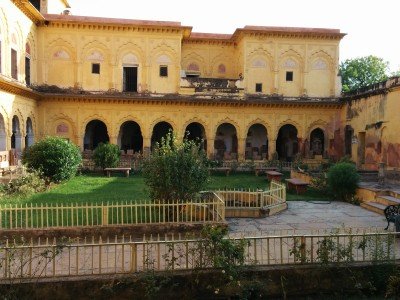
Ganesh Mandir
Some quick example text to build on the card title and make up the bulk of the card's content.
Go somewhere
Garhmau Lake
Some quick example text to build on the card title and make up the bulk of the card's content.
Go somewhere
Government Museum
Some quick example text to build on the card title and make up the bulk of the card's content.
Go somewhere
Herbal Garden
Some quick example text to build on the card title and make up the bulk of the card's content.
Go somewhere
Jhansi Fort
Some quick example text to build on the card title and make up the bulk of the card's content.
Go somewhere
Karguvanji Jain Temple
Some quick example text to build on the card title and make up the bulk of the card's content.
Go somewhere
Kedareswar Temple
Some quick example text to build on the card title and make up the bulk of the card's content.
Go somewhere
Lakshmi Tal
Some quick example text to build on the card title and make up the bulk of the card's content.
Go somewhere
Mahalakshmi Temple
Some quick example text to build on the card title and make up the bulk of the card's content.
Go somewherein Other Cities