Check Dam Chakki
General information
-
Ideal Duration:
1 to 2 Hours:Place Type:
Nature and Engineering Site:Entry Fees:
No Entry Fee: There is no entry fee to visit the dam area and the riverbank, as it is a functional and natural public area.
Parking Charges: Parking may be available for a nominal fee (e. g. , Rs.20 to Rs.30) if utilizing a designated roadside p...No Entry Fee: There is no entry fee to visit the dam area and the riverbank, as it is a functional and natural public area.
Parking Charges: Parking may be available for a nominal fee (e. g. , Rs.20 to Rs.30) if utilizing a designated roadside parking spot near the local rest house area, though informal parking is often free.
Self-Sufficiency: Visitors must be self-sufficient as there are typically no official commercial vendors on-site, only basic local stalls that may open only during peak weekends.Timing:
Regular Timings: Sunrise to Sunset (Approx. 6:00 AM to 6:30 PM) Since it is an open natural site, there are no gates, but daylight hours are recommended for safety and best views.
Ideal Visit Time: Early morning (7:00 AM to 9:00 AM) for the...Regular Timings: Sunrise to Sunset (Approx. 6:00 AM to 6:30 PM) Since it is an open natural site, there are no gates, but daylight hours are recommended for safety and best views.
Ideal Visit Time: Early morning (7:00 AM to 9:00 AM) for the quietest, coolest experience, or late afternoon (4:00 PM to 6:30 PM) to enjoy the evening breeze and sunset light on the water.Special Events:
Local Government and Engineering Visits: Occasionally, the dam site may host visits by engineering students or government officials for study or inspection purposes, which are not public events but indicate its functional importance.
Post-Monsoo...Local Government and Engineering Visits: Occasionally, the dam site may host visits by engineering students or government officials for study or inspection purposes, which are not public events but indicate its functional importance.
Post-Monsoon Flow Spectacle: Although not an organized event, the peak water flow in September and October after the heavy monsoons is a spectacular natural event that draws a large crowd of local visitors to witness the river at its powerful best.Best Photo Spots:
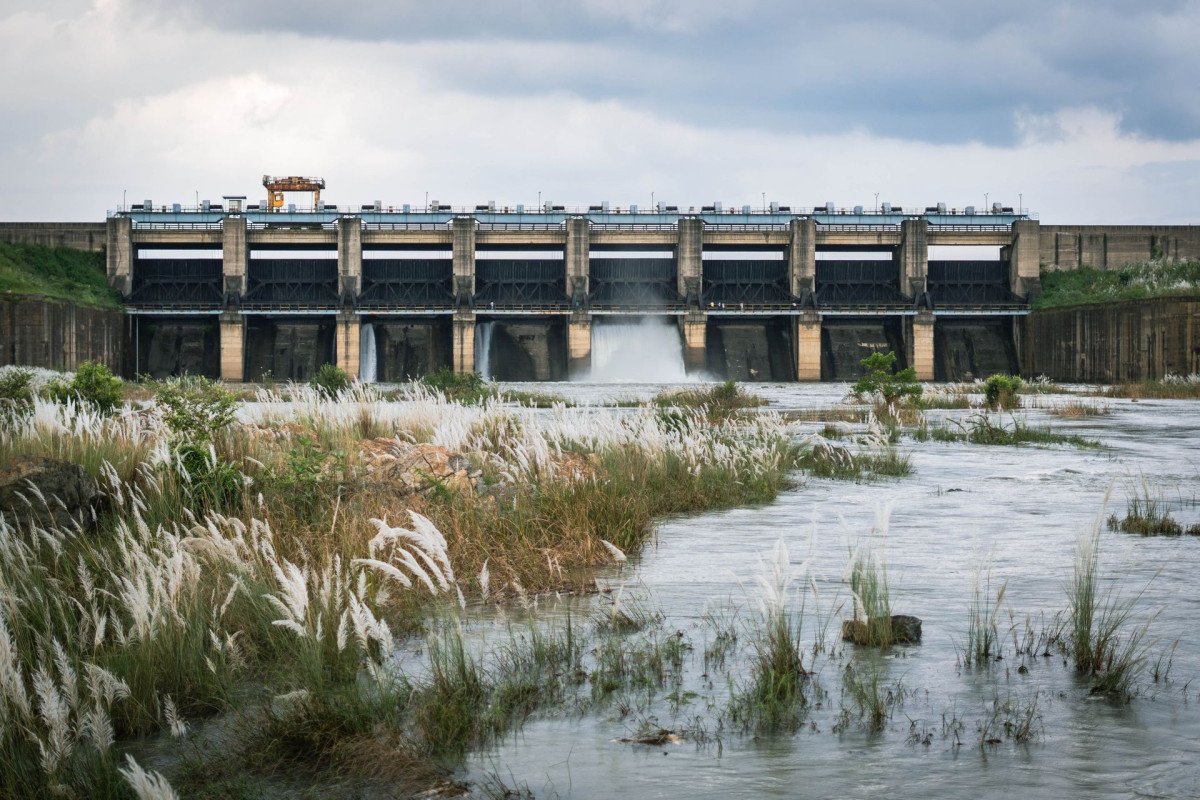
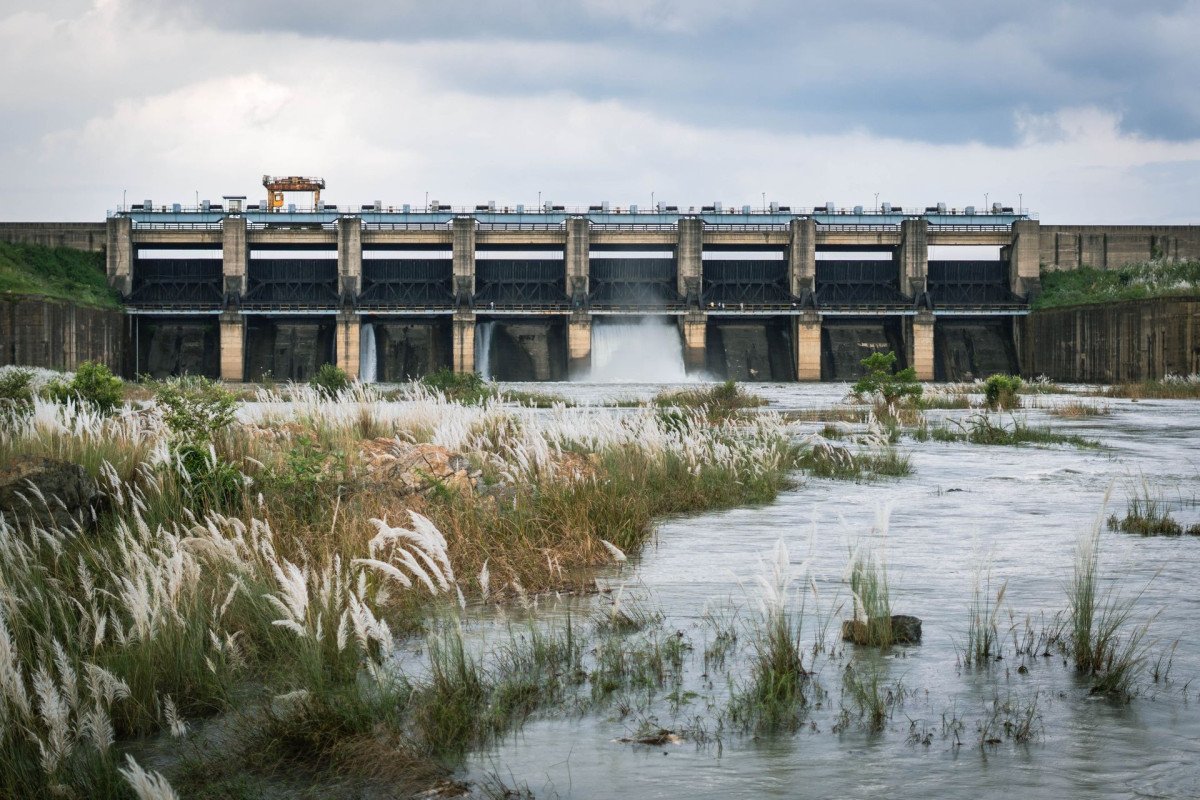
The Water Cascade: The best shot is the wide-angle view of the water flowing over the entire length of the dam, giving a sense of scale and the natural waterfall-like effect.
The Riverbed's Texture: Close-up shots of the smooth, water-worn r...The Water Cascade: The best shot is the wide-angle view of the water flowing over the entire length of the dam, giving a sense of scale and the natural waterfall-like effect.
The Riverbed's Texture: Close-up shots of the smooth, water-worn river stones and the texture of the bank, with the moving water in the background, make for excellent detail and abstract landscape photography.
The Bridge View: If there is an adjacent road bridge, a shot from above the dam can capture the length of the dam and the calm water backed up on one side, offering a great perspective.Photo Gallery
Things To Do
-
Enjoy a Riverside Picnic: Pack a lunch and spend a couple of hours picnicking on the banks or the safe, dry spots of the riverbed, listening to the soothing sounds of the flowing water.
Simple Nature Walk: Take a gentle stroll along the riverbanks or the nearby access roads, enjoying the fresh air and the sight of the water and the surrounding green landscape.
Observe the Dam's Function: Appreciate the civil engineering by watching how the water is managed, particularly the overflow during the high-flow season, a unique sight of human interaction with nature's power.
Photography of the Water Flow: Capture the wide cascade of water over the dam wall, which makes for a picturesque landscape shot, especially with the rocky texture of the riverbed and the foliage as ...Enjoy a Riverside Picnic: Pack a lunch and spend a couple of hours picnicking on the banks or the safe, dry spots of the riverbed, listening to the soothing sounds of the flowing water.
Simple Nature Walk: Take a gentle stroll along the riverbanks or the nearby access roads, enjoying the fresh air and the sight of the water and the surrounding green landscape.
Observe the Dam's Function: Appreciate the civil engineering by watching how the water is managed, particularly the overflow during the high-flow season, a unique sight of human interaction with nature's power.
Photography of the Water Flow: Capture the wide cascade of water over the dam wall, which makes for a picturesque landscape shot, especially with the rocky texture of the riverbed and the foliage as foreground.
Relaxation and Quiet Time: Simply sit on the edge, or at the old rest house/colony area, to meditate, read a book, or just enjoy the peaceful, quiet atmosphere away from the city's hustle.
River Stone Collection: For children or geology enthusiasts, the riverbed offers an opportunity to find and collect interesting stones, pebbles, and small, smoothed river rocks shaped by the constant water flow.
Viewing Local Fauna: Watch for local birdlife, especially water birds that may feed near the dam's overflow or perch on the surrounding trees, a simple but rewarding activity for nature lovers.
Information
-
Why Famous:
Natural Waterfall Effect: The dam is famous because, during periods of good water flow (especially post-monsoon), the water cascades over the low wall, creating a simple, wide, and calming "waterfall" effect that is very scenic and popular for picnics.
Read MoreNatural Waterfall Effect: The dam is famous because, during periods of good water flow (especially post-monsoon), the water cascades over the low wall, creating a simple, wide, and calming "waterfall" effect that is very scenic and popular for picnics.
The Chakki River's Beauty: It provides the best accessible viewpoint to witness the beauty and power of the Chakki River, which is a significant geographical feature of the region, flowing from the mountains and through the plains.
Ease of Access: Its close proximity to the main city and the ease of road access make it a quick and convenient natural escape for the local population and visitors who have limited time for travel.Architecture:
Functional Dam Structure: The architecture is purely utilitarian and civil engineering-based, focusing on durability and water flow management rather than aesthetic design. It consists of a solid, low-height wall or barrier made of concrete, stone masonry, or large boulders...Functional Dam Structure: The architecture is purely utilitarian and civil engineering-based, focusing on durability and water flow management rather than aesthetic design. It consists of a solid, low-height wall or barrier made of concrete, stone masonry, or large boulders constructed across the width of the Chakki River.
Basic Materials and Finish: The construction uses durable materials like reinforced concrete and heavy-duty stone for the dam structure to withstand the high pressures and abrasive forces of the seasonal river flow. The finish is raw and industrial, reflecting its practical purpose.
Dimension and Structure: A check dam is generally much smaller than a major dam, typically low-crested and wide, stretching across the entire width of the riverbed (which can be several hundred meters wide in this area). The height of the wall is relatively low (approx. 3-5 meters), designed to slow the water flow rather than create a vast reservoir. The immediate area includes access roads and a few simple rest house structures or watch points.How To Reach:
By Air: Fly to Pathankot Airport (IXP) (approx. 15 KMS away). From the airport, hire a taxi directly; the dam's location near the city is easily found.
By Train: Arrive at Pathankot Junction (PTK). The dam is a short distance (approx. 7...By Air: Fly to Pathankot Airport (IXP) (approx. 15 KMS away). From the airport, hire a taxi directly; the dam's location near the city is easily found.
By Train: Arrive at Pathankot Junction (PTK). The dam is a short distance (approx. 7 KMS) from the station, easily accessible by a local taxi or auto-rickshaw.
By Road: It is well-connected by local roads off the main highway, situated near the Rest House Colony area of Pathankot, making it a very short and comfortable drive from the city center.
By Local Transport: Local auto-rickshaws or shared rickshaws are easily available from the main Pathankot bus stand or railway station to take you to the closest accessible point near the dam site.Weather and Best Time to Visit:
Pleasant Seasons: Post-Monsoon (September to October) is the absolute best time, as the river is full and the cascade over the dam is at its maximum, and the surrounding greenery is vibrant. Winter is also pleasant for a visit.
Parts of the Day...Pleasant Seasons: Post-Monsoon (September to October) is the absolute best time, as the river is full and the cascade over the dam is at its maximum, and the surrounding greenery is vibrant. Winter is also pleasant for a visit.
Parts of the Day: Morning is best for a quiet, contemplative experience and for photographers. Afternoon is best for a family picnic when the light is softer.Near Tourist Places:
Environment Park (1 KMS), Shani Dev Mandir (3 KMS), Kali Mata Ka Mandir (5 KMS), Ashapurni Mandir (7 KMS), Lakshmi Narayan Mandir (8 KMS), Mini Goa (35 KMS), Ranjit Sagar Dam (40 KMS), Mukteshwar Temple (35 KMS), Shahpurkandi Fort (29 KMS), Nurpur Fort (25 KMS).Tourism Tips
-
Health & safety: Do not venture too close to the main dam overflow area, especially during heavy flow; the currents can be dangerous. Only walk on the riverbed when water levels are confirmed to be very low and safe.
Packing: Carry your ow...Health & safety: Do not venture too close to the main dam overflow area, especially during heavy flow; the currents can be dangerous. Only walk on the riverbed when water levels are confirmed to be very low and safe.
Packing: Carry your own water and food, as there are limited formal commercial options. Wear sturdy shoes suitable for walking on rocky, uneven terrain.
Accommodation: Stay in Pathankot city; the spot is meant for a short day visit, not an overnight stay, and there are no official lodging facilities at the dam itself.
Safety for Children: Keep a close watch on children, especially near the water's edge and the rocky river banks, as the surface can be slippery.
Reviews
FAQs
Pathankot Itineray And Cost:-
Check Dam Chakki Tourism:-
Information about New and Updated Locations() of Punjab Has Been Added :-
Card subtitle
Note:-
Information provided here in good Faith and for reference only.
All information and pictures will be updated soon, please keep visiting.
Near Places

Arjuns Chulha & Sehdevs Cave
Some quick example text to build on the card title and make up the bulk of the card's content.
Go somewhere
Armaan Prikshit Lake Adventures
Some quick example text to build on the card title and make up the bulk of the card's content.
Go somewhere
Ashapurni Mandir
Some quick example text to build on the card title and make up the bulk of the card's content.
Go somewhere
Atal Setu
Some quick example text to build on the card title and make up the bulk of the card's content.
Go somewhere
Check Dam Chakki
Some quick example text to build on the card title and make up the bulk of the card's content.
Go somewhere
Dhar Nature Retreat and Awareness Camp
Some quick example text to build on the card title and make up the bulk of the card's content.
Go somewhere
Environment Park
Some quick example text to build on the card title and make up the bulk of the card's content.
Go somewhere
Gurudwara Shri Barth Sahib
Some quick example text to build on the card title and make up the bulk of the card's content.
Go somewhere
Hydraulic Research Station
Some quick example text to build on the card title and make up the bulk of the card's content.
Go somewhere
Kali Mata Ka Mandir
Some quick example text to build on the card title and make up the bulk of the card's content.
Go somewherein Other Cities