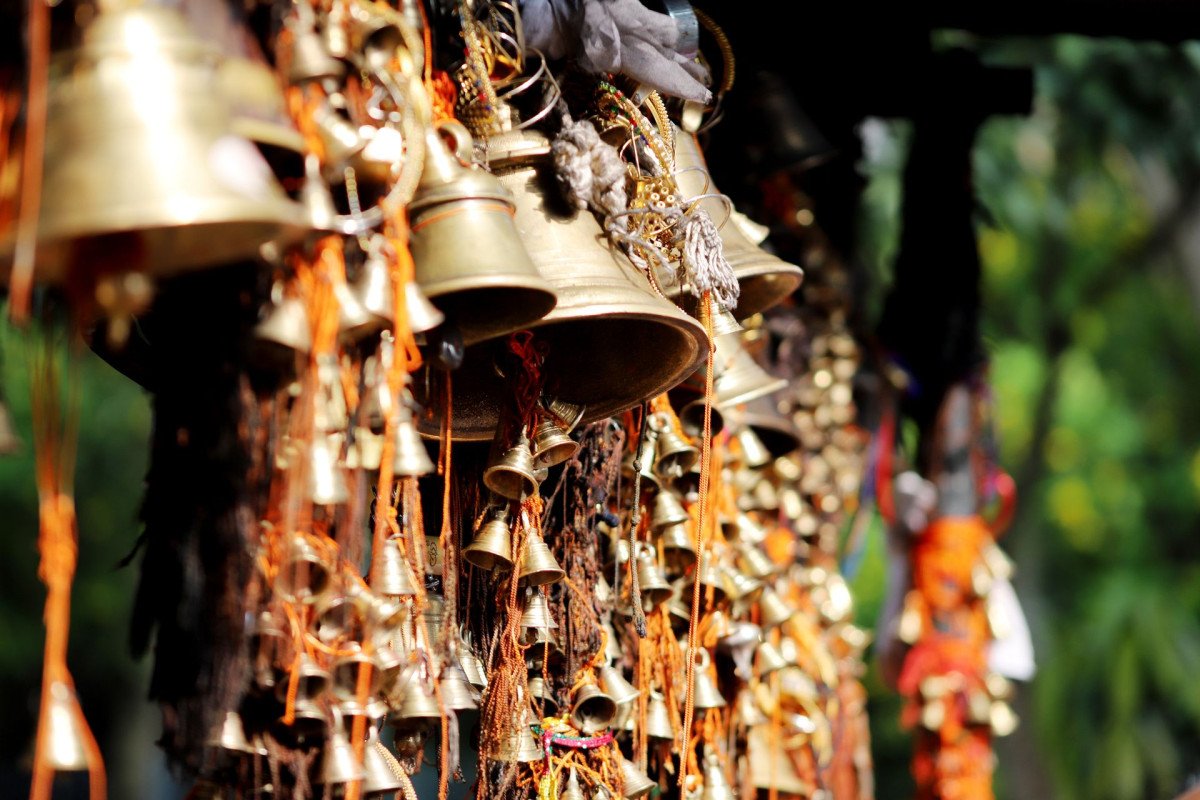
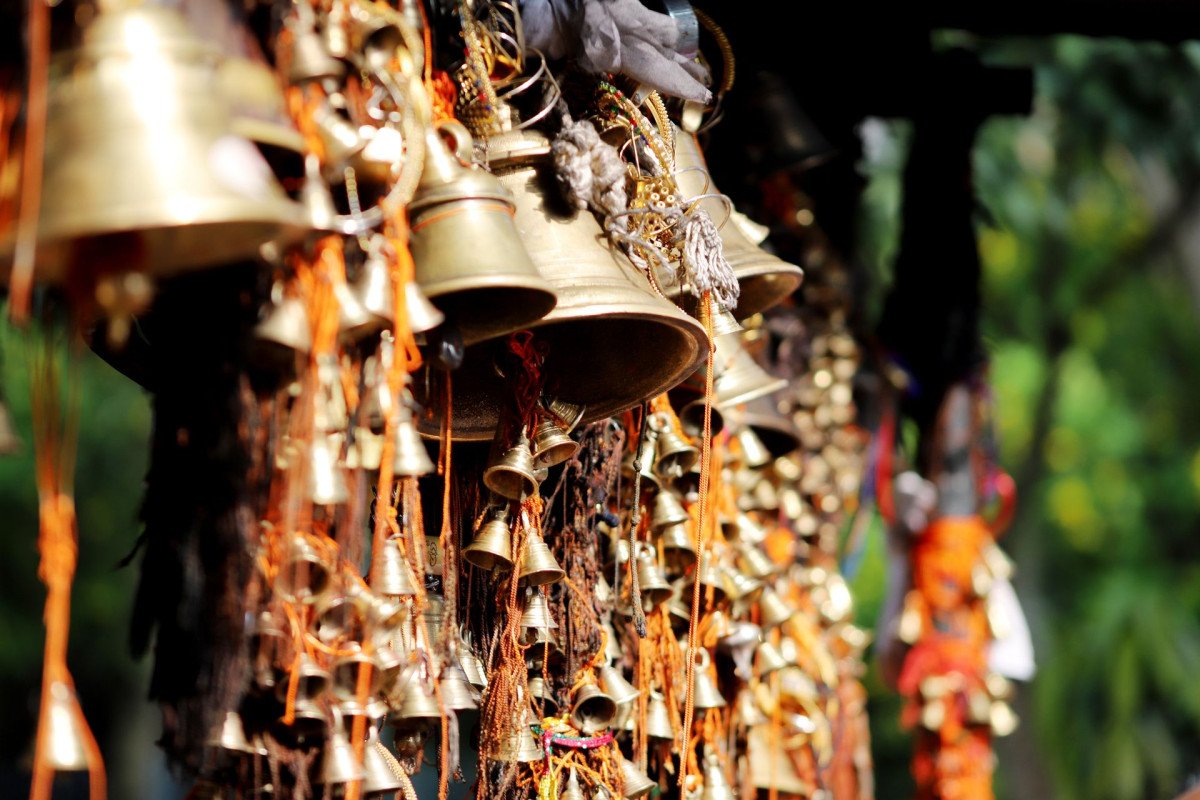
Mukteshwar Temple
General information
-
Ideal Duration:
2 to 3 Hours:Place Type:
Religious and Historical Site:Entry Fees:
No Entry Fee: Entry to the Mukteshwar Temple is completely free for all pilgrims and tourists, maintaining the sanctity and accessibility of the religious site.
Small Donation for Cave Use: While not mandatory, a very small donation might be...No Entry Fee: Entry to the Mukteshwar Temple is completely free for all pilgrims and tourists, maintaining the sanctity and accessibility of the religious site.
Small Donation for Cave Use: While not mandatory, a very small donation might be requested by caretakers for maintaining the cleanliness of the cave areas or lighting lamps inside.
Offering Costs: Fees are only for the purchase of devotional items like milk, water, bel leaves, and flowers for offering to the Shiva Lingam, available from vendors outside.Timing:
Regular Timings: 6:00 AM to 7:
00 PM (Daily): The temple is generally open during daylight hours, which is necessary for safe access to the hillock and river area.
Ideal Visit Time: Early morning (7:00 AM to 9...Regular Timings: 6:00 AM to 7:
00 PM (Daily): The temple is generally open during daylight hours, which is necessary for safe access to the hillock and river area.
Ideal Visit Time: Early morning (7:00 AM to 9:00 AM) for a quiet, spiritual visit, or late afternoon (4:00 PM to 6:00 PM) for the most beautiful light, sunset views over the Ravi River, and a comfortable temperature.Special Events:
Maha Shivratri Festival: This is the most important annual event, celebrated in February/March with massive gatherings, all-night vigil (Jagran), special Abhishek (ritual bathing of the Lingam), and processions, drawing pilgrims from the entire region.
Read MoreMaha Shivratri Festival: This is the most important annual event, celebrated in February/March with massive gatherings, all-night vigil (Jagran), special Abhishek (ritual bathing of the Lingam), and processions, drawing pilgrims from the entire region.
Baisakhi Fair: A small, local fair (Mela) often takes place around the temple during Baisakhi (April), which marks the harvest festival, attracting local farmers and families for a day of celebration and worship.Best Photo Spots:
The Cave Entrance Frame: The best shot is the view looking out from inside one of the main caves, framing the outside world with the natural rock archway, especially capturing the Ravi River in the distance.
The Temple Steps: A photo from th...The Cave Entrance Frame: The best shot is the view looking out from inside one of the main caves, framing the outside world with the natural rock archway, especially capturing the Ravi River in the distance.
The Temple Steps: A photo from the bottom of the main staircase, looking up toward the temple complex on the hillock, provides a great sense of the scale and setting of the shrine.
The Ravi River Vista: Wide-angle shots of the river valley from the temple's viewing platforms, capturing the broad river, the distant plains, and the setting sun, make for stunning landscape photography.Photo Gallery
Things To Do
-
Perform Puja in the Caves: Enter the ancient caves to perform a darshan and offer prayers, milk, and water to the revered Shiva Lingam, experiencing the unique spiritual ambiance of the rock-cut shrine.
Contemplate the Pandava Legend: Spend time sitting quietly inside the caves, imagining the life of the Pandavas during their exile, connecting with the site's profound mythological past.
Enjoy the Ravi River View: Sit on the steps or the river-facing platforms to enjoy the expansive, tranquil view of the Ravi River flowing below, especially beautiful during the late afternoon.
Attend Maha Shivratri: If visiting in February or March, participate in the massive celebration of Maha Shivratri, which involves all-night worship, fasting, and devotional singing (Bhajan K...Perform Puja in the Caves: Enter the ancient caves to perform a darshan and offer prayers, milk, and water to the revered Shiva Lingam, experiencing the unique spiritual ambiance of the rock-cut shrine.
Contemplate the Pandava Legend: Spend time sitting quietly inside the caves, imagining the life of the Pandavas during their exile, connecting with the site's profound mythological past.
Enjoy the Ravi River View: Sit on the steps or the river-facing platforms to enjoy the expansive, tranquil view of the Ravi River flowing below, especially beautiful during the late afternoon.
Attend Maha Shivratri: If visiting in February or March, participate in the massive celebration of Maha Shivratri, which involves all-night worship, fasting, and devotional singing (Bhajan Kirtan).
Explore the Hillock: Take a gentle walk around the temple premises and the small hillock, enjoying the fresh air and the peaceful natural environment away from the main worship area.
Study the Rock Formations: Appreciate the natural and man-made carving of the caves into the sandstone, which is a key part of the temple's identity and architectural interest.
Information
-
Why Famous:
Pandava Cave Legend: The temple's paramount fame stems from the belief that the Pandavas stayed here during their exile, making the caves a highly sacred and historically significant site for Hindu pilgrims.
Sacred Shiva Lingam: It is a reve...Pandava Cave Legend: The temple's paramount fame stems from the belief that the Pandavas stayed here during their exile, making the caves a highly sacred and historically significant site for Hindu pilgrims.
Sacred Shiva Lingam: It is a revered shrine to Lord Shiva, housing an important Shiva Lingam, attracting a massive number of devotees, particularly on Maha Shivratri and other Mondays, who seek blessings from the destroyer and regenerator.
Picturesque Riverbank Location: The temple's tranquil location on the high bank of the majestic Ravi River offers stunning panoramic views, combining spiritual devotion with scenic natural beauty, making the visit doubly rewarding. -
Architecture:
Ancient Rock-Cut Cave Architecture: The primary architectural feature is the complex of natural caves carved into the sandstone hill overlooking the river, which serve as the temple's sanctums. This is an example of ancient Indian rock-cut architecture.
Read MoreAncient Rock-Cut Cave Architecture: The primary architectural feature is the complex of natural caves carved into the sandstone hill overlooking the river, which serve as the temple's sanctums. This is an example of ancient Indian rock-cut architecture.
The Main Shrine and Lingam: The central cave houses the main shrine, featuring a venerated white marble Shiva Lingam, often with simple but powerful stone carvings of the other deities mentioned. The cave's interior is dark, cool, and conducive to deep spiritual contemplation.
Riverbank Temple Complex: The complex includes the caves, along with more recent constructions like stairs, entrance gates, and covered areas for pilgrims, built with simple masonry and plaster. The entrance is usually marked by a traditional gate.
Dimension and Features: The caves themselves are typically small and low-ceilinged (approx. 3-5 meters wide and 2-3 meters high), designed for a few people at a time. The complex is spread along the riverbank hill, with the staircase and surrounding areas being the most substantial visible structures. The entire complex is a visual reminder of the ancient hermitages.How To Reach:
By Air: Fly to Pathankot Airport (IXP) (approx. 25 KMS away). From the airport, hire a pre-paid taxi directly to the temple.
By Train: Arrive at Pathankot Junction (PTK). The temple is about 22 KMS away. Take a taxi or a local auto-ricks...By Air: Fly to Pathankot Airport (IXP) (approx. 25 KMS away). From the airport, hire a pre-paid taxi directly to the temple.
By Train: Arrive at Pathankot Junction (PTK). The temple is about 22 KMS away. Take a taxi or a local auto-rickshaw; the route is well-known.
By Road: The temple is easily accessible via the state highway connecting Pathankot and Gurdaspur, requiring a short drive off the main road to the riverbank area, near Dera Baba Nanak and Dhar Kalan areas.
By Local Transport: A dedicated taxi or private car is the most convenient way to reach this spot, as local bus services may not go directly to the temple's secluded riverbank location.Weather and Best Time to Visit:
Pleasant Seasons: Winter (October to March) is the most comfortable time for the visit, allowing for easy walking on the stairs and riverbanks. Monsoon season (July-August) can be challenging due to river levels and slippery steps.
Parts of the...Pleasant Seasons: Winter (October to March) is the most comfortable time for the visit, allowing for easy walking on the stairs and riverbanks. Monsoon season (July-August) can be challenging due to river levels and slippery steps.
Parts of the Day: Late Afternoon is highly recommended for the sunset views and the cooler, more pleasant weather on the hillock.Near Tourist Places:
Shahpurkandi Fort (20 KMS), Ranjit Sagar Dam (40 KMS), Tourist Huts at Ranjit Sagar Dam (35 KMS), Kathgarh Temple (30 KMS), Kali Mata Ka Mandir (28 KMS), Ashapurni Mandir (25 KMS), Lakshmi Narayan Mandir (27 KMS), Nurpur Fort (45 KMS), Gurdaspur City (30 KMS), Dera Baba Nanak (40 KMS).Tourism Tips
-
Health & safety: Wear sturdy footwear, as the stone steps and paths leading to the caves can be uneven and slippery. Be cautious near the riverbank.
Packing: Carry a water bottle and simple snacks, as formal food options are limited. Bring...Health & safety: Wear sturdy footwear, as the stone steps and paths leading to the caves can be uneven and slippery. Be cautious near the riverbank.
Packing: Carry a water bottle and simple snacks, as formal food options are limited. Bring a small cloth or scarf to cover your head inside the main shrine.
Accommodation: Accommodation is best sought in Pathankot city or Gurdaspur, as there are no formal tourist lodging options at the immediate temple site.
Mythology Note: Read up on the Pandava's exile story before visiting to fully appreciate the historical and mythical context of the caves.
Reviews
FAQs
Pathankot Itineray And Cost:-
Mukteshwar Temple Tourism:-
Information about New and Updated Locations() of Punjab Has Been Added :-
Card subtitle
Note:-
Information provided here in good Faith and for reference only.
All information and pictures will be updated soon, please keep visiting.
Near Places

Arjuns Chulha & Sehdevs Cave
Some quick example text to build on the card title and make up the bulk of the card's content.
Go somewhere
Armaan Prikshit Lake Adventures
Some quick example text to build on the card title and make up the bulk of the card's content.
Go somewhere
Ashapurni Mandir
Some quick example text to build on the card title and make up the bulk of the card's content.
Go somewhere
Atal Setu
Some quick example text to build on the card title and make up the bulk of the card's content.
Go somewhere
Check Dam Chakki
Some quick example text to build on the card title and make up the bulk of the card's content.
Go somewhere
Dhar Nature Retreat and Awareness Camp
Some quick example text to build on the card title and make up the bulk of the card's content.
Go somewhere
Environment Park
Some quick example text to build on the card title and make up the bulk of the card's content.
Go somewhere
Gurudwara Shri Barth Sahib
Some quick example text to build on the card title and make up the bulk of the card's content.
Go somewhere
Hydraulic Research Station
Some quick example text to build on the card title and make up the bulk of the card's content.
Go somewhere
Kali Mata Ka Mandir
Some quick example text to build on the card title and make up the bulk of the card's content.
Go somewherein Other Cities