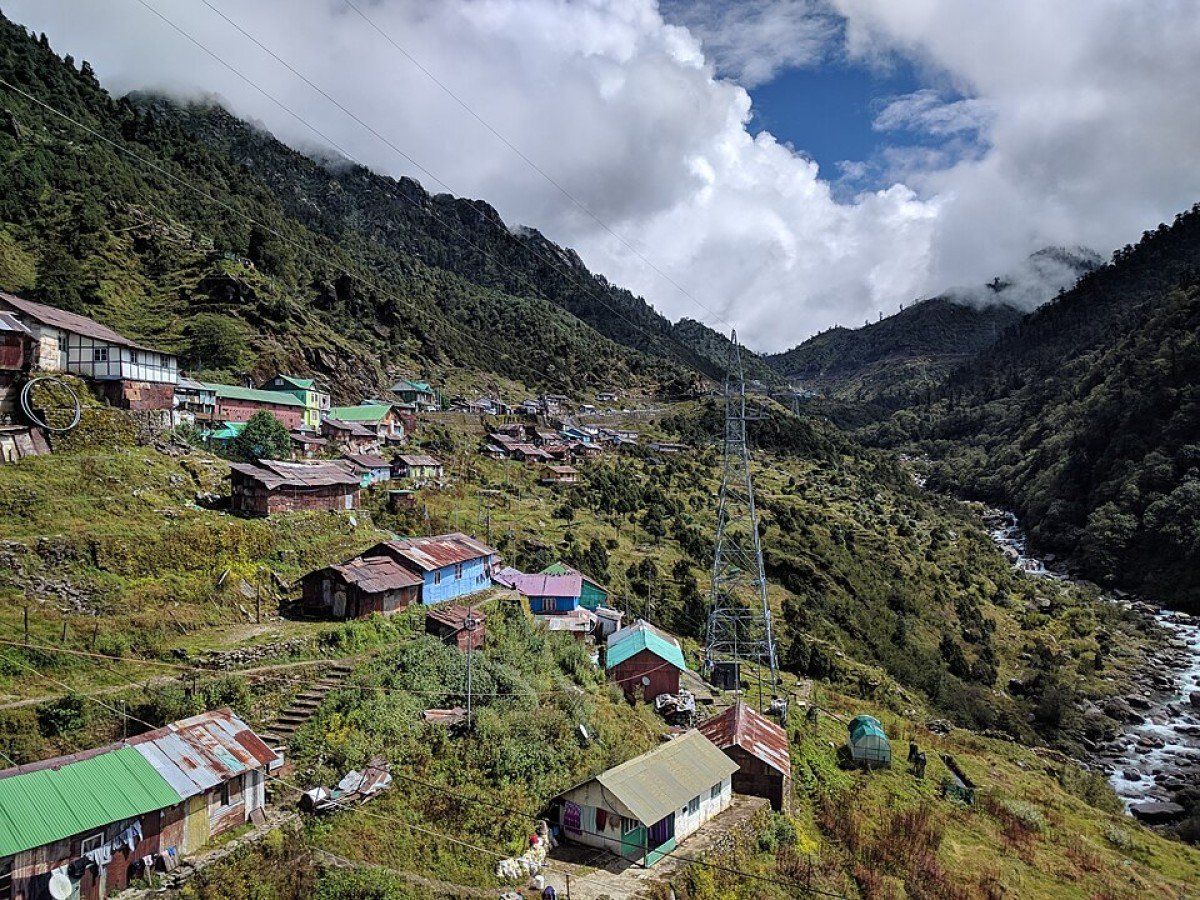
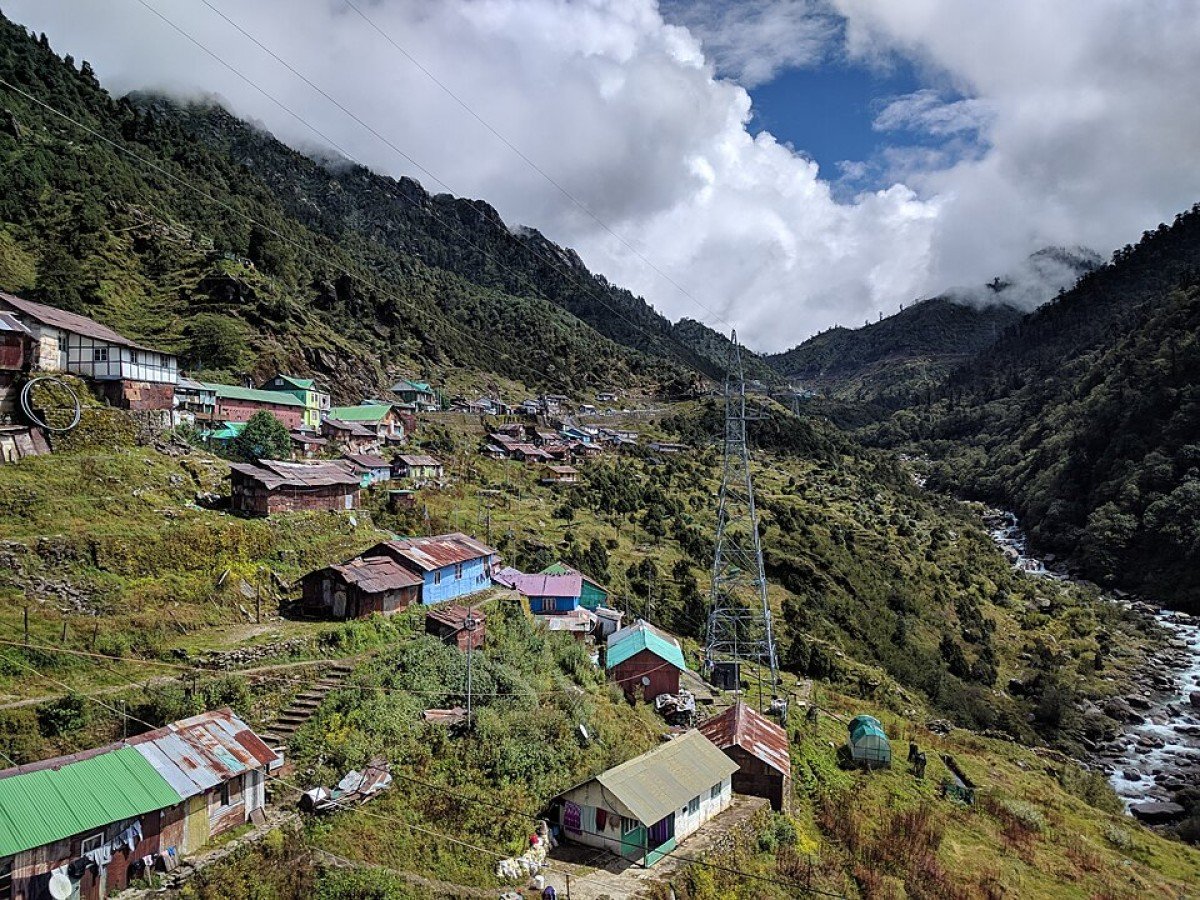
Yuksom
General information
-
Ideal Duration:
3 to 4 DaysPlace Type:
Historical Heritage, Trekking Base, PilgrimageEntry Fees:
Monastery Fees: Entry to Dubdi and other village monasteries is usually free, but small donations are encouraged. These funds help the lamas maintain the ancient structures and continue their daily religious rituals.
National Park Permit: S...Monastery Fees: Entry to Dubdi and other village monasteries is usually free, but small donations are encouraged. These funds help the lamas maintain the ancient structures and continue their daily religious rituals.
National Park Permit: Since Yuksom is the gateway to the National Park, trekkers must pay an entry fee at the checkpost. The cost varies for Indian and foreign nationals and includes charges for cameras and camping equipment.Timing:
Regular Timings: Sightseeing spots are generally accessible from 9:00 AM to 5:00 PM throughout the week. The monasteries are most active during the early morning chants, which usually begin around 6:00 AM.
Ideal Visit Time: For the best vie...Regular Timings: Sightseeing spots are generally accessible from 9:00 AM to 5:00 PM throughout the week. The monasteries are most active during the early morning chants, which usually begin around 6:00 AM.
Ideal Visit Time: For the best views of the mountains, early morning before the clouds roll in is ideal. The autumn months of October and November offer the most consistent clear weather for photography and trekking.Special Events:
Bhumchu Festival: Held in February or March at the nearby Tashiding Monastery, this event involves the opening of a sacred pot of water. Thousands of devotees from Yuksom and beyond gather to witness the prediction for the coming year.
Phang Lh...Bhumchu Festival: Held in February or March at the nearby Tashiding Monastery, this event involves the opening of a sacred pot of water. Thousands of devotees from Yuksom and beyond gather to witness the prediction for the coming year.
Phang Lhabsol: A festival dedicated to the guardian deity of Sikkim, Mt. Kanchenjunga, where traditional masked dances are performed. It is a vibrant display of local culture and religious devotion that takes place in late August.Best Photo Spots:
Dubdi Trail: The winding path to the oldest monastery offers several viewpoints of the village and the valley. The ancient trees and stone steps provide a rustic, historical feel that is perfect for artistic travel photography.
Norbugang Park:<...Dubdi Trail: The winding path to the oldest monastery offers several viewpoints of the village and the valley. The ancient trees and stone steps provide a rustic, historical feel that is perfect for artistic travel photography.
Norbugang Park: The white stupa and the stone throne under the massive pine tree offer a serene and symmetric composition. The colorful prayer flags fluttering against the blue sky add a sense of movement and spirituality to the images.
Kanchenjunga Falls: The cascading water against the rocky cliffs creates a dramatic and powerful scene. Using a slow shutter speed here can produce beautiful silky-water effects that are popular among landscape photographers.Photo Gallery
Things To Do
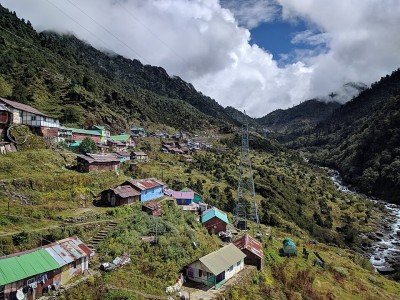 @@Historical Significance: Tashi Tenka was the site of the Royal Palace Complex of the first Chogyals (Kings) of Sikkim after the coronation in 1642, serving as the capital's administrative and royal heart during the early years of the Namgyal dynasty: The site is a significant piece of Sikkim's political history, predating the later capital at Rabdentse: While the palace structures themselves are now largely in Ruins—mostly just the foundations and grounds remain—the location retains immense historical resonance: The name Tashi Tenka means "Auspicious Royal Seat": The hilltop location was strategically chosen for its commanding panoramic views of the entire Yuksom valley, the surrounding forested hills, and distant monasteries like Dubdi and potentially the Rathong Valley: It is a contemplative site where visitors can imagine the early workings of the kingdom: The ruins symbolize the original center of power and the foundational era of the Sikkimese monarchy.
 @@Historical Significance: The Norbugang Park is historically pivotal as the sacred site where the first Chogyal (King) of Sikkim, Phunshog Namgyal, was consecrated in 1642 by three revered Tibetan Lamas: Lhatsun Chempo, Rinzing Chempo, and Kartok Chempo: The three Lamas who founded the Namgyal dynasty came from different directions and met at this spot, signifying the spiritual unity of Sikkim. This event marked the political and religious beginning of the kingdom, making it the first capital of Sikkim: The core of the park is the Norbugang Coronation Throne (made of stone) and the Norbugang Chorten (stupa): The ceremony was performed under a massive Cryptomeria Pine tree, which still stands today: The park is a central point of the Buddhist pilgrimage circuit in Sikkim, linking with Dubdi Monastery and Kathok Lake: The Chorten is reputed to contain soil and water collected from all parts of Sikkim, symbolizing the unified land. The overall environment is highly serene, preserved as a heritage garden, and serves as a powerful symbol of Sikkimese identity and heritage: The peaceful atmosphere reflects the ancient Buddhist principles upon which the state was founded.
@@Tenzing Hilary Park Details: Tenzing Hilary Park is a relatively new but popular tourist attraction in Yuksom, built to honor the legends of mountaineering. It was established in 2015 to commemorate the historic first ascent of Mount Everest by Tenzing Norgay and Sir Edmund Hillary in 1953. The park features life-sized statues of these two iconic figures, standing tall against the backdrop of the Himalayas. It serves as an inspiration for the many trekkers who start their journey to Goecha La from this very town. The park is beautifully landscaped with a variety of local flowers, including vibrant Rhododendrons and Orchids. It offers a tranquil environment for families and solo travelers to relax and enjoy the mountain air. The design of the park includes several viewpoints that offer stunning vistas of the surrounding peaks. It is a symbol of the indomitable human spirit and the deep connection between Sikkim and the world of mountaineering. The park also serves as a small botanical garden, showcasing the diverse flora of the Himalayan region. Visitors can enjoy leisurely walks along the well-paved paths that wind through the greenery. It is a great place to spend an afternoon after a long morning of sightseeing. The statues are a popular spot for photography, representing the partnership between the Sherpa community and international explorers. During the May season, the flowers are in full bloom, making the park a colorful paradise. The local government maintains the park to ensure a clean and welcoming environment for all tourists. It has become a landmark in Yuksom, bridging the gap between historical heritage and modern tourism. The park is particularly popular among children who can learn about the history of Everest in an engaging setting. Many tour operators include this park as a standard stop in their West Sikkim itineraries. It provides a peaceful alternative to the more rugged trekking trails in the area. The air here is exceptionally fresh, making it a "green lung" for the town of Yuksom. It truly celebrates the legacy of the "Tigers of the Snow" in a dignified and beautiful manner.
The Coronation Throne of Norbugang, also known as the Norbugang Chorten, is the most significant historical site in Sikkim. This is the exact spot where the first Chogyal (King), Phuntsog Namgyal, was crowned in 1642 by three learned lamas: Lhatsun Namkha Jigme, Sampa Chempo, and Rinzing Chempo. The word "Yuksom" itself means the "meeting place of the three learned ones," referring to this historic event. The site features a simple stone throne located under a giant Pine (Cryptomeria) tree, which is believed to have grown from the staff of one of the lamas. Opposite the throne stands a massive Chorten (stupa), which reportedly contains soil and water from all parts of Sikkim, symbolizing the unification of the kingdom. The entire complex is a quiet, meditative park filled with fluttering prayer flags and ancient stone structures. Visitors can see the footprints of the head lama embedded in a rock near the throne, which locals consider highly sacred. This site represents the transition of Sikkim from a collection of tribal lands to a unified Buddhist kingdom. It is a place of immense pride for the Sikkimese people and offers a deep insight into the spiritual and political foundations of the state. The park is beautifully maintained, offering a peaceful retreat where history and spirituality intertwine under the shade of centuries-old trees.
The Legship River Bridge is a vital infrastructure marvel and a scenic landmark situated over the Rangeet River. This bridge serves as a crucial junction connecting the towns of Jorethang, Pelling, Tashiding, and Yuksom. For travelers, it isn't just a transit point but a destination to witness the raw power of the river below. The bridge offers a panoramic view of the Legship valley and the turquoise waters of the Rangeet. It is often the first stop for tourists entering the West Sikkim circuit. Standing on the bridge, one can feel the cool breeze from the river and hear the thunderous roar of the water. The surrounding hills are draped in sub-tropical vegetation, creating a lush green frame for the metallic structure. It represents the engineering resilience of the Himalayan region, where bridges are lifelines for the remote mountain communities.
@@Historical Significance: The Norbugang Park is historically pivotal as the sacred site where the first Chogyal (King) of Sikkim, Phunshog Namgyal, was consecrated in 1642 by three revered Tibetan Lamas: Lhatsun Chempo, Rinzing Chempo, and Kartok Chempo: The three Lamas who founded the Namgyal dynasty came from different directions and met at this spot, signifying the spiritual unity of Sikkim. This event marked the political and religious beginning of the kingdom, making it the first capital of Sikkim: The core of the park is the Norbugang Coronation Throne (made of stone) and the Norbugang Chorten (stupa): The ceremony was performed under a massive Cryptomeria Pine tree, which still stands today: The park is a central point of the Buddhist pilgrimage circuit in Sikkim, linking with Dubdi Monastery and Kathok Lake: The Chorten is reputed to contain soil and water collected from all parts of Sikkim, symbolizing the unified land. The overall environment is highly serene, preserved as a heritage garden, and serves as a powerful symbol of Sikkimese identity and heritage: The peaceful atmosphere reflects the ancient Buddhist principles upon which the state was founded.
@@Tenzing Hilary Park Details: Tenzing Hilary Park is a relatively new but popular tourist attraction in Yuksom, built to honor the legends of mountaineering. It was established in 2015 to commemorate the historic first ascent of Mount Everest by Tenzing Norgay and Sir Edmund Hillary in 1953. The park features life-sized statues of these two iconic figures, standing tall against the backdrop of the Himalayas. It serves as an inspiration for the many trekkers who start their journey to Goecha La from this very town. The park is beautifully landscaped with a variety of local flowers, including vibrant Rhododendrons and Orchids. It offers a tranquil environment for families and solo travelers to relax and enjoy the mountain air. The design of the park includes several viewpoints that offer stunning vistas of the surrounding peaks. It is a symbol of the indomitable human spirit and the deep connection between Sikkim and the world of mountaineering. The park also serves as a small botanical garden, showcasing the diverse flora of the Himalayan region. Visitors can enjoy leisurely walks along the well-paved paths that wind through the greenery. It is a great place to spend an afternoon after a long morning of sightseeing. The statues are a popular spot for photography, representing the partnership between the Sherpa community and international explorers. During the May season, the flowers are in full bloom, making the park a colorful paradise. The local government maintains the park to ensure a clean and welcoming environment for all tourists. It has become a landmark in Yuksom, bridging the gap between historical heritage and modern tourism. The park is particularly popular among children who can learn about the history of Everest in an engaging setting. Many tour operators include this park as a standard stop in their West Sikkim itineraries. It provides a peaceful alternative to the more rugged trekking trails in the area. The air here is exceptionally fresh, making it a "green lung" for the town of Yuksom. It truly celebrates the legacy of the "Tigers of the Snow" in a dignified and beautiful manner.
The Coronation Throne of Norbugang, also known as the Norbugang Chorten, is the most significant historical site in Sikkim. This is the exact spot where the first Chogyal (King), Phuntsog Namgyal, was crowned in 1642 by three learned lamas: Lhatsun Namkha Jigme, Sampa Chempo, and Rinzing Chempo. The word "Yuksom" itself means the "meeting place of the three learned ones," referring to this historic event. The site features a simple stone throne located under a giant Pine (Cryptomeria) tree, which is believed to have grown from the staff of one of the lamas. Opposite the throne stands a massive Chorten (stupa), which reportedly contains soil and water from all parts of Sikkim, symbolizing the unification of the kingdom. The entire complex is a quiet, meditative park filled with fluttering prayer flags and ancient stone structures. Visitors can see the footprints of the head lama embedded in a rock near the throne, which locals consider highly sacred. This site represents the transition of Sikkim from a collection of tribal lands to a unified Buddhist kingdom. It is a place of immense pride for the Sikkimese people and offers a deep insight into the spiritual and political foundations of the state. The park is beautifully maintained, offering a peaceful retreat where history and spirituality intertwine under the shade of centuries-old trees.
The Legship River Bridge is a vital infrastructure marvel and a scenic landmark situated over the Rangeet River. This bridge serves as a crucial junction connecting the towns of Jorethang, Pelling, Tashiding, and Yuksom. For travelers, it isn't just a transit point but a destination to witness the raw power of the river below. The bridge offers a panoramic view of the Legship valley and the turquoise waters of the Rangeet. It is often the first stop for tourists entering the West Sikkim circuit. Standing on the bridge, one can feel the cool breeze from the river and hear the thunderous roar of the water. The surrounding hills are draped in sub-tropical vegetation, creating a lush green frame for the metallic structure. It represents the engineering resilience of the Himalayan region, where bridges are lifelines for the remote mountain communities. @@Religious Significance: The Guheswari Temple in Yuksom is a local Hindu shrine dedicated to Goddess Guheswari (Goddess Shakti), an important deity in the Hindu pantheon, particularly revered in Tantric traditions: While the most famous Guheswari Temple is a Shakti Peetha located in Kathmandu, Nepal (where the Guhya/Anus of Sati is said to have fallen), the Yuksom temple serves as a sacred spot of devotion for the local Hindu and Nepali-speaking communities within the village: This temple symbolizes the syncretic nature of religious worship in Sikkim, where Buddhist and Hindu spiritual traditions often coexist and blend seamlessly: The temple is a place for daily worship, community gatherings, and celebrating Hindu festivals, offering a contrast to the primarily Buddhist historical sites in the immediate vicinity of Yuksom: It provides a peaceful, local place for reflection and prayer: The deity is seen as a protector of the area, and devotees visit to seek blessings for prosperity and protection: The simple, accessible location within the village makes it a daily part of the local community's life: Its presence enriches the cultural tapestry of Yuksom.
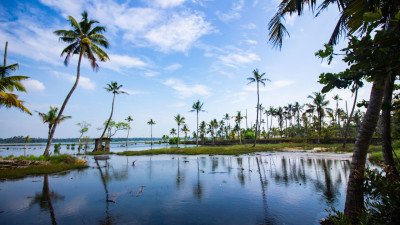 Khecheopalri Lake, originally known as Kha-Chot-Palri, is one of the most sacred lakes in the world for both Buddhists and Hindus. It is part of the "Demazong" valley, meaning the valley of rice. Legend says the lake is the footprint of the Goddess Tara Jetsun Dolma (Buddhists) or Lord Shiva (Hindus). A fascinating and widely observed phenomenon is that no leaves are ever seen floating on the lake's surface; it is said that birds diligently pick up any leaf that falls into the water to keep it pure. The lake is surrounded by a dense temperate forest and sits at an altitude of 1,700 meters. A long wooden jetty, lined with hundreds of prayer wheels, leads pilgrims to the water's edge. The silence of the lake is punctuated only by the distant sound of monastery bells and the chanting of pilgrims. For many, it is known as the "Wishing Lake," and devotees travel from across the globe to offer prayers and seek blessings. The water is believed to have curative properties and is used in various religious ceremonies across Sikkim. The lake is not just a body of water but a spiritual powerhouse, surrounded by ancient caves where great masters like Guru Padmasambhava are said to have meditated.Show All
@@Ecological and Cultural Significance: The Khangchendzonga National Park (KNP) is a massive UNESCO World Heritage Site, recognized as a "Mixed Heritage" site for its exceptional natural and cultural value: It is one of the world's few reserves with a colossal vertical sweep, ranging from 1,220m to the summit of Mount Khangchendzonga (8,586m), the world's third-highest peak: This range supports an unsurpassed diversity of ecosystems, from subtropical forests to alpine meadows and glaciers (including the Zemu Glacier): The park is a major global biodiversity hotspot, home to endangered species like the Snow Leopard, Red Panda, Himalayan Tahr, and over 550 species of birds: Culturally, it is revered by Buddhists as a Beyul (Sacred Hidden Land) and by the indigenous Lepcha people as Mayel Lyang (Land of Promise), making the land itself an object of worship: The gateway in Yuksom is the primary access point for the challenging, multi-day treks into the core zone (like the Goechala Trek), making it a starting point for both a physical adventure and a spiritual pilgrimage into the sacred heartland of Sikkim.
Khecheopalri Lake, originally known as Kha-Chot-Palri, is one of the most sacred lakes in the world for both Buddhists and Hindus. It is part of the "Demazong" valley, meaning the valley of rice. Legend says the lake is the footprint of the Goddess Tara Jetsun Dolma (Buddhists) or Lord Shiva (Hindus). A fascinating and widely observed phenomenon is that no leaves are ever seen floating on the lake's surface; it is said that birds diligently pick up any leaf that falls into the water to keep it pure. The lake is surrounded by a dense temperate forest and sits at an altitude of 1,700 meters. A long wooden jetty, lined with hundreds of prayer wheels, leads pilgrims to the water's edge. The silence of the lake is punctuated only by the distant sound of monastery bells and the chanting of pilgrims. For many, it is known as the "Wishing Lake," and devotees travel from across the globe to offer prayers and seek blessings. The water is believed to have curative properties and is used in various religious ceremonies across Sikkim. The lake is not just a body of water but a spiritual powerhouse, surrounded by ancient caves where great masters like Guru Padmasambhava are said to have meditated.Show All
@@Ecological and Cultural Significance: The Khangchendzonga National Park (KNP) is a massive UNESCO World Heritage Site, recognized as a "Mixed Heritage" site for its exceptional natural and cultural value: It is one of the world's few reserves with a colossal vertical sweep, ranging from 1,220m to the summit of Mount Khangchendzonga (8,586m), the world's third-highest peak: This range supports an unsurpassed diversity of ecosystems, from subtropical forests to alpine meadows and glaciers (including the Zemu Glacier): The park is a major global biodiversity hotspot, home to endangered species like the Snow Leopard, Red Panda, Himalayan Tahr, and over 550 species of birds: Culturally, it is revered by Buddhists as a Beyul (Sacred Hidden Land) and by the indigenous Lepcha people as Mayel Lyang (Land of Promise), making the land itself an object of worship: The gateway in Yuksom is the primary access point for the challenging, multi-day treks into the core zone (like the Goechala Trek), making it a starting point for both a physical adventure and a spiritual pilgrimage into the sacred heartland of Sikkim.Information
-
Why Famous:
Royal History: Famous as the site where the first King of Sikkim was crowned, marking the birth of a 333-year-long dynasty. The ancient stone throne and the footprints of the lamas are still preserved as sacred relics.
Trekking Hub: It is g...Royal History: Famous as the site where the first King of Sikkim was crowned, marking the birth of a 333-year-long dynasty. The ancient stone throne and the footprints of the lamas are still preserved as sacred relics.
Trekking Hub: It is globally renowned as the starting point for the Goecha La trek. Adventure enthusiasts from all over the world gather here to begin their journey toward the base of the world's third-highest peak. -
Architecture:
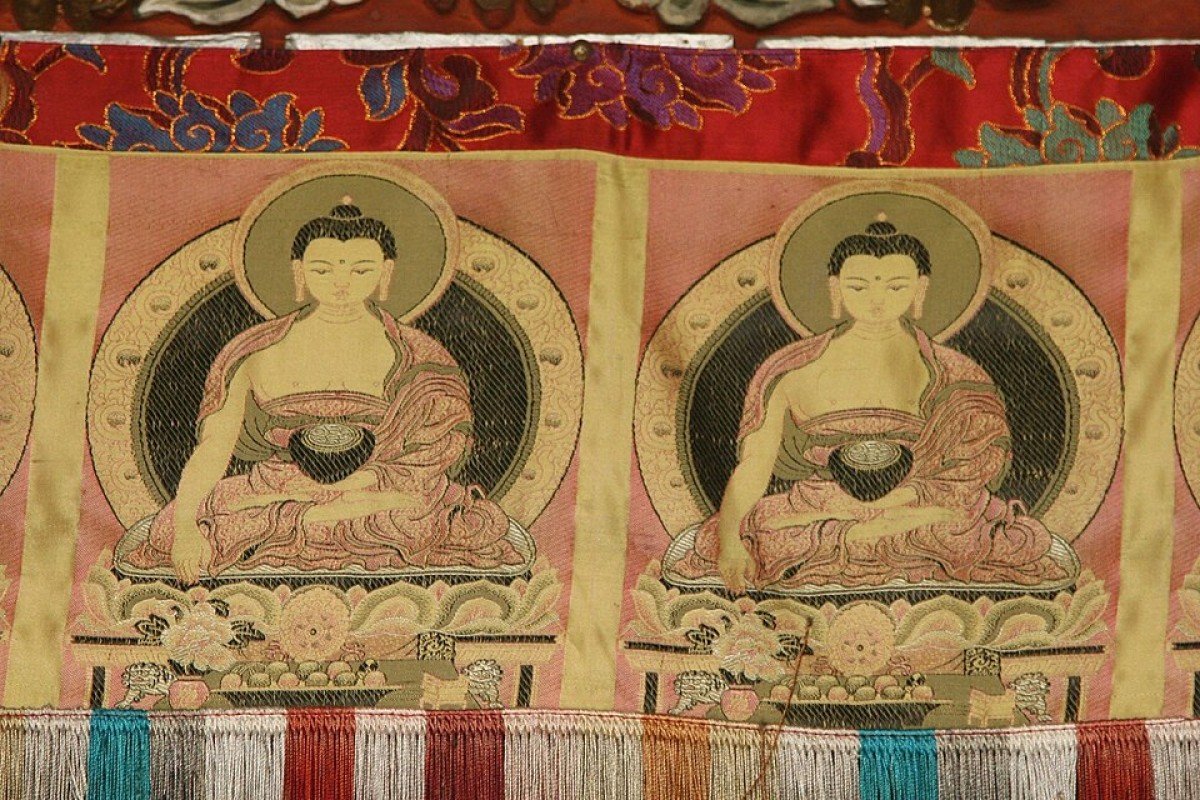
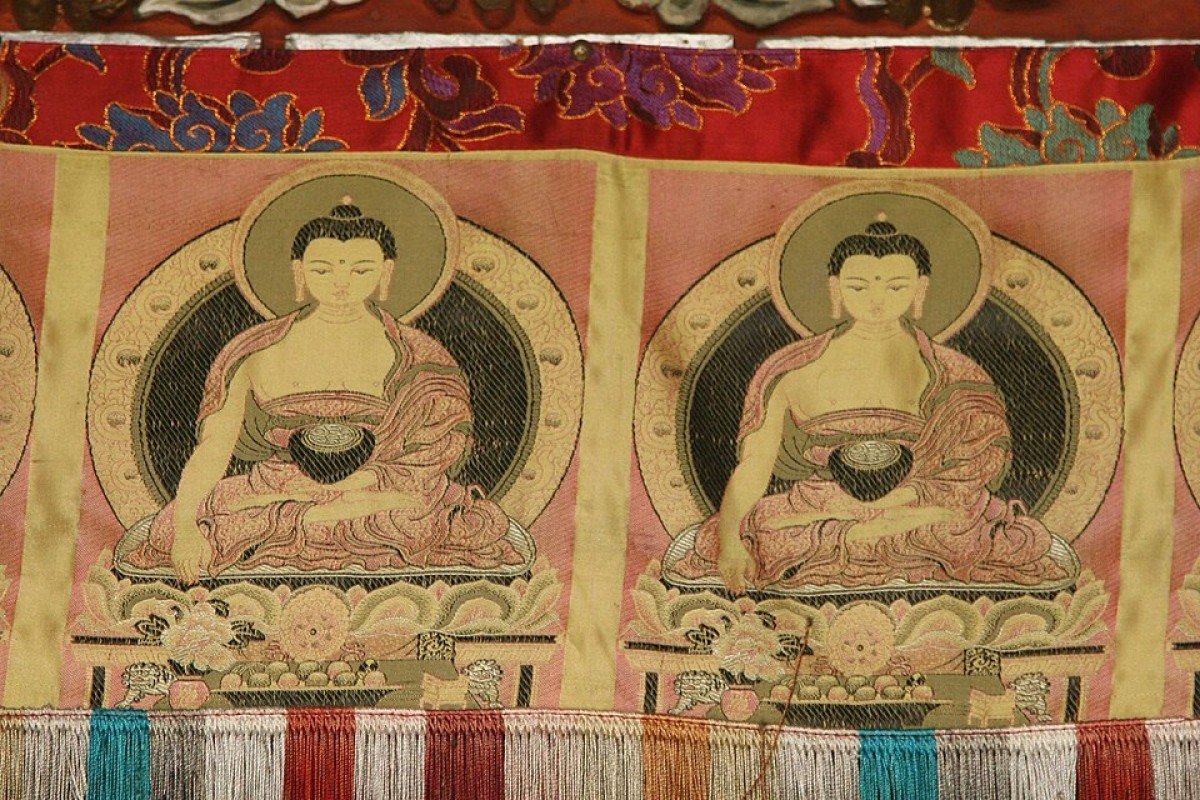
Dubdi Monastery: Established in 1701, it is the oldest monastery in Sikkim and a fine example of Tibetan Buddhist architecture. The structure is built with stone and wood, featuring elaborate murals and a peaceful retreat-like atmosphere.
Coron...Dubdi Monastery: Established in 1701, it is the oldest monastery in Sikkim and a fine example of Tibetan Buddhist architecture. The structure is built with stone and wood, featuring elaborate murals and a peaceful retreat-like atmosphere.
Coronation Throne: The Norbugang Throne is made entirely of stones and sits under a large cryptomeria pine tree. Its simple yet powerful design reflects the humble beginnings of the Sikkimese monarchy and is now a National Monument.
Traditional Stupas: The Norbugang Chorten is a massive white stupa that stands as a symbol of the consecration ceremony. Its dimensions and tiers represent the different stages of enlightenment in Buddhist philosophy, surrounded by a serene park. -
How To Reach:
By Air: Bagdogra Airport is 160 km away, taking about 6 to 7 hours by road via Jorethang. Pakyong Airport is closer at 127 km, but flights are less frequent and weather-dependent for travelers.
By Train: New Jalpaiguri (NJP) is the nearest ...By Air: Bagdogra Airport is 160 km away, taking about 6 to 7 hours by road via Jorethang. Pakyong Airport is closer at 127 km, but flights are less frequent and weather-dependent for travelers.
By Train: New Jalpaiguri (NJP) is the nearest railhead, located about 150 km from Yuksom. From the station, you can take a shared jeep to Jorethang and then another one to reach the village.
By Road: Yuksom is well-connected to Pelling (40 km) and Gyalshing (45 km) by regular taxi services. The road journey from Gangtok takes about 5 to 6 hours and offers stunning views of the Rangeet River.
By Local Transport: The village is best explored on foot as most historical sites are within walking distance. For visits to nearby waterfalls or lakes, private taxis can be easily hired from the main market area. -
Weather and Best Time to Visit:
Summer Season: March to May is the most popular time for trekking as the weather is pleasant and the trails are clear. The rhododendrons are in bloom, and the greenery of the valley is at its most vibrant.
Winter Season: December to Februar...Summer Season: March to May is the most popular time for trekking as the weather is pleasant and the trails are clear. The rhododendrons are in bloom, and the greenery of the valley is at its most vibrant.
Winter Season: December to February brings a sharp chill, with temperatures often dropping below freezing at night. However, it is the best time for snow lovers to see the peaks covered in a thick blanket of white.
Parts of Day: Dawn is the most magical time in Yuksom as the first light touches the mountain peaks. Evenings are perfect for gathering around a bonfire in a homestay and sharing stories with fellow travelers and locals. -
Near Tourist Places:
Dubdi Monastery (2 km), Norbugang (1 km), Kathok Lake (1 km), Kanchenjunga Falls (10 km), Phamrong Falls (7 km), Khecheopalri Lake (27 km), Pelling (40 km), Tashiding (20 km), Pemayangtse (36 km), Rabdentse Ruins (38 km).
Tourism Tips
-
Health and Safety: Trekkers should be aware of altitude sickness and carry necessary medications like Diamox. It is essential to hire a certified guide for high-altitude treks to ensure safety in the unpredictable mountain terrain.
Packing Tips...Health and Safety: Trekkers should be aware of altitude sickness and carry necessary medications like Diamox. It is essential to hire a certified guide for high-altitude treks to ensure safety in the unpredictable mountain terrain.
Packing Tips: Heavy woolens are a must for winter, while light jackets are sufficient for summer evenings. Sturdy, waterproof hiking boots are essential if you plan to explore the forest trails or the monastery path.
Food and Water: Try the local organic food and avoid drinking tap water directly; always use filtered or boiled water. The local homestays provide healthy, home-cooked meals that are both nutritious and culturally authentic.
Permits for Foreigners: Foreign tourists require a Restricted Area Permit (RAP) to visit Yuksom, which can be obtained at various checkposts. It is advisable to keep multiple copies of your passport and visa ready for verification.
Reviews
FAQs
Yuksom Itineray And Cost:-
Other Places In Sikkim :-
Other States In India :-
Information about New and Updated Locations() of Sikkim Has Been Added :-
Card subtitle
Note:-
Information provided here in good Faith and for reference only.
Near Places
Chungthang
Some quick example text to build on the card title and make up the bulk of the card's content.
Go somewhere
Gangtok
Some quick example text to build on the card title and make up the bulk of the card's content.
Go somewhere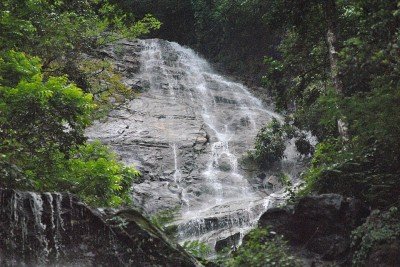
Geyzing
Some quick example text to build on the card title and make up the bulk of the card's content.
Go somewhere
Jorethang
Some quick example text to build on the card title and make up the bulk of the card's content.
Go somewhere
Lachen
Some quick example text to build on the card title and make up the bulk of the card's content.
Go somewhere
Lachung
Some quick example text to build on the card title and make up the bulk of the card's content.
Go somewhere
Mangan
Some quick example text to build on the card title and make up the bulk of the card's content.
Go somewhere
Namchi
Some quick example text to build on the card title and make up the bulk of the card's content.
Go somewhere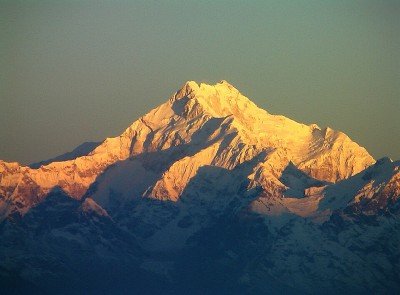
Pakyong
Some quick example text to build on the card title and make up the bulk of the card's content.
Go somewhere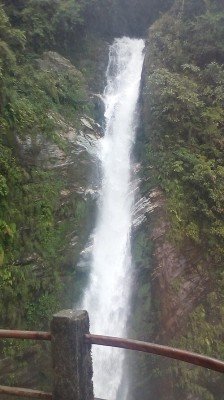
Pelling
Some quick example text to build on the card title and make up the bulk of the card's content.
Go somewhere
Ravangla
Some quick example text to build on the card title and make up the bulk of the card's content.
Go somewhere
Rumtek
Some quick example text to build on the card title and make up the bulk of the card's content.
Go somewhere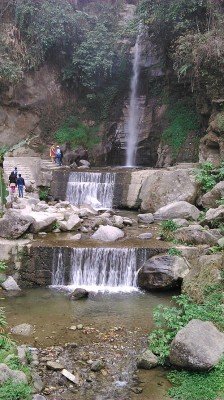
Singtam
Some quick example text to build on the card title and make up the bulk of the card's content.
Go somewhere
Soreng
Some quick example text to build on the card title and make up the bulk of the card's content.
Go somewhere
Yuksom
Some quick example text to build on the card title and make up the bulk of the card's content.
Go somewhere
Zuluk
Some quick example text to build on the card title and make up the bulk of the card's content.
Go somewherein Other Cities