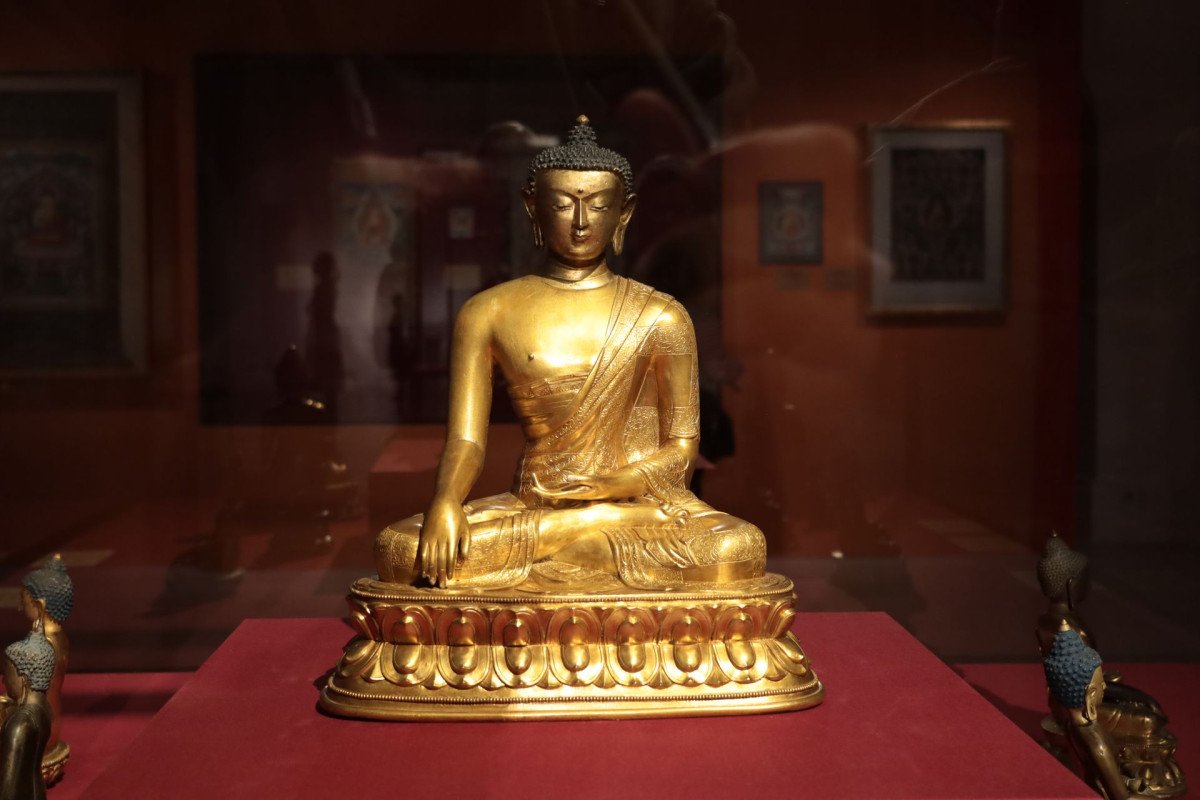
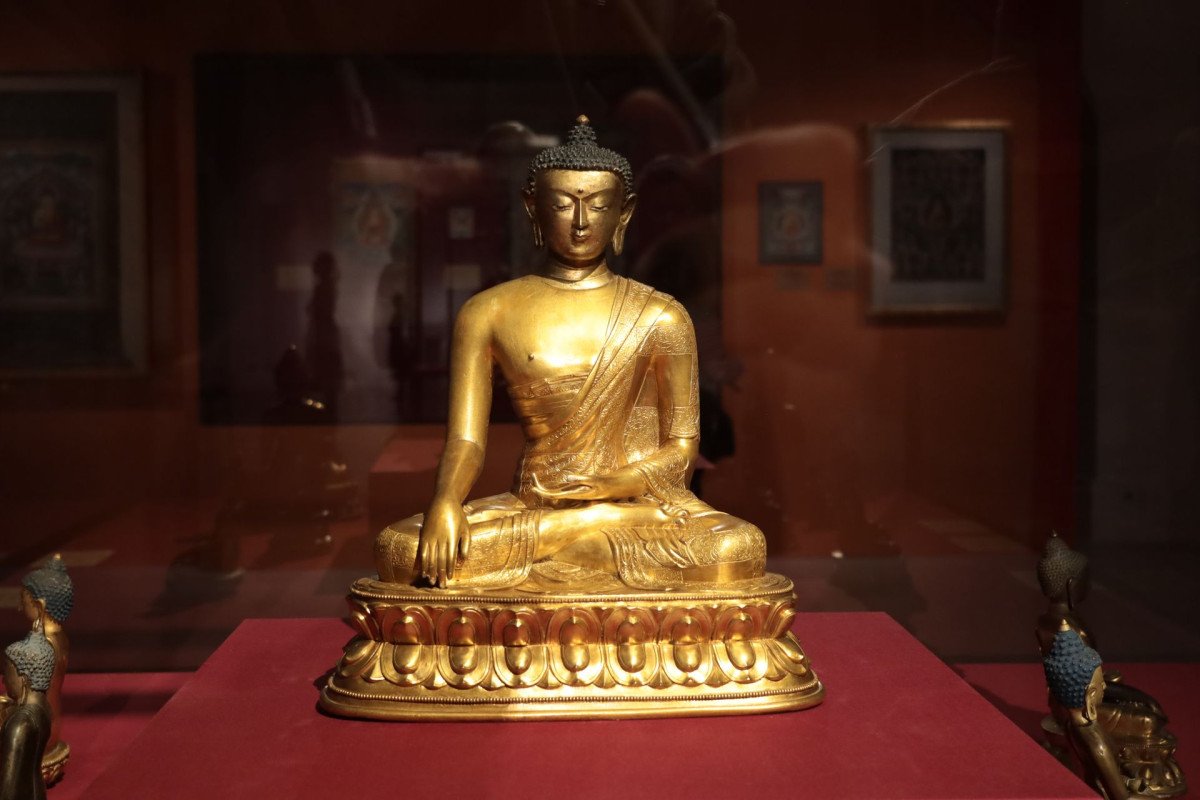
Dhalai District Museum
General information
-
Ideal Duration:
1. 5 Hours - 2.
5 Hours: (For a comprehensive viewing)Place Type:
Museum, Culture, HistoryEntry Fees:
Indian Nationals: Nominal fee, typically Rs.10-30 per person.
Foreign Nationals: Higher fee, usually in the range of Rs.100-200 per person.
Photography/Videography: Still photography with a handheld camera is of...Indian Nationals: Nominal fee, typically Rs.10-30 per person.
Foreign Nationals: Higher fee, usually in the range of Rs.100-200 per person.
Photography/Videography: Still photography with a handheld camera is often free or included, but professional cameras or video cameras may incur a higher fee (Rs.50-200).
Student Groups: Significant discounts or free entry are often offered to school and college groups for educational purposes, requiring a prior letter from the institution.Timing:
Regular Timings: 10:00 AM to 5:00 PM (Closed on Mondays and Public Holidays).
Lunch Break: May close briefly from 1:00 PM to 2:00 PM.
Ideal Visit Time: Mid-morning (10:00 AM - 12:00 PM) on a weekday to avoid...Regular Timings: 10:00 AM to 5:00 PM (Closed on Mondays and Public Holidays).
Lunch Break: May close briefly from 1:00 PM to 2:00 PM.
Ideal Visit Time: Mid-morning (10:00 AM - 12:00 PM) on a weekday to avoid crowds and have quiet time for reading all the information panels.Special Events:
World Heritage Day: The museum often organizes special talks, workshops, and school visits around April 18th to promote local heritage awareness.
Tribal Festival Exhibits: Special, temporary exhibits may be set up during major festivals like...World Heritage Day: The museum often organizes special talks, workshops, and school visits around April 18th to promote local heritage awareness.
Tribal Festival Exhibits: Special, temporary exhibits may be set up during major festivals like the Garia Festival (April) or Kharchi Puja (July), showcasing the specific rituals and significance of these events.Best Photo Spots:
The Entrance Facade: The main entrance with the museum's sign and any traditional tribal art motif is a good, formal photo spot.
Inside the Bamboo Craft Section: The display of intricate bamboo and cane handicrafts, perfectly lit, is excelle...The Entrance Facade: The main entrance with the museum's sign and any traditional tribal art motif is a good, formal photo spot.
Inside the Bamboo Craft Section: The display of intricate bamboo and cane handicrafts, perfectly lit, is excellent for detail and texture photography, especially focused on the traditional tokras and jampais.
Diorama Views: The large, vibrant dioramas depicting festival dances or village life provide a colorful background for cultural photography.Photo Gallery
Things To Do
-
Exploring the Galleries: Studying Tribal Costumes - Closely examine the traditional clothing like the Rignai (Tripuri) and Pachara (Reang), noting the weaving patterns and colors. Analyzing Archaeological Finds - View the pottery, tools, and perhaps any rock-carving replicas that connect the region to its ancient history. Reading the Ethnographic Displays - Take time to understand the cultural significance of the hunting and agricultural tools used by the local tribes. Attending a Curator Talk - If available, participate in a guided tour or talk by the curator for deeper context on the exhibits. Sketching the Artifacts - Bring a notebook to sketch and document the unique designs of cane and bamboo products. Researching Local History - Use the museum's small library or resource section to look up historical facts about the Manikya dynasty's influence on the r...Exploring the Galleries: Studying Tribal Costumes - Closely examine the traditional clothing like the Rignai (Tripuri) and Pachara (Reang), noting the weaving patterns and colors. Analyzing Archaeological Finds - View the pottery, tools, and perhaps any rock-carving replicas that connect the region to its ancient history. Reading the Ethnographic Displays - Take time to understand the cultural significance of the hunting and agricultural tools used by the local tribes. Attending a Curator Talk - If available, participate in a guided tour or talk by the curator for deeper context on the exhibits. Sketching the Artifacts - Bring a notebook to sketch and document the unique designs of cane and bamboo products. Researching Local History - Use the museum's small library or resource section to look up historical facts about the Manikya dynasty's influence on the region. Buying Local Handicrafts - Check if the museum has a counter or an affiliated local shop selling authentic, certified tribal crafts, ensuring fair trade. :
Information
-
Why Famous:
Showcasing Tribal Life: Famous for its comprehensive collection of artifacts, costumes, and tools of the indigenous tribes of Dhalai District, providing an invaluable resource for anthropological study.
Educational Hub: It acts as an importa...Showcasing Tribal Life: Famous for its comprehensive collection of artifacts, costumes, and tools of the indigenous tribes of Dhalai District, providing an invaluable resource for anthropological study.
Educational Hub: It acts as an important educational center, particularly for students and researchers interested in the unique North-Eastern culture and history. -
Architecture:
Modern Functionalist Style: The building is modern, typically a two-story structure constructed with reinforced concrete and brick, characterized by simple, clean lines and a functional design, a common feature in modern institutional buildings across India.Modern Functionalist Style: The building is modern, typically a two-story structure constructed with reinforced concrete and brick, characterized by simple, clean lines and a functional design, a common feature in modern institutional buildings across India.
Interior Layout and Dimensions: The interior is divided into several themed galleries, with a total exhibition area estimated to be around 500-700 square meters. The halls are brightly lit with both natural and artificial light. Dimensions usually include high ceilings to accommodate large exhibits and proper ventilation, with a layout that encourages a linear flow through history and culture. Displays are housed in glass and wood cabinets, often with detailed bilingual labels in English and Bengali or Kokborok. -
How To Reach:
By Air: Nearest airport is Agartala (IXA), approx. 95 KMs. Take a taxi or bus to Ambassa and then a local auto-rickshaw to the District Collectorate area.
By Train: Arrive at Ambassa Railway Station (ABSA). The museum is a short 5-10 minu...By Air: Nearest airport is Agartala (IXA), approx. 95 KMs. Take a taxi or bus to Ambassa and then a local auto-rickshaw to the District Collectorate area.
By Train: Arrive at Ambassa Railway Station (ABSA). The museum is a short 5-10 minute auto-rickshaw ride (approx. 2 KMs).
By Road: Take NH 8 to Ambassa. The museum is located in the administrative area, which is easily identifiable near the main town center. Regular shared transport from nearby towns is available to the main Ambassa bus stand.
By Local Transport: Easily accessible by auto-rickshaw or hired cab from any part of Ambassa town. The fare will be negligible due to the short distance from the center. -
Weather and Best Time to Visit:
Different Seasons: Winter (November - February) is the most pleasant time for an indoor visit, as the cool weather makes the journey to the museum comfortable. Monsoon season is also acceptable as it is an indoor activity.
Different Parts of th...Different Seasons: Winter (November - February) is the most pleasant time for an indoor visit, as the cool weather makes the journey to the museum comfortable. Monsoon season is also acceptable as it is an indoor activity.
Different Parts of the Day: Morning is the best time to visit before local school groups arrive, ensuring a peaceful and unhurried experience. -
Near Tourist Places:
Ambassa Railway Station (2 KMs), Dhalai River Bank (3 KMs), Longtharai Mandir (7 KMs), Manughat Eco Park (16 KMs), Kulai River Bridge (10 KMs), Manu Eco Park (15 KMs), Ambassa Market (1 KM), Dalubari Helipad (3 KMs), Kamalpur (35 KMs), Agartala (95 KMs).
Tourism Tips
-
Health & Safety: Follow the museum rules regarding touching artifacts. Carry a small hand sanitizer.
Packing: Bring a small notebook and pen for taking notes, and an ID card (Aadhaar or Passport) for any required registration.Health & Safety: Follow the museum rules regarding touching artifacts. Carry a small hand sanitizer.
Packing: Bring a small notebook and pen for taking notes, and an ID card (Aadhaar or Passport) for any required registration.
Accommodation: Stay in the limited, but comfortable guesthouses in Ambassa town for easy morning access.
Other Topics: Be respectful of the exhibits, especially the tribal religious artifacts. Purchase the museum's catalogue or a local book on Tripura's tribes if available. :
Reviews
FAQs
Ambassa Itineray And Cost:-
Dhalai District Museum Tourism:-
Other Places In Ambassa :-
Other States In India :-
Information about New and Updated Locations() of Tripura Has Been Added :-
Card subtitle
Note:-
Information provided here in good Faith and for reference only.
Near Places

Ambassa Bus Stand
Some quick example text to build on the card title and make up the bulk of the card's content.
Go somewhere
Ambassa Eco Park
Some quick example text to build on the card title and make up the bulk of the card's content.
Go somewhere
Ambassa Forest Division Office
Some quick example text to build on the card title and make up the bulk of the card's content.
Go somewhere
Ambassa Forest Rest House
Some quick example text to build on the card title and make up the bulk of the card's content.
Go somewhere
Ambassa Lake
Some quick example text to build on the card title and make up the bulk of the card's content.
Go somewhere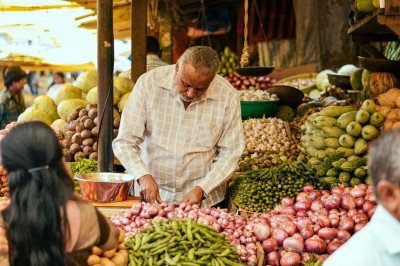
Ambassa Market
Some quick example text to build on the card title and make up the bulk of the card's content.
Go somewhere
Ambassa Railway Station
Some quick example text to build on the card title and make up the bulk of the card's content.
Go somewhere
Ambassa Town Centre
Some quick example text to build on the card title and make up the bulk of the card's content.
Go somewhere
Atharomura Waterfall
Some quick example text to build on the card title and make up the bulk of the card's content.
Go somewhere
Barmura Eco Park
Some quick example text to build on the card title and make up the bulk of the card's content.
Go somewhere
Chawmanu Buddha Temple
Some quick example text to build on the card title and make up the bulk of the card's content.
Go somewhere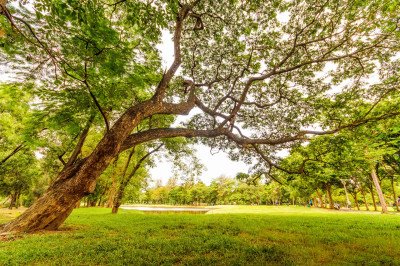
Dhalai District Heritage Park
Some quick example text to build on the card title and make up the bulk of the card's content.
Go somewhere
Dhalai District Museum
Some quick example text to build on the card title and make up the bulk of the card's content.
Go somewhere
Dhalai River Bank
Some quick example text to build on the card title and make up the bulk of the card's content.
Go somewhere
Dhalai Wildlife Sanctuary
Some quick example text to build on the card title and make up the bulk of the card's content.
Go somewhere
Gandacherra Eco Park
Some quick example text to build on the card title and make up the bulk of the card's content.
Go somewherein Other Cities