...

FAQs On Babu Ghat

Kolkata, West Bengal, India
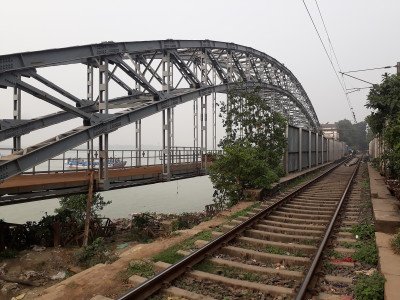
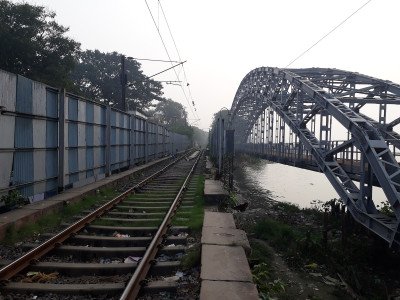
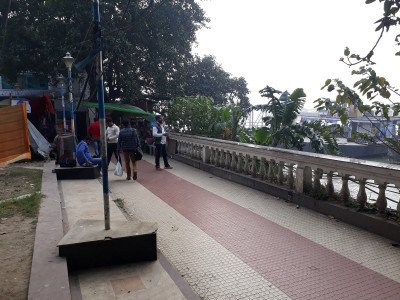
The Historic Waterfront: Babu Ghat is one of the oldest and most significant river ghats in Kolkata, built in 1830 by Rani Rashmoni in memory of her husband, Babu Raj Chandra Das. Located along the Hooghly River on Strand Road, it has served as a vital landing point for centuries. The ghat is steepe d in history, witnessing the city's transition from a colonial trading post to a modern metropolis. The atmosphere here is a unique blend of spirituality, commerce, and daily life. Early mornings see devotees taking a holy dip in the Ganges, while the evenings are filled with the rhythmic sounds of the Ganga Arati. The ghat is a major transit point for commuters using the ferry services to cross over to Howrah. It is also a significant site during festivals, especially Durga Puja, when the idols are immersed in the river amidst great pomp and show. The surrounding area is dotted with colonial-era buildings and small temples. For many, Babu Ghat is a place of quiet reflection, watching the sunset over the massive Howrah Bridge in the distance. The ghat also serves as a hub for long-distance bus services to other states, making it a bustling transit zone. Despite the crowd, there is a sense of timelessness as the river flows silently past the ancient pillars. The ghat has been a favorite spot for photographers and artists who want to capture the "soul" of Kolkata. The colonial architecture of the pavilion, though weathered, still retains its majestic charm. A visit here offers a glimpse into the deep-rooted religious and social fabric of Bengal. The ferry ride from here is one of the cheapest and most scenic ways to experience the city's riverfront.

Ans:- Babu Ghat is a public riverfront and is open 24 hours a day, 7 days a week. There is no entry fee to visit the ghat or walk around the pavilion. It is a bustling area where people come for morning walks, religious rituals, or simply to enjoy the view of the Hooghly River. It is most vibrant during sunrise and sunset.

Ans:- Babu Ghat is generally safe during the early evening hours, especially when the Ganga Aarti is taking place and there are many people around. However, like any busy public area, it is advisable for tourists to remain cautious and avoid deserted spots late at night. The presence of the bus terminus and constant ferry movement ensures that the area is usually well-lit and active.

Ans:- Babu Ghat is located on Strand Road and is very close to the BBD Bagh area. It is easily accessible by bus, as there is a major bus terminus right outside the ghat. The nearest railway station is the BBD Bagh station on the Circular Railway line. Additionally, ferry services from Howrah Station drop passengers directly at the nearby jetty.

Ans:- Babu Ghat was built in 1830 by Rani Rashmoni in memory of her late husband, Babu Raj Chandra Das. He was a wealthy zamindar and philanthropist of Kolkata. The ghat is one of the oldest in the city and is a fine example of colonial-era architecture, specifically the Doric-Greek style, which is visible in its massive pillars and pavilion.

Ans:- Historically, a section of the ghat was specifically designated as a bathing area for women to ensure their privacy. While the structure still exists, its maintenance has declined over the years. Many women still use the ghat for ritual baths during festivals, though the general crowd is mixed. Efforts are periodically made by local authorities to clean and maintain these sections.

Ans:- Inspired by the famous aartis in Varanasi and Haridwar, a daily Ganga Aarti is performed at Babu Ghat every evening. This spiritual ceremony involves priests chanting hymns and waving large brass lamps to honor the holy river. It has become a major attraction for both locals and tourists who seek a peaceful and spiritual experience by the riverside.

Ans:- Since Babu Ghat is located near the central business district of BBD Bagh, there are several hotels ranging from budget to luxury nearby. While there are no hotels directly on the ghat, the Esplanade and Dalhousie areas offer many accommodation options within a 2-kilometer radius. This makes it a convenient spot for tourists to visit while staying in the heart of Kolkata.

Ans:- The area around Babu Ghat is famous for its Kolkata street food. Numerous vendors sell snacks like Jhalmuri, Puchka, and Ghugni. There are also tea stalls and small eateries catering to the large number of commuters and tourists. For a more formal dining experience, one can head towards the nearby BBD Bagh or Park Street areas, which are a short drive away.

Ans:- The best time to visit is in the evening, around 5:30 PM to 6:30 PM, to witness the sunset and the subsequent Ganga Aarti. Early mornings are also wonderful for those who want to see the traditional lifestyle of the city, with devotees bathing and vendors starting their day. The weather is most comfortable from October to March.

Ans:- The entrance pavilion of Babu Ghat is built in the Doric-Greek architectural style. It features a grand colonial structure with massive white pillars that support a pediment. While parts of the structure have aged and show signs of decay, it still retains its majestic look and stands as a testament to the grand public works commissioned during the 19th century in British Calcutta.

Ans:- Yes, Babu Ghat is a major hub for ferry services managed by the Inland Waterways Corporation. From the adjacent jetty, you can take frequent ferries to Howrah, Chandpal Ghat, and other locations along the river. Private traditional country boats are also available for short pleasure trips on the Hooghly River, offering a unique view of the city’s skyline.

Ans:- Yes, Babu Ghat is home to one of Kolkata’s most important bus termini. It serves as a major hub for both local city buses and long-distance interstate buses traveling to Odisha, Bihar, and Jharkhand. Because of this, the area is always bustling with travelers and vendors, making it a very high-traffic zone throughout the day and night.

Ans:- Yes, Babu Ghat offers a fantastic panoramic view of the Hooghly River, including the iconic Howrah Bridge (Rabindra Setu) to the north and the Vidyasagar Setu to the south. It is one of the few spots in the city where you can see both of these architectural marvels in a single frame. The sunset view from here is particularly breathtaking for visitors.

Ans:- Yes, photography is generally allowed at Babu Ghat and it is a favorite spot for street and landscape photographers. The colonial pillars and the view of the Howrah Bridge and Vidyasagar Setu provide excellent backdrops. However, visitors should be respectful of people performing private religious rituals and seek permission if taking close-up shots of devotees or during the aarti.
Information about New and Updated Locations(575+) of West Bengal Has Been Added :-
Card subtitle

Note:-

Information provided here in good Faith and for reference only.

All information and pictures will be updated soon, please keep visiting.

Near Places
...
Academy of Fine Arts

Some quick example text to build on the card title and make up the bulk of the card's content.

Go somewhere
...
Acharya Jagadish Chandra Bose Indian Botanic Garden

Some quick example text to build on the card title and make up the bulk of the card's content.

Go somewhere
...
Alipore Zoological Garden

Some quick example text to build on the card title and make up the bulk of the card's content.

Go somewhere
...
Aquatica Water Park

Some quick example text to build on the card title and make up the bulk of the card's content.

Go somewhere
...
Babu Ghat

Some quick example text to build on the card title and make up the bulk of the card's content.

Go somewhere
...
Belilious Park

Some quick example text to build on the card title and make up the bulk of the card's content.

Go somewhere
...
Belur Math

Some quick example text to build on the card title and make up the bulk of the card's content.

Go somewhere
...
Birla Academy of Art & Culture

Some quick example text to build on the card title and make up the bulk of the card's content.

Go somewhere
...
Birla Industrial & Technological Museum

Some quick example text to build on the card title and make up the bulk of the card's content.

Go somewhere
...
Birla Mandir

Some quick example text to build on the card title and make up the bulk of the card's content.

Go somewhere
in Other Cities