

Haidakhan Baba Ashram
General information
-
Ideal Duration:
2 to 3 Hours (excluding stay for devotees)Place Type:
Religious, Spiritual Retreat, AshramEntry Fees:
Entry Fee: There is absolutely no entry fee to enter the Haidakhan Baba Ashram or the main temple. Babaji's teachings emphasize that the spiritual path should be accessible to everyone, and the ashram operates on the principle of open welcome and selfless service.
<...Entry Fee: There is absolutely no entry fee to enter the Haidakhan Baba Ashram or the main temple. Babaji's teachings emphasize that the spiritual path should be accessible to everyone, and the ashram operates on the principle of open welcome and selfless service.
Rs. Donations: The ashram is sustained entirely by the voluntary donations (dakshina) of devotees and visitors. Visitors are welcome to contribute money, time (through karma yoga), or materials (provisions) but are never under any obligation or pressure to do so.
Rs. Accommodation Charges: If visitors choose to stay in the ashram's guest houses, they are usually asked to contribute a nominal daily amount to cover basic expenses for food and lodging, often referred to as a seva (service) charge or a suggested donation, but this is a contribution, not a ticketed fee.
Rs. Photography Fee: There is no photography fee in the open areas, but visitors must be respectful and are generally requested not to use flash inside the main temple or during aarti.Timing:
Regular Timings: The ashram is generally open 24/7 for access to the grounds, as it is a residential community, but the main temple and the daily rituals follow a strict schedule.
Rs. Temple Timing: The main temple is typically open from 4:00 ...Regular Timings: The ashram is generally open 24/7 for access to the grounds, as it is a residential community, but the main temple and the daily rituals follow a strict schedule.
Rs. Temple Timing: The main temple is typically open from 4:00 AM to 10:00 PM, with doors closed during the afternoon for a quiet period.
Rs. Daily Aarti Timings: The most important times are the Morning Aarti (Mangala Aarti) which takes place around 4:30 AM to 5:30 AM (before sunrise) and the Evening Aarti (Sandhya Aarti) which occurs around 6:30 PM to 7:30 PM (at sunset, varying with the season).
Rs. Ideal Visit Time (Spiritual): The ideal time for a spiritual visit is during the aarti times to fully experience the devotion.
Rs. Ideal Visit Time (Scenic): The ideal time for scenic beauty and photography is from 6:00 AM to 8:00 AM for the clear, crisp sunrise views of the Himalayas, or from 4:00 PM to 6:00 PM for the evening golden hour. Rs. The whole day is suitable for quiet reflection and enjoying the peace.Special Events:
Maha Shivaratri Celebration: As Babaji is considered an incarnation of Lord Shiva, Maha Shivaratri is the most significant and grand event celebrated here. The night is filled with continuous bhajans, aarti, special rituals, and fire ceremonies, attracting thousands of devo...Maha Shivaratri Celebration: As Babaji is considered an incarnation of Lord Shiva, Maha Shivaratri is the most significant and grand event celebrated here. The night is filled with continuous bhajans, aarti, special rituals, and fire ceremonies, attracting thousands of devotees.
Rs. Navaratri Festival: The nine nights of Navaratri are also celebrated with great fervor, involving extended hours of worship to the Divine Mother, whom Babaji revered. The atmosphere during this time is particularly festive and spiritually charged with traditional aarti and prasad distribution.
Rs. Babaji's Mahasamadhi Day: The day when Babaji left his mortal body (Valentine's Day, February 14) is observed as a deeply significant day of remembrance, meditation, and spiritual gathering by his global following.
Rs. Haidakhan Babaji Birthday (Bhandara): The anniversary of Babaji's appearance/birth is celebrated with a large bhandara (communal feast) and special pujas.Best Photo Spots:
Himalayan Viewpoint Terrace: The main viewing deck outside the temple complex offers the most spectacular, wide-angle shots of the snow-capped Himalayas, especially during the golden hours of sunrise and sunset.
Rs. The Temple Bell Archway: Th...Himalayan Viewpoint Terrace: The main viewing deck outside the temple complex offers the most spectacular, wide-angle shots of the snow-capped Himalayas, especially during the golden hours of sunrise and sunset.
Rs. The Temple Bell Archway: The archway leading to the main temple, often adorned with colorful flags and prayer banners, provides a beautiful frame for the main structure.
Rs. The Dhuni Mandap: The structure housing the perpetually burning sacred fire (dhuni) is a powerful spot for candid, atmospheric photography, capturing the rituals and the intensity of the devotees' worship.
Rs. Against the Sky Blue Temple Walls: The bright white and blue/yellow temple walls set against the clear, often azure, mountain sky, offer a vibrant contrast perfect for portrait and architectural shots.
Rs. Nature Trails: The quiet, wooded paths surrounding the ashram complex are ideal for capturing macro nature photography or serene landscape shots without the crowd.
Rs. Aarti Photography: With permission (often restricted for flash), capturing the energy of the morning or evening aarti is possible, focusing on the devotees, the lamps, and the musical instruments.Photo Gallery
Things To Do
-
Participate in Morning/Evening Aarti: Visitors should attend the Mangala Aarti (morning) or Sandhya Aarti (evening) to fully immerse themselves in the spiritual energy. These ceremonies involve chanting, devotional songs (bhajans), and rhythmic music, creating a powerful, uplifting experience. This is the heart of the ashram's life and an activity highly recommended for all guests.
Rs. Karma Yoga and Selfless Service: Engage in a few hours of Karma Yoga by helping with simple tasks like cleaning, cooking, or gardening in the ashram premises. This is a core teaching of Babaji and allows a deeper connection with the spiritual practice of the community.
Rs. Himalayan Panorama Viewing and Photography: Spend significant time on the ashram's terraces to capture and admire the panoramic view of the Himal...Participate in Morning/Evening Aarti: Visitors should attend the Mangala Aarti (morning) or Sandhya Aarti (evening) to fully immerse themselves in the spiritual energy. These ceremonies involve chanting, devotional songs (bhajans), and rhythmic music, creating a powerful, uplifting experience. This is the heart of the ashram's life and an activity highly recommended for all guests.
Rs. Karma Yoga and Selfless Service: Engage in a few hours of Karma Yoga by helping with simple tasks like cleaning, cooking, or gardening in the ashram premises. This is a core teaching of Babaji and allows a deeper connection with the spiritual practice of the community.
Rs. Himalayan Panorama Viewing and Photography: Spend significant time on the ashram's terraces to capture and admire the panoramic view of the Himalayan range. The best time for this is at sunrise or sunset when the peaks are bathed in golden light. This natural spectacle is one of the main draws.
Rs. Meditation and Quiet Contemplation: Find a quiet corner, either inside the main temple or in the gardens, for personal meditation or quiet contemplation. The serene environment is perfect for inner reflection and escaping the noise of daily life.
Rs. Explore the Ashram Complex: Take a guided or self-guided tour of the entire complex, including the main temple, the Italian Temple, the Dhuni, and the small hospital, to understand the scope of the ashram's work.
Rs. Enjoy Simple Community Meals: If permitted, participate in the communal, simple, and vegetarian meals (prasad) served at the ashram. This experience reflects the community living philosophy and promotes fellowship.
Rs. Nature Walk to Chiliyanaula Village: Take a short, leisurely walk down to the Chiliyanaula village, observing the local Kumaoni lifestyle and architecture, providing a cultural counterpoint to the spiritual retreat.
Rs. Woolen Factory Visit: A small, local woolen garment factory is often nearby in the Chiliyanaula area, offering a chance to buy local handicrafts and warm clothing.
Rs. Spiritual Book Reading: Visit the ashram's small library or bookstall to read or purchase literature about Haidakhan Babaji's teachings and the history of the ashram.
Information
-
Why Famous:
Global Spiritual Significance: The ashram is renowned globally as the spiritual home of Haidakhan Babaji, who is revered as a Mahavatar (great incarnation of God) by his followers worldwide. It draws thousands of international and domestic devotees.
Read MoreGlobal Spiritual Significance: The ashram is renowned globally as the spiritual home of Haidakhan Babaji, who is revered as a Mahavatar (great incarnation of God) by his followers worldwide. It draws thousands of international and domestic devotees.
Rs. Himalayan Viewpoint: It is equally famous among tourists for its spectacular, unobstructed, and panoramic view of the 350 km stretch of the Himalayan peaks, including Nanda Devi, Trishul, Panchachuli, and Nanda Ghunti, making it a breathtaking photography spot.
Rs. Philosophy of Karma Yoga: The ashram's prominence is also due to its adherence to the practice of Karma Yoga (selfless service), which is central to its daily life, emphasizing that dedicated work is the highest form of worship. Rs. This unique combination of spiritual depth, the presence of the dhuni, and its incredible location overlooking the magnificent mountains has made it a beacon of peace and devotion. Rs. It is a living example of interfaith harmony, as people from diverse backgrounds come together to serve and meditate.Architecture:
Architectural Style and Materials: The ashram's architecture is a blend of traditional Kumaoni temple design and simple, modern construction, prioritizing function and spiritual focus over elaborate ornamentation. Rs. The main temple structure is predominantly built using loc...Architectural Style and Materials: The ashram's architecture is a blend of traditional Kumaoni temple design and simple, modern construction, prioritizing function and spiritual focus over elaborate ornamentation. Rs. The main temple structure is predominantly built using local stone and reinforced concrete, painted in bright, uplifting colors like white and yellow, symbolizing purity and light. The architecture is characterized by clean lines and an open layout, designed to accommodate large gatherings for aarti and bhajans.
Rs. Dimension and Layout: The entire complex, including the main temple, residential kutirs (huts/guest houses), and the dhuni, is spread over a significant hillside area in Chiliyanaula. The main temple has a high shikhara (tower) typical of North Indian temple architecture. Inside the sanctum, the idol of Lord Shiva, to whom Babaji is considered an incarnation, is housed. The residential wings are functionally simple, built to withstand the mountain climate. Rs. The open courtyards and terraces are strategically designed to maximize the stunning views of the Himalayan range, integrating the natural environment into the worship experience. Rs. A significant architectural feature is the centrally located sacred fire pit or Dhuni, which is perpetually maintained and is considered the energy heart of the ashram. Rs. The simplicity in the design reflects Babaji's philosophy of focusing on inner spiritual life rather than external show. The temple's exterior also features various religious symbols and murals related to Hindu deities.How To Reach:
By Air: The nearest airport is Pantnagar Airport (PGH), approximately 110 KMS away. From the airport, one must hire a pre-paid taxi or a private cab. The drive to Chiliyanaula takes around 3-4 hours.
Rs. By Train: The nearest major railway s...By Air: The nearest airport is Pantnagar Airport (PGH), approximately 110 KMS away. From the airport, one must hire a pre-paid taxi or a private cab. The drive to Chiliyanaula takes around 3-4 hours.
Rs. By Train: The nearest major railway station is Kathgodam Railway Station (KGM), which is approximately 75-80 KMS away. Kathgodam is well-connected to major Indian cities like Delhi by trains like the Ranikhet Express and Shatabdi Express. From Kathgodam, taxis (shared or private) and state-run buses are readily available for the 3-hour journey to Ranikhet.
Rs. By Road: Ranikhet is well-connected by motorable roads. From Delhi, the distance is about 350-370 KMS, taking roughly 9-10 hours via Haldwani or Nainital. State-run buses and private luxury buses operate daily between Delhi (ISBT Anand Vihar) and Ranikhet.
Rs. By Local Transport: From the Ranikhet Bus Stand or Sadar Bazaar, one can easily hire a local taxi (shared or private) to reach Chiliyanaula, which is only 4-5 KMS away. The journey is short, taking about 15-20 minutes. Local shared cabs are the most economical and frequent option.Weather and Best Time to Visit:
Different Types of Seasons: The Summer months (April to June) offer pleasant weather (15°C - 25°C) and clear mountain views, making it the best time to visit for comfort. Rs. The Monsoon season (July to September) brings heavy rain, making travel risky, but the surrounding ...Different Types of Seasons: The Summer months (April to June) offer pleasant weather (15°C - 25°C) and clear mountain views, making it the best time to visit for comfort. Rs. The Monsoon season (July to September) brings heavy rain, making travel risky, but the surrounding hills become intensely green. The views are often obscured by clouds. Rs. The Winter months (October to March) are ideal for witnessing snow-capped peaks. October to November offers the clearest views. December and January can see snowfall, which is beautiful but makes the weather very cold (0°C - 10°C).
Rs. Different Parts of the Day: The absolute Ideal Visit Time is early morning (before 6 AM) to experience the powerful Mangala Aarti and the crisp, clear sunrise view of the Himalayas and late evening for the Sandhya Aarti and sunset. Mid-day is peaceful for meditation.Near Tourist Places:
Kumaon Regimental Centre Museum (approx.
5 KMS): Jhula Devi Temple (approx.
3 KMS): Ram Mandir (approx.
3 KMS): Mankameshwar Temple (approx.
5 KMS): Chaubatia Gardens (approx.
10 KMS): Ranikhet Golf Course (approx.
7 KMS): Rani Jheel (approx.
5 KMS): Majkhali (approx.
15 KMS): Bhalu Dam (approx.
10 KMS): Kalika Temple (approx. 12 KMS).Tourism Tips
-
Health & Safety: Carry basic medicines for altitude sickness, headaches, and stomach issues, as Ranikhet is over 6000 feet. Rs. Stay hydrated. Be cautious of mountain roads, especially during Monsoon.
Rs. Packing Essentials: Pack woolen clothe...Health & Safety: Carry basic medicines for altitude sickness, headaches, and stomach issues, as Ranikhet is over 6000 feet. Rs. Stay hydrated. Be cautious of mountain roads, especially during Monsoon.
Rs. Packing Essentials: Pack woolen clothes and a light jacket even in summer, as mornings and evenings are chilly. Bring a good camera and binoculars for the Himalayan views. Rs. Carry a torch/headlamp as power cuts can occur, and it's dark for the morning aarti.
Rs. Accommodation: The ashram offers simple accommodation for genuine devotees on a donation basis, but capacity is limited. Book hotels or guest houses in Ranikhet town for more comfort.
Rs. Respectful Conduct (Other Topics): Dress modestly, covering shoulders and knees, especially inside the temple. Rs. Maintain silence and reverence inside the spiritual spaces. Rs. Photography is allowed outside but be discreet; avoid taking photos of resident devotees without permission. Rs. Be prepared for a basic, community-style living environment if staying at the ashram, as the focus is spiritual, not luxury. Rs. Carry cash as digital payment options might be limited in Chiliyanaula.
Reviews
FAQs
Ranikhet Itineray And Cost:-
Haidakhan Baba Ashram Tourism:-
Other Places In Ranikhet :-
Other States In India :-
Information about New and Updated Locations() of Uttarakhand Has Been Added :-
Card subtitle
Note:-
Information provided here in good Faith and for reference only.
Near Places

Apple Garden
Some quick example text to build on the card title and make up the bulk of the card's content.
Go somewhere
Ashiyana Park
Some quick example text to build on the card title and make up the bulk of the card's content.
Go somewhere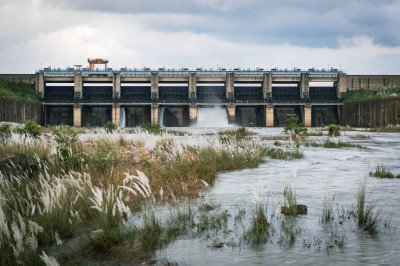
Bhalu Dam
Some quick example text to build on the card title and make up the bulk of the card's content.
Go somewhere
Binsar Mahadev Temple
Some quick example text to build on the card title and make up the bulk of the card's content.
Go somewhere
Chaubatia Gardens
Some quick example text to build on the card title and make up the bulk of the card's content.
Go somewhere
Chiliyanaula
Some quick example text to build on the card title and make up the bulk of the card's content.
Go somewhere
Dwarahat Temples
Some quick example text to build on the card title and make up the bulk of the card's content.
Go somewhere
Golf Ground
Some quick example text to build on the card title and make up the bulk of the card's content.
Go somewhere
Government Fruit Research Center
Some quick example text to build on the card title and make up the bulk of the card's content.
Go somewhere
Haidakhan Baba Ashram
Some quick example text to build on the card title and make up the bulk of the card's content.
Go somewhere
Hairakhan Temple
Some quick example text to build on the card title and make up the bulk of the card's content.
Go somewhere
Jhula Devi Temple
Some quick example text to build on the card title and make up the bulk of the card's content.
Go somewhere
Kalika Temple
Some quick example text to build on the card title and make up the bulk of the card's content.
Go somewhere
Kumaon Regimental Centre Museum
Some quick example text to build on the card title and make up the bulk of the card's content.
Go somewhere
Mankameshwar Temple
Some quick example text to build on the card title and make up the bulk of the card's content.
Go somewhere
Ram Mandir
Some quick example text to build on the card title and make up the bulk of the card's content.
Go somewherein Other Cities