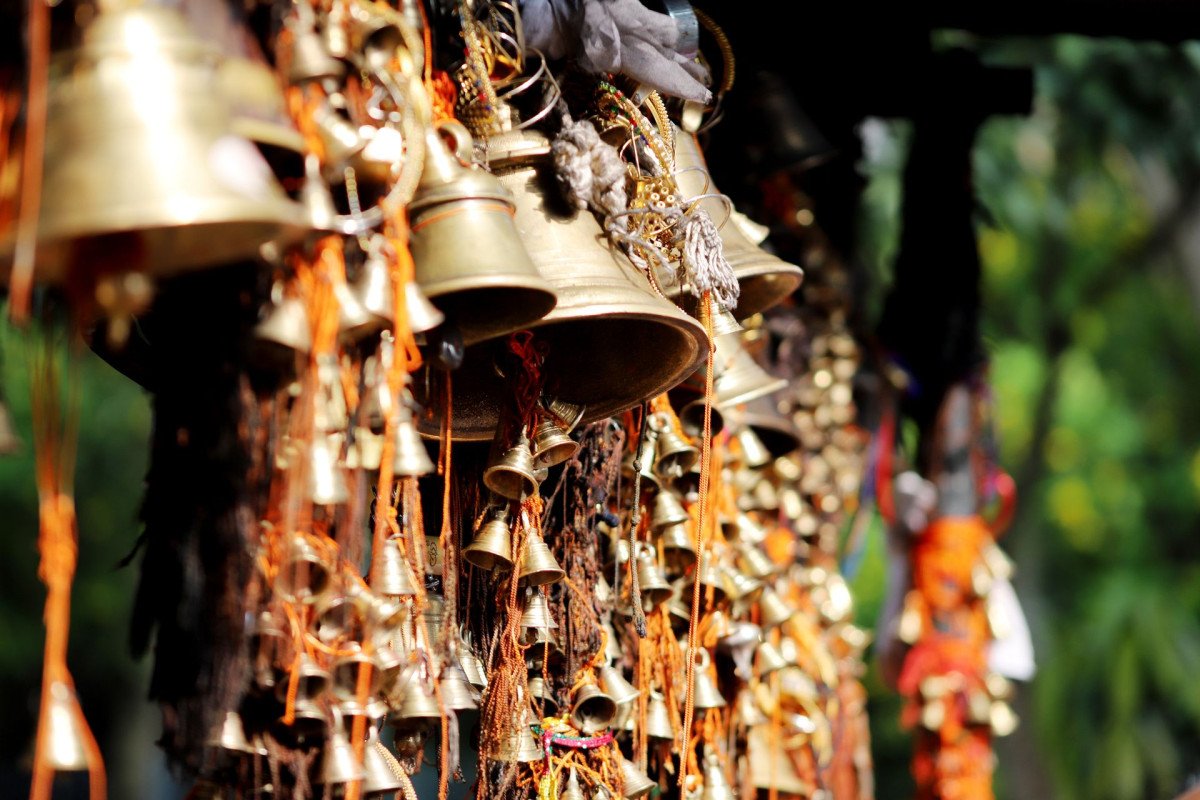
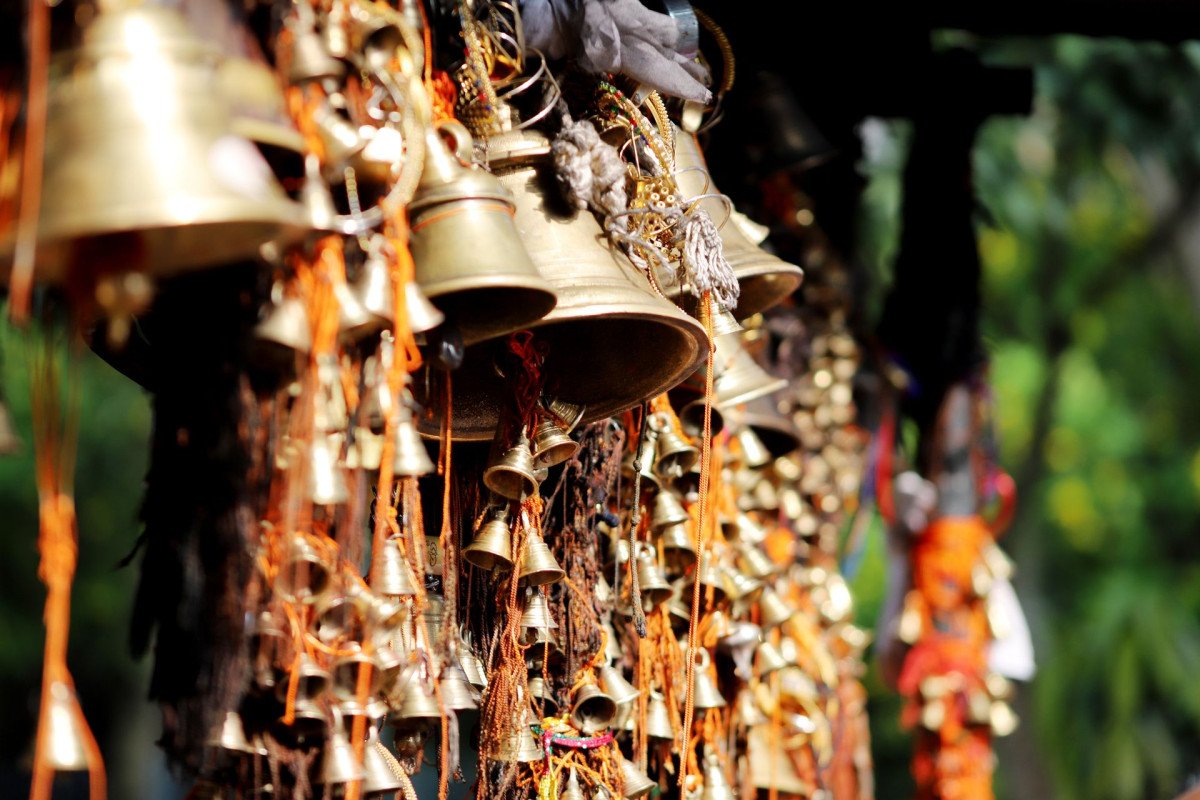
Dwarahat Temples
General information
-
Ideal Duration:
3 to 4 HoursPlace Type:
Heritage, Archaeological, ReligiousEntry Fees:
No Entry Charges: Entry to all the ancient temple groups in Dwarahat is free of cost. Being protected monuments, they are open to the public for exploration.
Donations at Active Temples: For temples that are still in active use, like the Ba...No Entry Charges: Entry to all the ancient temple groups in Dwarahat is free of cost. Being protected monuments, they are open to the public for exploration.
Donations at Active Temples: For temples that are still in active use, like the Badrinath or Dunagiri temples, visitors often drop a few coins in the donation boxes to help with the daily rituals.
Guide Fees: If you hire a local guide to explain the history and architecture, you should negotiate a fee beforehand. Usually, 200 to 500 Rupees is considered a fair amount for a detailed tour.Timing:
Standard Visiting Hours: The temples are open from sunrise to sunset, typically from 6:00 AM to 6:30 PM. Since many are ruins, there are no gates, but it is best to visit during daylight for safety.
Best Time of Day: Early morning, around 8...Standard Visiting Hours: The temples are open from sunrise to sunset, typically from 6:00 AM to 6:30 PM. Since many are ruins, there are no gates, but it is best to visit during daylight for safety.
Best Time of Day: Early morning, around 8:00 AM, is ideal for exploring the temples. The light is perfect for photography, and the town is just waking up, allowing for a quiet and uninterrupted experience.
Summer vs Winter Timings: In winter, it is advisable to finish your tour by 5:00 PM as it gets dark and cold very quickly. In summer, the late afternoon light around 4:00 PM is also very beautiful.Special Events:
Syalde Bikhauti Mela: Held in April on the occasion of Vishuwat Sankranti, this is the biggest cultural event in Dwarahat. It commemorates a historical victory and involves traditional mock battles and folk dances. People from all over the Almora district come to participa...Syalde Bikhauti Mela: Held in April on the occasion of Vishuwat Sankranti, this is the biggest cultural event in Dwarahat. It commemorates a historical victory and involves traditional mock battles and folk dances. People from all over the Almora district come to participate, making it a vibrant display of Kumaoni identity and pride.
Navratri at Dunagiri: While the main town celebrates, the nearby Dunagiri Temple becomes a major pilgrimage site during Navratri. Special fairs are held, and thousands of people climb the steps to seek the blessings of the Goddess. The atmosphere in the entire Dwarahat block becomes festive, with music and rituals occurring in almost every village.Best Photo Spots:
Gujar Deo Temple Complex: This temple offers the most intricate carvings. Close-up shots of the stone motifs and wide shots of the entire structure against the blue sky are very popular.
The Badrinath Temple Group: This cluster of temples p...Gujar Deo Temple Complex: This temple offers the most intricate carvings. Close-up shots of the stone motifs and wide shots of the entire structure against the blue sky are very popular.
The Badrinath Temple Group: This cluster of temples provides a great sense of scale and history. Shooting from a low angle makes the ancient towers look even more imposing.
Panoramic View of the Himalayas: From the higher points in Dwarahat, you can capture the town in the foreground with the snow-capped mountains in the distance. This is best done during the "Golden Hour" just before sunset.Photo Gallery
Things To Do
-
Architectural Exploration: The main thing to do in Dwarahat is to visit the various temple clusters. Start with the Mrityunjaya group and move towards the Badrinath and Gujar Deo temples. Carry a guidebook or hire a local guide to understand the significance of the various carvings and the history of the Katyuri dynasty that built them.
Spiritual Retreat at the Ashram: Visit the Yogoda Satsanga Sakha Ashram for a period of silence and meditation. The ashram offers a peaceful environment for those interested in the teachings of Paramahansa Yogananda. Participating in their group meditations or simply reading in their library can be a very grounding and rewarding experience.
Hiking to Dunagiri Temple: Take a short trip to the Dunagiri Temple, located about 15 KMS away. The climb to the top off...Architectural Exploration: The main thing to do in Dwarahat is to visit the various temple clusters. Start with the Mrityunjaya group and move towards the Badrinath and Gujar Deo temples. Carry a guidebook or hire a local guide to understand the significance of the various carvings and the history of the Katyuri dynasty that built them.
Spiritual Retreat at the Ashram: Visit the Yogoda Satsanga Sakha Ashram for a period of silence and meditation. The ashram offers a peaceful environment for those interested in the teachings of Paramahansa Yogananda. Participating in their group meditations or simply reading in their library can be a very grounding and rewarding experience.
Hiking to Dunagiri Temple: Take a short trip to the Dunagiri Temple, located about 15 KMS away. The climb to the top offers stunning views of the Himalayas. The temple itself is dedicated to Shakti and is considered a very powerful spiritual spot. The trail is surrounded by oak and rhododendron trees, making the hike very pleasant.
Cultural Immersion: Spend time in the main market of Dwarahat. It is a great place to observe daily life in a Kumaoni town. You can buy local hand-loomed shawls, copperware, and organic products like honey and pulses. Talking to the shopkeepers will give you insights into the local economy and the challenges of mountain living.
Photography of Ancient Ruins: The weathered stones of the temples provide excellent subjects for black and white photography. The textures and the geometric patterns of the Nagara style architecture are fascinating. Early morning or late afternoon light is best for capturing the depth and details of the stone carvings without harsh shadows.
Attending the Syalde Bikhauti Mela: If your visit coincides with the month of April, attending this fair is a must. You can witness traditional Jhora and Chanchri dances. The fair is a riot of color and a great place to see the local community come together to celebrate their shared heritage and traditions.
Nature Walks and Stargazing: The area around Dwarahat is relatively free from light pollution, making it a great spot for stargazing at night. During the day, you can go for long walks along the ridge lines, offering views of both the Ramganga valley and the high Himalayan peaks like Nanda Devi and Kamet.
Information
-
Why Famous:
Ancient Archaeological Site: Dwarahat is famous for being the "Khajuraho of Kumaon. " With over 55 temples in one small town, it is a treasure trove for archaeologists. The fact that these temples have survived for nearly a thousand years despite the harsh mountain climate ...Ancient Archaeological Site: Dwarahat is famous for being the "Khajuraho of Kumaon. " With over 55 temples in one small town, it is a treasure trove for archaeologists. The fact that these temples have survived for nearly a thousand years despite the harsh mountain climate is a testament to the engineering skills of the Katyuri kings.
Spiritual Connection to Kriya Yoga: The town is world-famous among followers of Paramahansa Yogananda. The Yogoda Satsanga Sakha Ashram and the nearby Mahavatar Babaji Cave in Dunagiri make it a global hub for those practicing Kriya Yoga. This connection brings a diverse, international crowd to this remote Himalayan town.
Vibrant Local Festivals: It is famous for the Syalde Bikhauti fair held in April. This fair showcases the traditional folk dances, music, and crafts of the Kumaon region. It is one of the few places where ancient traditions are still celebrated with the same fervor as they were centuries ago. -
Architecture:
The Katyuri Influence: The temples of Dwarahat represent the pinnacle of Katyuri architecture. They are characterized by their sturdy stone construction and lack of mortar, using interlocking stone blocks. The style is a blend of the Himalayan and Indo-Aryan architectural ...The Katyuri Influence: The temples of Dwarahat represent the pinnacle of Katyuri architecture. They are characterized by their sturdy stone construction and lack of mortar, using interlocking stone blocks. The style is a blend of the Himalayan and Indo-Aryan architectural traditions.
Distinct Temple Clusters: The Gujar Deo Temple is the most architecturally advanced, featuring a high pedestal and elaborate carvings on its exterior walls. The temples vary in size, with the largest shrines standing about 25 feet tall. Most follow a square plan with a small Mandapa leading to the Garbhagriha.
Artistic Finesse: The dimensions of the temple plinths vary from 10x10 feet to 20x20 feet. The exterior walls are decorated with motifs of dancers, musicians, and floral patterns. The Kachari group of temples, located in a courtyard, showcases a unique assembly of small shrines that demonstrate the modular nature of 11th-century temple building in India. -
How To Reach:
By Air Access: Pantnagar Airport is the nearest air link, situated about 145 KMS from Dwarahat. Taxis are readily available at the airport for a direct journey, which usually takes around 5 to 6 hours depending on road conditions.
By Train Trav...By Air Access: Pantnagar Airport is the nearest air link, situated about 145 KMS from Dwarahat. Taxis are readily available at the airport for a direct journey, which usually takes around 5 to 6 hours depending on road conditions.
By Train Travel: Kathgodam is the nearest railway head, about 110 KMS away. Frequent buses and taxis ply between Kathgodam and Dwarahat. The route via Ranikhet is the most popular and scenic. The train journey from Delhi to Kathgodam takes about 6 to 7 hours.
By Road Route: Dwarahat is located on the intersection of the Ranikhet-Kausani and Almora-Badrinath roads. Regular buses run from Almora (54 KMS) and Ranikhet (35 KMS). If driving from Delhi, the route via Haldwani, Bhowali, and Ranikhet is the best and most well-maintained.
By Local Transport: The town of Dwarahat is small enough to be explored on foot. For visiting nearby spots like Dunagiri, you can find shared jeeps and local buses at the main market square. Private taxis can also be hired for the full day to visit all the temple groups and the Yogoda Ashram. -
Weather and Best Time to Visit:
Spring Season (February to April): This is the ideal time as the weather is mild and the Syalde Bikhauti fair occurs in April. The landscape is green, and the temperature is perfect for walking between the different temple clusters.
Post-Monsoo...Spring Season (February to April): This is the ideal time as the weather is mild and the Syalde Bikhauti fair occurs in April. The landscape is green, and the temperature is perfect for walking between the different temple clusters.
Post-Monsoon (September to October): The rains leave the hills lush and vibrant. The sky is usually clear, offering great views of the mountain peaks. This is a great time for photographers and those who enjoy nature walks.
Winter Months (November to January): While it is cold, the clear skies offer the best visibility of the distant snowy ranges. The town is quiet, making it a good time for those seeking a more solitary and peaceful visit.
Daily Timing: Morning between 9:00 AM and 12:00 PM is best for seeing the architecture clearly. Late afternoon around 3:30 PM is great for capturing the warm light on the ancient stone surfaces. -
Near Tourist Places:
1. Dunagiri Temple (15 KMS), 2. Mahavatar Babaji Cave (18 KMS), 3. Pandavkholi (22 KMS), 4. Yogoda Ashram (1 KM), 5. Ranikhet (35 KMS), 6. Kausani (38 KMS), 7. Almora (54 KMS), 8. Someshwar (12 KMS), 9. Chaukhutia (20 KMS), 10. Lakhanpur Temple (25 KMS).
Tourism Tips
-
Health and Safety: Dwarahat is a safe town, but be careful while climbing the steep steps to Dunagiri. Carry water and some energy snacks. The local medical facilities are basic, so carry your prescribed medicines.
Packing Essentials: Suns...Health and Safety: Dwarahat is a safe town, but be careful while climbing the steep steps to Dunagiri. Carry water and some energy snacks. The local medical facilities are basic, so carry your prescribed medicines.
Packing Essentials: Sunscreen and a hat are important for daytime exploration. Carry a good pair of walking shoes as you will be doing a lot of walking between the temple groups. A light umbrella is useful for sudden mountain showers.
Accommodation Options: There are a few basic guesthouses and the Yogoda Ashram guest house in Dwarahat. For more luxury, people usually stay in Ranikhet and visit Dwarahat as a day trip.
Cash and Connectivity: There are a couple of ATMs in the main market of Dwarahat, but they can run out of cash. Mobile connectivity is decent for Jio and Airtel. Wi-Fi is rarely available except in a few cafes or the ashram.
Hiring Guides: It is highly recommended to hire a local guide for at least an hour to truly appreciate the historical depth of the temples. They can point out details that are easy to miss on your own.
Local Etiquette: People in Dwarahat are traditional and friendly. A simple "Namaste" goes a long way. Avoid wearing revealing clothes while visiting the temples or the ashram premises.
Reviews
FAQs
Ranikhet Itineray And Cost:-
Dwarahat Temples Tourism:-
Other Places In Ranikhet :-
Other States In India :-
Information about New and Updated Locations() of Uttarakhand Has Been Added :-
Card subtitle
Note:-
Information provided here in good Faith and for reference only.
Near Places

Apple Garden
Some quick example text to build on the card title and make up the bulk of the card's content.
Go somewhere
Ashiyana Park
Some quick example text to build on the card title and make up the bulk of the card's content.
Go somewhere
Bhalu Dam
Some quick example text to build on the card title and make up the bulk of the card's content.
Go somewhere
Binsar Mahadev Temple
Some quick example text to build on the card title and make up the bulk of the card's content.
Go somewhere
Chaubatia Gardens
Some quick example text to build on the card title and make up the bulk of the card's content.
Go somewhere
Chiliyanaula
Some quick example text to build on the card title and make up the bulk of the card's content.
Go somewhere
Dwarahat Temples
Some quick example text to build on the card title and make up the bulk of the card's content.
Go somewhere
Golf Ground
Some quick example text to build on the card title and make up the bulk of the card's content.
Go somewhere
Government Fruit Research Center
Some quick example text to build on the card title and make up the bulk of the card's content.
Go somewhere
Haidakhan Baba Ashram
Some quick example text to build on the card title and make up the bulk of the card's content.
Go somewhere
Hairakhan Temple
Some quick example text to build on the card title and make up the bulk of the card's content.
Go somewhere
Jhula Devi Temple
Some quick example text to build on the card title and make up the bulk of the card's content.
Go somewhere
Kalika Temple
Some quick example text to build on the card title and make up the bulk of the card's content.
Go somewhere
Kumaon Regimental Centre Museum
Some quick example text to build on the card title and make up the bulk of the card's content.
Go somewhere
Mankameshwar Temple
Some quick example text to build on the card title and make up the bulk of the card's content.
Go somewhere
Ram Mandir
Some quick example text to build on the card title and make up the bulk of the card's content.
Go somewherein Other Cities