Jalakandeswarar Temple
General information
-
Ideal Duration:
1.
5-2 Hours:Place Type:
Category: Religious Temple, Heritage, ArchitectuEntry Fees:
Temple Entry: Entry to the Jalakandeswarar Temple is completely Free for all visitors. This aligns with its status as a place of active public worship.
Fort Entry: Since the temple is inside the Vellore Fort, there is also no separate entr...Temple Entry: Entry to the Jalakandeswarar Temple is completely Free for all visitors. This aligns with its status as a place of active public worship.
Fort Entry: Since the temple is inside the Vellore Fort, there is also no separate entry fee to enter the fort premises. The entire complex is freely accessible.
Camera Fees: No official fee is charged for personal photography outside of the inner sanctum. However, any large-scale professional filming or use of drones would require formal permission and an associated fee from the temple management and the ASI.
Donations: Donations for the maintenance and operations of the temple are accepted, but they are voluntary, making the visit very budget-friendly.
():Timing:
Regular Hours: The temple has split timings, typical of major South Indian temples: 6:30 AM to 1:00 PM and 3:00 PM to 8:30 PM. The temple is open on all days, unlike the adjacent ASI Museum.
Ideal Visit Time: The best time is the early mor...Regular Hours: The temple has split timings, typical of major South Indian temples: 6:30 AM to 1:00 PM and 3:00 PM to 8:30 PM. The temple is open on all days, unlike the adjacent ASI Museum.
Ideal Visit Time: The best time is the early morning (6:30 AM to 8:30 AM) for peaceful darshan and enjoying the architectural details in cool, soft light. The evening slot (5:00 PM to 7:00 PM) is also excellent for attending the evening pooja and enjoying the vibrant atmosphere.
Duration and Planning: Plan for a minimum of 1. 5 to 2 hours to fully appreciate the architecture and complete the worship rituals. Avoid the mid-afternoon closure.
():Special Events:
Events:
Maha Shivaratri: This is the temple’s most important and grandest annual event, typically in the February/March month. It is celebrated all night with special poojas, music, and dance programs, drawing huge crowds of devotees for t...Events:
Maha Shivaratri: This is the temple’s most important and grandest annual event, typically in the February/March month. It is celebrated all night with special poojas, music, and dance programs, drawing huge crowds of devotees for the auspicious darshan.
Karthikai Deepam: During the Tamil month of Karthikai (November/December), the temple celebrates Karthikai Deepam. The entire structure, especially the grand gopuram, is beautifully illuminated with thousands of oil lamps, creating a spectacular and highly photogenic scene.
Temple Anniversary and 1981 Re-consecration Day: Special poojas and cultural events are often held on the anniversary of the temple's re-consecration in 1981, celebrating the return of the deity and the revival of worship after 400 years.
():Best Photo Spots:
Photo Spots:
The Kalyana Mandapam Pillars: The main photographic attraction is the detail on the pillars of the Kalyana Mandapam. Focus on the life-size Yali sculptures and the famous bull-elephant monolith for close-ups of the craftsmanship...Photo Spots:
The Kalyana Mandapam Pillars: The main photographic attraction is the detail on the pillars of the Kalyana Mandapam. Focus on the life-size Yali sculptures and the famous bull-elephant monolith for close-ups of the craftsmanship.
The Gopuram View: A wide-angle shot of the massive, colorful main gopuram framed against the backdrop of the fort's green interior. This is a classic shot that highlights the temple's scale.
The Temple and Moat: A picture taken from the fort's inner wall or the opposite side of the road, showing the temple complex rising from the center of the fort with the moat in the foreground, emphasizes its unique water-locked setting.
Close-up of Artistic Carvings: Capture the intricate carvings on the ceiling, the monolithic chains, and the small sub-shrines within the complex to showcase the depth of Vijayanagara artistry.
():Photo Gallery
Things To Do
-
Activities:
Architectural Study and Photography: Dedicate time to closely examining the intricate carvings on the Kalyana Mandapam pillars. Focus on the details of the Yali figures and the famous two-faced animal sculpture. Photography (outside the inner sanctum) is a must to capture the sheer scale and artistry.
Spiritual Practice: Perform darshan (viewing) of Lord Jalakandeswarar and Goddess Akilandeswari. Sit in the Mandapam for a quiet period of meditation and prayer. Attend the morning or evening aarti for a powerful spiritual experience.
Fort Exploration Synergy: Combine your visit with the other attractions inside the Vellore Fort, such as the ASI Museum and the ramparts. The temple serves as the spiritual heart of the massive fort complex, giving cont...Activities:
Architectural Study and Photography: Dedicate time to closely examining the intricate carvings on the Kalyana Mandapam pillars. Focus on the details of the Yali figures and the famous two-faced animal sculpture. Photography (outside the inner sanctum) is a must to capture the sheer scale and artistry.
Spiritual Practice: Perform darshan (viewing) of Lord Jalakandeswarar and Goddess Akilandeswari. Sit in the Mandapam for a quiet period of meditation and prayer. Attend the morning or evening aarti for a powerful spiritual experience.
Fort Exploration Synergy: Combine your visit with the other attractions inside the Vellore Fort, such as the ASI Museum and the ramparts. The temple serves as the spiritual heart of the massive fort complex, giving context to the fortress's cultural life.
Rituals and Offerings: Purchase flowers, coconuts, and other offerings from the local vendors for the pooja. If you have a specific wish, try the tradition of placing your hand on the earthen lamp behind Nandi to feel the rotation, following the local custom.
Observing the Moat: Walk along the inner edge of the fort moat that surrounds the temple. While it no longer contains crocodiles, the massive scale of the water body reinforces the temple's 'water-locked' status. Read the signboards to learn about the temple's history, including its closure and re-consecration, to appreciate the structure's resilience.
():
Information
-
Why Famous:
Fame:
Vijayanagara Artistry: The temple is globally famous as a masterpiece of Vijayanagara architecture. The stunning, life-size carvings on the Kalyana Mandapam pillars, especially the famous bull-elephant sculpture and the Yali motifs, dr...Fame:
Vijayanagara Artistry: The temple is globally famous as a masterpiece of Vijayanagara architecture. The stunning, life-size carvings on the Kalyana Mandapam pillars, especially the famous bull-elephant sculpture and the Yali motifs, draw architectural students and historians from across the world.
Water-Locked Sanctuary: Its unique and historically significant location within the protective walls of the Vellore Fort and being surrounded by the massive Fort Moat (the 'Jala' in its name) makes it a rare and famous temple setting.
The 400-Year Wait: The incredible story of the temple being a closed arsenal for almost four centuries and the deity's safe keeping in a different village, followed by its re-consecration in 1981, adds a deep layer of historical and spiritual fame, celebrating the endurance of faith.
(): -
Architecture:
Grand Vijayanagara Temple Style: The temple is a stellar example of the Vijayanagara school, showcasing a fusion of art and power. The structure comprises a Garbhagriha (sanctum), Ardhamandapa, and a vast Mahamandapa, surrounded by two prakaras (courtyards).Grand Vijayanagara Temple Style: The temple is a stellar example of the Vijayanagara school, showcasing a fusion of art and power. The structure comprises a Garbhagriha (sanctum), Ardhamandapa, and a vast Mahamandapa, surrounded by two prakaras (courtyards).
Gopuram Dimensions: The principal gopuram (tower) rises over 100 feet and is adorned with thousands of intricate stucco sculptures of deities and mythical creatures.
The Kalyana Mandapam Marvel: The temple's most celebrated architectural feature is the Kalyana Mandapam, a marriage hall supported by massive stone pillars, each intricately carved with life-size sculptures. Highlights include the dual-faced sculpture of a bull and an elephant (depending on the viewing angle) and the detailed carvings of the mythical beast Yali (part lion, part elephant). The roof features exquisite monolithic stone chain carvings, showcasing the incredible skill of the 16th Century artisans. The entire temple is built on an elevated platform in the middle of a massive water tank, which is the source of its name.
(): -
How To Reach:
By Air: The nearest major international airport is Chennai International Airport (MAA), approximately 140 KM away. From there, take an interstate bus or a train to Vellore.
By Train: The nearest main station is Katpadi Junction (KPD), abou...By Air: The nearest major international airport is Chennai International Airport (MAA), approximately 140 KM away. From there, take an interstate bus or a train to Vellore.
By Train: The nearest main station is Katpadi Junction (KPD), about 8 KM away, which is well-connected to major cities. From Katpadi, take an auto-rickshaw or taxi directly to the Vellore Fort entrance.
By Road: The temple is located right inside the highly visible Vellore Fort, which is centrally located and easily accessible. It is about 1. 5 KM from the Vellore Old Bus Stand. Taxis, private cars, and hired vehicles can drive up to the fort entrance.
By Local Transport: From any part of Vellore, a shared or private auto-rickshaw is the easiest way. The local town bus service has stops very near the fort's main gate. Walking is also feasible if staying near the city center or the Old Bus Stand.
(): -
Weather and Best Time to Visit:
Best Time:
Winter (October to February): The cool, dry climate is the most comfortable for walking around the large fort complex and spending time studying the temple's outdoor carvings. This is the peak tourist season.
Read MoreBest Time:
Winter (October to February): The cool, dry climate is the most comfortable for walking around the large fort complex and spending time studying the temple's outdoor carvings. This is the peak tourist season.
Monsoon (June to September): The weather is pleasant, and the fort's moat often fills with water, enhancing the scenic beauty of the water-locked temple. The temple is protected from the rain, but walking within the fort may require an umbrella.
Summer (March to May): This is the hottest season, and the sun can be intense. Visits should be restricted to the early morning (before 10:00 AM) or the late evening slot to avoid the high temperatures of the afternoon.
Ideal Part of the Day: Early Morning (6:30 AM to 8:30 AM). The soft light is best for photography, and the temple is quietest, allowing for peaceful prayer and detailed viewing of the architecture before the main crowds arrive.
():Near Tourist Places:
Vellore Fort (Complex, 0 KM), ASI Museum (Inside Fort, 0. 1 KM), St. John's Church (Inside Fort, 0. 2 KM), Big Mosque (Inside Fort, 0. 3 KM), Muthu Mandapam (~1 KM), Vellore Old Bus Stand (~1 KM), CMC Hospital (~2 KM), District Science Centre (~4. 6 KM), Cup and Saucer Waterfalls (~4. 8 KM), Sri Lakshmi Narayani Golden Temple (~8 KM).Tourism Tips
-
Health & Safety: Wear modest clothing as a sign of respect for a place of worship (no shorts, shoulders must be covered). Remove footwear outside the temple premises. Carry a small bag for your socks if you prefer to wear them inside the complex, as the stone floor can ge...Health & Safety: Wear modest clothing as a sign of respect for a place of worship (no shorts, shoulders must be covered). Remove footwear outside the temple premises. Carry a small bag for your socks if you prefer to wear them inside the complex, as the stone floor can get hot.
Packing Essentials: Carry water, especially for the fort walk. Sunscreen and a hat are essential during the day. Do not carry leather items (belts, bags) inside the inner temple as they are sometimes restricted.
Accommodation: Book accommodation in Vellore city, close to the fort or near CMC Hospital for convenience.
Cultural Courtesy: Maintain silence and reverence inside the main temple hall. Wait patiently for the darshan. Never take photos inside the Garbhagriha (inner sanctum). The temple is an active place of worship; be mindful of the rituals in progress.
():
Reviews
FAQs
Vellore Itineray And Cost:-
Jalakandeswarar Temple Tourism:-
Other Places In Vellore :-
Other States In India :-
Information about New and Updated Locations() of Tamil Nadu Has Been Added :-
Card subtitle
Note:-
Information provided here in good Faith and for reference only.
Near Places
Alangayam Lake
Some quick example text to build on the card title and make up the bulk of the card's content.
Go somewhere
Amirthi Zoological Park
Some quick example text to build on the card title and make up the bulk of the card's content.
Go somewhere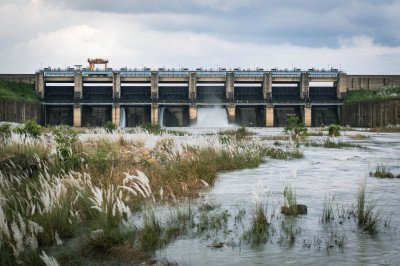
Anaicut Dam
Some quick example text to build on the card title and make up the bulk of the card's content.
Go somewhere
Archaeological Survey of India
Some quick example text to build on the card title and make up the bulk of the card's content.
Go somewhere
Arcot
Some quick example text to build on the card title and make up the bulk of the card's content.
Go somewhere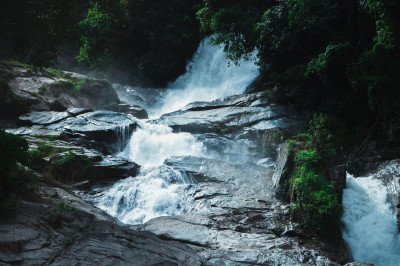
Cup and Saucer Waterfalls
Some quick example text to build on the card title and make up the bulk of the card's content.
Go somewhere
Dhabaleshwar Temple
Some quick example text to build on the card title and make up the bulk of the card's content.
Go somewhere
District Science Centre
Some quick example text to build on the card title and make up the bulk of the card's content.
Go somewhere
French Bungalow
Some quick example text to build on the card title and make up the bulk of the card's content.
Go somewhere
Jalagandeeswarar Temple
Some quick example text to build on the card title and make up the bulk of the card's content.
Go somewhere
Jalakandeswarar Temple
Some quick example text to build on the card title and make up the bulk of the card's content.
Go somewhere
Jamadhi Hills
Some quick example text to build on the card title and make up the bulk of the card's content.
Go somewhere
Kuppanatham Dam
Some quick example text to build on the card title and make up the bulk of the card's content.
Go somewhere
Muthu Mandapam
Some quick example text to build on the card title and make up the bulk of the card's content.
Go somewhere
Palamathi Hills
Some quick example text to build on the card title and make up the bulk of the card's content.
Go somewhere
Periyar Park
Some quick example text to build on the card title and make up the bulk of the card's content.
Go somewherein Other Cities