
Kite Museum
General information
-
Ideal Duration:
1 to 1. 5 HoursPlace Type:
Museum / Cultural HeritageEntry Fees:
No Entry Fee: One of the best things about the Kite Museum is that it is completely free to the public. This reflects the city corporation's commitment to making art and history accessible to everyone, from local students to international tourists.
Read MoreNo Entry Fee: One of the best things about the Kite Museum is that it is completely free to the public. This reflects the city corporation's commitment to making art and history accessible to everyone, from local students to international tourists.
Photography Charges: While entry is free, there may be a nominal fee if you wish to use a professional camera for photography. However, casual mobile photography is usually allowed without any charge, making it a budget-friendly destination for all.Timing:
Regular Timings: The museum is open from 10:00 AM to 12:00 PM and then from 4:00 PM to 6:00 PM. It remains Closed on Mondays and on public holidays. These split timings are typical for government-run museums in the city to allow for maintenance.
Read MoreRegular Timings: The museum is open from 10:00 AM to 12:00 PM and then from 4:00 PM to 6:00 PM. It remains Closed on Mondays and on public holidays. These split timings are typical for government-run museums in the city to allow for maintenance.
Ideal Visit Time: The best time to visit is during the morning session (10:00 AM to 11:30 AM). The light is fresh, the museum is less crowded, and you have enough time to explore the exhibits before it closes for the afternoon break.Special Events:
International Kite Festival: Every January, the museum becomes the focal point for researchers and enthusiasts during the Uttarayan festival. Special exhibitions are often curated to showcase the global diversity of kite designs.
Heritage Week ...International Kite Festival: Every January, the museum becomes the focal point for researchers and enthusiasts during the Uttarayan festival. Special exhibitions are often curated to showcase the global diversity of kite designs.
Heritage Week Celebrations: During the World Heritage Week in November, the Sanskar Kendra hosts special walks and talks that highlight the architectural significance of the building and the history of the city’s kite-flying culture.Best Photo Spots:
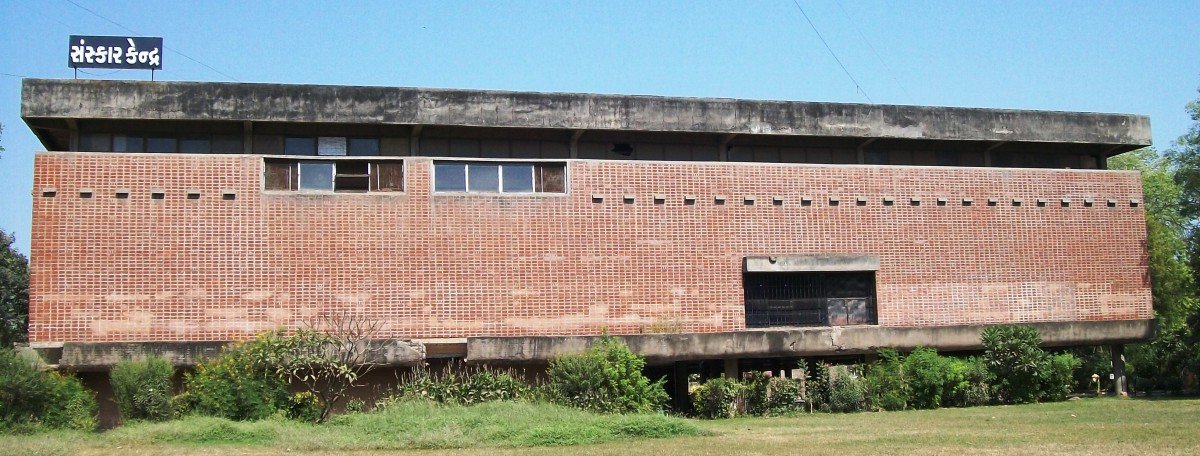
The Concrete Ramp: The long, sweeping ramp leading to the first floor is an architectural masterpiece. Capturing someone walking up the ramp with the grid-like facade in the background creates a stunning, minimalist composition.
The Central Poo...The Concrete Ramp: The long, sweeping ramp leading to the first floor is an architectural masterpiece. Capturing someone walking up the ramp with the grid-like facade in the background creates a stunning, minimalist composition.
The Central Pool and Pilotis: The area under the museum, with its massive concrete pillars and the reflecting pool, offers great opportunities for wide-angle shots that emphasize the scale and the "brutalist" beauty of the Le Corbusier design.
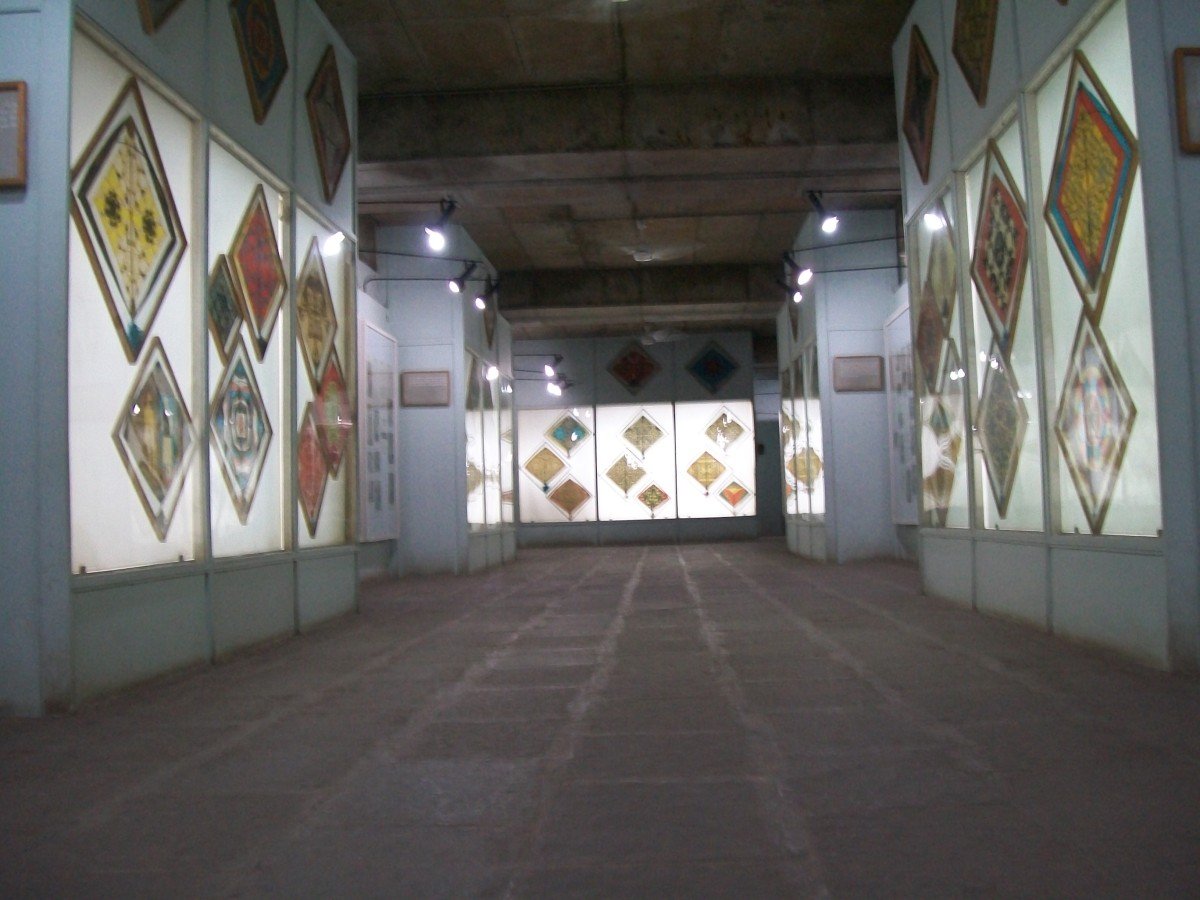
Close-ups of Intricate Kites: Use a macro lens to capture the fine details of the mirror-work and embroidery on the kites. The bright colors against the neutral museum walls make the subjects pop, perfect for artistic and cultural photography.Photo Gallery
Things To Do
-
Explore the Kite Collection: Spend time admiring the hundreds of kites on display, ranging from the tiny to the gargantuan. Pay close attention to the intricate mirror-work and the block-printed designs that are unique to Gujarat.
Learn About History: Read the detailed plaques that explain the use of kites in ancient wars and scientific experiments. The museum offers a great historical perspective on how a simple toy became a tool for exploration and communication across cultures.
Architectural Photography: Capture the stark, geometric lines of the Le Corbusier building. The play of light and shadow in the open courtyards and on the raw concrete surfaces provides endless opportunities for photography enthusiasts.
Visit the City Museum: Since the kite museum is...Explore the Kite Collection: Spend time admiring the hundreds of kites on display, ranging from the tiny to the gargantuan. Pay close attention to the intricate mirror-work and the block-printed designs that are unique to Gujarat.
Learn About History: Read the detailed plaques that explain the use of kites in ancient wars and scientific experiments. The museum offers a great historical perspective on how a simple toy became a tool for exploration and communication across cultures.
Architectural Photography: Capture the stark, geometric lines of the Le Corbusier building. The play of light and shadow in the open courtyards and on the raw concrete surfaces provides endless opportunities for photography enthusiasts.
Visit the City Museum: Since the kite museum is part of the Sanskar Kendra, don't miss the City Museum section. It chronicles the 600-year history of Ahmedabad through artifacts, old maps, and traditional household items from the city’s heritage homes.
Observe the Pilotis: Walk between the iconic concrete pillars that hold up the museum. This area is often used for workshops or small art gatherings and offers a unique perspective on the "floating" architecture of the building.
Study the Wind Dynamics: Check out the section dedicated to the science of flying. It is particularly interesting for students and children to understand how wind and design work together to lift a kite high into the atmosphere.
Attend a Workshop: Occasionally, the museum or the city corporation organizes kite-making workshops. Participating in one is a great way to connect with the local culture and learn a skill that is synonymous with the spirit of Ahmedabad.
Relax in the Courtyard: The central courtyard with its large pool is a tranquil spot. Even if the pool is empty, the acoustics and the design create a peaceful environment away from the city's traffic, perfect for a short break.
Engage with the Curator: If available, speaking with the museum staff can reveal fascinating anecdotes about Bhanu Shah’s journey of collecting kites and his dedication to preserving this ephemeral art form for future generations.
Information
-
Why Famous:
International Kite Festival: The place is the spiritual home of the International Kite Festival (Uttarayan), which attracts participants from over 40 countries every January. This museum serves as the year-round repository of that festive energy.
Read MoreInternational Kite Festival: The place is the spiritual home of the International Kite Festival (Uttarayan), which attracts participants from over 40 countries every January. This museum serves as the year-round repository of that festive energy.
Le Corbusier Connection: It is famous among architects worldwide as one of the few buildings designed by Le Corbusier in India, showcasing his innovative "Museum of Unlimited Extension" concept that allows the building to grow with its collection.Architecture:
The Vision of Le Corbusier: The Sanskar Kendra building, which houses the museum, was designed by the world-famous Swiss-French architect Le Corbusier between 1951 and 1954. The structure is a prime example of Modernist architecture, characterized by its use of "Béton brut...The Vision of Le Corbusier: The Sanskar Kendra building, which houses the museum, was designed by the world-famous Swiss-French architect Le Corbusier between 1951 and 1954. The structure is a prime example of Modernist architecture, characterized by its use of "Béton brut" (raw concrete) and red brick. The building is designed on a 7x7 meter structural grid, with the main museum floor raised on 11-foot high concrete pillars called pilotis.
Dimensions and Layout: The building has a total site area of approximately 5,700 square meters. The architecture emphasizes natural cooling through deep courtyards and rooftop water basins that were originally intended to be filled with water and plants to regulate the temperature. The ramp leading to the exhibition level is a signature Corbusian element, creating a sense of movement and "architectural promenade. "How To Reach:
By Air: The Sardar Vallabhbhai Patel International Airport is about 12 km from the museum. From the airport, you can take a pre-paid taxi, an Uber, or an Ola. The drive takes about 30 to 45 minutes depending on the traffic, passing through the scenic riverfront area.
<...By Air: The Sardar Vallabhbhai Patel International Airport is about 12 km from the museum. From the airport, you can take a pre-paid taxi, an Uber, or an Ola. The drive takes about 30 to 45 minutes depending on the traffic, passing through the scenic riverfront area.
By Train: The Ahmedabad Junction (Kalupur Railway Station) is the nearest major railhead, located about 5 km away. You can easily find auto-rickshaws or take a city bus from the station to Paldi, which is a major transit hub in the city.
By Road: Ahmedabad is well-connected by National Highways to major cities like Mumbai, Delhi, and Jaipur. The museum is located near the Sardar Bridge, a prominent landmark. State transport buses (GSRTC) and private luxury buses frequent the city from all parts of Gujarat.
By Local Transport: The city's AMTS bus service has several routes passing through Paldi. The BRTS (Bus Rapid Transit System) also has a station nearby. However, the most convenient way to reach is by auto-rickshaw, which is the lifeline of the city's transport and very affordable.Weather and Best Time to Visit:
Different Types of Seasons: The Winter Season (October to March) is the best time to visit Ahmedabad and its museums. The weather is pleasant with temperatures ranging from 12°C to 30°C. The Summer Season (April to June) can be extremely hot, with temperatures exceeding ...Different Types of Seasons: The Winter Season (October to March) is the best time to visit Ahmedabad and its museums. The weather is pleasant with temperatures ranging from 12°C to 30°C. The Summer Season (April to June) can be extremely hot, with temperatures exceeding 40°C, making indoor museum visits a good escape during the day.
Different Parts of the Day: The Morning Hours (10:00 AM to 12:00 PM) are ideal for visiting the Kite Museum. The indoor galleries are cool and well-lit. Avoid the late afternoon if you are sensitive to heat, although the museum’s architecture is designed to stay relatively cool even during the warmer parts of the day.Near Tourist Places:
Sabarmati Riverfront (1 km), Sidi Saiyyed Mosque (2 km), L. D. Museum (2. 5 km), Bhadra Fort (2. 5 km), Jama Masjid (3 km), Law Garden (3. 5 km), Kankaria Lake (5 km), Manek Chowk (3 km), Calico Museum (6 km), Gujarat Science City (10 km).Tourism Tips
-
Health & Safety: The museum is generally safe and well-maintained. Ensure you stay hydrated, especially if visiting in summer. The museum involves some walking and climbing a ramp, so those with mobility issues should take it slow.
Packing:Health & Safety: The museum is generally safe and well-maintained. Ensure you stay hydrated, especially if visiting in summer. The museum involves some walking and climbing a ramp, so those with mobility issues should take it slow.
Packing: Wear comfortable walking shoes as the museum and the surrounding Sanskar Kendra complex require a bit of walking. Carry a bottle of water and a camera to document the unique architecture and the colorful kite exhibits.
Accommodation: The nearby Paldi and Ashram Road areas have many hotels ranging from budget to luxury. Staying here gives you easy access to several other attractions like the Sabarmati Riverfront and Sidi Saiyyed Mosque.
Other Topics: Respect the "No Photography" signs in certain sensitive gallery areas. The museum is a place of study and reflection, so keep noise levels to a minimum. Check the local calendar for any special festivals that might affect the regular museum timings.
Educational Prep: It’s a good idea to read a bit about Le Corbusier before visiting to appreciate the architectural nuances. If traveling with kids, tell them about the history of kites to make the visit more engaging and meaningful for them.
Reviews
FAQs
Ahmedabad Itineray And Cost:-
Other Places In Ahmedabad :-
Other States In India :-
Information about New and Updated Locations() of Gujarat Has Been Added :-
Card subtitle
Note:-
Information provided here in good Faith and for reference only.
Near Places

Amdavad Ni Gufa
Some quick example text to build on the card title and make up the bulk of the card's content.
Go somewhere
Auto World Vintage Car Museum
Some quick example text to build on the card title and make up the bulk of the card's content.
Go somewhere
Bhadra Fort
Some quick example text to build on the card title and make up the bulk of the card's content.
Go somewhere
Calico Museum of Textiles
Some quick example text to build on the card title and make up the bulk of the card's content.
Go somewhere
Dada Harir Stepwell
Some quick example text to build on the card title and make up the bulk of the card's content.
Go somewhere
Hathisingh Wadi
Some quick example text to build on the card title and make up the bulk of the card's content.
Go somewhere
Hutheesing Jain Temple
Some quick example text to build on the card title and make up the bulk of the card's content.
Go somewhere
ISKCON Temple - Ahmedabad
Some quick example text to build on the card title and make up the bulk of the card's content.
Go somewhere
Jama Masjid
Some quick example text to build on the card title and make up the bulk of the card's content.
Go somewhere
Jhulta Minar
Some quick example text to build on the card title and make up the bulk of the card's content.
Go somewhere
Kankaria Lake
Some quick example text to build on the card title and make up the bulk of the card's content.
Go somewhere
Kankaria Zoo
Some quick example text to build on the card title and make up the bulk of the card's content.
Go somewhere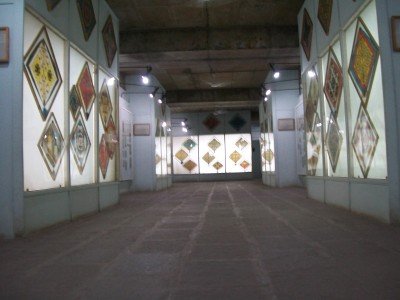
Kite Museum
Some quick example text to build on the card title and make up the bulk of the card's content.
Go somewhere
Law Garden Night Market
Some quick example text to build on the card title and make up the bulk of the card's content.
Go somewhere
Manek Chowk
Some quick example text to build on the card title and make up the bulk of the card's content.
Go somewhere
Sabarmati Ashram
Some quick example text to build on the card title and make up the bulk of the card's content.
Go somewherein Other Cities