Sabarmati Ashram
General information
-
Ideal Duration:
2 to 2. 5 HoursPlace Type:
Historical Landmark / MemorialEntry Fees:
Free of Cost: Entry to the Sabarmati Ashram and the Gandhi Smarak Sangrahalaya is absolutely free. The ashram is managed by a public trust that believes in spreading Gandhi’s message without any financial barrier, welcoming thousands of visitors daily.
Read MoreFree of Cost: Entry to the Sabarmati Ashram and the Gandhi Smarak Sangrahalaya is absolutely free. The ashram is managed by a public trust that believes in spreading Gandhi’s message without any financial barrier, welcoming thousands of visitors daily.
Voluntary Donations: While there is no fee, visitors are encouraged to leave a donation if they wish to support the ashram’s maintenance and its various social welfare programs. There are donation boxes located near the main museum entrance for this purpose.Timing:
Regular Timings: The ashram is open every day of the year, including public holidays, from 10:00 AM to 6:00 PM. The grounds are accessible, and the museum galleries are open during these hours, providing ample time for a thorough and relaxed visit.
Read MoreRegular Timings: The ashram is open every day of the year, including public holidays, from 10:00 AM to 6:00 PM. The grounds are accessible, and the museum galleries are open during these hours, providing ample time for a thorough and relaxed visit.
Ideal Visit Time: The best time to visit is early in the morning, around 8:00 AM (though the museum opens at 10:00). Walking the grounds during the quiet morning hours allows you to experience the meditative peace of the place before the tourist buses arrive.Special Events:
Dandi March Anniversary: Every March 12th, the ashram commemorates the start of the Salt Satyagraha. Special programs, including walks and lectures, are held to honor the spirit of the marchers and the power of non-violent civil disobedience.
G...Dandi March Anniversary: Every March 12th, the ashram commemorates the start of the Salt Satyagraha. Special programs, including walks and lectures, are held to honor the spirit of the marchers and the power of non-violent civil disobedience.
Gandhi Jayanti: On October 2nd, the ashram sees thousands of visitors. All-day prayer meetings, spinning sessions, and cultural programs are organized to celebrate the birth anniversary of Mahatma Gandhi, attended by dignitaries and commoners alike.Best Photo Spots:
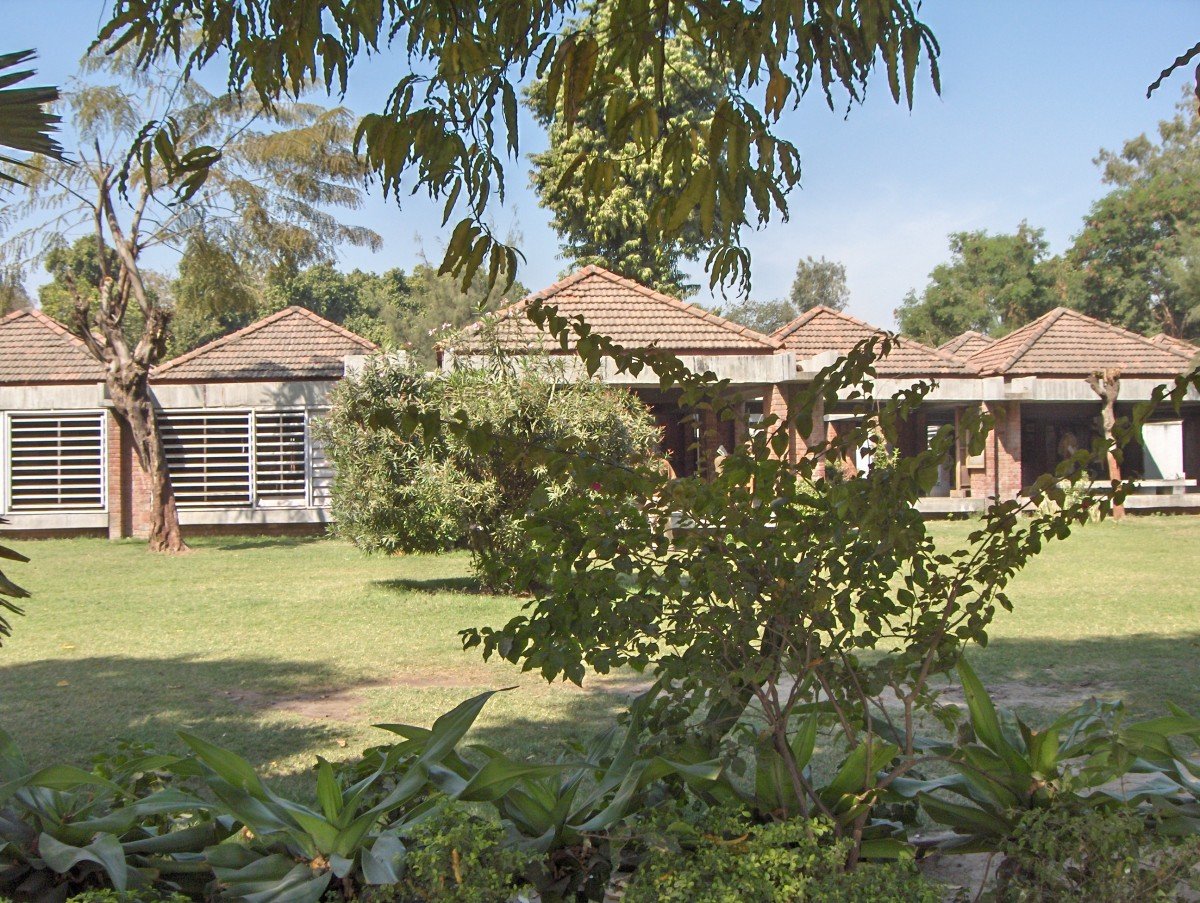
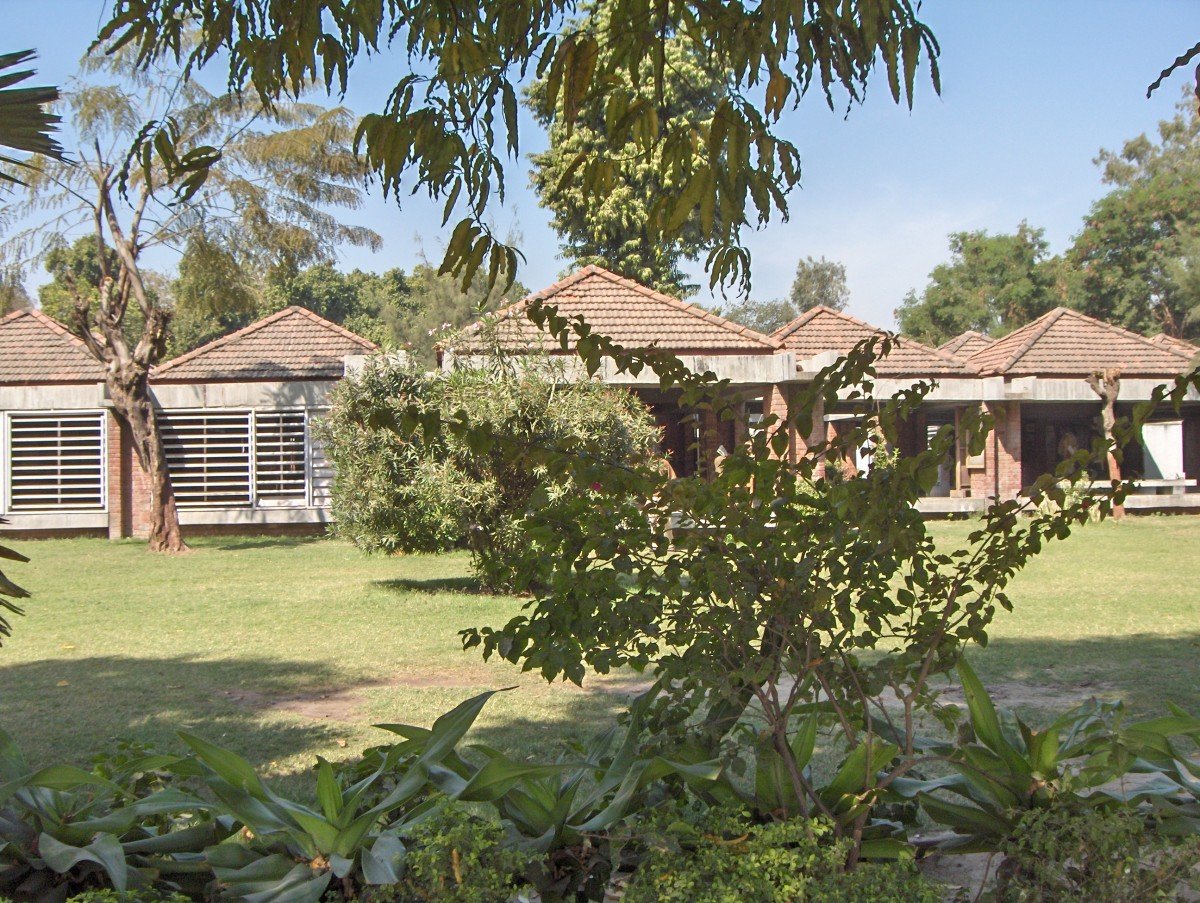
Hridaya Kunj Verandah: The wooden pillars and the simple architecture of Gandhi's house, framed by the surrounding trees, provide a serene and iconic shot. The play of morning light through the roof tiles creates beautiful patterns on the floor.Hridaya Kunj Verandah: The wooden pillars and the simple architecture of Gandhi's house, framed by the surrounding trees, provide a serene and iconic shot. The play of morning light through the roof tiles creates beautiful patterns on the floor.
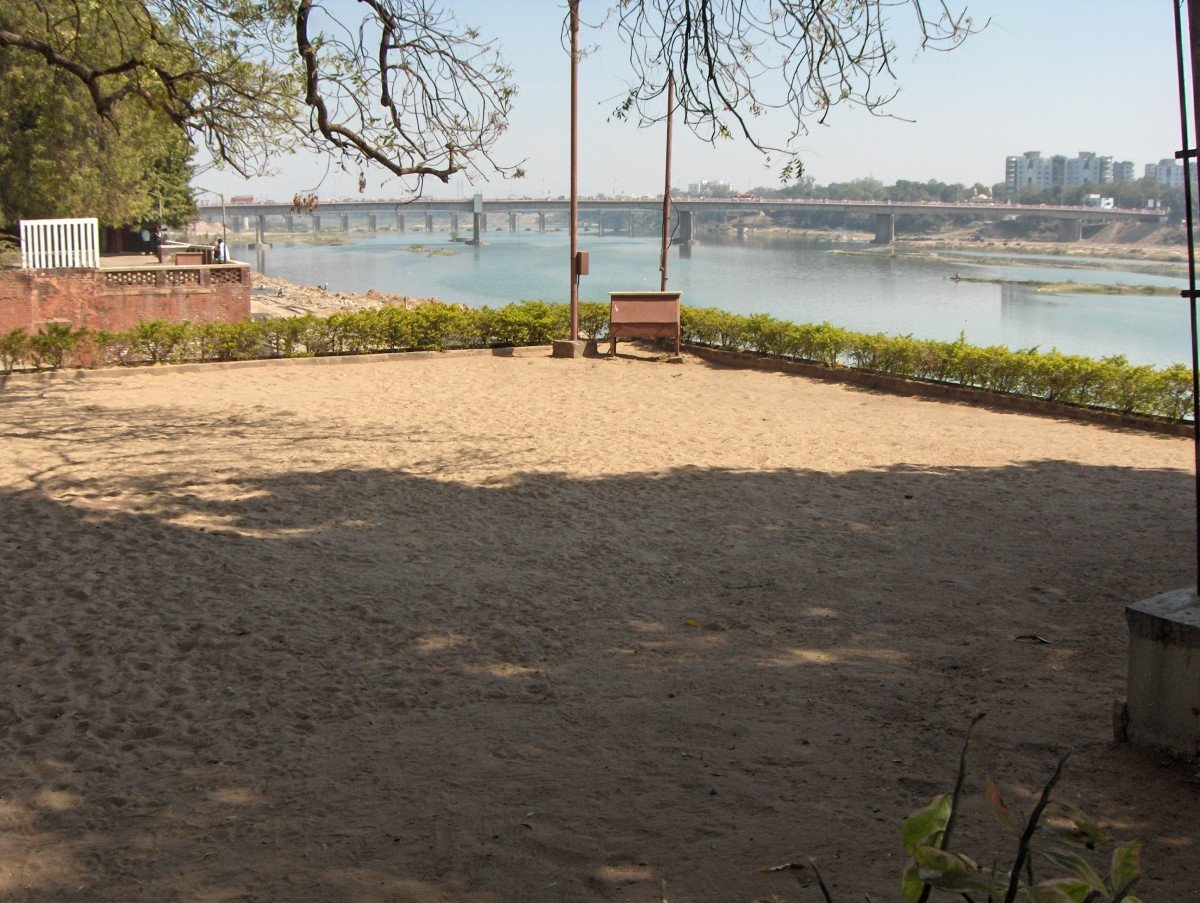
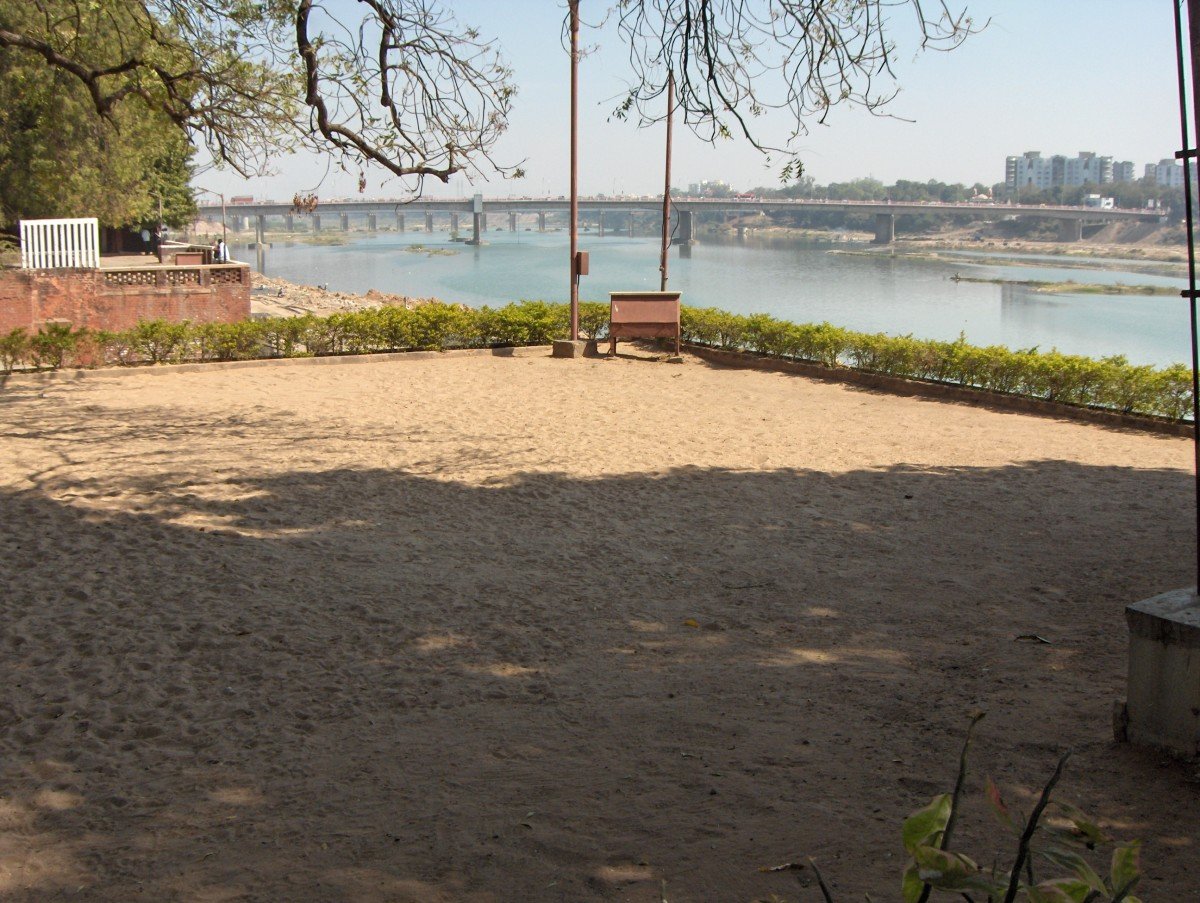
The Riverfront Path: The view of the Sabarmati River from the ashram's edge, especially during sunrise or sunset, is breathtaking. The calm water reflects the sky and the trees, offering a peaceful and scenic backdrop for landscape photography.
The Museum Courtyard: The modular squares of the Charles Correa museum, with their open-to-sky sections, create interesting geometric shadows. Capturing these patterns along with the brick textures offers a sophisticated look at modern Indian architecture.Photo Gallery
Things To Do
-
Walk Through Hridaya Kunj: Step inside the living quarters of Mahatma Gandhi and Kasturba. The sparse rooms, the open verandah, and the simple kitchen provide a powerful insight into the "simple living, high thinking" philosophy that guided his life.
Spin the Charkha: Visit the area where volunteers demonstrate how to use the spinning wheel. You can try your hand at spinning cotton into yarn, an activity that Gandhi considered a form of meditation and a tool for national economic liberation.
Explore the Memorial Museum: Spend significant time in the museum designed by Charles Correa. The galleries like "My Life is My Message" use photographs and quotes to narrate Gandhi’s journey from a young lawyer to the Father of the Nation.
Walk by the Sabarmati Riverfront:<...Walk Through Hridaya Kunj: Step inside the living quarters of Mahatma Gandhi and Kasturba. The sparse rooms, the open verandah, and the simple kitchen provide a powerful insight into the "simple living, high thinking" philosophy that guided his life.
Spin the Charkha: Visit the area where volunteers demonstrate how to use the spinning wheel. You can try your hand at spinning cotton into yarn, an activity that Gandhi considered a form of meditation and a tool for national economic liberation.
Explore the Memorial Museum: Spend significant time in the museum designed by Charles Correa. The galleries like "My Life is My Message" use photographs and quotes to narrate Gandhi’s journey from a young lawyer to the Father of the Nation.
Walk by the Sabarmati Riverfront: The ashram is adjacent to the newly developed riverfront promenade. Take a quiet walk along the riverbanks to enjoy the breeze and the view, reflecting on the historical importance of this specific stretch of water.
Attend the Morning Prayer: If you arrive early (around 6:00 AM), you can participate in the community prayer session held at the Upasana Mandir. The chanting of hymns in the open air as the sun rises over the river is a soul-stirring experience.
Visit the Ashram Bookstore: The onsite bookstore has an extensive collection of books on Gandhi, non-violence, and Indian history. You can also find postcards, posters, and small figurines of the "Three Monkeys" to take home as meaningful keepsakes.
Buy Khadi Products: The ashram has a shop that sells authentic Khadi clothing and products made by village cooperatives. Purchasing here supports local artisans and allows you to carry a piece of the Gandhian legacy with you.
Research in the Library: For serious students of history, the ashram library contains thousands of letters and documents related to the independence movement. While some areas are restricted, the public sections offer a wealth of knowledge on Gandhian studies.
Observe the Architecture: Study the design of the museum building. Notice how the open courtyards and the absence of glass windows create a natural flow of air and light, embodying the principles of sustainability and harmony with nature.
Information
-
Why Famous:
Home of the Mahatma: It is globally famous as the place where Mahatma Gandhi lived for over a decade and conceived the idea of Non-Violent Resistance. It is the starting point of the Dandi March, a pivotal event in world history.
Philosophical ...Home of the Mahatma: It is globally famous as the place where Mahatma Gandhi lived for over a decade and conceived the idea of Non-Violent Resistance. It is the starting point of the Dandi March, a pivotal event in world history.
Philosophical Hub: The ashram is a pilgrimage site for those seeking to understand the concepts of Satyagraha and Ahimsa. It remains a center for Gandhi’s teachings on rural self-sufficiency, social equality, and spiritual discipline. -
Architecture:
Simplicity by Charles Correa: The Gandhi Smarak Sangrahalaya was designed by Charles Correa in 1963. It is a masterpiece of modern Indian architecture, utilizing modular units of 6x6 meters. The design uses simple materials like brick walls, terracotta tile roofs, stone fl...Simplicity by Charles Correa: The Gandhi Smarak Sangrahalaya was designed by Charles Correa in 1963. It is a masterpiece of modern Indian architecture, utilizing modular units of 6x6 meters. The design uses simple materials like brick walls, terracotta tile roofs, stone floors, and wooden doors. The museum is an "unwalled" structure, where the boundaries between the indoors and outdoors are blurred, reflecting Gandhi’s philosophy of transparency and accessibility.
Cottages and Dimensions: The ashram covers 36 acres and includes several small cottages like Hridaya Kunj (the Mahatma's home), which is a simple white-washed structure with a tiled roof. The layout is designed around a central courtyard with pathways leading to the river. The museum building itself is composed of 51 modular units, some covered and some open, creating a labyrinth of light and shadow that enhances the contemplative experience for visitors. -
How To Reach:
By Air: The ashram is about 8 km from the airport. A cab ride takes about 20 minutes along the Airport Road and then onto the Ashram Road. It is a straightforward drive with clear signage pointing toward the "Gandhi Ashram" all along the route.By Air: The ashram is about 8 km from the airport. A cab ride takes about 20 minutes along the Airport Road and then onto the Ashram Road. It is a straightforward drive with clear signage pointing toward the "Gandhi Ashram" all along the route.
By Train: The railway station is about 6 km away. You can take an auto-rickshaw or a city bus. There is also a secondary station called Sabarmati Junction which is even closer (about 3 km) and is a stop for many express and passenger trains.
By Road: The ashram is located on the main Ashram Road, one of the city's primary arterial roads. It is very easy to reach by car or bus. If you are coming from Gandhinagar, it is a 30-minute drive down the highway that connects the two cities.
By Local Transport: The BRTS has a dedicated "Gandhi Ashram" station, making it one of the most accessible tourist spots in the city via public transport. Auto-rickshaws are also plentiful and will drop you right at the main entrance gate of the ashram. -
Weather and Best Time to Visit:
Different Types of Seasons: The Winter Season is perfect for exploring the sprawling outdoor campus of the ashram. The Monsoon Season is also beautiful, as the ashram turns lush green and the Sabarmati River is full. Summer can be harsh, so plan your visit for the early mo...Different Types of Seasons: The Winter Season is perfect for exploring the sprawling outdoor campus of the ashram. The Monsoon Season is also beautiful, as the ashram turns lush green and the Sabarmati River is full. Summer can be harsh, so plan your visit for the early morning or late evening to avoid the midday sun.
Different Parts of the Day: Early Morning (6:00 AM to 9:00 AM) is the most spiritual and peaceful time to visit. The rising sun over the river and the sound of morning prayers create a magical atmosphere. Alternatively, the Late Afternoon (4:00 PM to 6:00 PM) offers soft lighting, which is perfect for photography and a calm walk. -
Near Tourist Places:
Sabarmati Riverfront (0. 5 km), Calico Museum (3 km), Hutheesing Jain Temple (3. 5 km), Sidi Saiyyed Mosque (4 km), Bhadra Fort (5 km), Manek Chowk (5. 5 km), Jama Masjid (5. 5 km), Law Garden (5 km), Kankaria Lake (9 km), Adalaj Stepwell (14 km).
Tourism Tips
-
Health & Safety: The ashram is a place of peace; maintain silence and follow the guidelines. Wear sunscreen and a hat if exploring the outdoor areas during the day. The campus is very safe, but be mindful of your surroundings near the riverbank.
Read MoreHealth & Safety: The ashram is a place of peace; maintain silence and follow the guidelines. Wear sunscreen and a hat if exploring the outdoor areas during the day. The campus is very safe, but be mindful of your surroundings near the riverbank.
Packing: Wear modest clothing that covers your shoulders and knees out of respect for the sanctity of the place. Slip-on shoes are convenient as you will need to remove them before entering the various cottages like Hridaya Kunj.
Accommodation: Many hotels are located along Ashram Road, offering a direct view of the river and easy access to the ashram. This area is also well-connected to the rest of the city, making it a strategic base for your Ahmedabad tour.
Other Topics: Participate in the spinning wheel demonstration; it’s a meditative experience. Don't rush through the museum; the letters and documents provide a deep emotional connection to India's history that shouldn't be missed.
Sustainability: The ashram promotes eco-friendly living. Avoid bringing plastic bottles or littering on the campus. Use the designated bins and consider buying handmade products from the ashram shop to support the local sustainable economy.Reviews
FAQs
Ahmedabad Itineray And Cost:-
Sabarmati Ashram Tourism:-
Other Places In Ahmedabad :-
Other States In India :-
Information about New and Updated Locations() of Gujarat Has Been Added :-
Card subtitle
Note:-
Information provided here in good Faith and for reference only.
Near Places

Amdavad Ni Gufa
Some quick example text to build on the card title and make up the bulk of the card's content.
Go somewhere
Auto World Vintage Car Museum
Some quick example text to build on the card title and make up the bulk of the card's content.
Go somewhere
Bhadra Fort
Some quick example text to build on the card title and make up the bulk of the card's content.
Go somewhere
Calico Museum of Textiles
Some quick example text to build on the card title and make up the bulk of the card's content.
Go somewhere
Dada Harir Stepwell
Some quick example text to build on the card title and make up the bulk of the card's content.
Go somewhere
Hathisingh Wadi
Some quick example text to build on the card title and make up the bulk of the card's content.
Go somewhere
Hutheesing Jain Temple
Some quick example text to build on the card title and make up the bulk of the card's content.
Go somewhere
ISKCON Temple - Ahmedabad
Some quick example text to build on the card title and make up the bulk of the card's content.
Go somewhere
Jama Masjid
Some quick example text to build on the card title and make up the bulk of the card's content.
Go somewhere
Jhulta Minar
Some quick example text to build on the card title and make up the bulk of the card's content.
Go somewhere
Kankaria Lake
Some quick example text to build on the card title and make up the bulk of the card's content.
Go somewhere
Kankaria Zoo
Some quick example text to build on the card title and make up the bulk of the card's content.
Go somewhere
Kite Museum
Some quick example text to build on the card title and make up the bulk of the card's content.
Go somewhere
Law Garden Night Market
Some quick example text to build on the card title and make up the bulk of the card's content.
Go somewhere
Manek Chowk
Some quick example text to build on the card title and make up the bulk of the card's content.
Go somewhere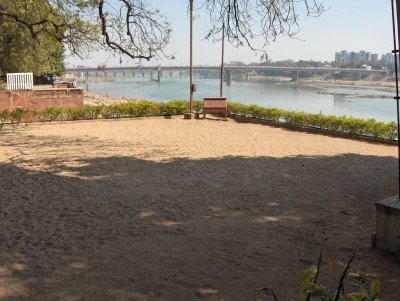
Sabarmati Ashram
Some quick example text to build on the card title and make up the bulk of the card's content.
Go somewherein Other Cities