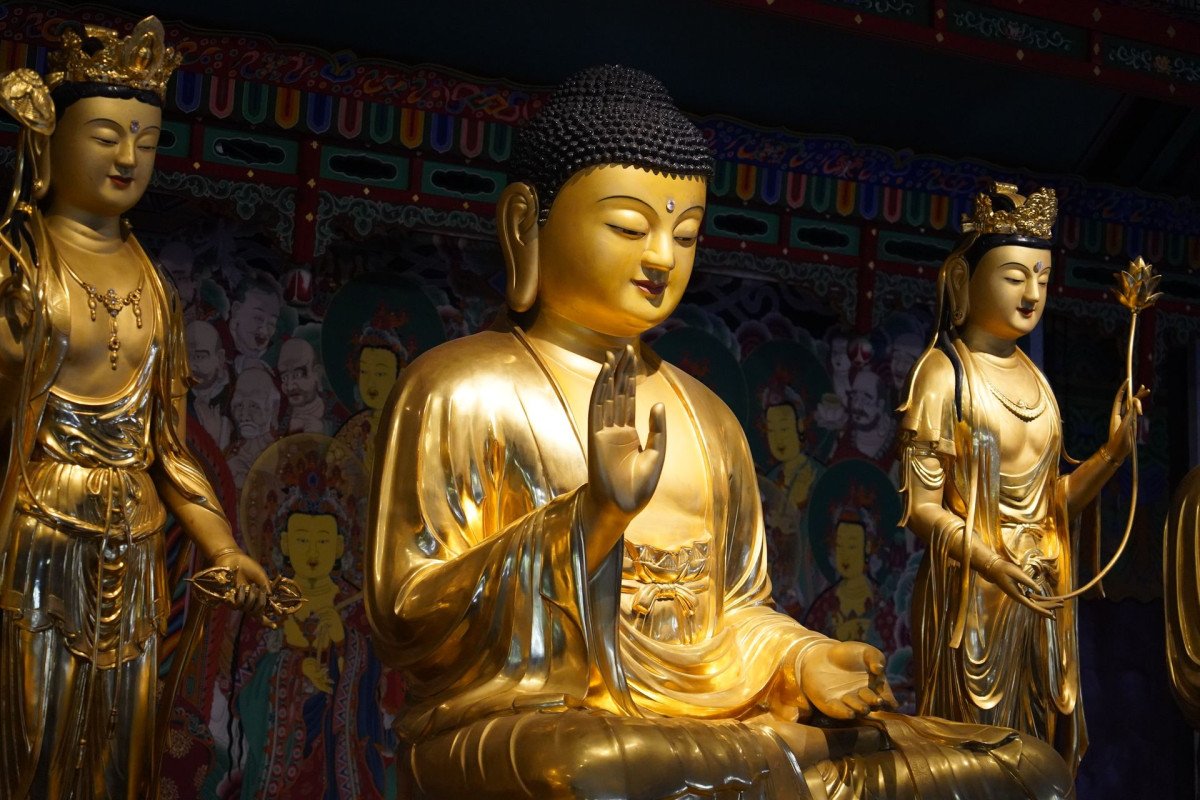
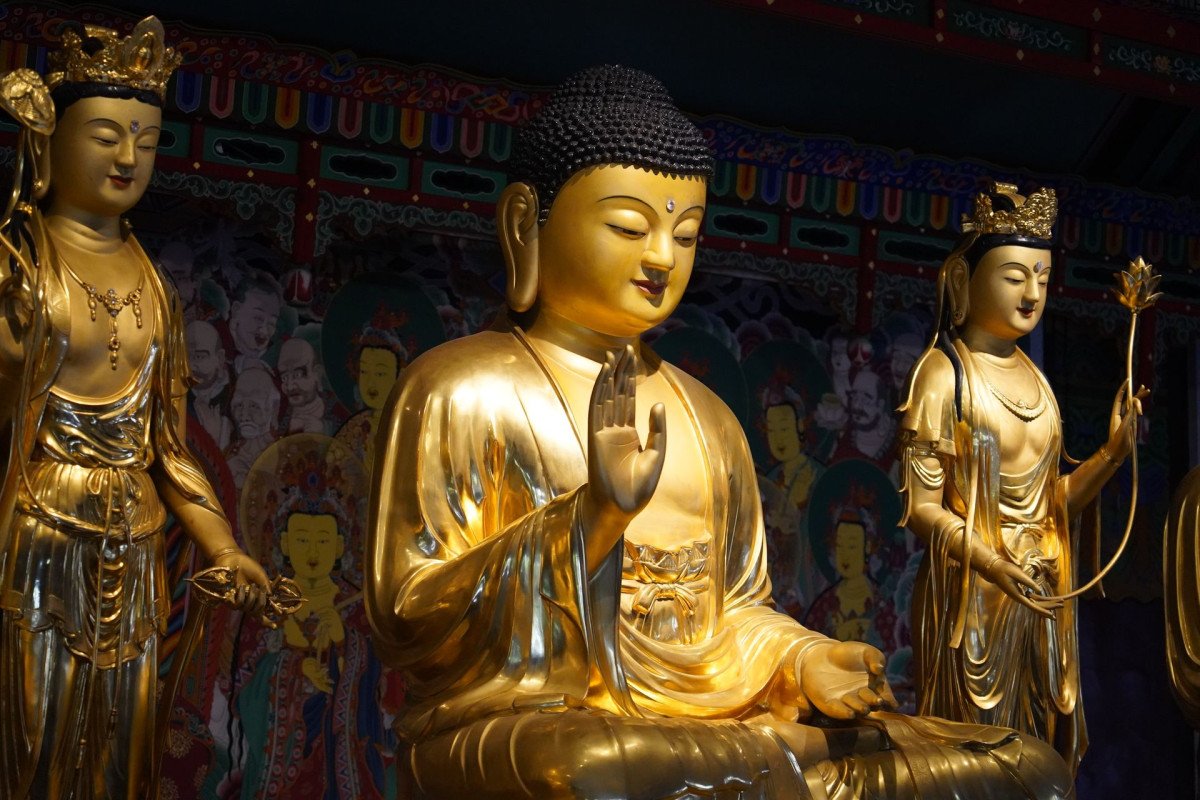
Lolegaon Monastery
General information
-
Ideal Duration:
1 to 1.
5 Hours:Place Type:
Religious Site/Cultural Landmark:Entry Fees:
No Formal Entry Fee Structure: The Lolegaon Monastery generally does not charge a mandatory, fixed entry fee for visitors. Access to the courtyard and the main prayer hall is usually free, reflecting the open nature of Buddhist institutions. This allows anyone, regardless ...No Formal Entry Fee Structure: The Lolegaon Monastery generally does not charge a mandatory, fixed entry fee for visitors. Access to the courtyard and the main prayer hall is usually free, reflecting the open nature of Buddhist institutions. This allows anyone, regardless of means, to seek spiritual solace.
Voluntary Donation System: Visitors are strongly encouraged to leave a voluntary cash donation. These donations are essential for the monastery's survival, supporting the resident monks, maintaining the structure, and funding the daily ceremonial requirements. A donation box is usually placed discreetly near the entrance or altar.
Offerings for Ceremony: If a visitor wishes to light butter lamps or offer incense during a ceremony, a small charge or donation is typically expected to cover the cost of these consumables. The amount is entirely at the discretion of the visitor.Timing:
Regular Timings: The monastery is typically open from early morning to late afternoon, generally from 7:00 AM to 5:00 PM. The main prayer hall may be closed during the monks' rest or private study times, but the courtyard and surrounding area usually remain accessible for s...Regular Timings: The monastery is typically open from early morning to late afternoon, generally from 7:00 AM to 5:00 PM. The main prayer hall may be closed during the monks' rest or private study times, but the courtyard and surrounding area usually remain accessible for silent reflection.
Ideal Visit Time: The ideal time to visit is during the morning hours, between 8:30 AM and 10:00 AM, when the monks often gather for their group prayers. This provides the best opportunity to experience the atmosphere and hear the chanting. Afternoons are quieter and better for personal meditation.Special Events:
Losar (Tibetan New Year) Celebrations: The most important festival celebrated at Kafer Monastery is Losar, the Tibetan New Year, which usually falls in February or March. The celebrations are a vibrant display of local culture and spiritual tradition. They include special,...Losar (Tibetan New Year) Celebrations: The most important festival celebrated at Kafer Monastery is Losar, the Tibetan New Year, which usually falls in February or March. The celebrations are a vibrant display of local culture and spiritual tradition. They include special, extended prayers, offerings, and the performance of ritualistic masked dances known as Chaam. These energetic and colorful dances, performed by the Lamas, ward off evil spirits and usher in good fortune for the new year. The event transforms the quiet courtyard into a hub of cultural activity.Best Photo Spots:
The Prayer Wheel Alley: The long line of brightly painted prayer wheels, especially when backed by the monastery's colorful walls and the distant green hills. A photograph here capturing a local devotee spinning the wheels adds movement and human interest.The Prayer Wheel Alley: The long line of brightly painted prayer wheels, especially when backed by the monastery's colorful walls and the distant green hills. A photograph here capturing a local devotee spinning the wheels adds movement and human interest.
The Main Gate and Prayer Flags: The front gate, often adorned with traditional symbols and flanked by tall wooden poles from which long strings of Lung Ta flags are stretched. A wide-angle shot from a slight distance can capture the flags fluttering against the sky.
The Interior Mural Details: (If photography is allowed and done respectfully) Focus on macro-level details of the vivid, intricate murals and frescos inside the prayer hall, highlighting the rich symbolism and deep colors used in Himalayan art.Photo Gallery
Things To Do
-
Observe the Morning or Evening Prayers (Pujas): If timed correctly, sitting quietly and observing the monks' chanting and ritualistic music is a profound experience. The low, resonant sounds and rhythmic music create an intense, meditative atmosphere. Always enter the prayer hall quietly and show reverence.
Circumambulate the Monastery: Following the Buddhist tradition of circumambulation, walk clockwise around the main monastery building. While walking, you should turn the prayer wheels (Mani wheels) gently and clockwise. Each turn of the wheel symbolizes the recitation of the mantra within, spreading positive energy.
Engage with the Resident Lamas: If the Lamas are not busy with duties, you can approach them politely and ask simple, respectful questions about Buddhist philosophy, the histor...Observe the Morning or Evening Prayers (Pujas): If timed correctly, sitting quietly and observing the monks' chanting and ritualistic music is a profound experience. The low, resonant sounds and rhythmic music create an intense, meditative atmosphere. Always enter the prayer hall quietly and show reverence.
Circumambulate the Monastery: Following the Buddhist tradition of circumambulation, walk clockwise around the main monastery building. While walking, you should turn the prayer wheels (Mani wheels) gently and clockwise. Each turn of the wheel symbolizes the recitation of the mantra within, spreading positive energy.
Engage with the Resident Lamas: If the Lamas are not busy with duties, you can approach them politely and ask simple, respectful questions about Buddhist philosophy, the history of the monastery, or local life. This interaction can be very enriching and educational.
Study the Fresco Art: Spend time examining the detailed and vibrant murals inside the prayer hall. These paintings are not just decorative; they are visual representations of Buddhist cosmology, stories of the Buddha's life, and different protective deities, each with a specific meaning.
Spin the Prayer Wheels and Offer Incense: Participate in the ritual of spinning the large prayer wheels located outside. You can also light a stick of incense at the designated spot as an offering, which is a symbolic gesture of purification and mindfulness.
Photography of the Prayer Flags: Capture the lines of colorful Lung Ta (prayer flags) fluttering against the bright blue Himalayan sky. The contrast of the vibrant colors and the peaceful natural backdrop makes for excellent, meaningful photographs.
Practice Silent Meditation: Find a quiet corner in the courtyard or near the entrance. Sit down quietly for 15-20 minutes and practice silent mindfulness, allowing the profound silence and spiritual energy of the location to calm your mind.
Hotels
● Blooming Hills
Address: Lolegaon, Kalimpong, West Bengal 734314
Distance: 0.5 km
Details: Blooming Hills is a cozy, couple-friendly homestay located near the monastery. The property features comfortable rooms with stunning mountain views. F...
● Gate Way Homestay
Address: Lolegaon, Kalimpong, West Bengal 734314
Distance: 0.4 km
Details: Gate Way Homestay offers a simple, authentic mountain stay experience in the picturesque town of Lolegaon. The property features comfortable rooms equ...
● Hotel Pride
Address: Kaffer, Lolegaon, West Bengal 734314
Distance: 0.3 km
Details: Hotel Pride is a charming 3-star property located in the heart of Lolegaon. It offers a peaceful environment with beautiful mountain views. Facilities...
● Lees Kalimpong
Address: Lolegaon, Kalimpong, West Bengal 734314
Distance: 0.8 km
Details: Lees Kalimpong is a premium homestay located in the scenic hills of Lolegaon. Offering a more refined mountain stay, this property features elegant de...
● Lolegaon Farmstay by StayApart
Address: Harijan Road, Lolegaon, Kaffir Khasmahal, West Bengal 734314
Distance: 0.2 km
Details: Lolegaon Farmstay by StayApart offers an authentic rural experience nestled in the green hills of Lolegaon. This property provides comfortable farm-ho...
● Pabung Nature View Homestay
Address: Pabung, Lolegaon, Kalimpong, West Bengal 734314
Distance: 0.7 km
Details: Pabung Nature View Homestay is perched on the hills, offering breathtaking panoramic views of the valley. It is an ideal spot for nature enthusiasts l...
● Petal & Pine Homestay
Address: Lolegaon, Kalimpong, West Bengal 734314
Distance: 0.5 km
Details: Petal & Pine Homestay is a cozy and welcoming property nestled in the hills of Lolegaon. It offers an entire home setting, perfect for private family ...
● Petal Pine The Cherry Blossom
Address: Lolegaon, Kalimpong, West Bengal 734314
Distance: 0.6 km
Details: Petal Pine The Cherry Blossom is a delightful mountain view homestay that offers a blend of comfort and nature. It is famous for its stunning vistas a...
● WBFDC Nature Resorts
Address: Lolegaon, West Bengal 734314
Distance: 0.5 km
Details: WBFDC Nature Resorts in Lolegaon is a government-operated property known for its prime location amidst the forest. It provides an immersive experience...
● Yes Homes Kaffer
Address: Kaffer, Lolegaon, Kalimpong, West Bengal 734314
Distance: 0.3 km
Details: Yes Homes Kaffer is a charming homestay located in the Kaffer area near Lolegaon. It offers a blend of rustic charm and essential amenities. Facilitie...
Show AllRestaurants
● Cloud Nine Bistro
Address: Lolegaon Market, Lolegaon, West Bengal, India
Distance: 0.9 KM
Details: Cloud Nine Bistro provides an elevated dining experience. Known for its aromatic Tea and Maggi, it is a favorite for tourists. The restaurant is nestl...
Food List: The Steamed Veg Momos, Thukpa, Chowmein, and Aloo ...
● Green Valley Eats
Address: Lolegaon Market, Lolegaon, West Bengal, India
Distance: 1.9 KM
Details: Green Valley Eats focuses on providing a healthy dining experience. Their Vegetable Soup is packed with nutrition and flavor. They believe in fresh in...
Food List: The Steamed Veg Momos, Thukpa, Chowmein, and Aloo ...
● Hilltop Delights
Address: Lolegaon Market, Lolegaon, West Bengal, India
Distance: 1.5 KM
Details: Hilltop Delights is famous for its panoramic views and delicious Pakoras. During the Monsoon season, the aroma of fried snacks and hot Coffee is irres...
Food List: The Steamed Veg Momos, Thukpa, Chowmein, and Aloo ...
● Himalayan Taste
Address: Lolegaon Market, Lolegaon, West Bengal, India
Distance: 2.1 KM
Details: Himalayan Taste brings the best of local cuisine to the table. Their Roti and Sabzi combo is a popular choice for visitors looking for a hearty meal. ...
Food List: The Steamed Veg Momos, Thukpa, Chowmein, and Aloo ...
● Lolegaon Kitchen
Address: Lolegaon Market, Lolegaon, West Bengal, India
Distance: 1.1 KM
Details: Lolegaon Kitchen focuses on authentic regional recipes. The Dal Bhat served here is a staple, prepared with fresh, locally sourced ingredients. The ki...
Food List: The Steamed Veg Momos, Thukpa, Chowmein, and Aloo ...
Show AllInformation
-
Why Famous:
Authentic Local Spiritual Experience: Unlike larger, more commercial monasteries, Kafer Monastery is famous for offering a highly authentic and intimate glimpse into the day-to-day spiritual life of the Lolegaon community. Visitors often witness prayer ceremonies, interact ...Authentic Local Spiritual Experience: Unlike larger, more commercial monasteries, Kafer Monastery is famous for offering a highly authentic and intimate glimpse into the day-to-day spiritual life of the Lolegaon community. Visitors often witness prayer ceremonies, interact with the friendly resident monks, and experience an undisturbed sense of peace, which is highly valued.
Scenic and Meditative Location: The monastery's remote, elevated position in the village provides a stunning backdrop of the surrounding hills. This quiet, non-commercialized setting makes it an ideal spot for meditation and spiritual retreat, attracting visitors seeking genuine tranquility away from noise and crowds.
Cultural Symbolism: It acts as the primary cultural and religious symbol for the area. Its preservation of local Bhutia and Lepcha Buddhist practices, including specific chants and rituals unique to the region, makes it a significant site for heritage tourists. -
Architecture:
Traditional Himalayan Style: The monastery's architecture is a classic example of traditional Himalayan Buddhist design, characterized by a sturdy, multi-story structure with thick walls designed to withstand the cold. It features brightly painted window frames, often in co...Traditional Himalayan Style: The monastery's architecture is a classic example of traditional Himalayan Buddhist design, characterized by a sturdy, multi-story structure with thick walls designed to withstand the cold. It features brightly painted window frames, often in colors like deep red, gold, and blue, symbolizing different aspects of Buddhist philosophy. The roof is typically flat or gently sloped, topped with traditional gilded ornaments.
The Prayer Hall Layout: The central structure is the main prayer hall (Lhakhang), which is rectangular. The interior is richly decorated with detailed frescos and murals depicting the life of the Buddha and various deities. Rows of low, cushioned benches are arranged for the monks during prayer. The altar is usually located at the far end, facing the entrance, and is the focal point of devotion.
The Outer Courtyard: The monastery is surrounded by a simple, functional courtyard where ceremonial dances (Chaam) are performed and large prayer flags are hoisted. This area also contains a line of prayer wheels (Mani wheels) that devotees spin clockwise to accumulate merit and spread goodwill.
Dimension: The main monastery building stands approximately 30 feet high and covers a footprint of about 50 feet by 40 feet. The central prayer hall, where most of the decorative elements are found, is roughly 1,500 square feet. The surrounding courtyard and campus encompass an area of roughly 1 acre. -
How To Reach:
By Air: The closest access is via Bagdogra Airport (IXB), approximately 122 KMS away. The journey requires hiring a private cab or shared vehicle. The route is mountainous and takes around 4. 5 to 5 hours. The monastery is then reached via a short local transport ride or ...By Air: The closest access is via Bagdogra Airport (IXB), approximately 122 KMS away. The journey requires hiring a private cab or shared vehicle. The route is mountainous and takes around 4. 5 to 5 hours. The monastery is then reached via a short local transport ride or walk from the Lolegaon market area.
By Train: New Jalpaiguri (NJP) is the nearest major railway station, about 117 KMS distant. After arriving at NJP, a taxi must be hired for the 4 to 5 hour uphill drive to Lolegaon village. The last leg is a winding hill road.
By Road: The monastery is reached by the main road connecting Lava (24 KMS) and Kalimpong (56 KMS) to Lolegaon. From the central Lolegaon market area, the monastery is located in the upper village and is well signposted. The road quality varies, with the last few hundred meters often being unpaved.
By Local Transport: From the central bus stand/market area of Lolegaon, the monastery is a manageable, gentle uphill walk of about 25-30 minutes (2 KMS). Alternatively, local shared taxis or hired private local cabs can cover the distance quickly. -
Weather and Best Time to Visit:
Clear Season (October to November): The skies are clearest during this period, offering beautiful views of the monastery structure against the blue backdrop. The weather is cool (10Rs.C to 20Rs.C), which is ideal for sitting and meditating quietly.Clear Season (October to November): The skies are clearest during this period, offering beautiful views of the monastery structure against the blue backdrop. The weather is cool (10Rs.C to 20Rs.C), which is ideal for sitting and meditating quietly.
Spring Season (March to May): The monastery comes alive with colors as the flowers in the courtyard bloom. The weather is warmer, and the monks are often more active outside, preparing for seasonal festivals. The average temperature is pleasant (15Rs.C to 25Rs.C).
Different Parts of the Day:
Morning: Highly recommended for attending or observing the monks' prayer sessions and experiencing the quietest, most spiritual atmosphere of the day.
Mid-day: Ideal for detailed photography of the exterior, courtyard, and prayer wheels, as the sun is usually at its brightest. -
Near Tourist Places:
Eco Park (Lolegaon Eco Tourism Park): 2 KMS
Heritage Forest (Kafer Forest): 1. 5 KMS
Kaffergaon Village: 2. 5 KMS
Lava Monastery: 24 KMS
Rishyap: 44 KMS
Kalimpong (Zang Dhok Palri Phodang Monastery): 56 KMS
Samthar Valley: 65 KMS
Lolegaon Canopy Walk: 1. 5 KMS
Neora Valley National Park (Entry Point): 40 KMS
Changey Waterfalls (near Lava): 30 KMS
Tourism Tips
-
Health & safety: Dress modestly when visiting, covering shoulders and knees out of respect for the religious site. You might be required to remove your shoes before entering the main prayer hall, so wear shoes that are easy to slip on and off. Walk slowly, especially on th...Health & safety: Dress modestly when visiting, covering shoulders and knees out of respect for the religious site. You might be required to remove your shoes before entering the main prayer hall, so wear shoes that are easy to slip on and off. Walk slowly, especially on the potentially uneven or wet stone paths in the courtyard.
Packing: Carry a light shawl or scarf, both for modesty and for keeping warm in the cool interior of the prayer hall. A small notebook for writing down reflections is a great idea. It is best to avoid carrying large, noisy bags.
Accommodation: Stay in a nearby homestay in the upper Lolegaon area for easy access and an immersive cultural experience. Homestays often provide insight into the local Buddhist culture and offer simple, hot meals.
Other Important Tips: Maintain silence or speak in very low tones inside the monastery. Never point your feet or a finger directly at a monk or the statue of the Buddha. Always walk clockwise when circumnavigating the main building or spinning the prayer wheels. Ask permission before taking close-up photographs of monks or religious ceremonies.
Reviews
FAQs
Ans:- Lolegaon Monastery holds deep spiritual and cultural significance for the local Buddhist community, serving as a sanctuary for prayer, meditation, and the preservation of traditional Himalayan Buddhist practices. While it may not have the ancient pedigree of some larger monasteries, it is a vital center for community life in Lolegaon. It embodies the peaceful coexistence of different cultures in the region and provides a serene space for visitors to learn about Buddhist philosophy, rituals, and the monastic lifestyle practiced in these remote mountain areas.Ans:- The ideal time to visit Lolegaon Monastery is during the spring months of March to May, or the autumn season between October and November. During these periods, the weather in Lolegaon remains pleasant, clear, and cool, allowing for comfortable exploration of the monastery premises and surrounding nature. Winters can be quite chilly, though they offer stunning views of the snow-capped Kanchenjunga range, while the monsoon season brings heavy rainfall and fog, which might restrict accessibility and limit the enjoyment of the scenic monastery grounds and its architecture.Ans:- Yes, visitors are generally expected to dress modestly and respectfully when entering Lolegaon Monastery, which is a place of active worship. It is recommended to keep shoulders and knees covered at all times. Both men and women should avoid wearing overly casual, revealing, or flashy attire. Removing footwear before entering prayer halls or specific sanctums is a mandatory practice in most Buddhist monasteries. Following these simple cultural etiquette guidelines shows respect for the monks and the sanctity of the religious space, ensuring a harmonious experience for all visitors.Ans:- Photography policies can vary, but generally, taking photos of the exterior architecture and the beautiful surroundings of the monastery is welcomed. However, it is strictly forbidden to take photographs or videos inside the prayer hall, especially when monks are chanting or engaged in rituals. Always look for signage or ask a resident monk or caretaker for permission before using your camera or phone inside the sanctuary. Being discreet and respectful with your camera ensures that you do not disturb the meditative atmosphere that is highly valued within the monastery walls.Ans:- The monastery hosts daily morning and evening prayer sessions where monks chant ancient mantras and perform meditative rituals to foster peace and spiritual growth. During special religious festivals, the monastery comes alive with more elaborate ceremonies, traditional butter lamp offerings, and unique mask dances that narrate Buddhist legends. These rituals are deeply tied to the lunar calendar and are observed with great devotion by the local populace. Visitors witnessing these ceremonies are requested to maintain absolute silence and observe from a distance, as these are sacred moments of devotion for the monastic community.Ans:- Formal, professionally organized guided tours are not typically standard at the Lolegaon Monastery due to its remote and quiet nature. However, local tour guides based in Lolegaon or Lava often include the monastery as a highlight in their sightseeing itineraries. If you visit independently, you might find a friendly monk or caretaker who can share basic information about the history and significance of the monastery if they are not busy with rituals. It is best to remain patient and approach anyone you ask for information with a polite and humble attitude.Ans:- Lolegaon Monastery is situated within close proximity to the main tourist area of Lolegaon, making it easily accessible for travelers. Depending on exactly where you are staying, it is typically just a short walk or a very brief drive from the primary market or viewpoint areas. The path to the monastery is often marked by the serene beauty of the surrounding coniferous forests. It is highly recommended to enjoy the walk, as it provides an excellent opportunity to experience the tranquil atmosphere of the hills, breathe in the fresh mountain air, and observe the local flora.Ans:- Accessibility at Lolegaon Monastery is somewhat limited due to the hilly, uneven terrain common to the region and the architectural style of traditional mountain monasteries, which often feature steps, elevated thresholds, and narrow pathways. Those with mobility challenges might find it difficult to navigate the approach or move freely within the premises. It is advisable to contact local travel operators or hotel staff in advance to get an accurate assessment of the current site conditions and to determine if there are specific sections of the monastery that might be reachable with assistance during your planned visit.Ans:- Yes, there are typically donation boxes located within the monastery for visitors who wish to contribute toward the maintenance, daily upkeep, and welfare of the resident monastic community. Contributing is entirely voluntary and is considered an act of merit in Buddhist tradition. Whether you choose to donate is a personal choice, but any contribution, no matter how small, is deeply appreciated by the monastery management. It is best to place your offerings in the designated boxes provided rather than handing money directly to the monks, as this is the standard protocol for making donations.Ans:- Visitors may have the opportunity for brief, respectful interactions with the monks if the timing is right and the monks are not engaged in their studies, prayer, or private meditative practices. If you wish to speak with them, please approach with humility, maintain a polite tone, and do not interrupt their duties. Many monks are welcoming to polite inquiries about their daily life or the history of the monastery. However, always prioritize their comfort and routine; if they appear busy or wish to remain in solitude, please respect their space and withdraw quietly and gracefully.Ans:- Parking availability directly adjacent to the Lolegaon Monastery is quite limited due to the narrow mountain roads and the natural layout of the site. Most visitors typically park their vehicles at a designated spot in the nearby town area or at their hotel and walk the remaining distance to the monastery entrance. This is common practice throughout many hill stations in West Bengal. Before heading out, it is wise to consult with your taxi driver or hotel host about the best and safest place to leave your vehicle to avoid any inconvenience during your visit.Ans:- To maintain the spiritual integrity of the monastery, there are several things you should avoid. Never touch or climb on statues, prayer wheels, or religious artifacts, as these are considered sacred. Do not speak loudly, shout, or play loud music within the premises, as silence is essential for meditation. Avoid smoking, consuming alcohol, or eating messy snacks near the monastery grounds. Furthermore, always walk around prayer structures in a clockwise direction, following local tradition. Observing these simple rules ensures you do not inadvertently cause offense and helps preserve the peaceful environment for everyone present at the site.Ans:- After visiting Lolegaon Monastery, you can explore several other notable attractions in the vicinity. The Canopy Walk, located in the Heritage Forest, is a major highlight, offering a unique experience of walking on a hanging bridge amidst the treetops. The Jhandi Dara viewpoint is another excellent spot nearby, famous for providing spectacular sunrise views and panoramic vistas of the Kanchenjunga range on a clear day. These locations are relatively close to one another, making it easy to plan a comprehensive day tour of Lolegaon that includes the monastery and these beautiful natural sites.Ans:- The colorful prayer flags fluttering around the Lolegaon Monastery are a quintessential feature of Himalayan Buddhist culture. Each color—blue, white, red, green, and yellow—symbolizes the five elements: sky, air, fire, water, and earth. It is believed that as the wind blows, it carries the prayers, mantras, and positive intentions printed on these flags out into the environment, spreading peace, compassion, and spiritual benefit to all living beings. When visiting, you will notice these flags everywhere; they are a visual prayer for harmony and are handled with great reverence and respect by the local community.Ans:- While the Lolegaon Monastery is not primarily a commercial meditation retreat center, visitors who are genuinely interested in Buddhism and mindfulness may occasionally be allowed to sit quietly and observe the monks during their morning or evening prayers. If you are seeking a formal, guided meditation session, it is best to inquire at the monastery well in advance or check with local community leaders. In general, the monastery encourages personal quiet reflection and individual meditation for those who respect the rules and maintain the necessary atmosphere of silence, peace, and deep spiritual introspection.Lolegaon Itineray And Cost:-
Lolegaon Monastery Tourism:-
Information about New and Updated Locations() of West Bengal Has Been Added :-
Card subtitle
Note:-
Information provided here in good Faith and for reference only.
All information and pictures will be updated soon, please keep visiting.
Near Places

Canopy Walk
Some quick example text to build on the card title and make up the bulk of the card's content.
Go somewhere
Eco Park
Some quick example text to build on the card title and make up the bulk of the card's content.
Go somewhere
Hanuman Tok
Some quick example text to build on the card title and make up the bulk of the card's content.
Go somewhere
Heritage Forest
Some quick example text to build on the card title and make up the bulk of the card's content.
Go somewhere
Jhandi Dara Sunrise Viewpoint
Some quick example text to build on the card title and make up the bulk of the card's content.
Go somewhere
Kaffergaon Village
Some quick example text to build on the card title and make up the bulk of the card's content.
Go somewhere
Lolegaon Monastery
Some quick example text to build on the card title and make up the bulk of the card's content.
Go somewhere
Silent Valley
Some quick example text to build on the card title and make up the bulk of the card's content.
Go somewherein Other Cities