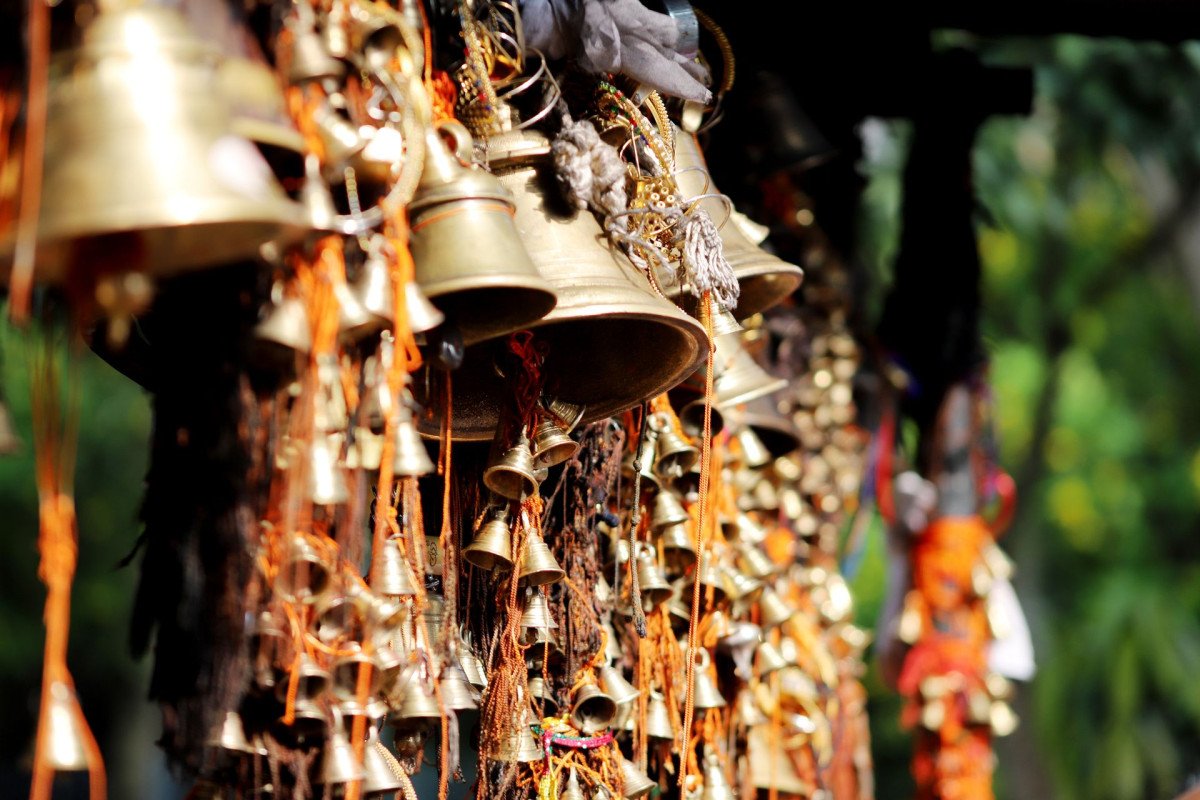
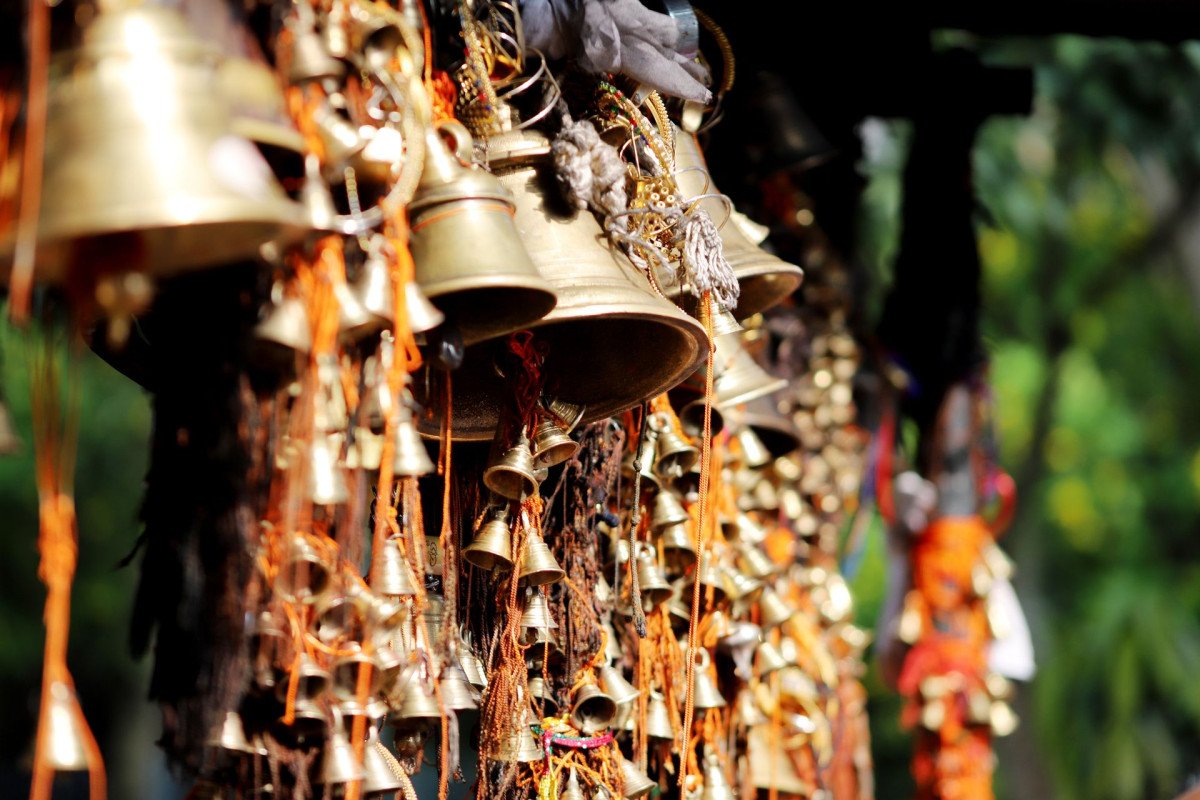
Mallikarjuna Temple
General information
-
Ideal Duration:
30-45 Minutes:Place Type:
Ancient Hindu Temple (Dedicated to Lord Shiva):Entry Fees:
ASI Entry Fee Structure: The Mallikarjuna Temple is part of the Pattadakal Group of Monuments, and access is covered by the mandatory consolidated entry ticket issued by the Archaeological Survey of India (ASI). The fee is around INR 40 for Indian adults and approximately I...ASI Entry Fee Structure: The Mallikarjuna Temple is part of the Pattadakal Group of Monuments, and access is covered by the mandatory consolidated entry ticket issued by the Archaeological Survey of India (ASI). The fee is around INR 40 for Indian adults and approximately INR 500 (or USD 5) for foreign nationals.
Camera Charges: A nominal fee (typically INR 25) may be required for professional video camera equipment, but still photography is included in the main ticket price.
General Note: This single fee allows you to visit all the temples within the main cluster, including the adjacent Kashi Vishwanatha and the larger Virupaksha Temple.
:Timing:
Regular Timings: The temple follows the standard operational hours of the ASI complex, which are generally from 9:00 AM to 5:00 PM daily.
Ideal Visit Time: The best time to visit the Mallikarjuna Temple is the early morning (around 9:00 AM t...Regular Timings: The temple follows the standard operational hours of the ASI complex, which are generally from 9:00 AM to 5:00 PM daily.
Ideal Visit Time: The best time to visit the Mallikarjuna Temple is the early morning (around 9:00 AM to 11:00 AM) or the late afternoon (around 3:00 PM to 4:30 PM). Early morning light is excellent for photographing the Vimana's full facade, and the interior hall is less crowded. Late afternoon provides dramatic side lighting for the porch and column carvings, bringing the reliefs to life with deep shadows.
:Special Events:
The Ratha Saptami Celebration: While the main temple is dedicated to Shiva, the area around the temple is part of the sacred atmosphere during the annual Chalukya Utsav (Dance Festival), typically held in January or February. More importantly, the proximity to the Malaprabh...The Ratha Saptami Celebration: While the main temple is dedicated to Shiva, the area around the temple is part of the sacred atmosphere during the annual Chalukya Utsav (Dance Festival), typically held in January or February. More importantly, the proximity to the Malaprabha River means the temple is often a focal point for local devotional activities during the Ratha Saptami festival (January/February), a sun-related festival that draws local pilgrims for a dip in the sacred Uttaravahini river and a visit to the temples, offering a glimpse into local religious life.
:Best Photo Spots:
The Narasimha Porch: The porch containing the magnificent Narasimha slaying Hiranyakashipu relief is an excellent photo spot, especially in the afternoon light which enhances the dramatic depth of the carving.
The Vimana from the Courtyard: ...The Narasimha Porch: The porch containing the magnificent Narasimha slaying Hiranyakashipu relief is an excellent photo spot, especially in the afternoon light which enhances the dramatic depth of the carving.
The Vimana from the Courtyard: Standing back in the courtyard (Prakara) to capture the full height and tiered, pyramidal form of the Dravidian Vimana is a perfect compositional shot to illustrate the temple's architectural style, often best captured from the east.
Pillar Narrative Panels: The pillars in the hall, with their intricate epic and fable carvings, provide endless opportunities for close-up and detailed photography, focusing on specific scenes like the Panchatantra tales.
:Photo Gallery
Things To Do
-
Epic and Fable Study: Dedicate substantial time to systematically examining the bas-reliefs on the columns in the main hall (Mandapa), tracing the mythological narratives from the Ramayana and the Mahabharata, as well as the unique moral fables from the Panchatantra. This study can take over an hour to fully appreciate the detail and continuity of the storytelling. Hiring a guide is highly recommended to identify the key scenes.
Detailed Narasimha Photography: Focus on photographing the powerful Narasimha killing Hiranyakashipu panel in the porch. Experiment with side lighting in the late afternoon to enhance the dramatic shadows and the deep carving of this iconic sculptural group, capturing the raw power and emotion of the scene.
Architectural Symmetry Walk: Perform a circumambulation (Prada...Epic and Fable Study: Dedicate substantial time to systematically examining the bas-reliefs on the columns in the main hall (Mandapa), tracing the mythological narratives from the Ramayana and the Mahabharata, as well as the unique moral fables from the Panchatantra. This study can take over an hour to fully appreciate the detail and continuity of the storytelling. Hiring a guide is highly recommended to identify the key scenes.
Detailed Narasimha Photography: Focus on photographing the powerful Narasimha killing Hiranyakashipu panel in the porch. Experiment with side lighting in the late afternoon to enhance the dramatic shadows and the deep carving of this iconic sculptural group, capturing the raw power and emotion of the scene.
Architectural Symmetry Walk: Perform a circumambulation (Pradakshina) around the temple's exterior to appreciate the symmetry of the Dravidian design and the verticality of the tiered Vimana. From different angles, notice how the temple's overall form changes and how the smaller shrines are integrated into the courtyard (Prakara).
The Comparative Tour: As the architectural twin of the Virupaksha Temple, spend time comparing its features (such as the number of tiers or the sculptural themes) to the larger structure. This comparative study is key to understanding the Chalukyan use of prototypes and the family patronage that built the complex.
Ceiling Art Appreciation: Consciously stop to look up and study the ceiling panels in the Mandapa and the porch. Use a telephoto lens for closer inspection and photography of the hidden overhead artistic details.
:
Information
-
Why Famous:
Commemoration of Victory: The Mallikarjuna Temple is famously important as a monument built to commemorate the third victory of Chalukya King Vikramaditya II over the Pallavas of Kanchipuram, commissioned by his younger queen, Trilokyamahadevi. Its construction directly ref...Commemoration of Victory: The Mallikarjuna Temple is famously important as a monument built to commemorate the third victory of Chalukya King Vikramaditya II over the Pallavas of Kanchipuram, commissioned by his younger queen, Trilokyamahadevi. Its construction directly reflects the imperial power and architectural patronage of the Chalukya dynasty in the 8th century.
The Dravidian Blueprint: Along with the Virupaksha Temple, it stands as a canonical example of the fully developed Dravidian temple style that emerged in the Deccan, serving as a blueprint for later great temples in South India, including the Kailasanatha Temple at Kanchipuram and potentially the Kailasa Temple at Ellora.
Narasimha Relief: The highly detailed and dynamic sculpture of Narasimha slaying Hiranyakashipu in the porch is a celebrated artistic feature, known for its powerful depiction of the mythological event, drawing visitors interested in the visual narratives of the Puranas.
: -
Architecture:
Architecture Style and Parallelism: The Mallikarjuna Temple is a fully developed example of the Dravidian Vimana style, characterized by a stepped, pyramidal tower (Vimana or Shikhara) made of receding horizontal tiers, topped by a dome-shaped roof (Shikhara or Stupi). The ...Architecture Style and Parallelism: The Mallikarjuna Temple is a fully developed example of the Dravidian Vimana style, characterized by a stepped, pyramidal tower (Vimana or Shikhara) made of receding horizontal tiers, topped by a dome-shaped roof (Shikhara or Stupi). The structure includes a square Garbhagriha (sanctum), a small Antarala (vestibule), and a large, multi-pillared Mandapa (hall), all set within a rectangular courtyard (Prakara). It is a miniature replica, or an architectural twin, of the larger Virupaksha Temple.
Dimensions and Sculptural Features: The temple is built on an elevated plinth with an east-facing entrance. The hall is supported by numerous pillars, which are the main focus of architectural art, covered with intricate bas-reliefs. A major sculptural highlight is the powerful Narasimha killing Hiranyakashipu panel in the porch. The doorframe of the sanctum is elaborately carved. The temple’s overall dimensions are substantial, though smaller than the Virupaksha Temple. Its four-story Vimana is crowned by a square roof, typical of the Dravidian form, distinguishing it visually from its Nagara-style neighbors like the Kashi Vishwanatha Temple.
: -
How To Reach:
By Air: The nearest airport is Hubballi Airport (HBX), situated approximately 140 KM away, offering domestic flights. Visitors can hire a taxi or pre-booked car for the 3-4 hour journey to Pattadakal. Belgaum Airport (IXG) is another option at 180 KM distance.By Air: The nearest airport is Hubballi Airport (HBX), situated approximately 140 KM away, offering domestic flights. Visitors can hire a taxi or pre-booked car for the 3-4 hour journey to Pattadakal. Belgaum Airport (IXG) is another option at 180 KM distance.
By Train: The closest railway link is Badami Railway Station (BDM), located about 22 KM from Pattadakal, with good train connections to various parts of Karnataka and neighboring states. From Badami, local taxis, shared transport, or auto-rickshaws are available for the final leg of the journey.
By Road: Pattadakal is well-connected by state highways to nearby towns. Regular public and private bus services operate from Badami (22 KM), Aihole (13 KM), and Bagalkot (46 KM). Hiring a private vehicle from major cities like Bengaluru is a comfortable travel choice.
By Local Transport: The Mallikarjuna Temple is centrally located within the main temple complex. It is directly adjacent to the Kashi Vishwanatha Temple and a short, easy walk from the main entrance, making it easily accessible on foot after entering the ASI complex.
: -
Weather and Best Time to Visit:
Different Types of Seasons: Winter (October to March) is highly recommended, as the cool and dry climate (temperatures ranging from 15°C to 30°C) is perfect for the detailed exploration of the open-air complex and the temple's intricate carvings. Summer is characterized b...Different Types of Seasons: Winter (October to March) is highly recommended, as the cool and dry climate (temperatures ranging from 15°C to 30°C) is perfect for the detailed exploration of the open-air complex and the temple's intricate carvings. Summer is characterized by intense heat and should be strictly avoided for daytime visits. Monsoon brings moderate rain, which can be picturesque but occasionally hampers walking.
Different Parts of the Day: Early morning (upon opening) is the best time for a focused, crowd-free experience and for capturing the full facade of the Vimana in soft light. Late afternoon provides excellent side light for the interior carvings and the dramatic Narasimha panel, bringing the mythological figures to life.
: -
Near Tourist Places:
Kashi Vishwanatha Temple (Adjacent): Virupaksha Temple (100 M) Sangameshwara Temple (100 M) Papanatha Temple (0. 7 KM) Badami Cave Temples (22 KM) Aihole Temple Complex (13 KM) Malaprabha River Viewpoint (0. 5 KM) Mahakuta Group of Temples (10 KM) Jain Narayana Temple (1. 5 KM) Galaganatha Temple (150 M)
Tourism Tips
-
Health & safety: Be mindful of the large crowds that can gather, especially during peak season, and watch your step around the elevated plinth and in the hall. Always carry drinking water to combat dehydration.
Packing Essentials: Wear ligh...Health & safety: Be mindful of the large crowds that can gather, especially during peak season, and watch your step around the elevated plinth and in the hall. Always carry drinking water to combat dehydration.
Packing Essentials: Wear light, comfortable, and respectful attire. Carry a good camera with a flash (if allowed in darker parts) or a high-quality phone camera to capture the detailed pillar art. A good guidebook or a hired, licensed guide is invaluable for deciphering the epic scenes on the pillars.
Accommodation: Staying in Badami (22 KM) provides better hotel and resort facilities and is the standard base for visiting Pattadakal.
Other Tips: Compare the architecture with the Virupaksha Temple to note the subtle differences in their ornamentation and scale, understanding their twin-temple status. Ensure you locate the Narasimha relief and the Panchatantra carvings, as they are key highlights.
:
Reviews
FAQs
Pattadakal Itineray And Cost:-
Mallikarjuna Temple Tourism:-
Other Places In Pattadakal :-
Other States In India :-
Information about New and Updated Locations() of Karnataka Has Been Added :-
Card subtitle
Note:-
Information provided here in good Faith and for reference only.
Near Places
Aihole Archaeological Museum
Some quick example text to build on the card title and make up the bulk of the card's content.
Go somewhere
Aihole
Some quick example text to build on the card title and make up the bulk of the card's content.
Go somewhere
Akka-Mahadevi Temple
Some quick example text to build on the card title and make up the bulk of the card's content.
Go somewhere
Galaganatha Temple
Some quick example text to build on the card title and make up the bulk of the card's content.
Go somewhere
Jain Temple
Some quick example text to build on the card title and make up the bulk of the card's content.
Go somewhere
Jambulingeshwara Temple
Some quick example text to build on the card title and make up the bulk of the card's content.
Go somewhere
Kadasiddeshwara Temple
Some quick example text to build on the card title and make up the bulk of the card's content.
Go somewhere
Kashi Vishwanatha Temple
Some quick example text to build on the card title and make up the bulk of the card's content.
Go somewhere
Malaprabha River
Some quick example text to build on the card title and make up the bulk of the card's content.
Go somewhere
Malaprabha River Viewpoint
Some quick example text to build on the card title and make up the bulk of the card's content.
Go somewhere
Mallikarjuna Temple
Some quick example text to build on the card title and make up the bulk of the card's content.
Go somewhere
Papanatha Temple
Some quick example text to build on the card title and make up the bulk of the card's content.
Go somewhere
Pattadakal Group of Monuments
Some quick example text to build on the card title and make up the bulk of the card's content.
Go somewhere
Ravana Phadi Cave
Some quick example text to build on the card title and make up the bulk of the card's content.
Go somewhere
Sangameshwara Temple
Some quick example text to build on the card title and make up the bulk of the card's content.
Go somewhere
Virupaksha Temple
Some quick example text to build on the card title and make up the bulk of the card's content.
Go somewherein Other Cities