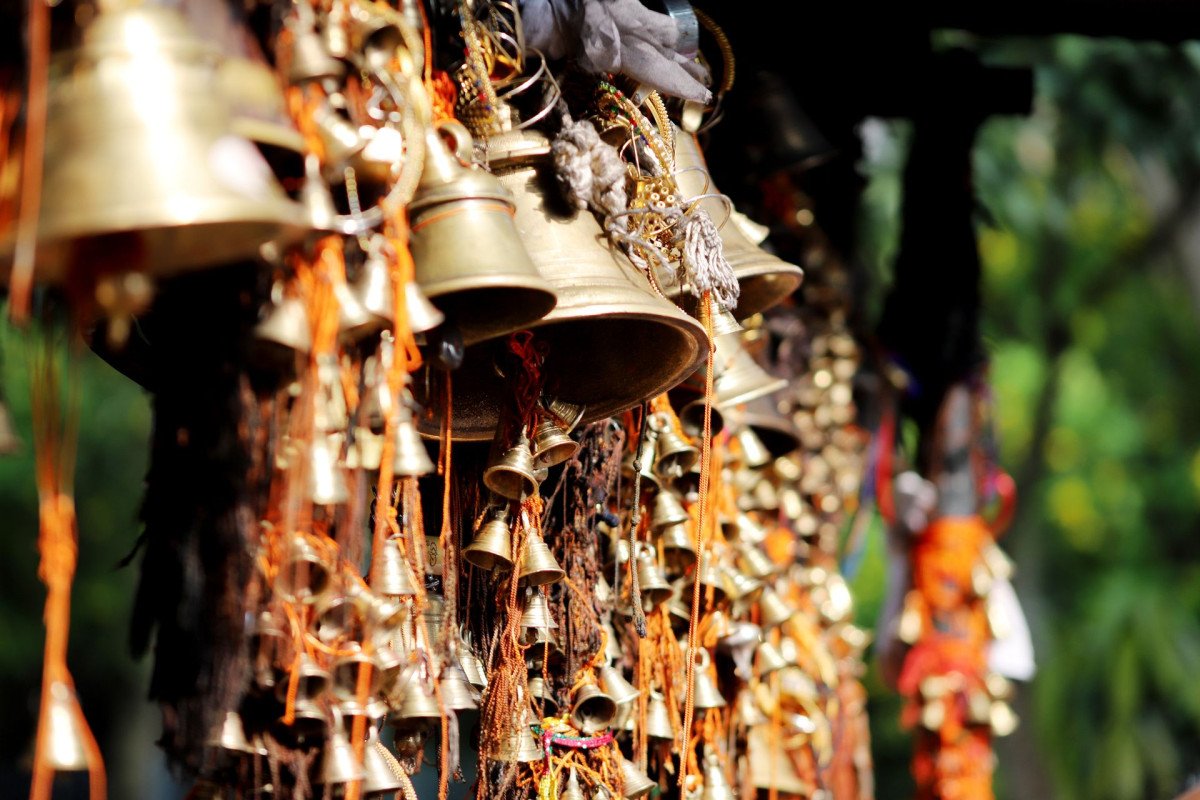
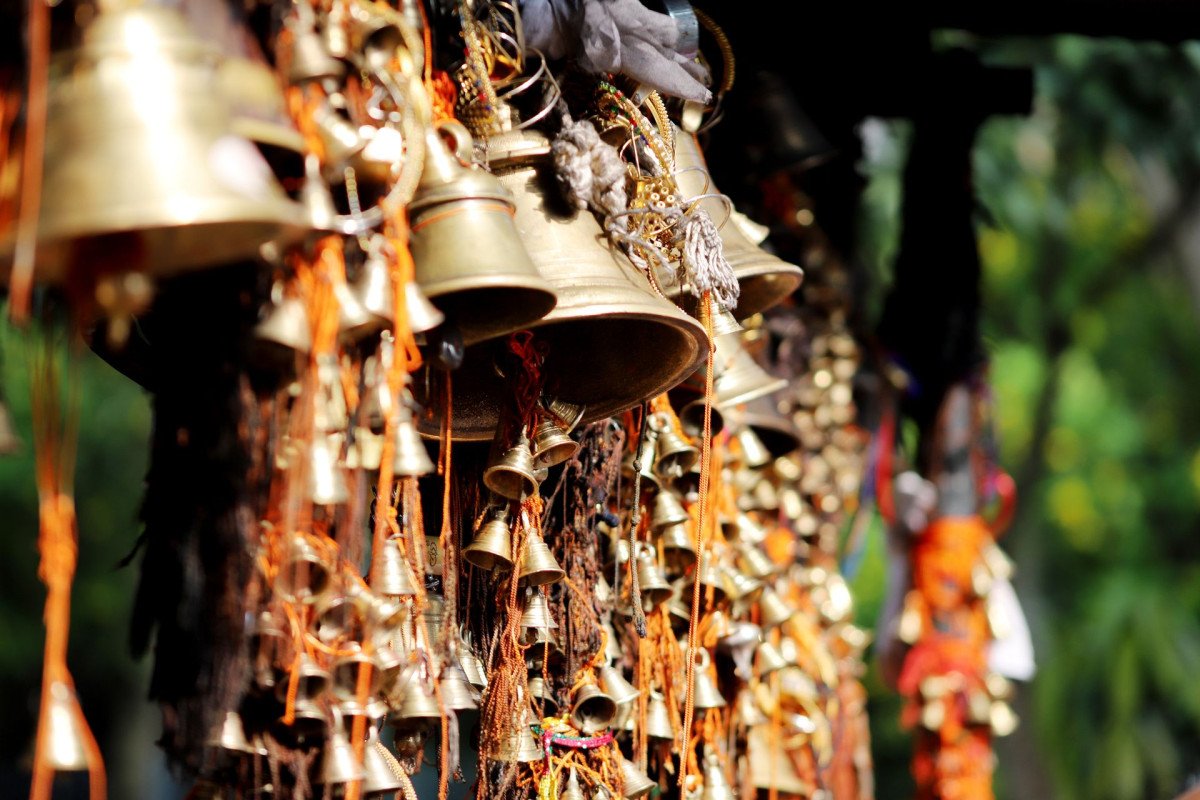
Manu Temple
General information
-
Ideal Duration:
1 to 2 HoursPlace Type:
Religious, Heritage, ScenicEntry Fees:
No Mandatory Entry Fee: There is no mandatory entry fee to visit the Manu Temple. It is a functioning religious shrine and is open to all devotees and tourists for free.
Voluntary Donation System: Visitors are welcome to make a voluntary do...No Mandatory Entry Fee: There is no mandatory entry fee to visit the Manu Temple. It is a functioning religious shrine and is open to all devotees and tourists for free.
Voluntary Donation System: Visitors are welcome to make a voluntary donation (Dakshina) in the designated donation boxes inside the temple premises as a contribution towards the temple's maintenance and religious activities, but this is entirely optional.
Parking and Local Transport Charges: While the entry to the temple itself is free, visitors who hire a taxi or auto-rickshaw to reach Old Manali will incur transportation costs. Additionally, limited and often informal parking near the base of the walk may involve a nominal fee charged by local villagers for vehicle safety. (Summary - The full would explain the difference between entry fee and religious offerings, detail typical local transport fares from Mall Road, and list small costs for essentials like shoe-keeping services. )Timing:
Regular Timings: The temple is generally open every day of the week from 6:00 AM to 5:00 PM. These times are subject to slight changes during severe winter snowfall or major festivals.
Ideal Visit Time (Day): The absolute ideal time to visi...Regular Timings: The temple is generally open every day of the week from 6:00 AM to 5:00 PM. These times are subject to slight changes during severe winter snowfall or major festivals.
Ideal Visit Time (Day): The absolute ideal time to visit is early in the morning, between 8:00 AM and 10:00 AM, to enjoy the tranquility, the spiritual atmosphere before the crowds arrive, and the soft morning light for photography. A late afternoon visit around 4:00 PM is also excellent for enjoying the sunset views.
Ideal Visit Time (Season): The best months are April to June and September to October when the weather is pleasant and the walking path is dry and comfortable. The temple is accessible year-round, but heavy snow in January and February can make the walk challenging. (Summary - The full would detail a typical day's operations, best times for specific rituals, and how timings change for different seasons. )Special Events:
Manu Jayanti Celebrations: The most significant event is Manu Jayanti, the celebration of Sage Manu's birth anniversary. This festival is celebrated with great fervor, usually in the month of March or April. The temple is adorned with flowers, and special prayers (Aartis) ...Manu Jayanti Celebrations: The most significant event is Manu Jayanti, the celebration of Sage Manu's birth anniversary. This festival is celebrated with great fervor, usually in the month of March or April. The temple is adorned with flowers, and special prayers (Aartis) are performed.
Local Folk Dances and Music: During Manu Jayanti and other minor local festivals, traditional Kullu folk dances (Nati) and devotional singing are performed by the villagers in the temple courtyard, showcasing the vibrant cultural heritage of the region, which is a rare sight for regular tourists. (Summary - The full would provide more details on specific Himachali rituals, the gathering of local Devtas, and the atmosphere during the Diwali and Janmashtami festivals. )Best Photo Spots:
The Pagoda Roof Against the Sky: The multi-tiered wooden pagoda roof of the temple set against the clear, blue Himalayan sky, especially during the golden hours of sunrise or sunset, is a classic and essential photograph.
Panoramic Valley View f...The Pagoda Roof Against the Sky: The multi-tiered wooden pagoda roof of the temple set against the clear, blue Himalayan sky, especially during the golden hours of sunrise or sunset, is a classic and essential photograph.
Panoramic Valley View from the Courtyard: The wide-angle shot from the temple courtyard, capturing the sweep of the Kullu Valley, the winding Beas River below, and the tiered houses of Old Manali descending the slope, makes for a stunning landscape picture.
Intricate Deodar Wood Carvings: Close-up shots of the detailed mythological carvings on the wooden panels and doors of the temple offer excellent texture and cultural photography opportunities.
The Old Manali Bridge and River Shot: The small, picturesque bridge over the Manalsu Nallah (stream) that leads into Old Manali is a popular spot for both selfies and scenic shots, often framed with pine trees. (Summary - The full would detail specific angles, morning mist effects, and recommended lens usage for different photo subjects in and around Old Manali. )Photo Gallery
Things To Do
-
Temple Darshan and Spiritual Reflection: The primary activity is offering prayers to Sage Manu inside the main sanctum. Visitors should take time for quiet contemplation and meditation in the tranquil atmosphere.
The Scenic Old Manali Walk: The 3 KM journey from Manali town center to the temple is a must-do activity. It involves crossing the bridge over the Manalsu River and meandering through the charming narrow streets of Old Manali, browsing small shops and cafes along the way.
Photography of Valley Vistas: The temple courtyard offers spectacular spots for landscape photography, capturing the wooden architecture set against the backdrop of towering Himalayan peaks and the vast Kullu Valley.
Exploring the Cafe Culture: After the spiritual visit, one can desce...Temple Darshan and Spiritual Reflection: The primary activity is offering prayers to Sage Manu inside the main sanctum. Visitors should take time for quiet contemplation and meditation in the tranquil atmosphere.
The Scenic Old Manali Walk: The 3 KM journey from Manali town center to the temple is a must-do activity. It involves crossing the bridge over the Manalsu River and meandering through the charming narrow streets of Old Manali, browsing small shops and cafes along the way.
Photography of Valley Vistas: The temple courtyard offers spectacular spots for landscape photography, capturing the wooden architecture set against the backdrop of towering Himalayan peaks and the vast Kullu Valley.
Exploring the Cafe Culture: After the spiritual visit, one can descend to Old Manali village to enjoy a meal or coffee at one of the many famous, bohemian cafes like Cafe 1947 or Drifter's Inn, famous for their unique ambiance and mountain views.
Shopping for Local Souvenirs: The lanes of Old Manali leading to the temple are excellent for buying hand-knitted woolens, local jewelry, Himachali caps, and small wooden souvenirs, providing a great opportunity to interact with local artisans.
Nature and Bird Watching: The dense deodar and apple orchards surrounding the temple are ideal for a short, peaceful nature walk and for spotting local Himalayan bird species, especially early in the morning.
Interacting with Local Villagers: Tourists should spend time observing the traditional life of the residents of Old Manali, many of whom still live in traditional Kath-Kuni style houses, offering a genuine glimpse into the local Himachali culture. (Summary - The full would detail more local trekking options, specific craft shops, café specialities, and deeper spiritual engagement rituals. )
Information
-
Why Famous:
Creator of Humanity Connection: The temple is famous for being the only known shrine in India dedicated to Sage Manu, the mythical creator of mankind according to Hindu texts. This unique religious identity draws pilgrims seeking a connection to ancient Hindu mythology and ...Creator of Humanity Connection: The temple is famous for being the only known shrine in India dedicated to Sage Manu, the mythical creator of mankind according to Hindu texts. This unique religious identity draws pilgrims seeking a connection to ancient Hindu mythology and the origins of human civilization.
Picturesque Uphill Trek: Its location in Old Manali, accessible by a short but beautiful trek, contributes to its fame. The journey itself is an experience, offering stunning panoramic views of the Kullu Valley and the Beas River, making it a favorite spot for photographers and nature enthusiasts. (Summary - The full would further detail the legends, its role as the birthplace of Manali, and its significance within the Old Manali cultural ecosystem. ) -
Architecture:
Himachali Pagoda Style: The architecture of the Manu Temple is a classic example of the traditional Himachali or Kath-Kuni style, characterized by its multi-tiered pagoda roof and construction primarily using timber and stone.
Structural Feature...Himachali Pagoda Style: The architecture of the Manu Temple is a classic example of the traditional Himachali or Kath-Kuni style, characterized by its multi-tiered pagoda roof and construction primarily using timber and stone.
Structural Features and Material: The structure features intricate wood carvings on the doors and walls, depicting various Hindu mythological scenes and local folklore. The use of locally sourced deodar wood and dressed stone is crucial, as the layered construction is designed to withstand the region's heavy snowfalls and seismic activity.
Dimensions and Layout: The temple is generally smaller in scale compared to major South Indian temples, typically featuring a small square or rectangular base with the main sanctum (garbhagriha) on the ground floor. The multi-roofed structure rises to a peak, giving it a distinctive and rustic appearance that blends seamlessly with the mountainous landscape. (Summary - The full would elaborate on the specific carving motifs, the function of the wooden galleries, and a more detailed, approximate structural dimension. ) -
How To Reach:
By Air (53.
5 KMS): The nearest airport is Kullu-Manali Airport (KUU) in Bhuntar. From the airport, one can hire a pre-paid taxi or take a local bus to Manali town. The journey takes approximately 1. 5 to 2 hours.
By Train (281 KMS):By Air (53.
5 KMS): The nearest airport is Kullu-Manali Airport (KUU) in Bhuntar. From the airport, one can hire a pre-paid taxi or take a local bus to Manali town. The journey takes approximately 1. 5 to 2 hours.
By Train (281 KMS): The closest major railway station is Kalka Railway Station or Chandigarh Railway Station. From there, you must take a cab or an overnight Volvo bus to reach Manali. Joginder Nagar Railway Station is closer (approx. 160 KMS) but is a narrow-gauge line and less convenient.
By Road (Easy Access): Manali is excellently connected by road. Visitors from Delhi or Chandigarh should take an overnight luxury Volvo bus, which drops you at the main Manali Bus Depot. From the bus depot, one can take local transport to Old Manali.
By Local Transport (Foot/Auto): From the main Manali Market (Mall Road), the most common way is to take an auto-rickshaw or taxi to the base of Old Manali, followed by a pleasant 15-20 minute uphill walk to the temple. The road up to the temple itself is narrow and often closed to four-wheelers. (Summary - The full would detail specific bus operators, expected travel times, taxi rates, and navigation instructions for the uphill walk. ) -
Weather and Best Time to Visit:
Different Types of Seasons: The best time is during the Summer (March to June) when the weather is mild and pleasant, making the walk enjoyable, and the entire valley is lush green. The Autumn (September to October) is also excellent, offering clear skies and comfortable te...Different Types of Seasons: The best time is during the Summer (March to June) when the weather is mild and pleasant, making the walk enjoyable, and the entire valley is lush green. The Autumn (September to October) is also excellent, offering clear skies and comfortable temperatures. Avoid the peak monsoon season in July and August due to slippery paths.
Different Parts of the Day: The best part of the day is the Early Morning (6:00 AM - 10:00 AM) to experience the temple in quiet solitude and enjoy the cool mountain air, or the Late Afternoon (4:00 PM - 5:00 PM) for beautiful lighting and sunset views over the valley. Visiting during the midday can be slightly crowded and warmer. (Summary - The full would further detail the benefits of the Winter season (snow-covered beauty) versus the challenges, and the optimal timing based on photography vs. spiritual needs. ) -
Near Tourist Places:
Hadimba Devi Temple (2 KMS), Vashisht Hot Water Springs (4 KMS), Mall Road Manali (3 KMS), Jogini Falls (4 KMS), Solang Valley (14 KMS), Beas River (Old Manali bank) (0. 5 KMS), Manali Market (3 KMS), Club House (3. 5 KMS), Van Vihar National Park (4 KMS), Gadhan Thekchhokling Gompa (Tibetan Monastery) (4 KMS).
Tourism Tips
-
Health & Safety: Wear comfortable walking shoes, as the path from Old Manali village to the temple involves a steep, paved uphill walk. Carry a small first-aid kit, especially for minor cuts or blisters. Drink plenty of water.
Packing Essentia...Health & Safety: Wear comfortable walking shoes, as the path from Old Manali village to the temple involves a steep, paved uphill walk. Carry a small first-aid kit, especially for minor cuts or blisters. Drink plenty of water.
Packing Essentials: Even in summer, carry a light jacket or shawl, as the temple is at a higher altitude and the air can be chilly. Since it is a religious place, women should consider covering their shoulders and knees. Carry cash, as small local shops may not accept digital payments.
Accommodation: Stay in Old Manali for a bohemian, quieter, and more rustic experience with budget-friendly cafes and guesthouses. Stay near Mall Road (New Manali) for easier access to bus/taxi stands and more upscale hotels.
Cultural Respect: Remove your footwear before entering the temple premises. Photography is often strictly prohibited inside the main sanctum, so always check with local authorities and maintain silence. Avoid loud conversations to respect the sanctity of the place. (Summary - The full would detail altitude sickness precautions, bargaining tips for local shops, specific recommendations for local Himachali cuisine, and advice on booking transportation permits for places like Rohtang Pass. )
Reviews
FAQs
Manali Itineray And Cost:-
Other Places In Manali :-
Other States In India :-
Information about New and Updated Locations() of Himachal Pradesh Has Been Added :-
Card subtitle
Note:-
Information provided here in good Faith and for reference only.
Near Places

Anjani Mahadev Temple
Some quick example text to build on the card title and make up the bulk of the card's content.
Go somewhere
Arjun Gufa
Some quick example text to build on the card title and make up the bulk of the card's content.
Go somewhere
Atal Tunnel
Some quick example text to build on the card title and make up the bulk of the card's content.
Go somewhere
Beas Kund
Some quick example text to build on the card title and make up the bulk of the card's content.
Go somewhere
Beas River
Some quick example text to build on the card title and make up the bulk of the card's content.
Go somewhere
Club House
Some quick example text to build on the card title and make up the bulk of the card's content.
Go somewhere
Jana Waterfall
Some quick example text to build on the card title and make up the bulk of the card's content.
Go somewhere
Jogini Waterfall
Some quick example text to build on the card title and make up the bulk of the card's content.
Go somewhere
Kothi Village
Some quick example text to build on the card title and make up the bulk of the card's content.
Go somewhere
Mall Road
Some quick example text to build on the card title and make up the bulk of the card's content.
Go somewhere
Manali Wildlife Sanctuary
Some quick example text to build on the card title and make up the bulk of the card's content.
Go somewhere
Manu Temple
Some quick example text to build on the card title and make up the bulk of the card's content.
Go somewhere
Marhi
Some quick example text to build on the card title and make up the bulk of the card's content.
Go somewhere
Museum of Himachal Culture & Folk Art
Some quick example text to build on the card title and make up the bulk of the card's content.
Go somewhere
Nicholas Roerich Art Gallery
Some quick example text to build on the card title and make up the bulk of the card's content.
Go somewhere
Old Manali
Some quick example text to build on the card title and make up the bulk of the card's content.
Go somewherein Other Cities