

Siyali Mahadev Temple
General information
-
Ideal Duration:
1 to 2 hoursPlace Type:
Temple, Pilgrimage, HeritageEntry Fees:
No Entry Fee for Temple Visit:: There is generally No Entry Fee required to enter the Siyali Mahadev Temple premises, allowing all pilgrims and tourists free access for prayers and sightseeing.
Donations for Maintenance:: Voluntary monetary ...No Entry Fee for Temple Visit:: There is generally No Entry Fee required to enter the Siyali Mahadev Temple premises, allowing all pilgrims and tourists free access for prayers and sightseeing.
Donations for Maintenance:: Voluntary monetary donations are highly encouraged and accepted at designated collection boxes for the ongoing maintenance, repair, and daily operations of the ancient wooden structure and the temple rituals.
Puja and Aarti Services:: Fees for special Pujas, individual Archana, or other personal religious ceremonies conducted by the priests may apply, ranging from a nominal amount to higher depending on the complexity of the ritual and the offerings requested.
Cost of Offerings:: Visitors typically purchase small offerings like flowers, coconut, incense sticks (agarbatti), and sacred thread (Mauli) from the stalls outside, costing a small sum (usually less than Rs.100-200), which is an indirect expense.Timing:
Regular Temple Timings:: The Siyali Mahadev Temple is generally open for visitors and devotees from 6:00 AM to 7:00 PM daily, seven days a week, accommodating both early morning worship and evening prayers.
Ideal Visit Time for Tranquility::...Regular Temple Timings:: The Siyali Mahadev Temple is generally open for visitors and devotees from 6:00 AM to 7:00 PM daily, seven days a week, accommodating both early morning worship and evening prayers.
Ideal Visit Time for Tranquility:: The best time to visit for a peaceful, solitary experience and photography is early in the morning, between 6:00 AM and 8:00 AM, before the tourist crowds arrive from Manali's center.
Morning and Evening Aarti:: Aim to visit around 6:00 AM to 7:00 AM for the Morning Aarti or between 6:00 PM and 7:00 PM for the Evening Aarti to experience the intense spiritual and cultural atmosphere during the rituals.
Avoiding Peak Crowds:: The temple is less crowded than its neighbor, Hadimba Temple, but peak tourist hours are typically between 10:00 AM and 4:00 PM; a late afternoon visit is also recommended for a serene experience.Special Events:
Maha Shivaratri Festival:: This is the most significant annual event, celebrated with great fervor, attracting thousands of devotees. The temple complex is decorated grandly, and special Pujas and continuous chanting (Bhajans and Kirtans) are organized throughout the night,...Maha Shivaratri Festival:: This is the most significant annual event, celebrated with great fervor, attracting thousands of devotees. The temple complex is decorated grandly, and special Pujas and continuous chanting (Bhajans and Kirtans) are organized throughout the night, making it an intense spiritual experience.
Other Major Hindu Festivals:: Festivals like Dussehra (when the temple plays a role in the local Kullu tradition), Janmashtami, and various local harvest festivals see enhanced celebratory rituals, special food offerings (Prasad), and larger gatherings.
Temple Anniversary/Foundation Day:: A local celebration is held annually to commemorate the temple's foundation or a significant event in its history, featuring community meals (Langar) and cultural programs specific to the Siyal village.Best Photo Spots:
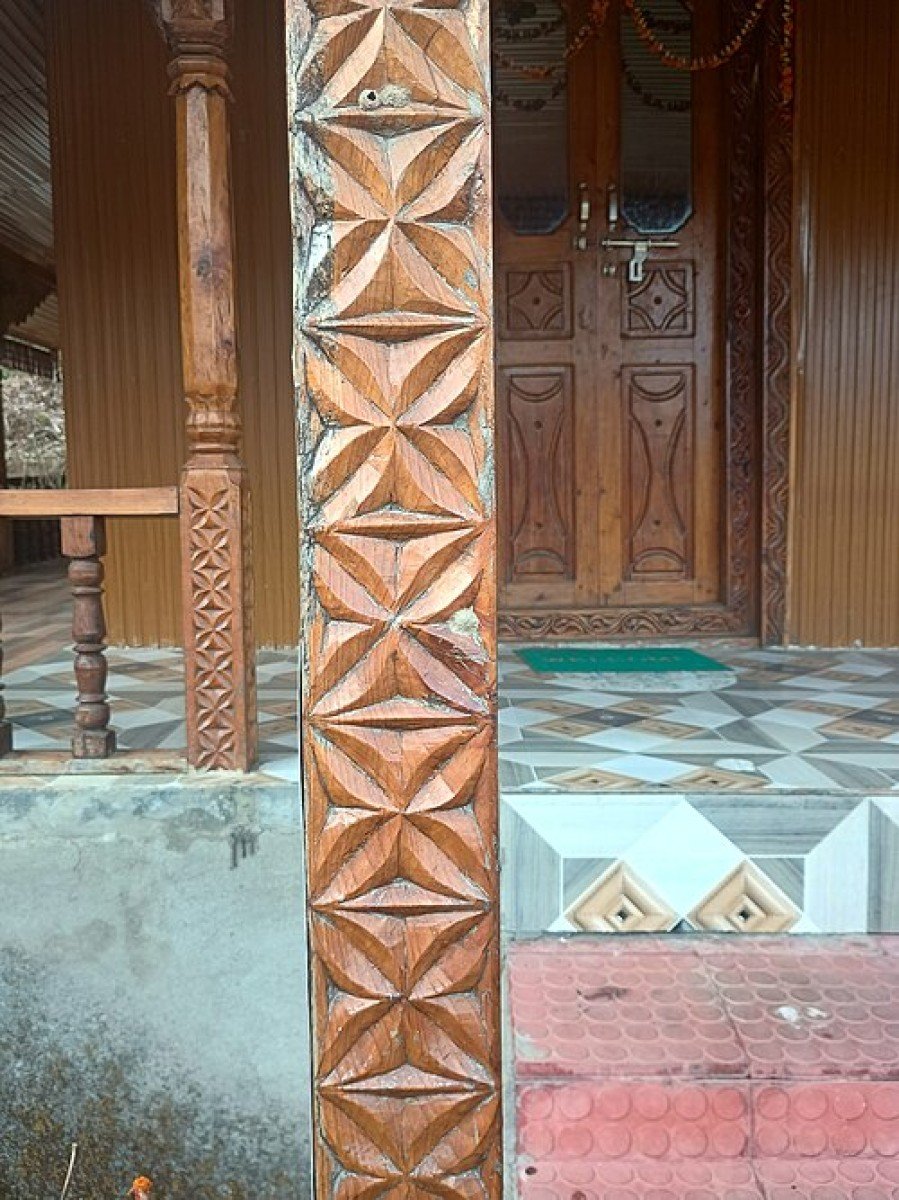
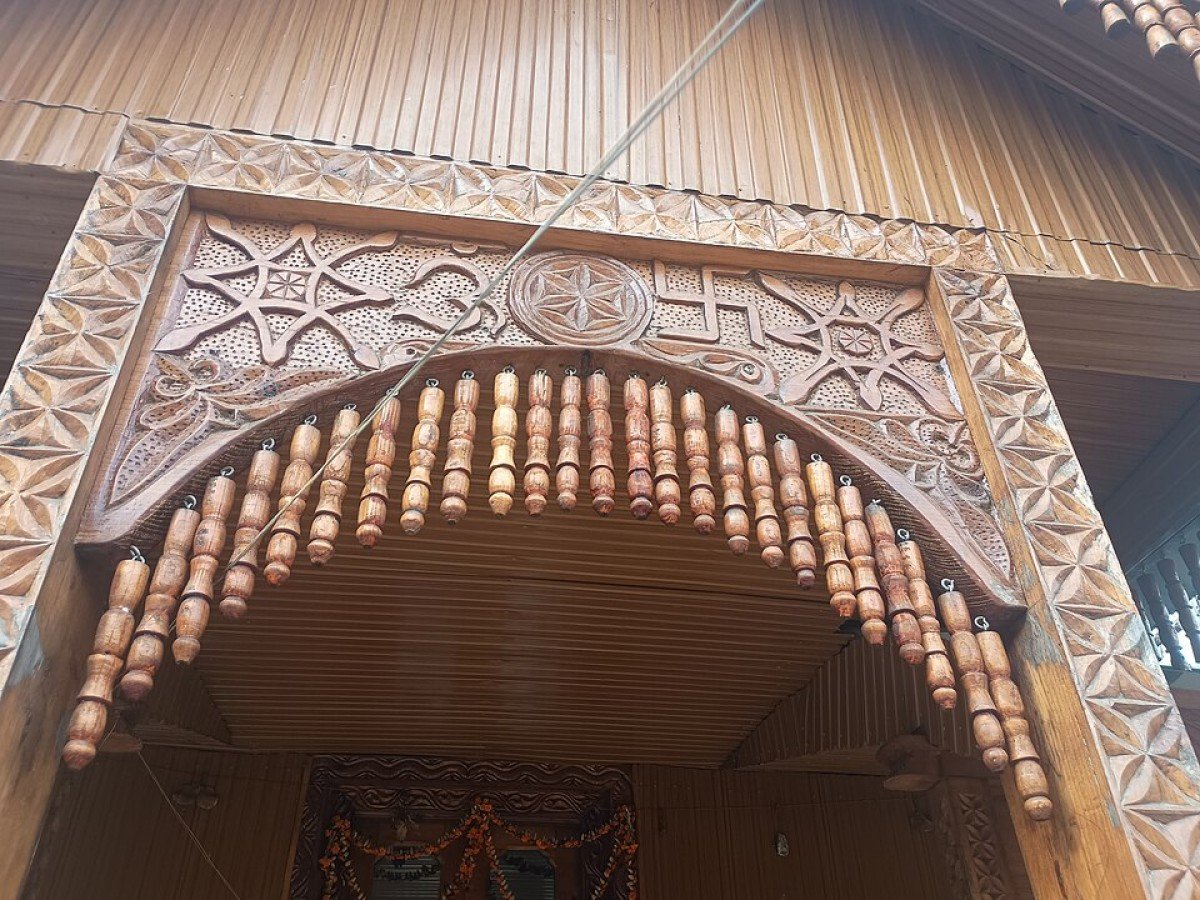
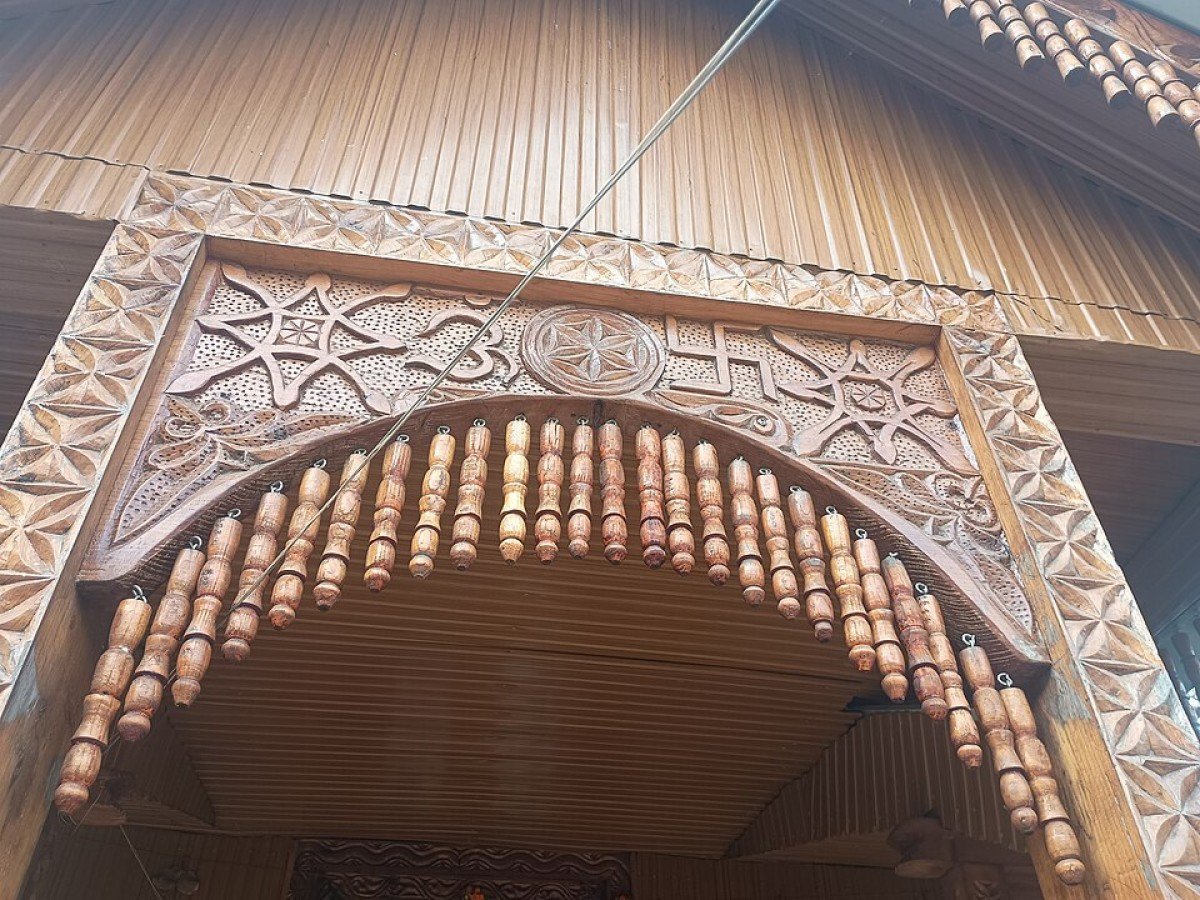
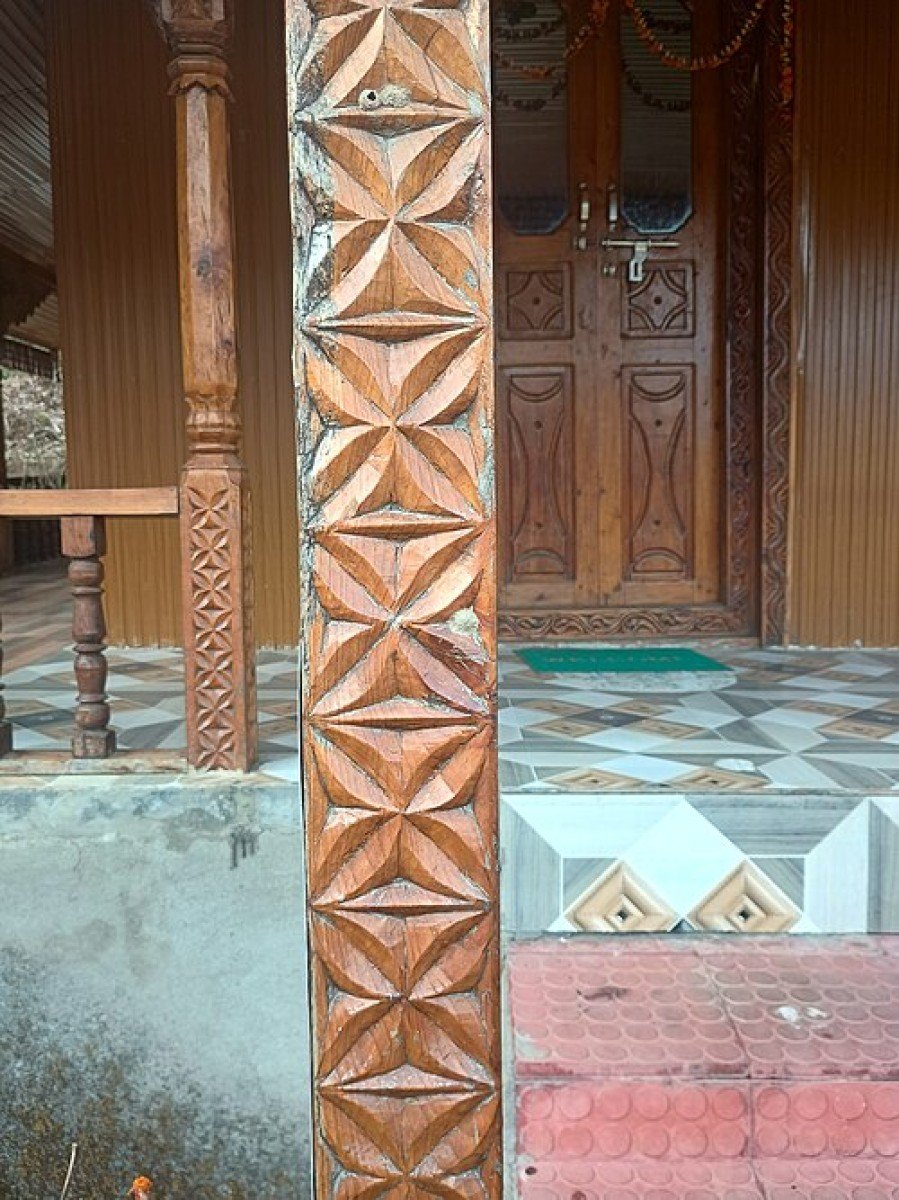
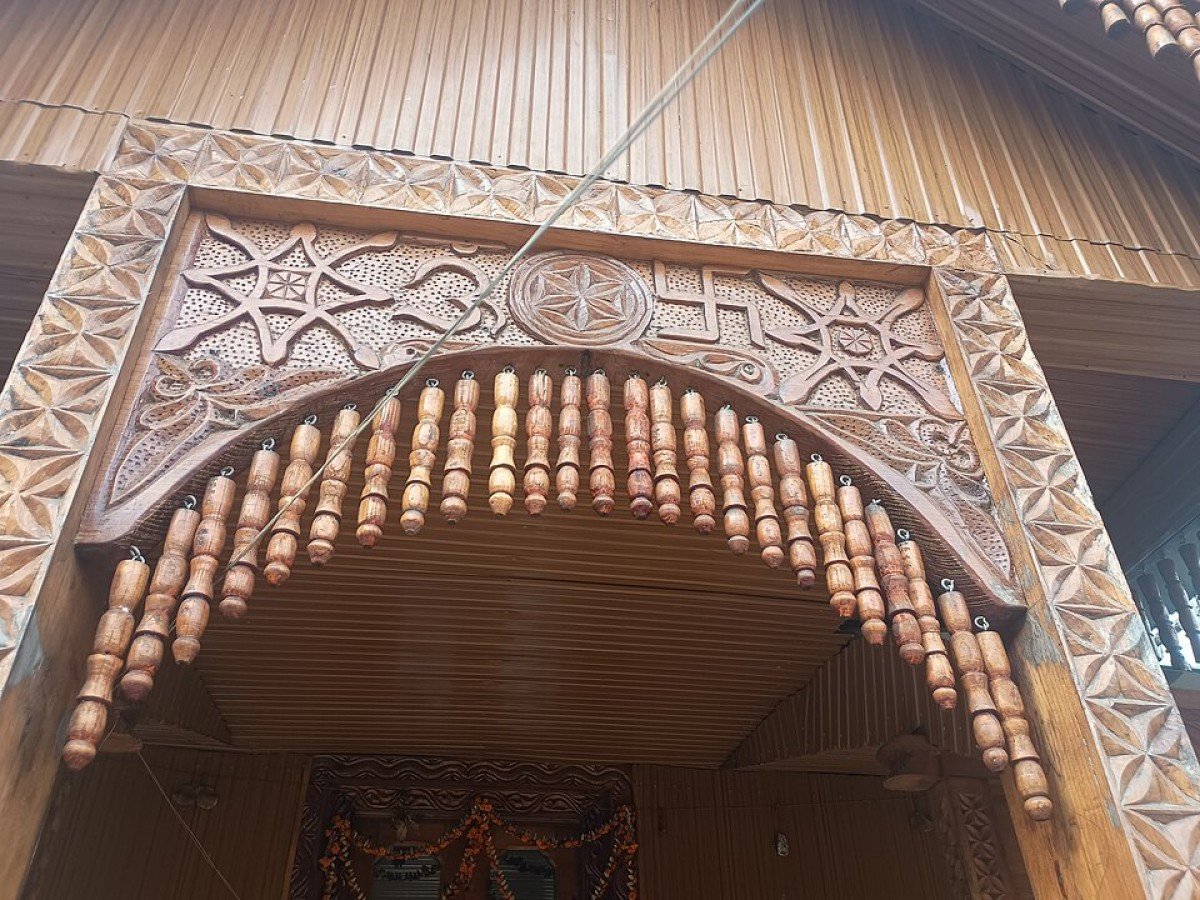
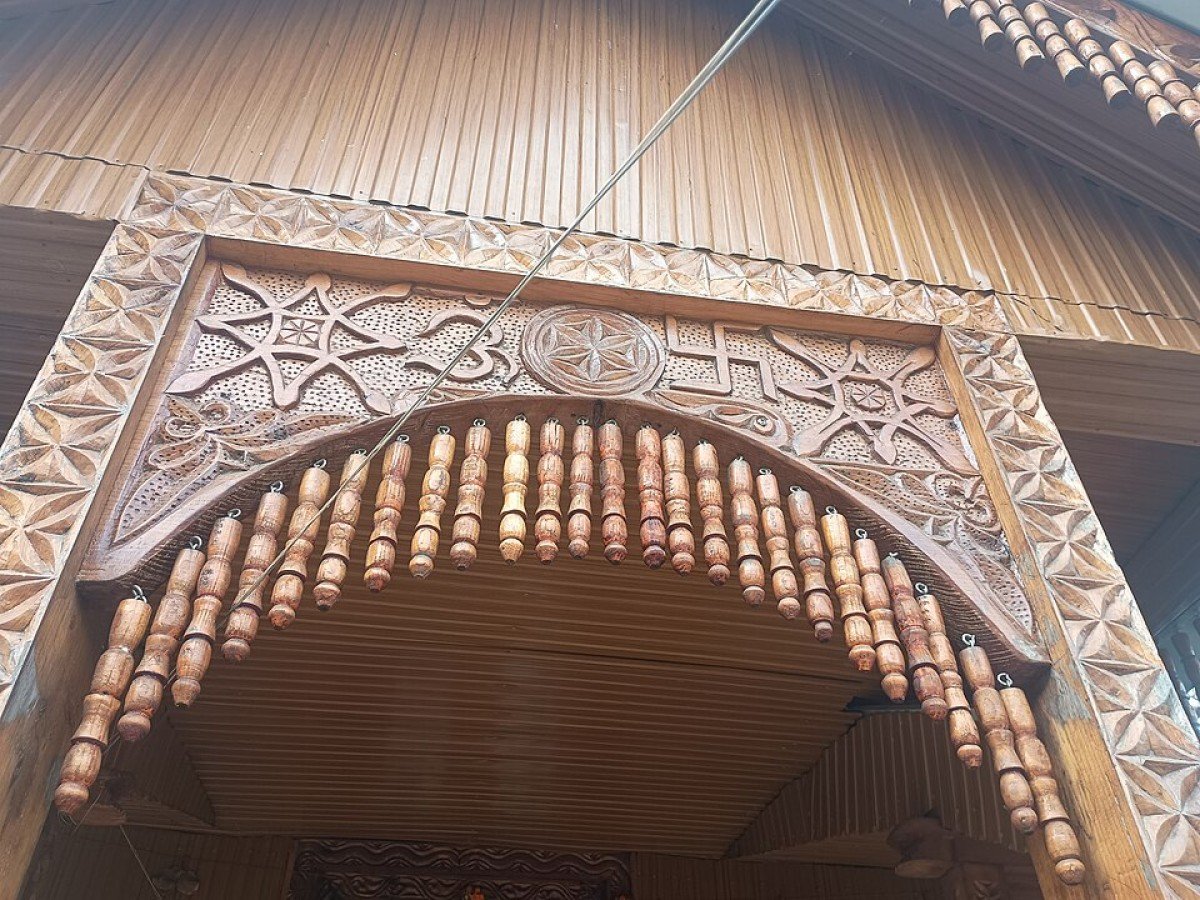
Wooden Carving Facade:: The front wooden facade and the main entrance gate, particularly in the morning light, are excellent for capturing the intricate, highly detailed carvings and the rich texture of the dark deodar wood.
The Tiered Pagoda Ro...Wooden Carving Facade:: The front wooden facade and the main entrance gate, particularly in the morning light, are excellent for capturing the intricate, highly detailed carvings and the rich texture of the dark deodar wood.
The Tiered Pagoda Roof:: Frame the unique four-level Pagoda roof structure against the clear blue sky or the snow-covered peaks in the distance to highlight the rare architectural blend.
Temple Against Nature's Backdrop:: Position yourself slightly away to capture the entire temple structure framed by the massive, tall cedar and pine trees, emphasizing the serene, natural setting and the contrast of wood and greenery.
The Swayambhu Shivlingam Area:: While photography inside the main sanctum is often restricted or discouraged, the stone courtyard and the smaller shrines offer respectful shots of the devotional activities and the ambient spiritual environment.
The Flowing Stream and Benches:: The nearby natural stream and the rustic wooden benches offer charming landscape compositions and peaceful portraits, especially when the light filters through the pine canopy.Photo Gallery
Things To Do
-
Offering Prayers and Seeking Blessings:: The primary activity is offering prayers (Darshan) to the Swayambhu Shivlingam and participating in the daily rituals and Aarti ceremonies conducted by the temple priests in the mornings and evenings.
Studying the Unique Architecture:: Spend time admiring the fusion of Pagoda and Kath Kuni styles. Trace the intricate wood carvings, which tell stories from Hindu mythology and depict local life and flora. Focus on the entrance gate's detailed framework.
Meditating in the Serene Environment:: Utilize the tranquil atmosphere, surrounded by tall pine trees and the soothing sound of the nearby stream, for quiet contemplation, yoga, or meditation, connecting with the spiritual energy of the ancient space.
Nature Walk on the Hadimba...Offering Prayers and Seeking Blessings:: The primary activity is offering prayers (Darshan) to the Swayambhu Shivlingam and participating in the daily rituals and Aarti ceremonies conducted by the temple priests in the mornings and evenings.
Studying the Unique Architecture:: Spend time admiring the fusion of Pagoda and Kath Kuni styles. Trace the intricate wood carvings, which tell stories from Hindu mythology and depict local life and flora. Focus on the entrance gate's detailed framework.
Meditating in the Serene Environment:: Utilize the tranquil atmosphere, surrounded by tall pine trees and the soothing sound of the nearby stream, for quiet contemplation, yoga, or meditation, connecting with the spiritual energy of the ancient space.
Nature Walk on the Hadimba Trail:: Take a short, invigorating nature walk along the road or footpath that connects the temple to the nearby Hadimba Devi Temple, enjoying the crisp mountain air and the dense cedar forest.
Photography of the Temple and Surroundings:: Capture the contrast of the rich brown wooden temple against the green foliage or the snow-capped backdrop, with specific attention to the multi-tiered roof and the artistic wooden friezes.
Learning Local History and Culture:: Interact respectfully with the temple priests or local villagers in the Siyal area to learn about the legends of the temple, the history of the village, and the customs and traditions of the Kullu people.
Exploring the Nearby Market Stalls:: Check out the small stalls set up outside the temple complex selling local handicrafts, religious artifacts like pictures of Shiva and Parvati, flower garlands, and local herbal products, providing a chance to buy authentic souvenirs.
Witnessing the Evening Aarti:: Attend the mesmerizing sunset Aarti when the temple is lit up, and the rhythmic chanting of mantras creates a powerful and deeply spiritual experience, a must-do for cultural enthusiasts.
Picnicking by the Stream:: Find a quiet spot slightly away from the main temple area near the stream to relax and enjoy a small picnic, soaking in the beautiful, peaceful mountain environment.
Observing Local Devotional Practices:: Watch the local devotees perform their Pujas and rituals with great devotion, which can offer profound insight into the local religious life and faith of the Himachali people.
Information
-
Why Famous:
The Self-Manifested Shivling:: Siyali Mahadev Temple is most famous for housing a Swayambhu Shivlingam, a naturally formed lingam believed to have appeared on its own, making it a powerful and highly revered pilgrimage site for Lord Shiva devotees, particularly during Maha S...The Self-Manifested Shivling:: Siyali Mahadev Temple is most famous for housing a Swayambhu Shivlingam, a naturally formed lingam believed to have appeared on its own, making it a powerful and highly revered pilgrimage site for Lord Shiva devotees, particularly during Maha Shivaratri.
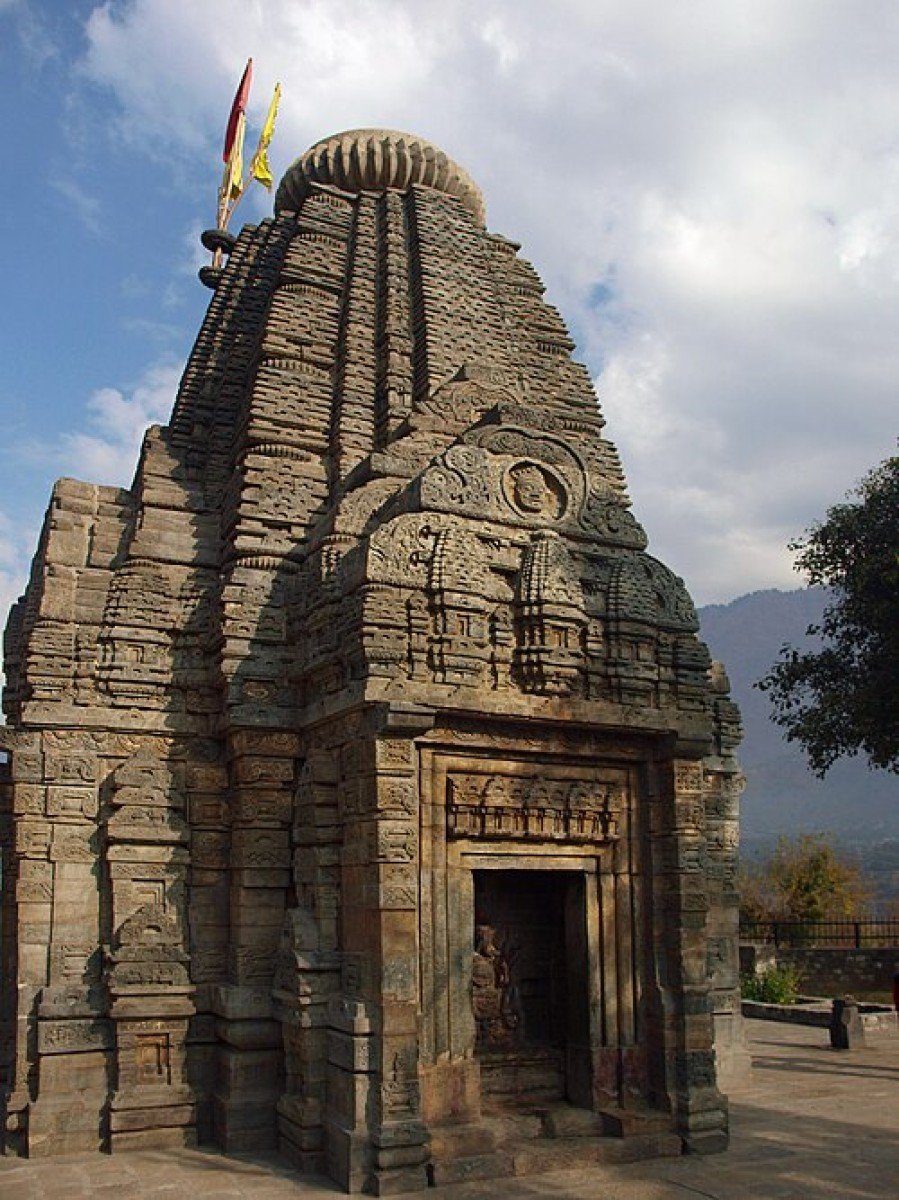
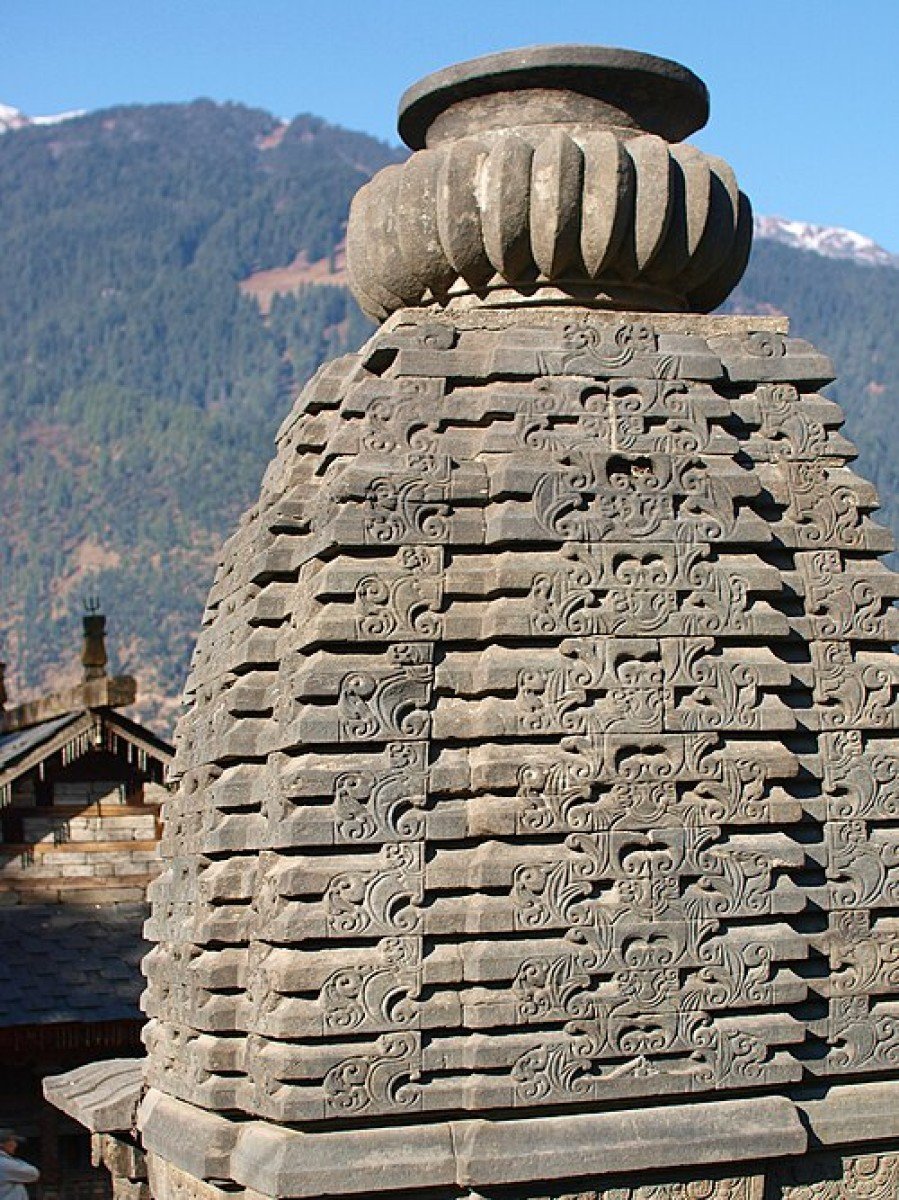
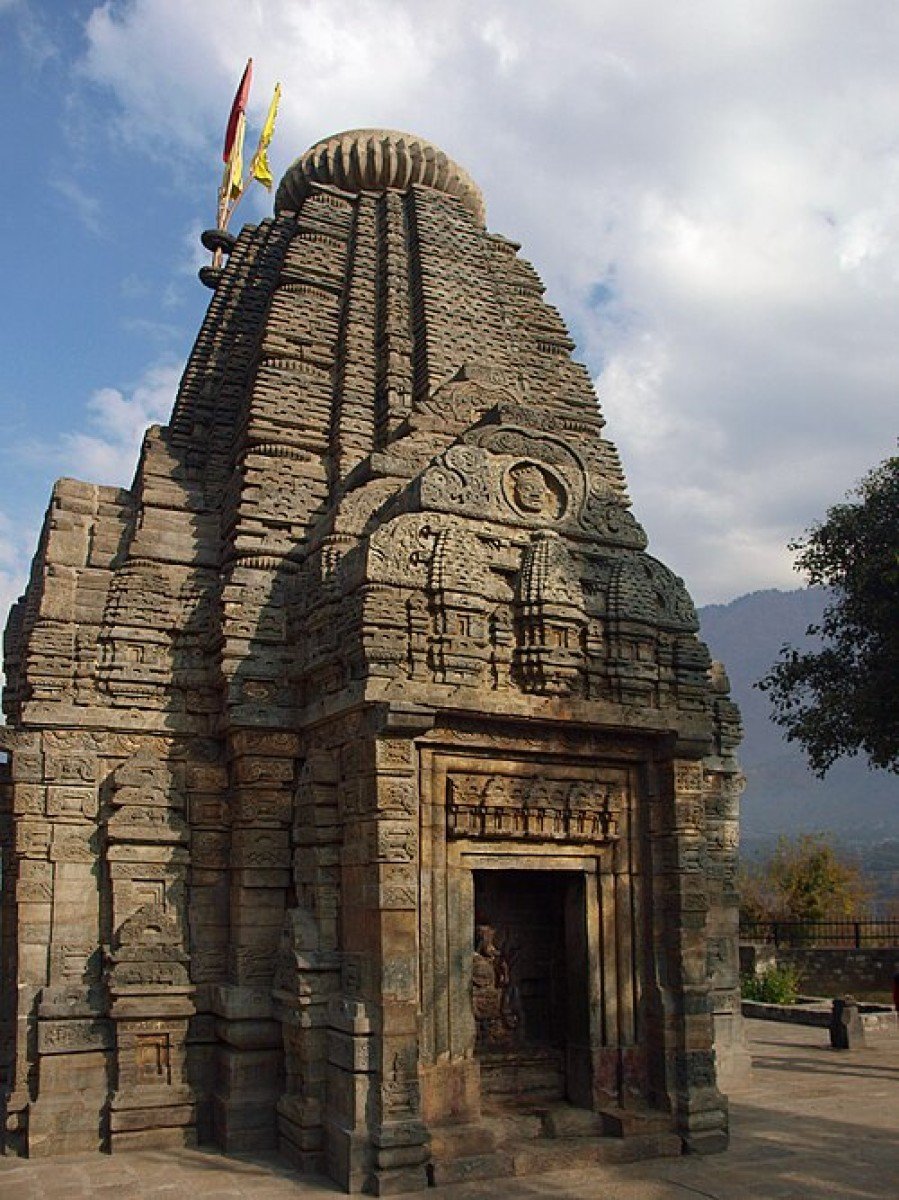
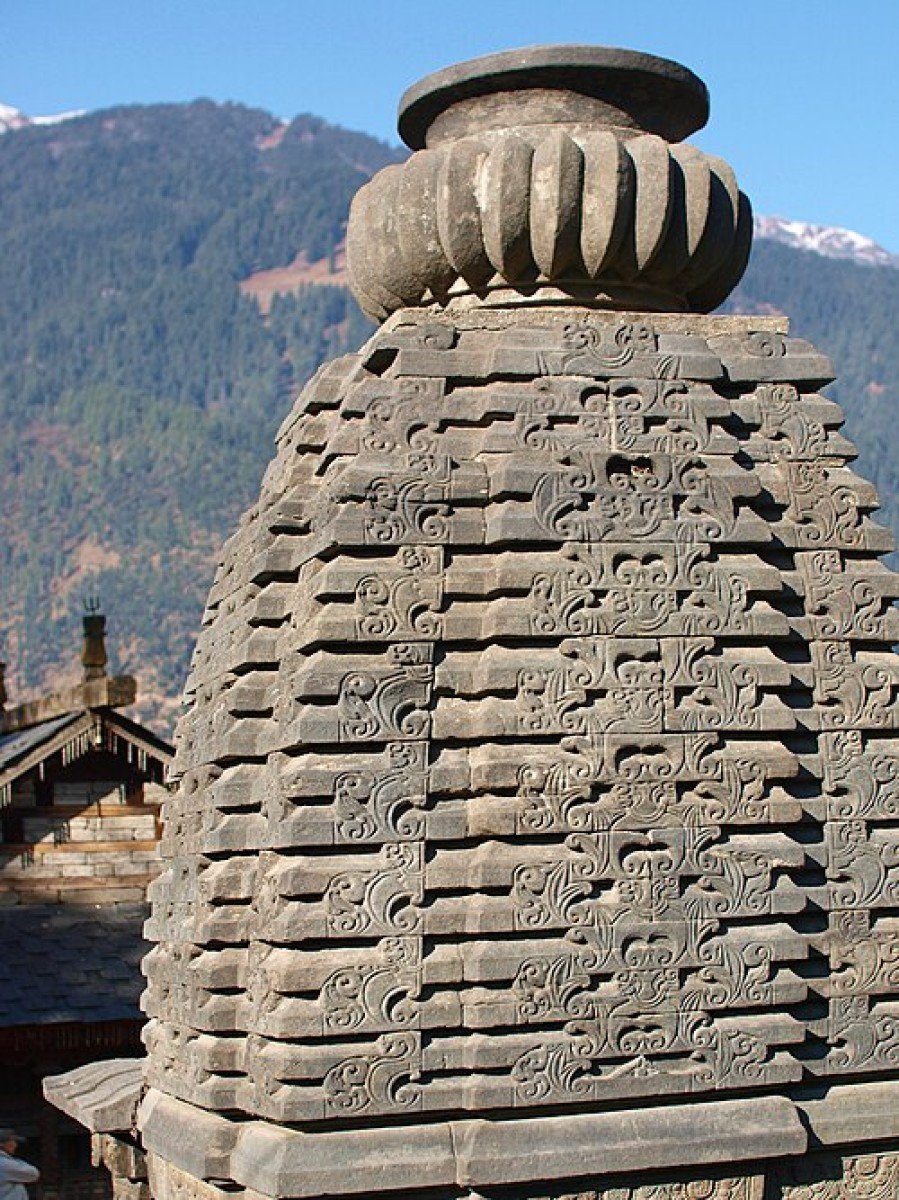
Unique Architectural Synthesis:: It is renowned for its rare architectural style, combining the native stone and wood construction of Kath Kuni with the tiered roof of the Pagoda style, creating a visually distinct and historically significant structure in the Himalayas.
Proximity to Manali's Center:: Its convenient location, very close to the Mall Road yet surrounded by peaceful nature, makes it easily accessible for tourists and a popular first stop on a local sightseeing itinerary. -
Architecture:
Blend of Styles:: The architecture of Siyali Mahadev Temple is a unique and captivating mix of indigenous Himachali Kath Kuni style, characterized by the use of deodar wood and stone, and a tiered Pagoda style, which is less common for Shiva temples in the immediate region. ...Blend of Styles:: The architecture of Siyali Mahadev Temple is a unique and captivating mix of indigenous Himachali Kath Kuni style, characterized by the use of deodar wood and stone, and a tiered Pagoda style, which is less common for Shiva temples in the immediate region.
Intricate Wood Carvings:: The temple structure is primarily made of wood, standing on a sturdy foundation of stone. The most notable features are the intricate carvings on the wooden walls, the entrance gate, and the pillars. These carvings depict mythological figures, various deities, floral patterns, and scenes of common life, showcasing the exquisite craftsmanship of local artisans. The roof, especially at the rear, features four distinct Pagoda levels, signifying a unique blend of architectural influences. The main structure likely features a square or rectangular base typical of Himalayan temples. The use of robust timber construction ensures its resilience against heavy snowfall and seismic activity, reflecting centuries of local engineering knowledge.
Aesthetic Dimension:: The rich, dark brown color of the aged deodar wood provides a warm, rustic aesthetic that perfectly complements the mountain backdrop. Though specific dimensions are not public, the structure is relatively compact but vertically imposing due to its tiered roof, often measuring approximately 8 to 10 meters in height to the top tier, with a base of about 10x10 meters. The presence of a small stream nearby enhances the overall tranquil and natural design. -
How To Reach:
By Air (Closest Airport):: The nearest airport is Kullu-Manali Airport (Bhuntar Airport - KUU), located approximately 50 KMS away. From the airport, one can hire a pre-paid taxi or a private cab directly to the temple premises in Siyal, which takes about 1. 5 to 2 hours.By Air (Closest Airport):: The nearest airport is Kullu-Manali Airport (Bhuntar Airport - KUU), located approximately 50 KMS away. From the airport, one can hire a pre-paid taxi or a private cab directly to the temple premises in Siyal, which takes about 1. 5 to 2 hours.
By Train (Nearest Major Stations):: There is No Direct Railway Station in Manali. The closest major railway stations are Joginder Nagar Railway Station (approx. 145 KMS) or Kalka Railway Station (approx. 280 KMS). From either station, one must take a state transport bus or hire a taxi/cab to reach Manali, and then a local transport to the temple.
By Road (Bus/Car):: The temple is easily accessible by road, situated on the Hadimba Temple Road just off the Manali Mall Road. State-run HRTC buses and private Volvo buses frequently run from major cities like Delhi, Chandigarh, and Shimla to the main Manali Bus Stand. From the bus stand, the temple is a short 1. 5 KMS ride or a pleasant 15-20 minute walk.
By Local Transport:: Taxis, auto-rickshaws, and local electric rickshaws are readily available throughout Manali and can take you directly to the temple's entrance from any part of the town for a minimal fare, making it the easiest last-mile connectivity option. -
Weather and Best Time to Visit:
Different Seasons (General View):: Summer (March-June) offers pleasant weather for a comfortable visit and clear views. Monsoon (July-September) is lush but can have slippery paths. Autumn (October-November) provides clear skies and mild cold, which is excellent. Winter (...Different Seasons (General View):: Summer (March-June) offers pleasant weather for a comfortable visit and clear views. Monsoon (July-September) is lush but can have slippery paths. Autumn (October-November) provides clear skies and mild cold, which is excellent. Winter (December-February) is beautiful with snow, but the road can be chilly.
Different Parts of the Day (Ideal Time):: Early Morning is the absolute best time for seeking tranquility, deep meditation, attending the first Aarti, and capturing photographs in soft, golden light. Late Afternoon is also a good option for a peaceful visit as the main tourist rush of the day subsides, leading up to the Evening Aarti. Mid-Day is the busiest time, best avoided for deep spiritual experiences. -
Near Tourist Places:
Hadimba Devi Temple (0. 8 KM), Museum of Himachal Culture & Folk Art (0. 7 KM), Dhungri Van Vihar (1 KM), Old Manali (2 KM), Manu Temple (3 KM), Vashisht Hot Springs & Temple (3. 5 KM), Mall Road (Manali center) (1. 5 KM), Jogini Falls (4 KM - trek start point), Himalayan Nyingmapa Buddhist Temple (1. 8 KM), Solang Valley (14 KM).
Tourism Tips
-
Health & Safety:: Wear comfortable, non-slippery footwear, especially during Monsoon or Winter (snow). Be mindful of your steps around the stone paths. Carry a small personal first-aid kit. Drink bottled water.
Packing Essentials:: Since ...Health & Safety:: Wear comfortable, non-slippery footwear, especially during Monsoon or Winter (snow). Be mindful of your steps around the stone paths. Carry a small personal first-aid kit. Drink bottled water.
Packing Essentials:: Since it's a temple, dress modestly and respectfully, covering shoulders and legs. Carry a light jacket or shawl even in summer for the cool temple environment. Remember your camera for the exterior architecture.
Accommodation:: Staying in hotels near Hadimba Temple Road or in Siyal village offers proximity. Many budget-friendly and mid-range options are available nearby, often offering great views due to the elevation.
Cultural Respect:: Remove your shoes before entering the inner sanctum. Photography is generally prohibited inside the main temple area. Maintain silence and respect the ongoing prayers and rituals. Avoid touching the ancient wood carvings.
Visiting During Aarti:: Plan your visit to coincide with the Morning or Evening Aarti for a powerful cultural experience, arriving at least 15-20 minutes early to secure a good spot.
Reviews
FAQs
Manali Itineray And Cost:-
Siyali Mahadev Temple Tourism:-
Other Places In Manali :-
Other States In India :-
Information about New and Updated Locations() of Himachal Pradesh Has Been Added :-
Card subtitle
Note:-
Information provided here in good Faith and for reference only.
Near Places

Anjani Mahadev Temple
Some quick example text to build on the card title and make up the bulk of the card's content.
Go somewhere
Arjun Gufa
Some quick example text to build on the card title and make up the bulk of the card's content.
Go somewhere
Atal Tunnel
Some quick example text to build on the card title and make up the bulk of the card's content.
Go somewhere
Beas Kund
Some quick example text to build on the card title and make up the bulk of the card's content.
Go somewhere
Beas River
Some quick example text to build on the card title and make up the bulk of the card's content.
Go somewhere
Club House
Some quick example text to build on the card title and make up the bulk of the card's content.
Go somewhere
Jana Waterfall
Some quick example text to build on the card title and make up the bulk of the card's content.
Go somewhere
Jogini Waterfall
Some quick example text to build on the card title and make up the bulk of the card's content.
Go somewhere
Kothi Village
Some quick example text to build on the card title and make up the bulk of the card's content.
Go somewhere
Mall Road
Some quick example text to build on the card title and make up the bulk of the card's content.
Go somewhere
Manali Wildlife Sanctuary
Some quick example text to build on the card title and make up the bulk of the card's content.
Go somewhere
Manu Temple
Some quick example text to build on the card title and make up the bulk of the card's content.
Go somewhere
Marhi
Some quick example text to build on the card title and make up the bulk of the card's content.
Go somewhere
Museum of Himachal Culture & Folk Art
Some quick example text to build on the card title and make up the bulk of the card's content.
Go somewhere
Nicholas Roerich Art Gallery
Some quick example text to build on the card title and make up the bulk of the card's content.
Go somewhere
Old Manali
Some quick example text to build on the card title and make up the bulk of the card's content.
Go somewherein Other Cities