


Marine Aquarium & Regional Centre
General information
-
Ideal Duration:
1 to 2 HoursPlace Type:
Aquarium, Museum, Research Centre, Educational AEntry Fees:
Standard Entry Ticket Price: The Marine Aquarium & Regional Centre (MARC) charges a very nominal and affordable Entry Fee for general visitors. The fee is typically low (e. g. , around Rs.5 to Rs.10 per person, though this can change) and is used to cover the basic maintenance ...Standard Entry Ticket Price: The Marine Aquarium & Regional Centre (MARC) charges a very nominal and affordable Entry Fee for general visitors. The fee is typically low (e. g. , around Rs.5 to Rs.10 per person, though this can change) and is used to cover the basic maintenance and operational costs of the public-facing areas. This minimal fee ensures that the center remains accessible to everyone, including students and large families.
Photography and Filming Charges: Personal Photography inside the live animal exhibit section is usually prohibited, especially with flash, to protect the delicate marine life. Using professional cameras for commercial purposes is strictly regulated and requires special, often expensive, permits from the authorities. However, personal mobile phone photography may be permitted in certain non-sensitive areas, but the use of flash is strongly discouraged/prohibited.
Special Access and Group Booking Fees: For large educational groups, such as school or college tours, the center often offers a concessional or special group rate. Researchers and scientists who need access to the research library or specimen collections for official study must often register and pay a specific, higher research fee, which is entirely separate from the public entry charge.Timing:
Regular Opening and Closing Times: The Marine Aquarium & Regional Centre (MARC) is open to the public on all days except Tuesday (which is usually a mandatory maintenance day). The regular operating hours are generally from 10:00 AM to 6:00 PM. Visitors must adhere to thes...Regular Opening and Closing Times: The Marine Aquarium & Regional Centre (MARC) is open to the public on all days except Tuesday (which is usually a mandatory maintenance day). The regular operating hours are generally from 10:00 AM to 6:00 PM. Visitors must adhere to these strict timings, as entry is closed exactly at the published time.
Weekly Holiday Rule: It is crucial for tourists to remember that the center is Closed on Every Tuesday. This is a standard and fixed weekly maintenance day across many institutions. Planning your visit to Digha to avoid a Tuesday if you wish to see the aquarium is advisable. Additionally, the timings might be slightly reduced or changed during major national holidays, so a quick check before the visit is recommended.
Ideal Visit Time and Duration: The Ideal Visit Time is right after the opening, around 10:00 AM to 11:00 AM, or in the late afternoon, around 3:00 PM to 4:00 PM. This helps avoid the peak midday rush, especially during the holiday season, making the viewing experience more relaxed and less congested. The recommended time to spend inside the center is about 1. 5 to 2 hours, which is sufficient to see all the tanks, the museum, and the whale skeleton at a comfortable pace.Special Events:
National Science Day and Awareness Programs: As a major scientific institution under the Zoological Survey of India (ZSI), MARC actively participates in national-level science outreach. They often host special events and programs on days like National Science Day (February ...National Science Day and Awareness Programs: As a major scientific institution under the Zoological Survey of India (ZSI), MARC actively participates in national-level science outreach. They often host special events and programs on days like National Science Day (February 28th) and World Oceans Day (June 8th). These events usually feature special educational lectures, interactive sessions, documentary screenings, and workshops focused on marine conservation, climate change effects on coastal life, and local biodiversity. These are excellent opportunities for students and the general public to engage with scientists and gain specialized knowledge.
Occasional Temporary Exhibits and School Programs: The museum wing periodically organizes temporary exhibits that focus on specific aspects of marine biology, such as the life cycle of turtles or the importance of mangrove ecosystems. Additionally, the center runs regular, structured educational programs for local schools and colleges. If a visitor is in Digha during one of these special focused days or weeks, they will get a much richer, specialized experience beyond the general public viewing of the tanks.Best Photo Spots:
The Bryde's Whale Skeleton: Without a doubt, the most spectacular photo spot is the giant, suspended Bryde's whale skeleton in the museum. The sheer scale of the skeleton, articulated and hung from the ceiling, is perfect for a dramatic photograph that captures the enormity...The Bryde's Whale Skeleton: Without a doubt, the most spectacular photo spot is the giant, suspended Bryde's whale skeleton in the museum. The sheer scale of the skeleton, articulated and hung from the ceiling, is perfect for a dramatic photograph that captures the enormity of the creature. Use the height and the lighting to your advantage, ensuring the entire structure is framed to emphasize its size in relation to the people viewing it.
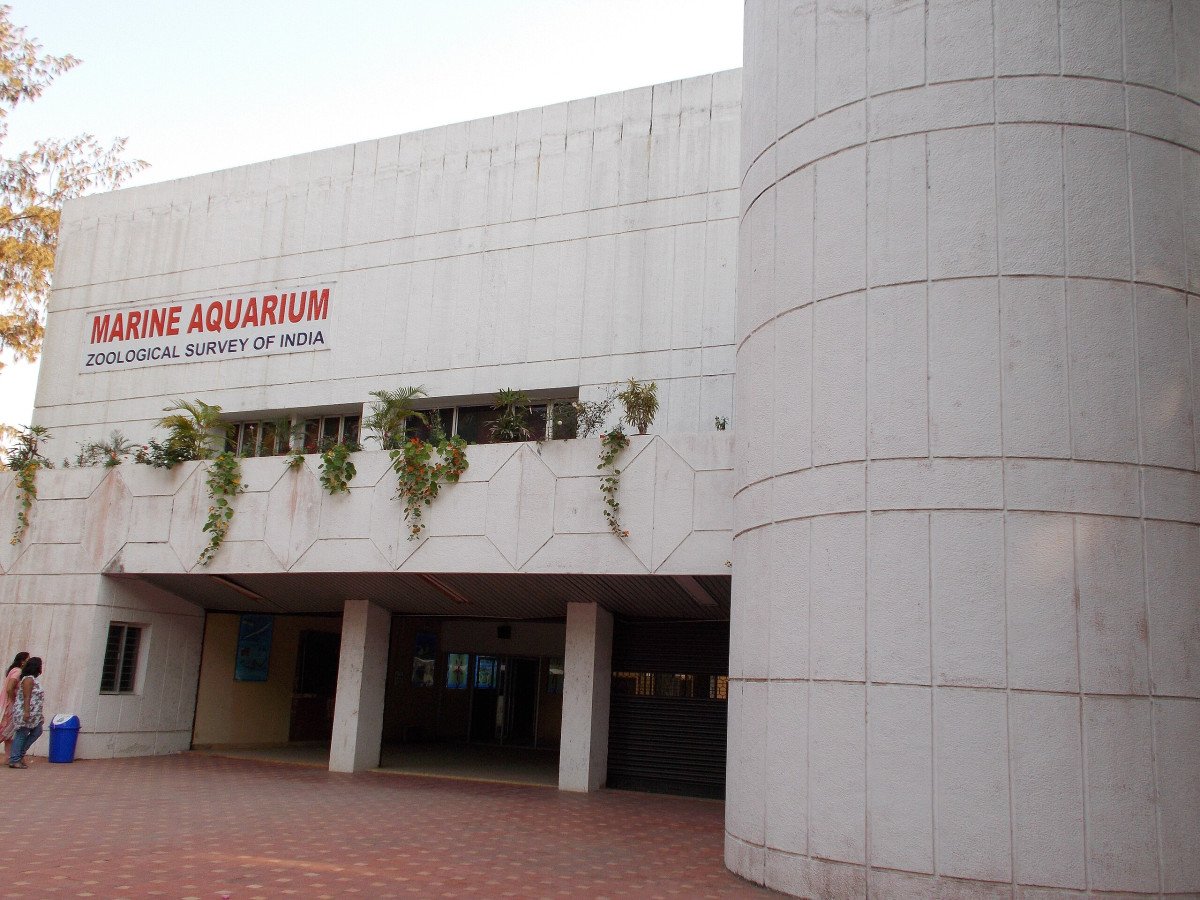
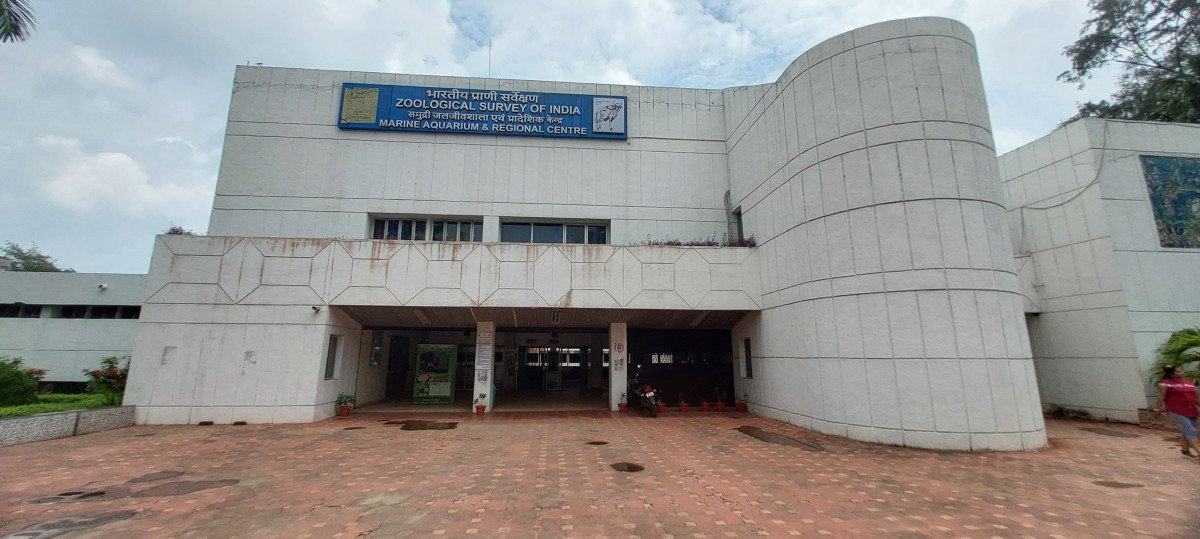
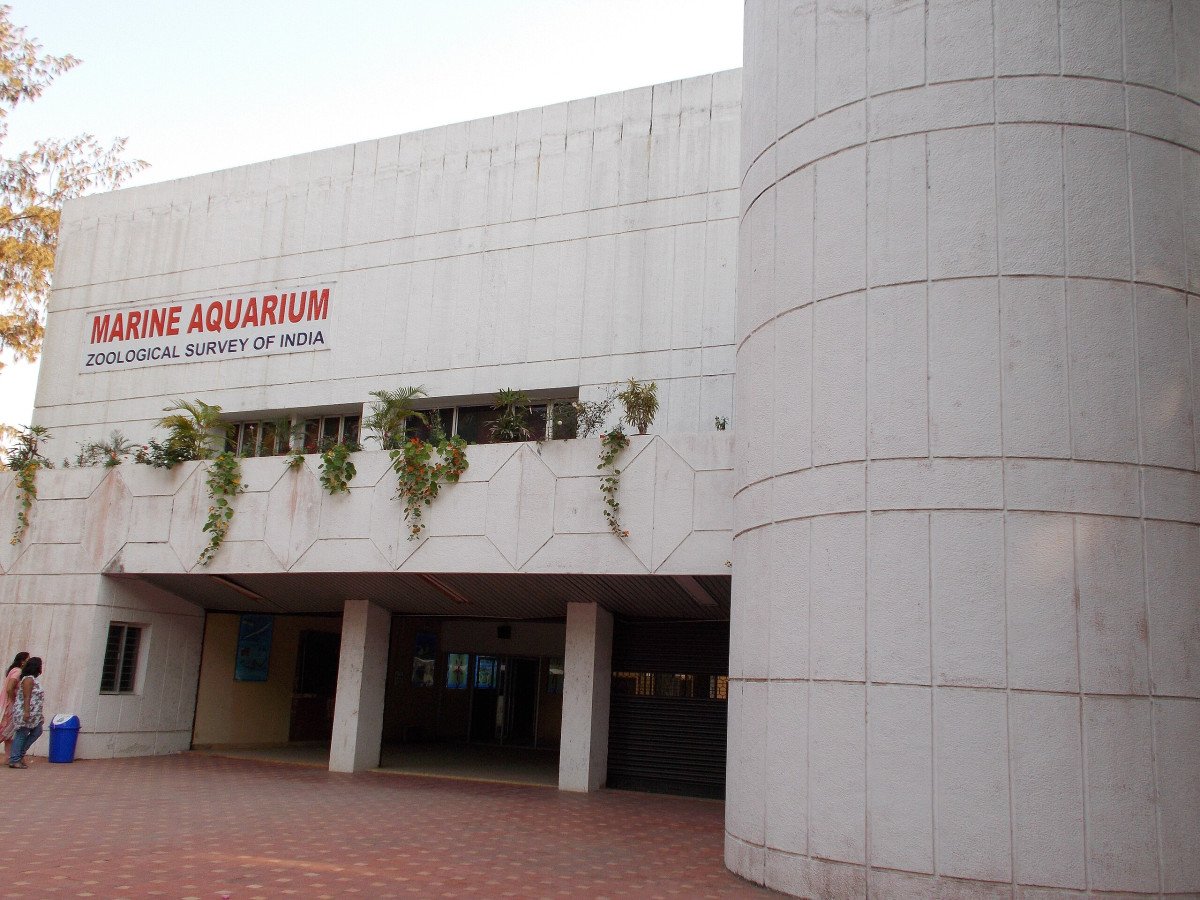
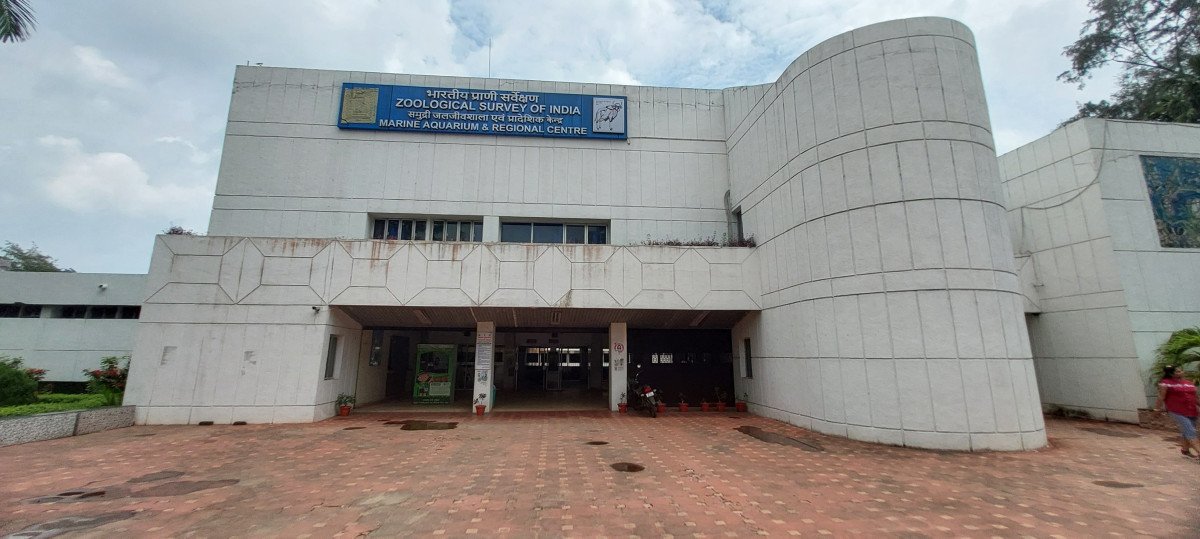
External Building Faade: The main entrance and the front faade of the MARC building, often marked with large signboards and sometimes featuring external marine-themed art, is the best spot for a typical tourist photograph. This allows visitors to capture the name and the location of the center for a record of their visit. The surrounding landscaping is often well-maintained, providing a clean, pleasant backdrop.
The Tank Viewing Windows (Limited Permission): Though strictly regulated to protect the fish from flash and disturbance, taking photos (without flash, often with a mobile phone) of the various live exhibits is a popular, yet challenging, photo opportunity. Focusing on the most colorful or unusual species, such as the Lionfish or the Sea Anemones, through the glass can yield beautiful, vibrant images that showcase the life within the Bay of Bengal.
The Educational Dioramas: The museum contains various well-crafted dioramas illustrating different coastal environments, such as a mock-up of the Sundarbans mangrove ecosystem. These three-dimensional scenes are excellent for detailed, informative photographs that tell a story about the local environment. They are static, well-lit, and offer a great alternative to the restrictions on photographing the live tanks.Photo Gallery

Things To Do
-
Observing Diverse Marine Life in the Tanks: The primary activity is spending time observing the various species in the numerous glass tanks. Take a guided or self-guided tour through the marine and freshwater sections, stopping to read the educational placards. Look out for the slow-moving sea anemones, the vibrant colors of the butterfly fish and clown fish, and the unique camouflage of the scorpion fish. Try to spot the iconic horse-shoe crab, a living fossil of the marine world.
Exploring the Marine Museum and Whale Skeleton: Dedicate a significant portion of your time to the museum section. Marvel at the sheer size of the articulated Bryde's whale skeleton. Examine the preserved specimens of various invertebrates and vertebrates, including shells and corals. The museum also contains informative dioramas and displays th...
Information
-
Why Famous:
Home to India's Largest In-Built Aquarium: MARC is renowned for housing one of the largest in-built public marine aquariums in India. This scale allows the center to display an extensive and diverse range of both coastal marine life from the Bay of Bengal and exotic ornamen...Home to India's Largest In-Built Aquarium: MARC is renowned for housing one of the largest in-built public marine aquariums in India. This scale allows the center to display an extensive and diverse range of both coastal marine life from the Bay of Bengal and exotic ornamental fish from around the world. The sheer volume and number of tanks make it a prime destination for marine enthusiasts and students, placing it on the map as a key educational and recreational facility on the East Coast.
A Critical Centre for Marine Research: Its fame extends beyond tourism, as it is a crucial Regional Centre of the Zoological Survey of India (ZSI). This means it is actively involved in significant scientific research, exploration, and conservation projects focused on the aquatic flora and fauna of the region. This research capacity and its role in protecting biodiversity elevate its importance from a mere tourist spot to a national scientific asset.
The Bryde's Whale Skeleton Display: A truly famous and unique exhibit is the massive, fully articulated skeleton of a Bryde's whale displayed in the museum section. This colossal skeleton, over 40 feet in length, offers a spectacular visual representation of the size of the ocean's largest creatures. It serves as a powerful symbol of marine biodiversity and conservation, making it a favorite and memorable exhibit for visitors. -
Architecture:
Functional Research and Public Exhibition Structure: The architecture of MARC is primarily functional and modern, designed to efficiently house sensitive research laboratories, a massive number of marine specimens, and public exhibition areas. The main building is a substantial two-story concrete s...Functional Research and Public Exhibition Structure: The architecture of MARC is primarily functional and modern, designed to efficiently house sensitive research laboratories, a massive number of marine specimens, and public exhibition areas. The main building is a substantial two-story concrete structure with a focus on interior space utilization. The architectural layout includes dedicated zones for the research wing, a library, the museum, and the large public aquarium area. The design ensures climate control and stable environmental conditions essential for the survival of the aquatic life and the preservation of biological specimens.
The Aquatic Tank Design and Dimensions: The heart of the building is the large public aquarium, which features numerous tanks. The architectural design of the tank area is a critical component. The center boasts over 22 large marine tanks, many of which are designed with a capacity of approximately 8,000 liters each, with dimensions often being around 15 feet long by 5 feet wide by 5 feet high. There are also a couple of extra-large tanks with a capacity of up to 14,000 liters. The tanks utilize a sophisticated filtration and seawater circulation system, which is the most complex engineering aspect of the structure, ensuring optimal water quality and temperature. The viewing panels are thick, durable acrylic or glass, designed for maximum viewing pleasure and structural integrity under immense water pressure. -
How To Reach:
By Air: The nearest major airport is the Netaji Subhas Chandra Bose International Airport (CCU) in Kolkata, approximately 180 - 200 KMS away. From the airport, one would take a taxi or bus directly to New Digha. Since MARC is centrally located in New Digha, the taxi driver... -
Near Tourist Places:
1.
New Digha Beach: Approx. 0. 5 KMS (The main, well-maintained beach). 2.
Digha Science Centre & National Science Camp: Approx. 1. 5 KMS (Interactive science museum). 3.
Amrabati Park, New Digha: Approx. 1. 5 KMS (Lush park with boating facilities). 4.
Old Digha Beach: Approx. 3 KMS (The original, rocky beach with a sea wall). 5.
Digha Mohona Watch Point: Approx. 4 KMS (Confluence of River and Sea, famous for fish market). 6.
Shankarpur Beach: Approx. 15 KMS (A quieter, picturesque beach with a fishing harbor). 7.
Tajpur Beach: Approx. 20 KMS (Known for red crabs and a tranquil vibe). 8.
Mandarmani Beach: Approx. 25 KMS (Famous for its motorable beach and water sports). 9.
Talsari Beach (Odisha Border): Approx. 9 KMS (Serene estuary beach with red crabs). 10.
Chandaneswar Temple: Approx. 13 KMS (Revered ancient Shiva temple in Odisha).
Tourism Tips
-
Health & Safety Precautions: The center is an indoor facility, making health and safety relatively easy. Always follow the staff's instructions, especially regarding touching the tanks or using flash photography, as these rules are for the safety and health of the marine li...
Reviews
Marine Aquarium & Regional Centre Tourism:-
Information about New and Updated Locations(575+) of West Bengal Has Been Added :-
Card subtitle
Note:-
Information provided here in good Faith and for reference only.
All information and pictures will be updated soon, please keep visiting.
Near Places

Amarabati Park
Some quick example text to build on the card title and make up the bulk of the card's content.
Go somewhere
Chandaneswar Temple
Some quick example text to build on the card title and make up the bulk of the card's content.
Go somewhere
Chandpur Beach
Some quick example text to build on the card title and make up the bulk of the card's content.
Go somewhere
Dheu Sagar Park
Some quick example text to build on the card title and make up the bulk of the card's content.
Go somewhere
Digha Gate
Some quick example text to build on the card title and make up the bulk of the card's content.
Go somewhere
Digha Mohona
Some quick example text to build on the card title and make up the bulk of the card's content.
Go somewhere
Digha Mohona Watch Point
Some quick example text to build on the card title and make up the bulk of the card's content.
Go somewhere
Digha Science Centre
Some quick example text to build on the card title and make up the bulk of the card's content.
Go somewhere
Marine Aquarium & Regional Centre
Some quick example text to build on the card title and make up the bulk of the card's content.
Go somewhere
Nehru Market
Some quick example text to build on the card title and make up the bulk of the card's content.
Go somewherein Other Cities