

Nehru Planetarium
General information
-
Ideal Duration:
1 to 2 Hours (Including Show Time)Place Type:
Science and Education; PlanetariumEntry Fees:
Approximately Rs.8 to Rs.10 per person for entry and the show. Fees are very low to ensure maximum public access to scientific knowledge. :
Group/Student Fees: Highly subsidized rates, or sometimes free entry, may be offered for organized school groups. Always check fo...Approximately Rs.8 to Rs.10 per person for entry and the show. Fees are very low to ensure maximum public access to scientific knowledge. :
Group/Student Fees: Highly subsidized rates, or sometimes free entry, may be offered for organized school groups. Always check for the current, exact fee structure, which can change. :
Additional Fees: There are typically no additional charges for personal photography or separate exhibits within the complex. :Timing:
Regular Timings: Generally open from 9:00 AM to 12:00 PM and 3:00 PM to 6:00 PM (with a midday break). Show timings are fixed and must be checked in advance. :
Ideal Visit Time: The best time is the Afternoon (3:00 PM onwards), especially on ...Regular Timings: Generally open from 9:00 AM to 12:00 PM and 3:00 PM to 6:00 PM (with a midday break). Show timings are fixed and must be checked in advance. :
Ideal Visit Time: The best time is the Afternoon (3:00 PM onwards), especially on hot days, as it offers a cool, engaging indoor activity. Weekday mornings often see large student groups. :
Closure: Usually closed on Mondays and national holidays. Confirm the exact day of closure before planning your trip. :Special Events:
National Science Day: Special shows, lectures, and interactive sessions are often organized on February 28th to celebrate National Science Day, drawing a larger crowd of students and researchers. :
Astronomy-Related Events: The planetarium may...National Science Day: Special shows, lectures, and interactive sessions are often organized on February 28th to celebrate National Science Day, drawing a larger crowd of students and researchers. :
Astronomy-Related Events: The planetarium may host special screenings or public lectures during major astronomical events like eclipses, meteor showers, or the passing of comets, providing real-time, expert commentary. :Best Photo Spots:
The Dome Interior: Capture a photograph of the empty or partially filled seating area looking up at the projection dome (before or after a show), highlighting the immersive architecture of the theater. :
The External Facade: The building's sim...The Dome Interior: Capture a photograph of the empty or partially filled seating area looking up at the projection dome (before or after a show), highlighting the immersive architecture of the theater. :
The External Facade: The building's simple, mid-century architectural style offers a clean, graphic photo opportunity, especially if the dedicated plaque or sign is included in the frame. :
Lobby Educational Displays: A close-up shot of one of the unique historical or astronomical panels in the lobby, focusing on the blend of science and history, is a good photo choice. :Photo Gallery
Things To Do
-
Attending the Show: The primary activity is watching the immersive shows projected onto the dome. These shows cover topics like the solar system, constellations, space exploration, and cosmic phenomena. Check the show timings and language beforehand. :
Viewing the Exhibits: Explore the educational panels and static exhibits in the lobby, which provide supplementary information on astronomy, Indian space research, and potentially the history of the Non-Cooperation Movement. :
Group Learning: The planetarium is an excellent place for organized school trips. Joining a group can sometimes allow access to special Q&A sessions or talks by the staff, enhancing the educational experience. :
Stargazing (if organized): Inquire if the planetarium organizes any evening or night...Attending the Show: The primary activity is watching the immersive shows projected onto the dome. These shows cover topics like the solar system, constellations, space exploration, and cosmic phenomena. Check the show timings and language beforehand. :
Viewing the Exhibits: Explore the educational panels and static exhibits in the lobby, which provide supplementary information on astronomy, Indian space research, and potentially the history of the Non-Cooperation Movement. :
Group Learning: The planetarium is an excellent place for organized school trips. Joining a group can sometimes allow access to special Q&A sessions or talks by the staff, enhancing the educational experience. :
Stargazing (if organized): Inquire if the planetarium organizes any evening or night-time stargazing sessions using telescopes outside the dome, which occasionally happens during special astronomical events or school camps. :
Learning the History: Take time to understand the unusual dedication of the planetarium, contemplating the connection between scientific curiosity and the drive for national progress and independence. :
Information
-
Why Famous:
Educational Importance: It is famous as a rare and significant institution in the region dedicated exclusively to science popularization and astronomical education. It provides an accessible, immersive environment for learning about the cosmos, which is a major draw for sch...Educational Importance: It is famous as a rare and significant institution in the region dedicated exclusively to science popularization and astronomical education. It provides an accessible, immersive environment for learning about the cosmos, which is a major draw for school groups and science-curious tourists. :
Non-Cooperation Link: Its unique dedication to the Non-Cooperation Movement (a connection often highlighted in local guides) gives it a distinctive historical link, distinguishing it from other planetariums whose fame is purely scientific. : -
Architecture:
Dome and Seating: The core structure is characterized by its large, hemispherical dome theater. The dome has a diameter of approximately 8. 0 meters, necessary for the projection of the celestial sphere. The theater typically features around 80 seats, arranged in concentri...Dome and Seating: The core structure is characterized by its large, hemispherical dome theater. The dome has a diameter of approximately 8. 0 meters, necessary for the projection of the celestial sphere. The theater typically features around 80 seats, arranged in concentric circles or rows, all focused upwards towards the projection screen. The technical equipment originally included a ZEISS ZKP1 optical system, a type of projector designed to display accurate movements of stars and planets. The exterior architecture is simple and functional, designed to house the dome structure, which is the functional heart of the building, with a modest, educational-style facade. :
Layout:
The layout is simple: a reception/ticket area, a lobby with display panels, and the main projection chamber, ensuring easy visitor flow and focus on the show. : -
How To Reach:
By Air: Porbandar Airport (PBD) is the nearest (approx 5 KMS). Take an auto-rickshaw or taxi directly to the location on Pass Road. :
By Train: Porbandar Railway Station (PBR) is about 3 KMS away. The location is well-known locally as Tara M...By Air: Porbandar Airport (PBD) is the nearest (approx 5 KMS). Take an auto-rickshaw or taxi directly to the location on Pass Road. :
By Train: Porbandar Railway Station (PBR) is about 3 KMS away. The location is well-known locally as Tara Mandir; use this name with local transport operators. :
By Road: It is situated in the Khapat locality. Easily reachable by all forms of private and public transport within the city. Follow signs for Pass Road. :
By Local Transport: A quick and inexpensive auto-rickshaw ride from the city center will take you directly to the planetarium. Ensure you arrive slightly before the show's scheduled start time. : -
Weather and Best Time to Visit:
Different Types of Seasons: Winter (October to March) provides comfortable travel to and from the site. Summer (April to June) makes the midday break essential. The planetarium itself is a great retreat from the heat. :
Different Parts of the Da...Different Types of Seasons: Winter (October to March) provides comfortable travel to and from the site. Summer (April to June) makes the midday break essential. The planetarium itself is a great retreat from the heat. :
Different Parts of the Day: The Afternoon is ideal for the show, as it aligns with typical operating hours and provides an escape from the heat, or any time a scheduled show is available. : -
Near Tourist Places:
Jubeli Bridge (2-3 KMS), Kirti Mandir (3. 1 KMS), Sudama Mandir (2. 7 KMS), Rani Baug Park (2. 7 KMS), Satyanarayan Mandir (1 KMS), Huzoor Palace (3. 3 KMS), Porbandar Beach (3. 6 KMS), Rokadia Hanuman Temple (1 KMS), Ramdhun Temple (2-3 KMS), Bileshwar Mahadev Mandir (2. 1 KMS).
Tourism Tips
-
Health & Safety: Be punctual for the show, as late entry is usually not permitted once the dome is sealed. Follow staff instructions inside the dark dome for safety. :
Packing: No special requirements. A small notepad for science notes might...Health & Safety: Be punctual for the show, as late entry is usually not permitted once the dome is sealed. Follow staff instructions inside the dark dome for safety. :
Packing: No special requirements. A small notepad for science notes might be useful. The dome can be cool, so a light shawl might be helpful for children or sensitive individuals. :
Accommodation: Staying in the central Porbandar area or near the railway station provides the easiest access to this site and others. :
Other Advice: The show schedule is the most critical part of the visit; confirm the show language (Gujarati/Hindi/English) and timing immediately upon arrival to secure a seat. :
Reviews
FAQs
Porbandar Itineray And Cost:-
Nehru Planetarium Tourism:-
Other Places In Porbandar :-
Other States In India :-
Information about New and Updated Locations() of Gujarat Has Been Added :-
Card subtitle
Note:-
Information provided here in good Faith and for reference only.
Near Places

Asmavati Riverfront
Some quick example text to build on the card title and make up the bulk of the card's content.
Go somewhere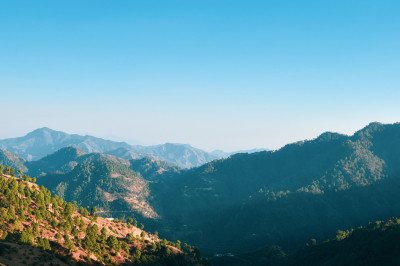
Barda Hills Wildlife Sanctuary
Some quick example text to build on the card title and make up the bulk of the card's content.
Go somewhere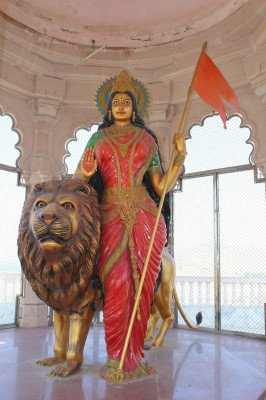
Bharat Mandir
Some quick example text to build on the card title and make up the bulk of the card's content.
Go somewhere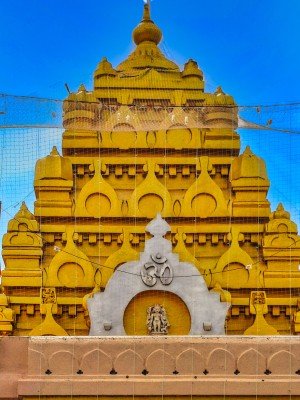
Bileshwar Mahadev Temple
Some quick example text to build on the card title and make up the bulk of the card's content.
Go somewhere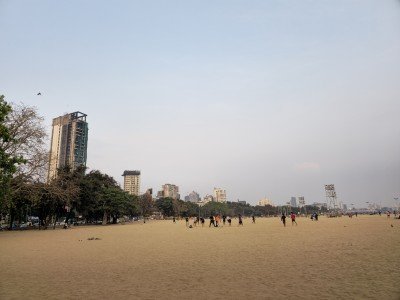
Chowpatty Beach
Some quick example text to build on the card title and make up the bulk of the card's content.
Go somewhere
Darbargadh
Some quick example text to build on the card title and make up the bulk of the card's content.
Go somewhere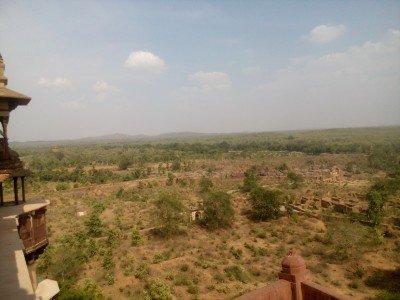
Daria Rajmahal
Some quick example text to build on the card title and make up the bulk of the card's content.
Go somewhere
Ghumli Archaeological Site
Some quick example text to build on the card title and make up the bulk of the card's content.
Go somewhere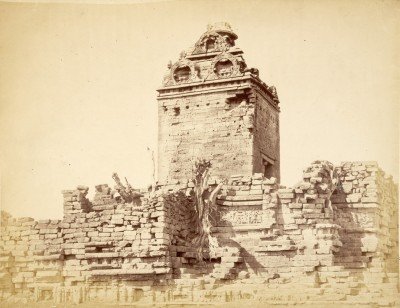
GOP Temple
Some quick example text to build on the card title and make up the bulk of the card's content.
Go somewhere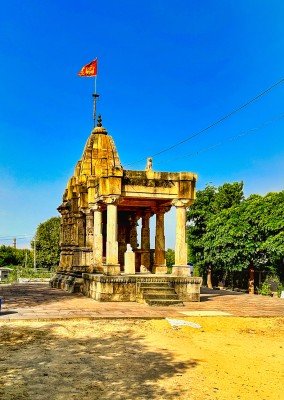
Harsiddhi Mata Temple
Some quick example text to build on the card title and make up the bulk of the card's content.
Go somewhere
Huzoor Palace
Some quick example text to build on the card title and make up the bulk of the card's content.
Go somewhere
Jambuvan Caves
Some quick example text to build on the card title and make up the bulk of the card's content.
Go somewhere
Jannat Beach Point
Some quick example text to build on the card title and make up the bulk of the card's content.
Go somewhere
Jubeli Bridge
Some quick example text to build on the card title and make up the bulk of the card's content.
Go somewhere
Khimeshwar Temple
Some quick example text to build on the card title and make up the bulk of the card's content.
Go somewhere
Kirti Mandir
Some quick example text to build on the card title and make up the bulk of the card's content.
Go somewherein Other Cities