

Netravathi River Bathing Ghat
General information
-
Ideal Duration:
Time for Holy Dip: 30-45 Minutes.
Time for Leisure Walk/View: 1 Hour.
Total Ideal Visit: 1. 5 HoursPlace Type:
Pilgrimage Ritual, Natural Beauty, Wellness and NaEntry Fees:
Bathing/Ghat Access: Free for all pilgrims. The basic right to a holy dip is non-commercial.
Changing Room Fee: A small, nominal fee (e. g. , INR 5-20) might be charged for the use of well-maintained changing rooms and lockers by the local ...Bathing/Ghat Access: Free for all pilgrims. The basic right to a holy dip is non-commercial.
Changing Room Fee: A small, nominal fee (e. g. , INR 5-20) might be charged for the use of well-maintained changing rooms and lockers by the local body or temple trust.
Parking Fees: Nominal charges for parking vehicles near the ghat area.
Water Sports/Rafting: If commercially available, activities like rafting will have a separate, substantial fee (e. g. , INR 1,000-2,000 per person), which is a leisure cost, not a pilgrimage expense.
Photography/Videography: Free, but respect the privacy of bathers.Timing:
Regular Timings: The bathing ghat is accessible from approximately 6:00 AM – 7:00 PM daily. However, it is safest and recommended to use it only during daylight hours, especially when lifeguards/safety personnel are present.
Safety Hours:...Regular Timings: The bathing ghat is accessible from approximately 6:00 AM – 7:00 PM daily. However, it is safest and recommended to use it only during daylight hours, especially when lifeguards/safety personnel are present.
Safety Hours: 6:00 AM to 6:00 PM is the safest window for bathing. Bathing is discouraged at night.
Ideal Visit Time: Early Morning (6:00 AM - 8:00 AM) for a peaceful and cool dip before the main rush, or Late Afternoon (4:30 PM - 6:00 PM) to enjoy the sunset.Special Events:
Ganga Pooja/Aarti: While not as grand as the Ganga Aarti, sometimes a localized Netravathi Aarti or Pooja is performed by devotees or temple authorities on the riverbank during major festivals like Mahashivaratri or on full moon days (Purnima). This is a beautiful, intimate...Ganga Pooja/Aarti: While not as grand as the Ganga Aarti, sometimes a localized Netravathi Aarti or Pooja is performed by devotees or temple authorities on the riverbank during major festivals like Mahashivaratri or on full moon days (Purnima). This is a beautiful, intimate ceremony involving lighting of lamps and floral offerings to the river goddess.
Annual River Festival: Local communities occasionally organize small festivals or boat races (where permitted and safe) to honor the river during the harvest season or the beginning of a dry spell, a tradition distinct from the main temple's calendar.Best Photo Spots:
Steps and Reflection: The wide concrete steps leading down to the water, especially at Sunrise or Sunset, provide excellent leading lines and a calm reflection of the sky on the water's surface.
The River Expanse: Standing at the edge of the...Steps and Reflection: The wide concrete steps leading down to the water, especially at Sunrise or Sunset, provide excellent leading lines and a calm reflection of the sky on the water's surface.
The River Expanse: Standing at the edge of the barrage to capture the panoramic view of the wide river, framed by the lush hills of the Western Ghats in the distance.
The Greenery and Flow: Detailed shots of the water flow, the mossy rocks, and the dense tropical foliage on the opposite bank capture the natural beauty of the region.
Changing Room Architecture: The old-style changing rooms and administrative blocks, with their unique tiled roofs, offer good subjects for local architectural photography.Photo Gallery
Things To Do
-
Holy Bath (Tirtha Snana): Taking the essential ritualistic dip in the river's water to cleanse the body and spirit before visiting the temple. Always use the ropes/railings for safety.
Sun-gazing and Reflection: Spending a quiet moment on the steps to witness the sunrise or sunset over the Western Ghats, using the peaceful atmosphere for personal reflection or meditation.
Birdwatching: The riverbanks and the nearby trees are home to various local and migratory bird species, offering a great spot for nature observation in the early morning.
Water Sports (Seasonal): In certain safe, designated stretches of the river away from the main ghat, seasonal river rafting or kayaking (often arranged by local operators) can be experienced, offering an adventurous contrast t...Holy Bath (Tirtha Snana): Taking the essential ritualistic dip in the river's water to cleanse the body and spirit before visiting the temple. Always use the ropes/railings for safety.
Sun-gazing and Reflection: Spending a quiet moment on the steps to witness the sunrise or sunset over the Western Ghats, using the peaceful atmosphere for personal reflection or meditation.
Birdwatching: The riverbanks and the nearby trees are home to various local and migratory bird species, offering a great spot for nature observation in the early morning.
Water Sports (Seasonal): In certain safe, designated stretches of the river away from the main ghat, seasonal river rafting or kayaking (often arranged by local operators) can be experienced, offering an adventurous contrast to the spiritual atmosphere.
Note: Check safety/operator credentials before participating.
Nature Walk/Trek: Taking a short walk along the river's edges or crossing the small bridge to get a different vantage point of the temple town.
Observing the Barrage: Visiting the nearby barrage/dam structure to appreciate the engineering that maintains the water flow and level for the town's use.
Photography of the Ghat: Capturing the serene steps and the lush green background, ensuring not to photograph people bathing.
Information
-
Why Famous:
Ritualistic Purity: The primary fame is the compulsory and auspicious tradition of taking a holy bath (Tirtha Snana) in the river before entering the main Sri Manjunatha Swamy Temple. This act symbolizes purification of the body and mind.
Seren...Ritualistic Purity: The primary fame is the compulsory and auspicious tradition of taking a holy bath (Tirtha Snana) in the river before entering the main Sri Manjunatha Swamy Temple. This act symbolizes purification of the body and mind.
Serene Environment: It is famous as a naturally beautiful and tranquil spot, a contrast to the bustling temple. The lush greenery of the Western Ghats forms a picturesque backdrop, making it a peaceful location for meditation and relaxation.
Nature Cure Connection: The riverbanks are famous for hosting the SDMCNYS Nature Cure Hospital, which uses the concept of Pancha Bhootas (five elements, including water from the river) for treatment, linking the location to holistic wellness.
Source of Life: The Netravathi is one of the main rivers of the Dakshina Kannada district, and its importance to the region's agriculture and fishing community makes the bathing ghat a culturally and economically significant spot. -
Architecture:
Ghat Structure and Design: The Bathing Ghat is essentially a developed riverbank area featuring long, wide, and well-maintained concrete steps leading into the water. This step-like design, typical of South Indian temple towns, ensures safe and gradual access to the water f...Ghat Structure and Design: The Bathing Ghat is essentially a developed riverbank area featuring long, wide, and well-maintained concrete steps leading into the water. This step-like design, typical of South Indian temple towns, ensures safe and gradual access to the water for a large number of pilgrims. The main bathing area is secured with steel railings or ropes to guide bathers and prevent accidents, especially during times of higher current.
Barrage/Dam Dimensions: A low-height barrage or small dam is constructed across the Netravathi River here. While exact dimensions vary, the purpose is to regulate the flow, create a pool of calm water, and maintain a constant depth suitable for bathing. This engineering detail is functional, not architectural, but crucial for the ghat’s safety. The river itself has an apparent breadth of about 200 yards in certain areas. Changing rooms and public convenience facilities are part of the overall ghat complex structure, built with local stone and tiled roofs, matching the functional utility architecture of the region. -
How To Reach:
By Air: Same as Sri Manjunatha Swamy Temple. Mangalore International Airport (IXE) is the nearest. Hire a taxi to Dharmasthala and then a local auto/walk.
By Train: Same as Sri Manjunatha Swamy Temple. Mangalore Junction (MAJN) is the mai...By Air: Same as Sri Manjunatha Swamy Temple. Mangalore International Airport (IXE) is the nearest. Hire a taxi to Dharmasthala and then a local auto/walk.
By Train: Same as Sri Manjunatha Swamy Temple. Mangalore Junction (MAJN) is the main station. Take a bus or taxi to Dharmasthala.
By Road: Well-connected by KSRTC and private buses from major cities. The ghat is on the edge of the town, easily reachable by road. Parking is available near the entrance.
By Local Transport: It's a pleasant 1 KM walk from the main temple/bus stand. Auto-rickshaws are readily available. The temple sometimes provides special bus services to the ghat during peak seasons. -
Weather and Best Time to Visit:
Best Season: Winter (October to March) is perfect due to the pleasant temperature, making the bath a refreshing experience without the harsh cold or heat. Post-Monsoon (October-November) sees a good, clean flow.
Worst Season: Monsoon (June ...Best Season: Winter (October to March) is perfect due to the pleasant temperature, making the bath a refreshing experience without the harsh cold or heat. Post-Monsoon (October-November) sees a good, clean flow.
Worst Season: Monsoon (June to September) due to heavy flow, high water levels, and dangerous currents; bathing is often restricted or highly discouraged during this time. Summer (April-May) can be hot, making the exposed area uncomfortable.
Best Part of the Day: Early Morning for a cool and ritualistic dip, following the spiritual tradition of a pre-Darshan bath. -
Near Tourist Places:
Sri Manjunatha Swamy Temple (1 KM), Manjusha Museum (1 KM), Bhagwan Bahubali Statue (1. 5 KMs), Shri Chandranatha Swamy Basadi (1. 5 KMs), Shri Rama Kshetra, Kanyadi (3 KMs), Shri Dharmasthala Manjunatheshwara College of Naturopathy and Yogic Sciences (SDMCNYS) (2 KMs), Annappa Betta (4 KMs), Venoor Bahubali Statue (20 KMs), Southadka Shree Mahaganapathi Temple (16 KMs), Dharmasthala Ugrana (0. 8 KMs).
Tourism Tips
-
Health & Safety: DO NOT venture far into the river. Stick to the designated bathing area with ropes. The current can be strong and unpredictable, especially in the monsoon. Avoid jumping or diving. There are changing rooms available; use them for privacy.Health & Safety: DO NOT venture far into the river. Stick to the designated bathing area with ropes. The current can be strong and unpredictable, especially in the monsoon. Avoid jumping or diving. There are changing rooms available; use them for privacy.
Packing: Carry a fresh set of clothes and a small towel for the bath. Leave valuables in your hotel/guesthouse locker or use a secure locker near the ghat. Carry a small plastic bag for wet clothes. Avoid carrying soap or detergent, as it pollutes the holy water.
Accommodation: Stay near the main temple, as the ghat is a quick walk or ride away.
Other Tips: Check with temple authorities for water safety warnings, especially during heavy rains. Respect the local culture by dressing modestly before and after the bath.
Reviews
FAQs
Dharmasthala Itineray And Cost:-
Netravathi River Bathing Ghat Tourism:-
Other Places In Dharmasthala :-
Other States In India :-
Information about New and Updated Locations() of Karnataka Has Been Added :-
Card subtitle
Note:-
Information provided here in good Faith and for reference only.
Near Places
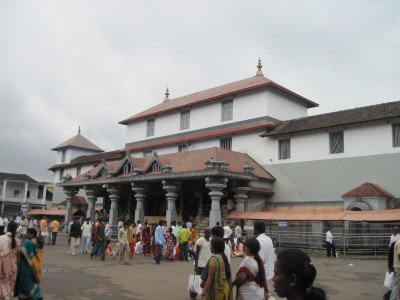
Ballalarayana Durga Fort
Some quick example text to build on the card title and make up the bulk of the card's content.
Go somewhere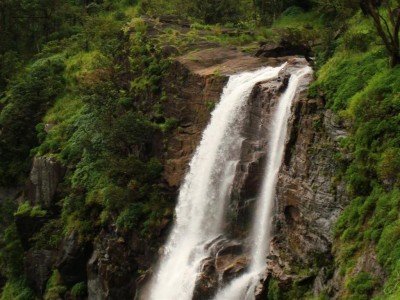
Bandaje Arbi Falls
Some quick example text to build on the card title and make up the bulk of the card's content.
Go somewhere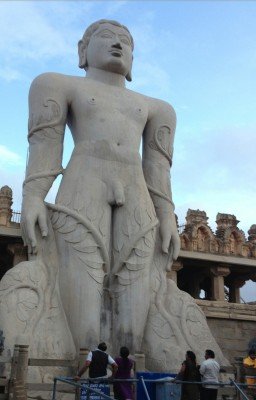
Bhagwan Bahubali Statue
Some quick example text to build on the card title and make up the bulk of the card's content.
Go somewhere
Charmadi Ghat View Point
Some quick example text to build on the card title and make up the bulk of the card's content.
Go somewhere
Dharmasthala Annappa Betta
Some quick example text to build on the card title and make up the bulk of the card's content.
Go somewhere
Dharmasthala Ugrana
Some quick example text to build on the card title and make up the bulk of the card's content.
Go somewhere
Kadri Manjunath Temple
Some quick example text to build on the card title and make up the bulk of the card's content.
Go somewhere
Karkala Bahubali Monolith
Some quick example text to build on the card title and make up the bulk of the card's content.
Go somewhere
Kateel Durga Parameshwari Temple
Some quick example text to build on the card title and make up the bulk of the card's content.
Go somewhere
Kukke Subramanya Temple
Some quick example text to build on the card title and make up the bulk of the card's content.
Go somewhere
Manjusha Car Museum
Some quick example text to build on the card title and make up the bulk of the card's content.
Go somewhere
Manjusha Museum
Some quick example text to build on the card title and make up the bulk of the card's content.
Go somewhere
Netravathi River Bathing Ghat
Some quick example text to build on the card title and make up the bulk of the card's content.
Go somewhere
Rudraksha Mantapa
Some quick example text to build on the card title and make up the bulk of the card's content.
Go somewhere
Shri Chandranatha Swamy Basadi
Some quick example text to build on the card title and make up the bulk of the card's content.
Go somewhere
Shri Rama Kshetra, Kanyadi
Some quick example text to build on the card title and make up the bulk of the card's content.
Go somewherein Other Cities