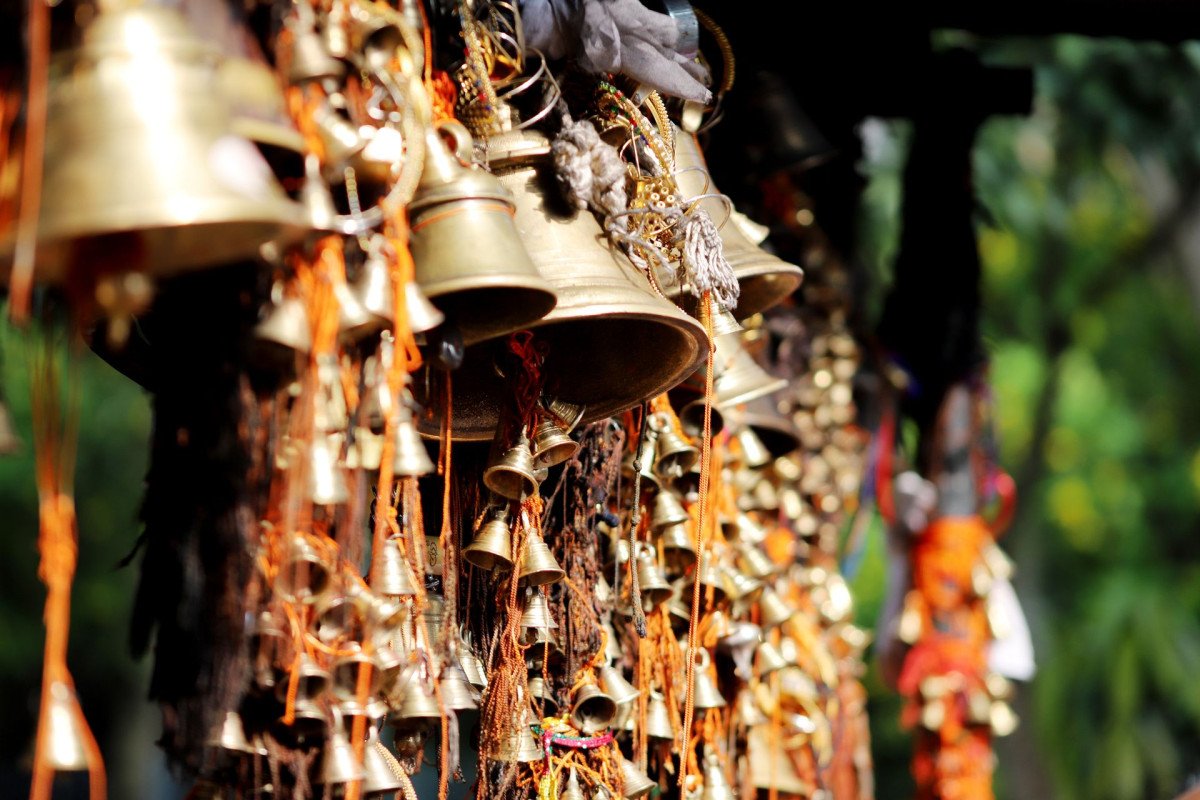
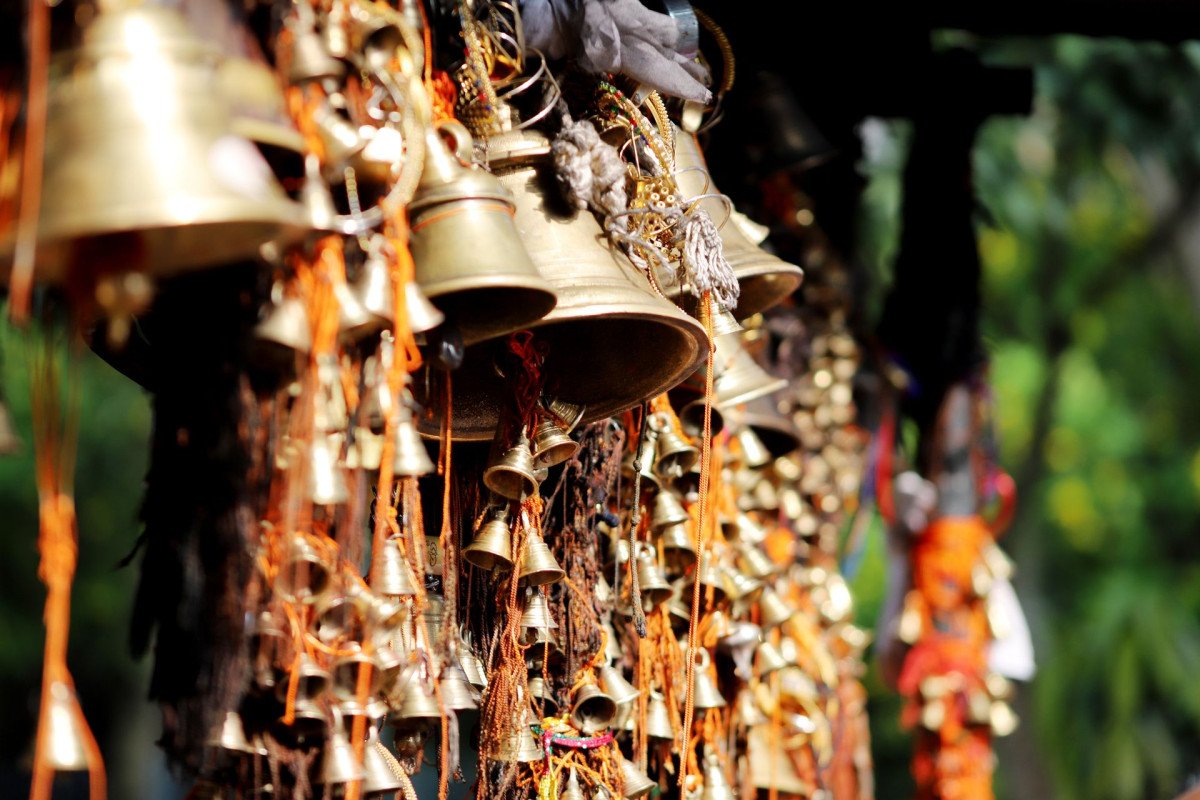
Sri Manjunatha Swamy Temple
General information
-
Ideal Duration:
Time for Darshan: 1-2 Hours (Depending on queue).
Time for Annapurna Dining Hall: 1 Hour.
Total Ideal Visit: 3-4 HoursPlace Type:
Pilgrimage, Spiritual, Architectural MarvelEntry Fees:
Temple Darshan: Free for all pilgrims. The core philosophy of Dharmasthala is non-commercial spiritual access. There are no mandatory fees for entering the main temple or receiving the Anna Dana.
Special Sevas/Poojas: Devotees can pay for ...Temple Darshan: Free for all pilgrims. The core philosophy of Dharmasthala is non-commercial spiritual access. There are no mandatory fees for entering the main temple or receiving the Anna Dana.
Special Sevas/Poojas: Devotees can pay for specific ritualistic services (Sevas) like Rudrabhisheka or Archana, with prices varying depending on the ritual's complexity and materials used (e. g. , typically ranging from INR 100 to INR 5,000 or more). These are voluntary.
Parking Fees: Nominal charges for parking vehicles in designated temple grounds.
Photography/Videography: Generally restricted inside the main temple area (Garbhagriha) but free in the outer courtyard.
Manjusha Museum: Separate nominal entry ticket (typically < INR 50).Timing:
Regular Timings: 6:30 AM – 2:30 PM and 5:00 PM – 8:30 PM (Darshan). Anna Dana is served between approximately 10:00 AM – 2:30 PM and 6:00 PM – 8:30 PM.
Ideal Visit Time: Morning (6:30 AM - 9:00 AM) for a peaceful Darshan before the ...Regular Timings: 6:30 AM – 2:30 PM and 5:00 PM – 8:30 PM (Darshan). Anna Dana is served between approximately 10:00 AM – 2:30 PM and 6:00 PM – 8:30 PM.
Ideal Visit Time: Morning (6:30 AM - 9:00 AM) for a peaceful Darshan before the main rush, or the Evening (5:00 PM - 7:00 PM) to witness the evening lamp rituals and a less crowded environment. Avoid afternoon closures and the peak weekend/festival crowds.Special Events:
Laksha Deepotsava: The most spectacular annual festival, usually held in Karthika (November-December). The temple town is illuminated with one lakh (100,000) lamps. Cultural events, fairs, exhibitions, and religious discourses are held for five days. This festival transfo...Laksha Deepotsava: The most spectacular annual festival, usually held in Karthika (November-December). The temple town is illuminated with one lakh (100,000) lamps. Cultural events, fairs, exhibitions, and religious discourses are held for five days. This festival transforms the entire town into a magical spectacle of light and devotion.
Mahashivaratri: Celebrated with great fervor, featuring special pujas, night-long bhajans, and the temple car festival (Rathotsava).
Navaratri and Deepavali: Special pujas are conducted for Sri Ammavaru and the entire premises is lit with lamps, marking the harvest and light festivals.Best Photo Spots:
The Deepasthambha Glow: The tall, stone or brass lamp tower, especially when fully lit in the evening, with the backdrop of the main Gopura. This spot captures the spiritual energy of the temple.
View from Ratnagiri Hill: The panoramic view...The Deepasthambha Glow: The tall, stone or brass lamp tower, especially when fully lit in the evening, with the backdrop of the main Gopura. This spot captures the spiritual energy of the temple.
View from Ratnagiri Hill: The panoramic view of the entire temple complex, the Netravathi River, and the surrounding town from the top of Ratnagiri Hill near the Bahubali Statue is the best spot for landscape photography.
The Annapoorna Dining Hall Entrance: A photo capturing the massive, organized crowd waiting for the free meal offers a powerful visual commentary on the temple's charity.
The Tiled Gopuram: Capturing the intricate wooden pillars and the tiled, sloping roof architecture of the main entrance is ideal for architectural shots.
Netravathi River Bridge View: The view of the temple complex from the nearby bridge over the Netravathi River provides a beautiful natural frame.Photo Gallery
Things To Do
-
Offering Prayers and Darshan: Performing Darshan of Lord Manjunatha and the other deities like the Dharma Daivas and Tirthankara Chandraprabha. The unique custom is to offer a Hundi (donation) after the Darshan.
Experiencing the Anna Dana: Dining at the Annapoorna free dining hall is a must-do, offering a profound cultural and spiritual experience of selfless service and community. It is a practice in humility and gratitude.
Pradakshina and Meditation: Take a quiet walk around the Prakara (courtyard) and spend time in silent reflection near the Deepasthambha.
Attending Special Poojas: Witnessing the Maha Puja at 12:00 PM or the Shatharudrabhisheka in the morning.
Cultural Immersion: On a special day, watch a performance of Yaks...Offering Prayers and Darshan: Performing Darshan of Lord Manjunatha and the other deities like the Dharma Daivas and Tirthankara Chandraprabha. The unique custom is to offer a Hundi (donation) after the Darshan.
Experiencing the Anna Dana: Dining at the Annapoorna free dining hall is a must-do, offering a profound cultural and spiritual experience of selfless service and community. It is a practice in humility and gratitude.
Pradakshina and Meditation: Take a quiet walk around the Prakara (courtyard) and spend time in silent reflection near the Deepasthambha.
Attending Special Poojas: Witnessing the Maha Puja at 12:00 PM or the Shatharudrabhisheka in the morning.
Cultural Immersion: On a special day, watch a performance of Yakshagana, the regional dance-drama, often staged in the temple premises.
Purchasing Prasadam and Souvenirs: Buying the official temple Prasadam and a book on the history of Dharmasthala.
Seeking Heggade's Blessings: Observing the proceedings or seeking blessings from the Dharmadhikari on specified days.
Information
-
Why Famous:
Unique Religious Harmony: The town is famous globally for its unparalleled religious harmony, epitomized by a Jain family administering a major Hindu temple dedicated to Lord Shiva. This interfaith custodianship is unique in India.
Daily Annada...Unique Religious Harmony: The town is famous globally for its unparalleled religious harmony, epitomized by a Jain family administering a major Hindu temple dedicated to Lord Shiva. This interfaith custodianship is unique in India.
Daily Annadaana (Free Meal): Dharmasthala is famous for serving a free, hot, and hygienic vegetarian meal (Anna Dana) to all visiting pilgrims, sometimes numbering over 50,000 people per day. The massive, organized dining hall, Annapoorna, is a logistical marvel and a symbol of charity, earning the town the moniker 'The Land of Charity'.
Justice and Dispute Resolution: Historically, the Dharmadhikari of Dharmasthala was also known for providing informal, unbiased arbitration (Heggade's Justice) for local disputes, reinforcing the town's name, 'The Place of Righteousness'.
Philanthropic Institutions: Beyond the temple, the Dharmasthala institutions are famous for their extensive work in education, healthcare (like the nature cure hospital on Netravathi River banks), and social development across Karnataka. -
Architecture:
Style and Materials: The Sri Manjunatha Swamy Temple predominantly features the Kerala-style of temple architecture, which is common in the coastal and Western Ghats region of Karnataka. This style is characterized by its tiered, sloping roofs made of terracotta tiles, desi...Style and Materials: The Sri Manjunatha Swamy Temple predominantly features the Kerala-style of temple architecture, which is common in the coastal and Western Ghats region of Karnataka. This style is characterized by its tiered, sloping roofs made of terracotta tiles, designed to withstand the heavy monsoon rains. The main sanctum (Garbhagriha) is often topped with a small, circular or square roof with a Kalasa (decorative pot). The overall structure is enclosed within a spacious courtyard and an outer enclosure wall (Prakara). The use of dark wood for pillars and carvings in the Mukha Mandapam (main pavilion) is a notable element, contrasting with the stone-built sanctum.
Dimensions and Features: The three-storied entrance tower (Gopura) with its distinct sloping roofs is a prominent feature. Inside the main temple complex, the Deepasthambha (lamp tower) stands tall, often made of brass or stone, and is intricately carved. The interior spaces are characterized by pillared halls that are typically built with granite. The main Shivalinga of Lord Manjunatha resides in the central Garbhagriha. The temple design facilitates the ritual of Pradakshina (circumambulation). The simplicity and functional design, meant for daily mass worship and feeding, are key. The adjacent Chandraprabha Basadi (Jain shrine) is an example of the temple's inclusive architectural layout. -
How To Reach:
By Air: The nearest airport is Mangalore International Airport (IXE), about 65-70 KMs away. From the airport, one can hire a pre-paid taxi or take a bus to Mangalore City bus stand and then a direct bus to Dharmasthala.
By Train: The neares...By Air: The nearest airport is Mangalore International Airport (IXE), about 65-70 KMs away. From the airport, one can hire a pre-paid taxi or take a bus to Mangalore City bus stand and then a direct bus to Dharmasthala.
By Train: The nearest major railway station is Mangalore Junction (MAJN), about 74 KMs away. This station is well-connected to major Indian cities like Mumbai, Chennai, Bengaluru, and Delhi. From there, hire a taxi or take a local/state bus. The nearest local station is Kabaka Puttur (KBPR), about 45 KMs away.
By Road: Dharmasthala is extremely well-connected by road. KSRTC (Karnataka State Road Transport Corporation) runs frequent and comfortable bus services (Volvo, Rajhamsa, Non-AC Sleeper) from major cities like Bengaluru (approx. 300 KMs), Mangalore, Mysore, and Hubli. Private buses also ply this route. Driving your own vehicle is convenient with ample parking space.
By Local Transport: Within Dharmasthala, auto-rickshaws and taxis are available, but most key sites (temple, museum, Basadi) are within walking distance of the central complex. The temple provides free/subsidized transport for pilgrims to certain remote areas like the Bahubali Statue and the Netravathi River Ghat. -
Weather and Best Time to Visit:
Best Season: Winter (October to March) is the best time to visit due to pleasant weather (18°C-30°C) for comfortable Darshan and sightseeing. October has the benefit of post-monsoon greenery.
Worst Season: Summer (April to May) is very ho...Best Season: Winter (October to March) is the best time to visit due to pleasant weather (18°C-30°C) for comfortable Darshan and sightseeing. October has the benefit of post-monsoon greenery.
Worst Season: Summer (April to May) is very hot (35°C+) and can be physically exhausting. Monsoon (June to September) is scenic but heavy rain can disrupt travel and sightseeing.
Best Part of the Day: Early Morning (6:30 AM to 9:00 AM) for peaceful temple Darshan and a cool start to the day before the dining hall rush. Late Evening (5:00 PM to 8:30 PM) is also pleasant. -
Near Tourist Places:
Bhagwan Bahubali Statue (Ratnagiri Hill) (0. 5 KMs), Manjusha Museum (0. 5 KMs), Shri Chandranatha Swamy Basadi (0. 6 KMs), Netravathi River Bathing Ghat (1 KM), Shri Rama Kshetra, Kanyadi (4 KMs), Southadka Shree Mahaganapathi Temple (16 KMs), Venoor Bahubali Statue (20 KMs), Jamalabad Fort (37 KMs), Kukke Subramanya Temple (52 KMs), Kudremukh National Park (65 KMs).
Tourism Tips
-
Health & Safety: Carry essential medication, wear a mask during peak hours, and drink plenty of water due to the coastal heat, even in winter. Be cautious while bathing in the Netravathi River, and only use designated ghats. The temple and town are generally very safe.Health & Safety: Carry essential medication, wear a mask during peak hours, and drink plenty of water due to the coastal heat, even in winter. Be cautious while bathing in the Netravathi River, and only use designated ghats. The temple and town are generally very safe.
Packing: Dress code for the temple requires modest attire (Men: Shirt/T-shirt and trousers/dhoti, often bare chest for main sanctum;
Women: Saree/Salwar Kameez). Carry light, breathable cotton clothing and comfortable footwear (which must be removed at the temple entrance). A light shawl/jacket is advisable for AC buses or cool nights.
Accommodation: Book accommodation (Yatri Nivas or private hotels) well in advance, especially during the November to February peak season. The temple also provides subsidized accommodation.
Other Tips: Embrace the Anna Dana; it is an experience. Respect the no-photography rule near the main sanctum. Hire only official taxi/auto services.
Reviews
FAQs
Dharmasthala Itineray And Cost:-
Sri Manjunatha Swamy Temple Tourism:-
Other Places In Dharmasthala :-
Other States In India :-
Information about New and Updated Locations() of Karnataka Has Been Added :-
Card subtitle
Note:-
Information provided here in good Faith and for reference only.
Near Places
Ballalarayana Durga Fort
Some quick example text to build on the card title and make up the bulk of the card's content.
Go somewhere
Bandaje Arbi Falls
Some quick example text to build on the card title and make up the bulk of the card's content.
Go somewhere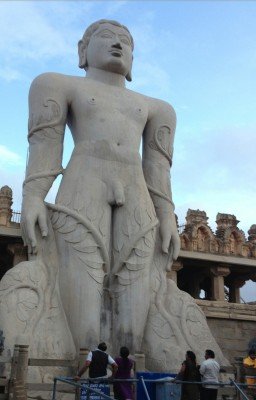
Bhagwan Bahubali Statue
Some quick example text to build on the card title and make up the bulk of the card's content.
Go somewhere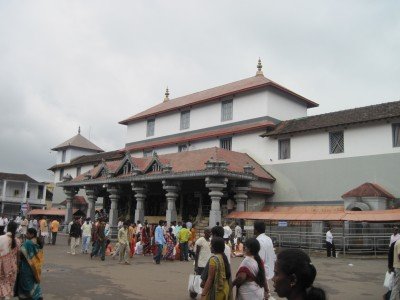
Charmadi Ghat View Point
Some quick example text to build on the card title and make up the bulk of the card's content.
Go somewhere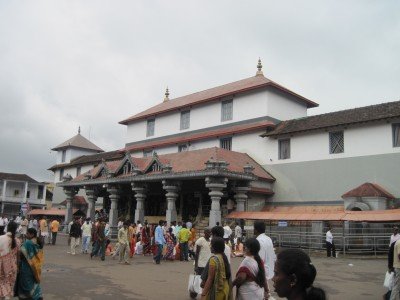
Dharmasthala Annappa Betta
Some quick example text to build on the card title and make up the bulk of the card's content.
Go somewhere
Dharmasthala Ugrana
Some quick example text to build on the card title and make up the bulk of the card's content.
Go somewhere
Kadri Manjunath Temple
Some quick example text to build on the card title and make up the bulk of the card's content.
Go somewhere
Karkala Bahubali Monolith
Some quick example text to build on the card title and make up the bulk of the card's content.
Go somewhere
Kateel Durga Parameshwari Temple
Some quick example text to build on the card title and make up the bulk of the card's content.
Go somewhere
Kukke Subramanya Temple
Some quick example text to build on the card title and make up the bulk of the card's content.
Go somewhere
Manjusha Car Museum
Some quick example text to build on the card title and make up the bulk of the card's content.
Go somewhere
Manjusha Museum
Some quick example text to build on the card title and make up the bulk of the card's content.
Go somewhere
Netravathi River Bathing Ghat
Some quick example text to build on the card title and make up the bulk of the card's content.
Go somewhere
Rudraksha Mantapa
Some quick example text to build on the card title and make up the bulk of the card's content.
Go somewhere
Shri Chandranatha Swamy Basadi
Some quick example text to build on the card title and make up the bulk of the card's content.
Go somewhere
Shri Rama Kshetra, Kanyadi
Some quick example text to build on the card title and make up the bulk of the card's content.
Go somewherein Other Cities