
Ooty Botanical Gardens
General information
-
Ideal Duration:
2 to 3 Hours (without Flower Show); 4+ Hours (during Flower Show)Place Type:
Sub Place Category: Botanical Garden / HistoricalEntry Fees:
General Admission Fees (Indicative):
: The standard Entry Fee for the Ooty Botanical Gardens is subject to periodic revision by the Tamil Nadu Horticulture Department. General...General Admission Fees (Indicative):
: The standard Entry Fee for the Ooty Botanical Gardens is subject to periodic revision by the Tamil Nadu Horticulture Department. Generally, the fee for Indian Nationals (Adults) ranges from approximately Rs.40 to Rs.60 per person, and for children (ages 5-10), it is typically around Rs.20 to Rs.30 per person. There is usually a separate, higher tariff for Foreign Tourists. The fee is a one-time charge for a day's entry and is used for the garden's maintenance and conservation efforts.
Camera and Equipment Charges:
: Visitors intending to take photographs with a dedicated camera (DSLR, digital camera) or a video camera must pay an additional fee. The charge for a Still Camera or mobile phone photography is generally around Rs.50 (though sometimes included in the ticket). The charge for a Video Camera or professional-grade videography is significantly higher, often around Rs.100 or more, depending on the current tariff. These fees help manage commercial photography and raise funds for the gardens.
Flower Show Special Tickets:
: During the peak Annual Flower Show in May, the entry fee is raised considerably. Special tickets are issued for the show, and prices can be three to five times the regular admission fee. It is highly advisable to book these special event tickets online in advance, as the queues for counter tickets can be extremely long during the show days. Children's tickets are also adjusted. Senior citizens and students may occasionally receive discounted rates, but this is subject to official announcements and proof of eligibility.Timing:
Regular Operating Timings:
: The Ooty Botanical Gardens are open to the public daily throughout the year, including weekends and public holidays, without exception. The standa...Regular Operating Timings:
: The Ooty Botanical Gardens are open to the public daily throughout the year, including weekends and public holidays, without exception. The standard opening hours are from 7:00 AM and closing at 6:30 PM or 7:00 PM. The ticket counter usually operates until 6:00 PM. It is highly recommended to check the official timings at the gate as they can occasionally be adjusted for maintenance or during extreme weather conditions.
Ideal Visit Time of Day:
: The Ideal Visit Time is undoubtedly the early morning (between 7:00 AM and 10:00 AM) or the late afternoon (between 4:00 PM and 6:30 PM). The early morning offers the benefit of thinner crowds, a quiet atmosphere perfect for nature photography, and the coolest, freshest air of the day. The light is soft and diffused, ideal for vibrant flower photos. The late afternoon provides equally soft light (the "golden hour"), which is excellent for photography and the temperature is pleasantly cool. The middle of the day (11:00 AM to 3:00 PM) should be avoided in the summer as the sun can be harsh and the crowds at their peak.
Best Season and Flowered Times:
: The best season to visit is generally from April to June (for the magnificent bloom of summer annuals and the Flower Show) and from September to November (for pleasant weather and the post-monsoon greenery). The period from December to February is the winter season, which is colder with some misty mornings but is the least crowded time, offering a tranquil experience for those who prioritize peace over blooms.Special Events:
The Grand Annual Ooty Flower Show:
: The most significant and well-known special event is the Annual Flower Show, a spectacular three-day exhibition usually held in the third week of May during the peak touris...The Grand Annual Ooty Flower Show:
: The most significant and well-known special event is the Annual Flower Show, a spectacular three-day exhibition usually held in the third week of May during the peak tourist season. This event transforms the gardens into a breathtaking spectacle of color and design, showcasing the horticultural excellence of the Nilgiris. The main attraction is the huge display of thousands of hybrid and exotic flowers, with a new theme each year. Massive flower arrangements, including large floral models of animals, birds, or cultural figures (like the model of the Indian Parliament or a steam engine in previous years), are created using millions of cut flowers, drawing huge crowds.
Horticulture Competitions and Exhibitions:
: The flower show is not just a display; it is a serious competition. It includes contests for Bonsai arrangements, vegetable carving (where artists carve intricate designs onto fruits and vegetables), Japanese and Indian-style flower arrangements, and displays of rare and competitive potted plants and cut flowers from private and public gardens across the region. This competitive element ensures the highest quality and rarest species are exhibited. The event is inaugurated by high-ranking officials and includes cultural programs. Beyond the May Flower Show, the garden hosts smaller winter and summer annuals displays and periodic exhibitions of medicinal plants and orchids, though the May event remains the absolute highlight of the calendar year. The crowds during this time are significantly higher, making early booking and planning essential.Best Photo Spots:
The Indian Union Map Carpet Bed:
: A highly sought-after photo opportunity, especially for group and patriotic photos, is the unique carpet bed...The Indian Union Map Carpet Bed:
: A highly sought-after photo opportunity, especially for group and patriotic photos, is the unique carpet bed in the Lower Garden that is meticulously designed in the shape of the map of the Indian Union. This feature is created using different varieties and colors of small, clipped plants to delineate the political boundaries and states of the country, set against the vast green lawn. The scale and detail make it an excellent, vibrant backdrop.
Formal Symmetry of the Italian Garden:
: The Italian Garden is a photographer’s delight, famous for its formal symmetry, colorful, geometrically arranged flower beds, and tiled pathways. The perspective shots down the central axis, often incorporating the sculpted topiary and the crescent-shaped lily pond, are stunning, particularly in the morning light when the colors are crisp. This spot provides a rich contrast between man-made order and natural growth.
The Fossil Tree Trunk Landmark:
: The 20-million-year-old fossilized tree trunk is a must-capture, not for its color, but for its historical and textural significance. The photo is often taken to document the visit to this rare geological specimen, providing a sense of scale and ancient history.
View of Doddabetta and the Gardens:
: For panoramic landscape shots, the Upper Gardens and the highest terraces near the Nurseries offer the best vantage points. From here, you can capture the entire terraced sprawl of the Botanical Gardens with the misty hills and the majestic Doddabetta Peak forming a dramatic background. These spots are less crowded and ideal for capturing the serene, expansive scale of the garden against the Nilgiri mountains.Photo Gallery
Things To Do
-
Leisurely Strolls and Picnicking:
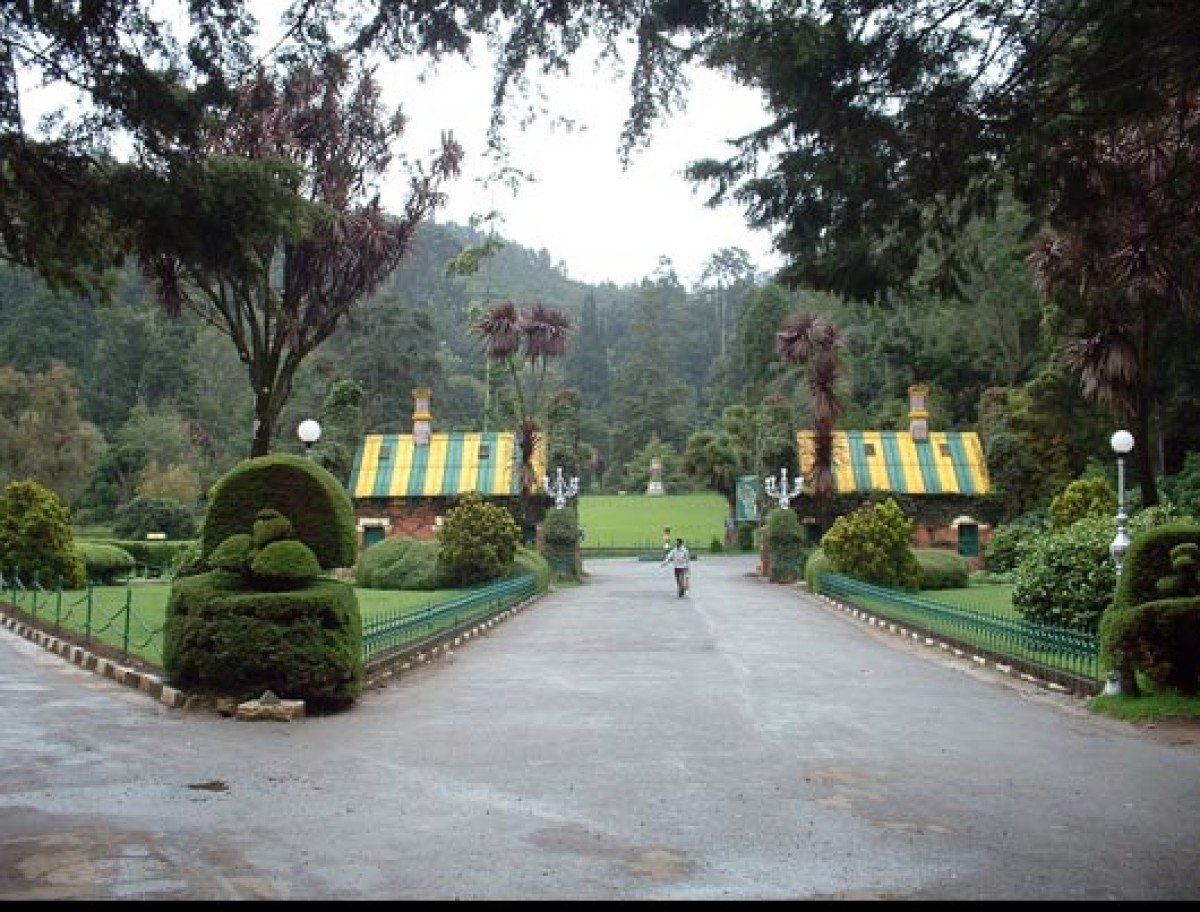
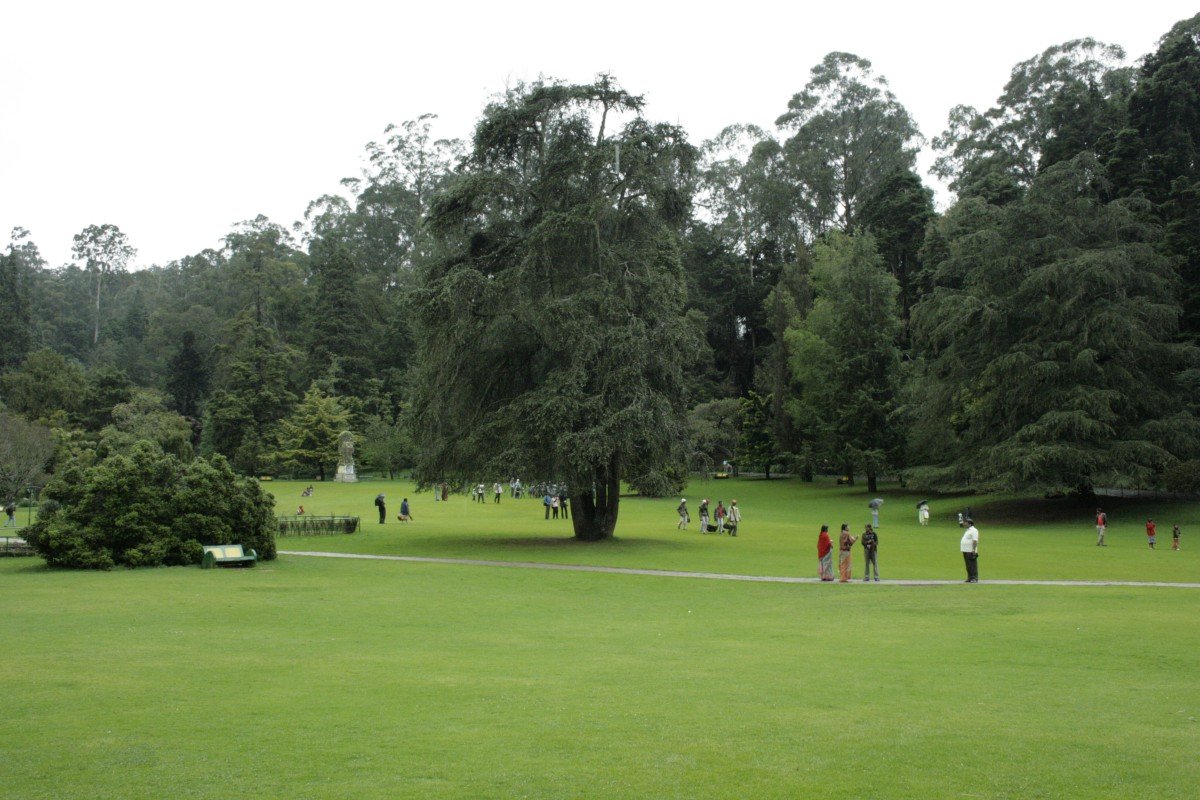
: Spend significant time exploring the vast, well-manicured Kikuyu lawns of the Lower Garden. These are perfect for leisurely walks, relaxing on the grass, and enjoying a quiet picnic with family. Many visitors bring blankets to relax and simply soak in the mountain atmosphere and the scent of the various flowers. The soft, springy grass is ideal for children to run and play.
...Leisurely Strolls and Picnicking:
: Spend significant time exploring the vast, well-manicured Kikuyu lawns of the Lower Garden. These are perfect for leisurely walks, relaxing on the grass, and enjoying a quiet picnic with family. Many visitors bring blankets to relax and simply soak in the mountain atmosphere and the scent of the various flowers. The soft, springy grass is ideal for children to run and play.
Photography and Nature Capturing:
: Dedicate time to capturing the vibrant scenery. The gardens offer countless photo opportunities, from wide-angle shots of the terraced lawns with the Doddabetta backdrop to macro photography of the diverse flowers and unique foliage. The Italian Garden is a prime spot for symmetrical and colorful compositions.
Exploring Thematic Sections:
: Methodically visit each of the garden's main sections: the Lower Garden (known for the Indian Union map made of plants), the Italian Garden (for its formal layout), the New Garden (featuring the Fossilized Tree Trunk), the Conservatory (for delicate glasshouse plants), and the Nurseries.
Fossil Tree Trunk Visit:
: Make sure to spend time at the 20-million-year-old fossilized tree trunk display in the New Garden. It is a historical and geological marvel, a key educational feature of the site.
Botanical Education and Identification:
: For the curious, try to identify the rare trees. Look for the informative plaques near the Cork Tree, the Monkey Puzzle Tree, and the Paper Bark Tree. The diverse collection of ferns in the Fern House is a treat for botanists and enthusiasts.
Shopping for Saplings:
: Visit the Nurseries section, which also functions as a sales counter. Here, you can purchase saplings, seeds, ornamental plants, and even rare or hybrid flower varieties to take home as a living souvenir. This is an excellent activity for gardening enthusiasts.
Bird Watching and Quiet Contemplation:
: Given the variety of trees and indigenous flora, the garden attracts many species of birds. Early morning visits are ideal for quiet bird watching. Find a quiet bench near the lilly ponds for a moment of peaceful contemplation and reflection, away from the main tourist paths.
Attending the Annual Flower Show:
: If your visit is in May, attending the Annual Flower Show is a mandatory and immersive experience. It involves touring the special floral arrangements, the vegetable carving displays, and the competitive flower exhibitions.
Visit the Toda Mund:
: Observe the replica of a traditional hut (Mund) of the indigenous Toda tribe, which is sometimes located within the gardens, offering a small cultural insight into the original inhabitants of the Nilgiris.
Picnicking and Relaxing:
: Utilize the vast, open lawns for relaxed family time. The serene environment makes it an ideal spot for a mid-day rest or an afternoon of reading amidst the natural beauty.
Observing the Carpet Bedding:
: Look closely at the artistic arrangements, particularly the carpet bedding designs in the Lower Garden, which often depict the emblem of the Tamil Nadu Government or the map of India using various colored plants and flowers.
Explore the Rose Garden Section:
: While the Government Rose Garden is a separate place, a smaller rose garden section within the Botanical Gardens sometimes exists, offering a glimpse of hybrid rose varieties.
Walking the Terraced Pathways:
: Enjoy the unique experience of walking the sloped and terraced pathways that offer ever-changing views and perspectives of the garden's different sections, from the formal Italian Garden to the informal lawns and rockeries.
Information
-
Why Famous:
Floral Diversity and Heritage:
: The Ooty Botanical Gardens are renowned for their exceptional collection of over a thousand indigenous and exotic plant species, making them a living museum of flora. Key to i...Floral Diversity and Heritage:
: The Ooty Botanical Gardens are renowned for their exceptional collection of over a thousand indigenous and exotic plant species, making them a living museum of flora. Key to its fame are the rare and unique trees such as the Cork Tree, the Paper Bark Tree, and the Monkey Puzzle Tree. The centerpiece attraction that draws students, botanists, and tourists alike is the 20-million-year-old Fossilized Tree Trunk, which provides a tangible link to the prehistoric geological history of the region. Furthermore, the meticulously maintained Italian Garden, laid out by WWI Italian prisoners, is a historical and aesthetic highlight, famous for its formal, symmetrical floral beds and manicured lawns.
The Annual Flower Show:
: The garden's international fame is significantly boosted by the spectacular Annual Ooty Flower Show, typically held for three days in the third week of May. This event is the largest and most prestigious flower show in South India, attracting hundreds of thousands of visitors. The show features intricate floral arrangements, massive flower-themed sculptures (like floral animals and models), rare plant exhibitions, vegetable carving contests, and competitive displays of cut flowers and bonsai. The Flower Show is a vibrant, kaleidoscopic celebration of horticulture, showcasing the Tamil Nadu Horticulture Department’s prowess and the natural beauty of the Nilgiris. The gardens also feature a Toda Mund (hut) replica, providing a small cultural nod to the indigenous Toda tribe of the Nilgiris. -
Architecture:
The Grand Italian Garden Design:
: One of the garden's most distinctive features is the Italian Garden, a segment originally laid out by Italian Prisoners of War during World War I. This section follows a for...The Grand Italian Garden Design:
: One of the garden's most distinctive features is the Italian Garden, a segment originally laid out by Italian Prisoners of War during World War I. This section follows a formal and symmetrical design, a classic characteristic of Renaissance Italian landscape architecture, contrasting beautifully with the informal, sloping lawns of the rest of the garden. The Italian Garden features geometrically arranged flower beds, sculpted hedges (topiary), and patterned pathways leading to centrally placed features like an ornamental pool or a water cascade. The use of vibrant, seasonal flowering annuals in symmetrical patterns creates a stunning, ordered burst of color that is a prime example of formal horticulture within a natural hill station setting.
Dimensions and Terraced Layout:
: The garden covers an extensive area of about 55 acres (22 hectares), ascending the slopes at an elevation ranging from approximately 2250 to 2500 meters above mean sea level. The crucial architectural dimension is its terraced layout, which effectively organizes the vast land into distinct thematic sections. The Lower Garden, the oldest and largest section, features an expansive lawn covering roughly 7 acres, designed with a gentle slope that provides an unobstructed view from the entrance. The Fern House, an old structure from the 19th century, houses over 127 varieties of ferns within a glass enclosure, serving as a conservation space. The Conservatory is another architectural element, a greenhouse structure used to protect and display delicate plants like Begonias, Orchids, and Cacti, ensuring a continuous supply of potted plants for seasonal displays throughout the year. The sheer scale and thoughtful compartmentalization of the garden reflect the Victorian-era British passion for botany and landscape engineering, adapted for the high-altitude climate of the Nilgiris. -
How To Reach:
By Air (Nearest Airport and Distance):
: The closest major airport is Coimbatore International Airport (CJB), located approximately 85 to 90 ki...By Air (Nearest Airport and Distance):
: The closest major airport is Coimbatore International Airport (CJB), located approximately 85 to 90 kilometers from Ooty. Coimbatore is well-connected to all major Indian cities like Mumbai, Delhi, Chennai, and Bengaluru, as well as a few international destinations. From CJB, you have several options. The fastest way is to hire a pre-paid taxi or a private cab, which takes about 3 to 4 hours depending on the mountain road traffic and number of hairpin bends. State-run buses and private luxury buses are also available from the Coimbatore Gandhipuram Bus Stand to Ooty.
By Train (Nearest Railheads):
: The nearest broad-gauge railway station is Mettupalayam (MTP), which is about 50 kilometers away. Mettupalayam connects to major Indian cities via the broad-gauge network. From Mettupalayam, the most scenic and famous way to reach Ooty is via the UNESCO World Heritage site, the Nilgiri Mountain Railway (NMR), often called the 'Ooty Toy Train'. The toy train, a meter-gauge line, takes approximately 5 hours to cover the journey, ascending the hills through tunnels and bridges to reach the final station, Udhagamandalam (Ooty). This is a highly recommended experience.
By Road (Bus and Driving Routes):
: Ooty is superbly connected by a network of well-maintained national and state highways.
It is accessible from major South Indian cities: Bengaluru (~270 KMS), Mysore (~125 KMS), and Chennai (~550 KMS). Regular Tamil Nadu State Transport Corporation (TNSTC) and private luxury buses (A/C and non-A/C) run daily from Bengaluru, Mysore, Chennai, Kochi, and Coimbatore directly to the Ooty Bus Stand. Driving to Ooty is a popular option, with three major ghat roads leading up: the Coonoor Ghat, the Kotagiri Ghat, and the Gudalur Ghat, the last being popular for those coming from Mysore.
By Local Transport in Ooty:
: The Botanical Gardens are centrally located, only about 2-3 kilometers from the Ooty Bus Stand and the main Charring Cross area. The easiest and quickest local options are to take an auto-rickshaw (ensure you agree on the fare beforehand or use the meter) or a local taxi/cab. For tourists, hiring a local taxi for the entire day is often the most convenient way to cover multiple spots. Many visitors choose to walk from the town center, which is a pleasant downhill or slightly uphill stroll. -
Weather and Best Time to Visit:
Different Types of Seasons:
: The Best Time to Visit is during the Summer (April to June) and the Post-Monsoon/Autumn (September to November) seasons. Summer is ideal because the weather is pleasantly cool, w...Different Types of Seasons:
: The Best Time to Visit is during the Summer (April to June) and the Post-Monsoon/Autumn (September to November) seasons. Summer is ideal because the weather is pleasantly cool, with temperatures ranging from 15Rs.C to 25Rs.C, making it perfect for outdoor exploration. Critically, this season hosts the Annual Flower Show in May, which is the garden’s zenith of beauty. Autumn offers lush greenery after the rains, crisp air, and moderate temperatures. The Monsoon (July to August) is marked by heavy rain, which, while making the scenery vibrant, can disrupt sightseeing. Winter (December to March) is the coldest season, with temperatures sometimes dropping near 0Rs.C and occasional frost, but it is the least crowded and very peaceful.
Different Parts of the Day:
: The Ideal Time of Day to visit is Early Morning (7:00 AM to 10:00 AM). The light is soft for photography, the air is clean, and you can enjoy the serenity before the large tourist crowds arrive, especially on weekends and during peak season. Late Afternoon (4:00 PM to 6:30 PM) is the next best time, offering the famous 'Golden Hour' light which beautifully illuminates the flower beds and lawns, perfect for landscape photos, and the day's heat has subsided. Visiting during the midday is generally discouraged due to harsh light and maximum footfall. For those visiting during the Flower Show, arriving right at the opening time of 7:00 AM is highly recommended to avoid the massive afternoon crowds. -
Near Tourist Places:
Ooty Rose Garden (~2 KMS), Ooty Lake (~4 KMS), Ooty Bus Stand (~2. 5 KMS), Thunder World / Wax Museum (~4 KMS), Ooty Central Market (~3 KMS), St. Stephen’s Church (~1. 5 KMS), Doddabetta Peak (~7 KMS), Ooty Boat House (~4. 5 KMS), Government Museum (~2 KMS), Karnataka Siri Horticulture Garden (~2. 5 KMS).
Tourism Tips
-
Health and Safety Precautions:
: Carry a light jacket or sweater regardless of the season, as the weather in Ooty can change quickly, and the h...Health and Safety Precautions:
: Carry a light jacket or sweater regardless of the season, as the weather in Ooty can change quickly, and the hill station's high elevation (around 2,250 meters) makes it feel perpetually cool, especially in the mornings and evenings. Wear comfortable, sturdy walking shoes as the garden is spread over a terraced, sloping area with many pathways and steps. Stay Hydrated—carry a reusable water bottle. While the garden is generally safe, be mindful of your belongings, especially on crowded days or during the Flower Show. Sun Protection is key even on cloudy days; use sunscreen and wear a hat or cap.
Packing Essentials:
: Essential items to pack include a camera or phone for photography, as the garden is extremely picturesque. A raincoat or small umbrella is useful, especially during the monsoon (July-September), as showers can be sudden. If visiting in winter (December-February), consider packing thermals and heavy woolens, as night-time frost is common. If you plan to read or picnic, a lightweight mat or book is a good addition. For plant enthusiasts, a small notebook and pen for jotting down observations are recommended.
Accommodation and Booking:
: The Botanical Gardens are centrally located, meaning numerous hotels, resorts, and homestays are available within a 2-kilometer radius, especially near the Charring Cross and Main Bazaar areas. Book accommodation well in advance, particularly if you plan to visit during the peak season of April and May (due to the Flower Show). Options range from budget hotels to luxury heritage stays.
Other Important Tips:
: Do not pluck flowers or leaves—it is strictly prohibited and carries a fine; the garden is a conservation area. Arrive Early to maximize your experience and avoid large crowds, especially during weekends. Parking is Available but can be limited and crowded during peak times, so consider using local auto-rickshaws or taxis. Check the current entry fee and camera charges at the official counter before entering, as rates are subject to change.
Reviews
FAQs
Ooty Itineray And Cost:-
Ooty Botanical Gardens Tourism:-
Other Places In Ooty :-
Other States In India :-
Information about New and Updated Locations() of Tamil Nadu Has Been Added :-
Card subtitle
Note:-
Information provided here in good Faith and for reference only.
Near Places
Avalanche Lake
Some quick example text to build on the card title and make up the bulk of the card's content.
Go somewhere
Cairn Hill Reserve Forest
Some quick example text to build on the card title and make up the bulk of the card's content.
Go somewhere
Doddabetta Peak
Some quick example text to build on the card title and make up the bulk of the card's content.
Go somewhere
Emerald Lake
Some quick example text to build on the card title and make up the bulk of the card's content.
Go somewhere
Glenmorgan
Some quick example text to build on the card title and make up the bulk of the card's content.
Go somewhere
Government Botanical Garden
Some quick example text to build on the card title and make up the bulk of the card's content.
Go somewhere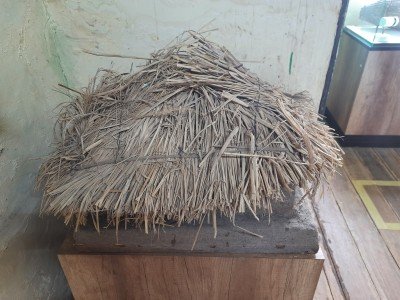
Government Museum
Some quick example text to build on the card title and make up the bulk of the card's content.
Go somewhere
Government Rose Garden
Some quick example text to build on the card title and make up the bulk of the card's content.
Go somewhere
Kalhatty Waterfalls
Some quick example text to build on the card title and make up the bulk of the card's content.
Go somewhere
Kamaraj Sagar Dam
Some quick example text to build on the card title and make up the bulk of the card's content.
Go somewhere
Karnataka Siri Horticulture Garden
Some quick example text to build on the card title and make up the bulk of the card's content.
Go somewhere
Ketti Valley View
Some quick example text to build on the card title and make up the bulk of the card's content.
Go somewhere
Mudumalai National Park
Some quick example text to build on the card title and make up the bulk of the card's content.
Go somewhere
Mukurthi National Park
Some quick example text to build on the card title and make up the bulk of the card's content.
Go somewhere
Needle Rock View Point
Some quick example text to build on the card title and make up the bulk of the card's content.
Go somewhere
Ooty Boat House
Some quick example text to build on the card title and make up the bulk of the card's content.
Go somewherein Other Cities