
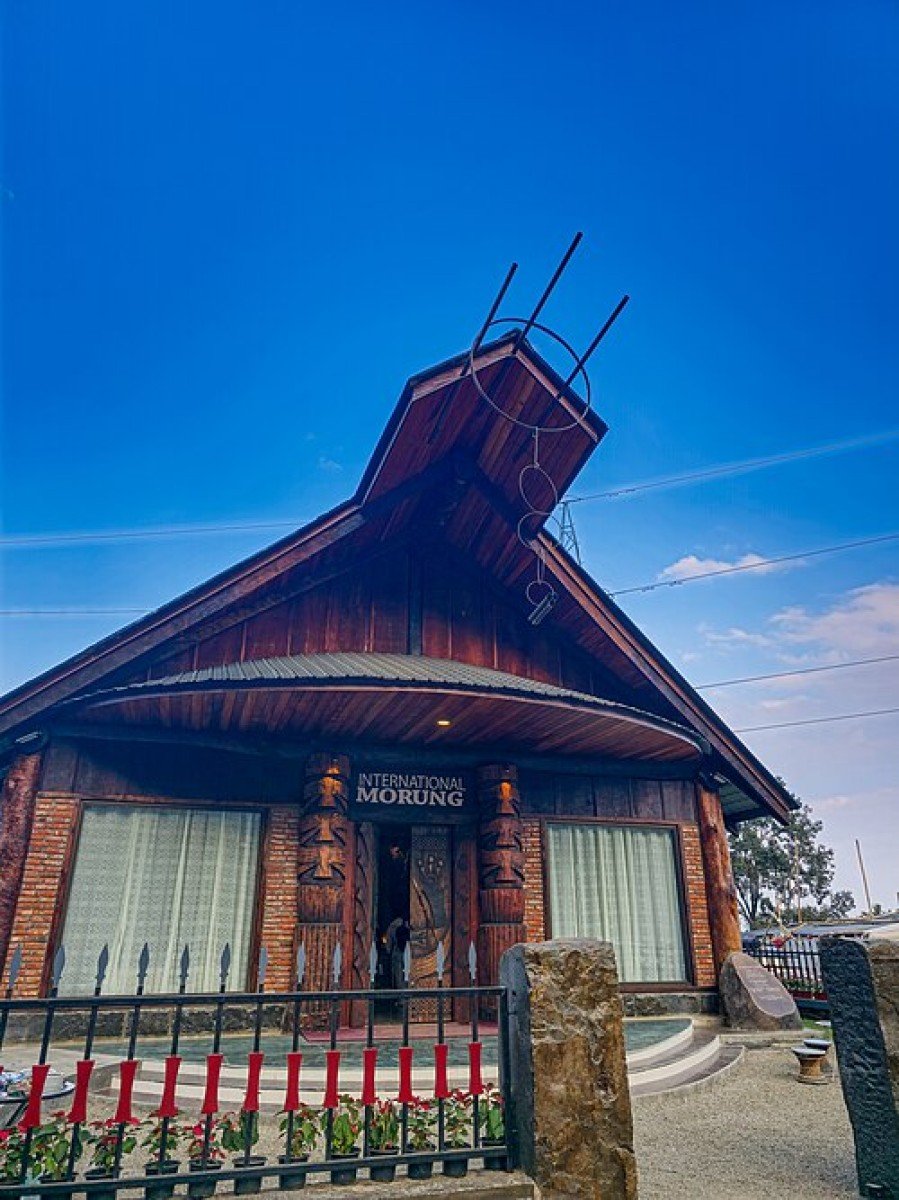


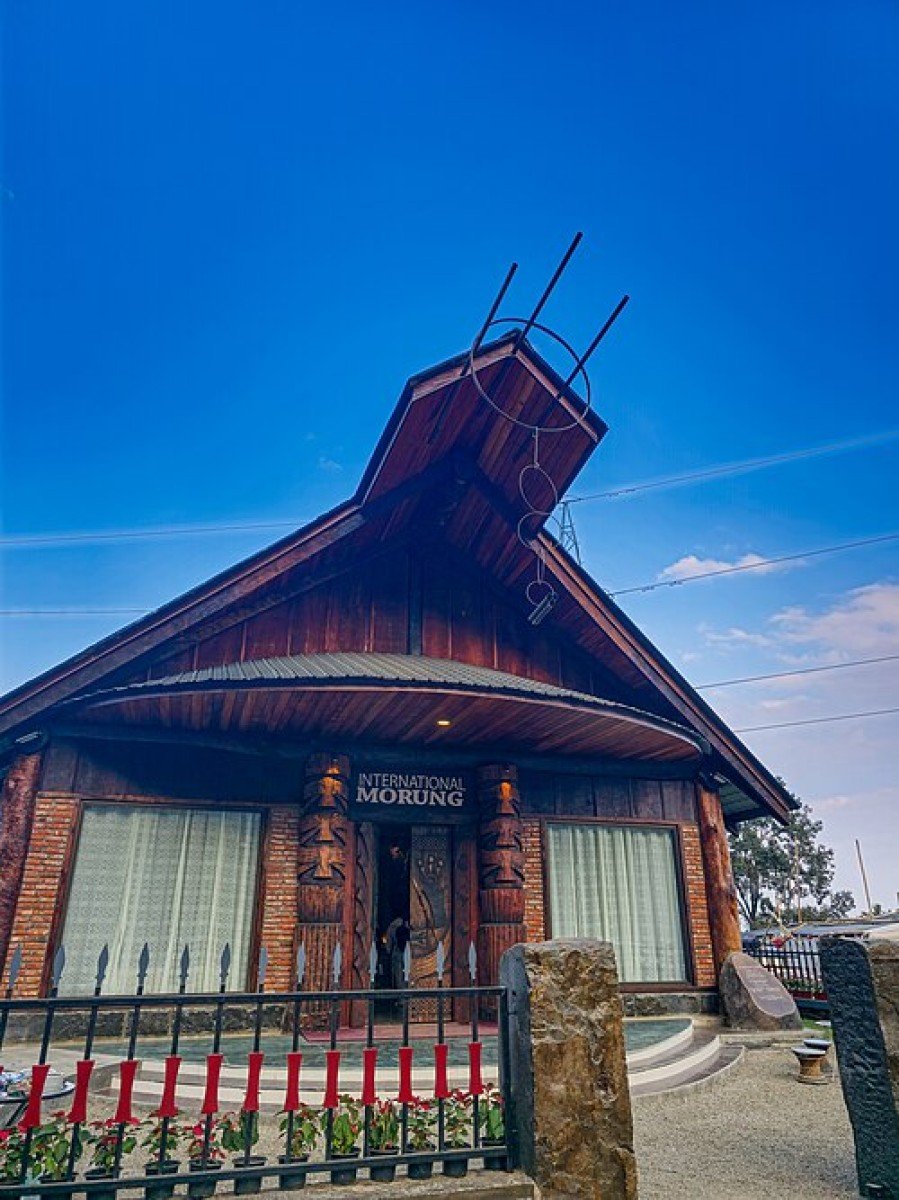
Phek District Museum
General information
-
Ideal Duration:
1 to 2 Hours (For a thorough viewing of all exhibits)Place Type:
Cultural Site, Museum, Educational CenterEntry Fees:
Nominal Indian Fee::The entry fee is usually very nominal, often between Rs.10 and Rs.50 for Indian citizens, positioning the museum as an accessible cultural resource. This fee contributes directly to the maintenance of the facility and the preservation of its collection.
...Nominal Indian Fee::The entry fee is usually very nominal, often between Rs.10 and Rs.50 for Indian citizens, positioning the museum as an accessible cultural resource. This fee contributes directly to the maintenance of the facility and the preservation of its collection.
Higher Foreigner Fee::Foreign nationals may be subject to a slightly higher, yet still modest, fee, typically ranging from Rs.100 to Rs.300, following standard museum pricing practices across India.
Special Group Discounts::Student groups and large educational tours often receive a substantial discounted entry fee, encouraging academic engagement with the local culture and history.
Photography Charges::There is typically no separate fee for non-commercial photography, though flash photography is often prohibited to protect delicate textiles and artifacts.Timing:
Regular Office Timings::The regular timings are usually consistent with a government cultural institution: Tuesday to Saturday, 9:30 AM to 4:30 PM. It is generally closed on Sundays and Mondays and all major public holidays in Nagaland.
Ideal E...Regular Office Timings::The regular timings are usually consistent with a government cultural institution: Tuesday to Saturday, 9:30 AM to 4:30 PM. It is generally closed on Sundays and Mondays and all major public holidays in Nagaland.
Ideal Educational Visit::The ideal visit time is during the middle of the day (11:00 AM to 2:00 PM) when the light is best for viewing and the museum is less crowded, allowing for a focused and quiet study of the exhibits.
Cultural Festival Period::It is an excellent time to visit just before or after major festivals like Tsukhenyie (March/April) when the staff may be arranging or discussing festival-related artifacts.Special Events:
Local School Excursions::The museum frequently organizes educational events and storytelling sessions for local school students, often in collaboration with organizations like the Raja Ram Mohan Roy Library Foundation. These events, if a visitor is present, offer an authent...Local School Excursions::The museum frequently organizes educational events and storytelling sessions for local school students, often in collaboration with organizations like the Raja Ram Mohan Roy Library Foundation. These events, if a visitor is present, offer an authentic glimpse into the community’s commitment to literacy and history.
Exhibit Inaugurations::New exhibits focusing on specific tribal themes, such as traditional ornaments or rituals like Morung Construction, are occasionally inaugurated, drawing local elders and cultural experts for formal ceremonies.Best Photo Spots:
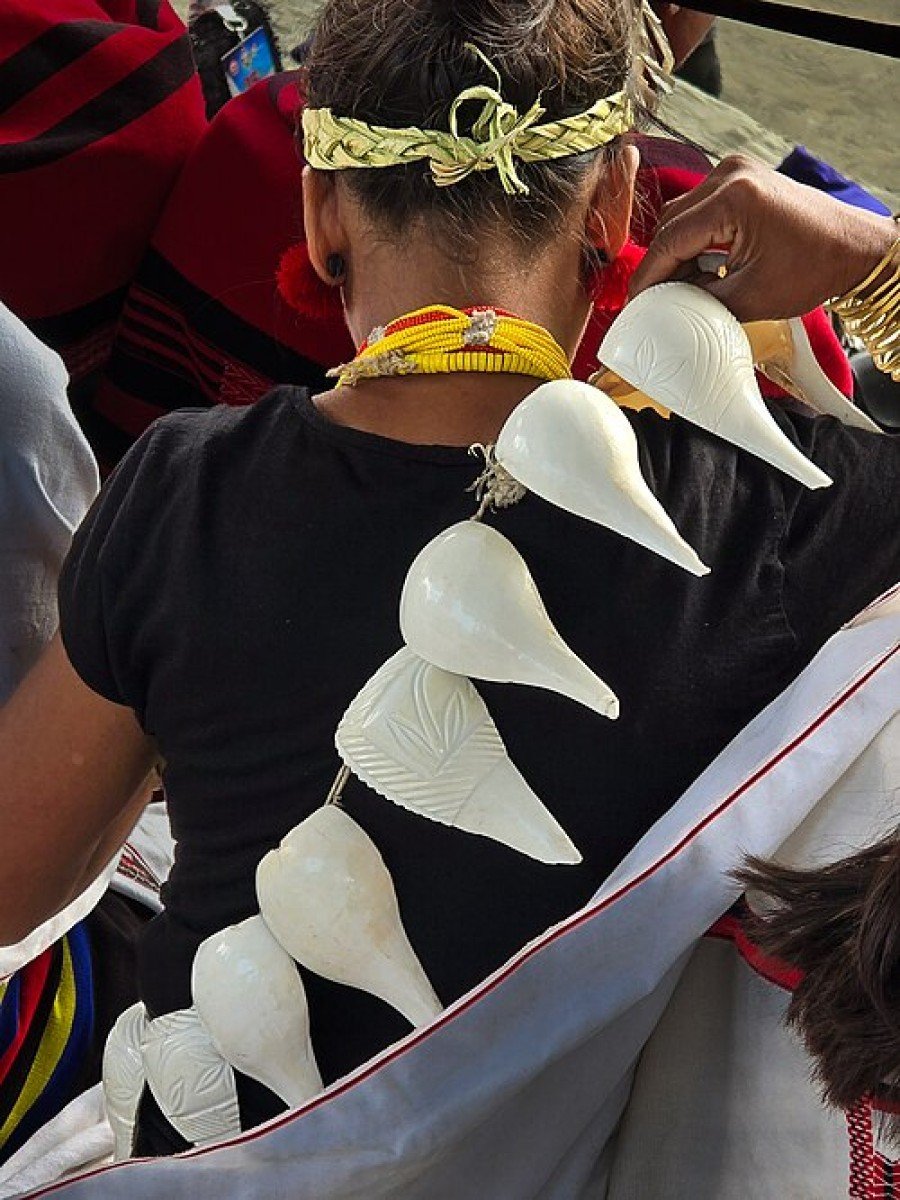
Artifact Display Cases::The brightly lit, well-organized display cases housing the finest artifacts, especially the colorful ceremonial attire and intricately carved wooden objects, are excellent for clean, detailed, and culturally rich photographs.
Read MoreArtifact Display Cases::The brightly lit, well-organized display cases housing the finest artifacts, especially the colorful ceremonial attire and intricately carved wooden objects, are excellent for clean, detailed, and culturally rich photographs.
The Main Entrance Carving::The main entrance or lobby area, often featuring a large, traditional Naga wood carving or a model of a Morung, provides a symbolic and visually impactful backdrop for a visitor photograph.
The Weaponry Section::The section displaying the historic and traditional weapons (spears, shields, daos) arranged artistically on a wall offers a powerful, masculine, and historically evocative photo opportunity.Photo Gallery


Things To Do
-
Study Traditional Shawls::Spend time closely examining the detailed hand-woven Naga shawls, noting the colors and patterns, and try to decipher the meaning of the motifs, which are essentially a form of visual record-keeping.
Understand Warrior Culture::View the collection of ancient Naga weaponry, including spears, daos (machetes), and shields, and read the accompanying texts to understand the transition of Naga society from a warrior culture to a modern society.
Attend a Local Workshop::Check if the museum is hosting any cultural workshops on traditional crafts, weaving, or wood carving, which are often organized in collaboration with local artisans.
Browse the Agricultural Tools::Observe the display of traditional farming implements, which highlight the agrari...Study Traditional Shawls::Spend time closely examining the detailed hand-woven Naga shawls, noting the colors and patterns, and try to decipher the meaning of the motifs, which are essentially a form of visual record-keeping.
Understand Warrior Culture::View the collection of ancient Naga weaponry, including spears, daos (machetes), and shields, and read the accompanying texts to understand the transition of Naga society from a warrior culture to a modern society.
Attend a Local Workshop::Check if the museum is hosting any cultural workshops on traditional crafts, weaving, or wood carving, which are often organized in collaboration with local artisans.
Browse the Agricultural Tools::Observe the display of traditional farming implements, which highlight the agrarian roots of the community and their sustainable, traditional methods of cultivation in the hilly terrain.
Photo Session with Statues::Politely ask for permission to take photographs of the traditional statues or dioramas that depict scenes from village life, providing a lasting visual memory of the culture.
Read Historical Narratives::Dedicate time to read the detailed placards and narratives about the district's history, local legends, and the significance of monuments like the Healing Stones of Phek or the traditional Morung system.
Support Local Art::Inquire about a gift shop or a local craft cooperative often associated with the museum to purchase authentic, locally made handicrafts, thereby directly supporting the district's artisans.
Information
-
Why Famous:
Ethnographic Significance::It is famous for being the central point for the ethnographic study and preservation of the unique culture, language, and material artifacts of the Chakhesang tribe, a major sub-tribe of the Nagas.
Repository of Rare A...Ethnographic Significance::It is famous for being the central point for the ethnographic study and preservation of the unique culture, language, and material artifacts of the Chakhesang tribe, a major sub-tribe of the Nagas.
Repository of Rare Artifacts::The museum houses rare and historically significant Naga artifacts, including ceremonial attire, ancient weaponry, and traditional agricultural tools, providing a deep dive into the tribal customs that are otherwise difficult to access. -
Architecture:
Traditional Naga Elements::The museum building is typically a modern, functional government structure but its exhibits and interior design strongly reflect traditional Naga architecture aesthetics. Expect to see traditional wood carvings, particularly motifs of the Mithun (...Traditional Naga Elements::The museum building is typically a modern, functional government structure but its exhibits and interior design strongly reflect traditional Naga architecture aesthetics. Expect to see traditional wood carvings, particularly motifs of the Mithun (a semi-domesticated bovine important to Naga culture), and stylized representations of the village Morung (bachelor's dormitory) in its display concepts.
Exhibit Dimensions::The architecture focuses on maximizing display space for artifacts.
Dimension (Approximate): Exhibit rooms are often laid out in a logical sequence, covering a total display area of approximately 4,000 to 6,000 square feet, including sections for textiles, pottery, weaponry, and documentation. The goal is clear, well-lit spaces for educational viewing. -
How To Reach:
By Air to Dimapur::The nearest airport is Dimapur Airport (DMU) (Approx. 220 KMS). From the airport, hire a direct taxi or take a shared jeep/bus to Phek Town. The journey is long and scenic, taking 7-8 hours.
By Train to Dimapur::The nea...By Air to Dimapur::The nearest airport is Dimapur Airport (DMU) (Approx. 220 KMS). From the airport, hire a direct taxi or take a shared jeep/bus to Phek Town. The journey is long and scenic, taking 7-8 hours.
By Train to Dimapur::The nearest major railhead is Dimapur Railway Station. From Dimapur, take a direct overnight bus service or a hired taxi that runs to Phek Town.
By Road from Kohima::Phek Town is approximately 145 KMS from the state capital, Kohima. State Transport buses and Tata Sumos (shared taxis) run regularly from Kohima to Phek Town, making this the most common route.
By Local Transport::The museum is located within the Phek Town limits. Visitors can easily reach it by walking from their accommodation, or by hiring a local Phek Town taxi or a cheap auto-rickshaw (if available). -
Weather and Best Time to Visit:
Post-Monsoon Clarity (October to November)::The clear, cool weather is perfect for exploring Phek Town and its surroundings before or after the museum visit.
Pleasant Winters (December to February)::Comfortable indoor viewing conditions, tho...Post-Monsoon Clarity (October to November)::The clear, cool weather is perfect for exploring Phek Town and its surroundings before or after the museum visit.
Pleasant Winters (December to February)::Comfortable indoor viewing conditions, though the town outside is very chilly. This season often coincides with peak tourist arrival for the Hornbill Festival (in Kohima), making the museum a quieter cultural retreat.
Morning or Mid-day::The museum is best visited during the mid-day hours when it is fully open, and one can spend focused time indoors away from the sun or rain. -
Near Tourist Places:
Phek Waterfall (A beautiful natural attraction - Approx. 10 KMS), Dzudu Lake (A picturesque sacred lake - Approx. 50 KMS), Khezhakeno Village (Historic Village - Approx. 45 KMS), Pfutsero Town (Coldest town in Nagaland - Approx. 75 KMS), Shilloi Lake (Major Natural Lake - Approx. 110 KMS), Glory Peak (Mt. Zanibu) (Trekking spot near Pfutsero - Approx. 70 KMS), Kapamüdzü Peak (Highest Table Top Mountain - Approx. 65 KMS), Kohima (State Capital - Approx. 145 KMS), Naga Heritage Village, Kisama (Hornbill Venue - Approx. 135 KMS), Kohima War Cemetery (WWII Memorial - Approx. 140 KMS).
Tourism Tips
-
Health & Safety::The museum premises are safe; however, respect the cultural sensitivity of the exhibits. Do not touch artifacts. For travel, be mindful of road conditions, which can be challenging, especially during the monsoon.
Packing Esse...Health & Safety::The museum premises are safe; however, respect the cultural sensitivity of the exhibits. Do not touch artifacts. For travel, be mindful of road conditions, which can be challenging, especially during the monsoon.
Packing Essentials::A small notebook for taking notes on the artifacts and a good camera (without flash) are essential. Carry a jacket even in summer due to the high altitude of Phek Town.
Accommodation::Numerous guesthouses and basic hotels are available directly in Phek Town, catering to official visitors and tourists. Homestays in nearby villages offer a more authentic experience.
Inner Line Permit (ILP)::Indian Nationals require an ILP for Nagaland. Ensure to keep the original copy safe and accessible, as it may be checked at district entry points.
Reviews
FAQs
Phek Itineray And Cost:-
Phek District Museum Tourism:-
Other Places In Phek :-
Other States In India :-
Information about New and Updated Locations() of Nagaland Has Been Added :-
Card subtitle
Note:-
Information provided here in good Faith and for reference only.
Near Places

Akhegwo Community Reserve
Some quick example text to build on the card title and make up the bulk of the card's content.
Go somewhere
Chida Lake Camping
Some quick example text to build on the card title and make up the bulk of the card's content.
Go somewhere
Chishilimi Community Reserve
Some quick example text to build on the card title and make up the bulk of the card's content.
Go somewhere
Chizami Village
Some quick example text to build on the card title and make up the bulk of the card's content.
Go somewhere
Ghosu Bird Sanctuary
Some quick example text to build on the card title and make up the bulk of the card's content.
Go somewhere
Glory Peak
Some quick example text to build on the card title and make up the bulk of the card's content.
Go somewhere
Kikruma Village
Some quick example text to build on the card title and make up the bulk of the card's content.
Go somewhere
Kuzatu Community Reserve
Some quick example text to build on the card title and make up the bulk of the card's content.
Go somewhere
Lephori Community Reserve
Some quick example text to build on the card title and make up the bulk of the card's content.
Go somewhere
Losami Village
Some quick example text to build on the card title and make up the bulk of the card's content.
Go somewhere
Lozaphuhu Reserve
Some quick example text to build on the card title and make up the bulk of the card's content.
Go somewhere
Mount Zhipu
Some quick example text to build on the card title and make up the bulk of the card's content.
Go somewhere
Zanibu Peak Trekking Area
Some quick example text to build on the card title and make up the bulk of the card's content.
Go somewherein Other Cities