...

Place To Visit And Things To Do In Andrott

Lakshadweep, India
Place Details: Geographic Significance: Andrott, also known as Androth, is the largest island in the Lakshadweep archipelago, covering an area of 4.9 SQ KM. Unlike other islands that lie north-south, Andrott is oriented east-west and is the closest island to the Indian mainland. It is unique because it has a very small lagoon area compared to its large landmass. Religious Heritage: This island was the first in Lakshadweep to embrace Islam. It is home to the tomb of Saint Ubaidullah, who is said to have brought the religion to these islands. The tomb is located in the Jumaat Mosque, which is a highly revered site for pilgrims and locals. The island remains a center for religious learning and traditional Islamic studies. Economic Life: The island is heavily covered with thick vegetation, primarily coconut groves, which support a thriving coir and copra industry. Fishing is the other major economic activity, with Andrott being a significant contributor to the territory's fish exports. The community is industrious and maintains a strong connection to their maritime and agricultural roots. Archaeological Finds: Interestingly, Andrott is one of the few places in Lakshadweep where Buddhist archaeological remains have been discovered. This suggests a history that predates the Islamic era, adding a layer of mystery and historical depth to the island. Visitors can explore these sites to get a glimpse of the ancient history of the Arabian Sea.

Things To Do

Card image cap
Andrott Museum

The Andrott Museum is a compact yet culturally significant local display, not a large-scale modern institution, but rather a simple gallery dedicated...

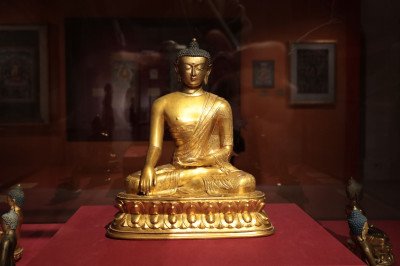
The Andrott Museum is a compact yet culturally significant local display, not a large-scale modern institution, but rather a simple gallery dedicated to showcasing the island's unique history and heritage. It plays a crucial role in preserving the remnants of Andrott's rich past, particularly its ancient Buddhist links, which are rare in the predominantly Muslim Lakshadweep. The display features a collection of archaeological findings, including pottery shards, coins, stone sculptures, and remnants of pillars, some dating back to the 9th century AD, offering tangible proof of the island's pre-Islamic era. Beyond the Buddhist artifacts, the museum also houses items related to the island's recent history, local crafts, and ethnographic material. These include traditional fishing gear, coir products (copra and coir are major products), household tools, and traditional Lakshadweep attire. The display aims to provide visitors with a quick, informative glimpse into the local island lifestyle, economy, and the layers of history that define Andrott. It serves as an essential first stop for anyone interested in understanding the island's historical evolution and cultural blending, influenced by Kerala and the Middle East. The museum is typically managed by local authorities or a small team, maintaining a low-key and intimate atmosphere, which adds to its charm as an authentic local experience, unlike commercialized mainland museums. The items are often accompanied by brief descriptions, which tell the story of the islanders' transition and resilience. The modest size ensures that the visit is brief but highly concentrated in historical value, leaving a deep impression of Andrott's historical importance. The presence of artifacts from different periods underlines Andrott's role as an ancient maritime trading post and a place of cultural convergence.
Card image cap
Buddhist Archaeological Remains

The Buddhist Archaeological Remains in Andrott are profoundly significant, as they represent one of the only concrete pieces of evidence of a pre-Isl...

The Buddhist Archaeological Remains in Andrott are profoundly significant, as they represent one of the only concrete pieces of evidence of a pre-Islamic settlement and the influence of Buddhism in the Lakshadweep islands. These remains, primarily stone fragments of stupas, pillars, and sculptures, are believed to date back to the 6th to 9th centuries AD. The discoveries confirm the island's historical importance as a stopover or perhaps even a settled community for Buddhist monks, traders, or travelers along ancient maritime routes connecting South India and other parts of Southeast Asia. The artifacts, though fragmented, clearly exhibit characteristics of Buddhist art and architecture from the period. The very existence of these relics points to a fascinating period in Andrott's history where it was a center of religious pluralism before the arrival of Saint Ubaidullah in the 7th century AD and the island's subsequent conversion to Islam. Visitors typically view these priceless relics in a secure, curated environment within the small local museum. The remains challenge the perception of Lakshadweep's history as exclusively Islamic, highlighting a vibrant, multi-layered past. They serve as a powerful silent witness to the island's long-lost cultural heritage and its early connection with the Chera kingdom of mainland Kerala and Tamil Nadu. Protecting these fragments is paramount, as they are fragile and susceptible to the tropical climate, making the museum a vital custodian of this rare history.
Card image cap
Coastal Scenery Drive

The Coastal Scenery Drive in Andrott is not a high-speed highway but a leisurely and intimate circuit around the island's coastline, mostly following...

The Coastal Scenery Drive in Andrott is not a high-speed highway but a leisurely and intimate circuit around the island's coastline, mostly following the narrow roads that trace the perimeter. The island's unique orientation (east-west) and its compact size (4.9 sq. km) mean the drive is short, lasting only about 30 to 45 minutes in total, yet it offers a comprehensive view of the island's diverse landscapes. The drive showcases a beautiful and constantly changing panorama, transitioning from the busy, lagoon-facing areas near the main jetty and village to the more rugged, open sea-facing eastern and western shores. Along the way, travelers pass through dense, lush coconut groves, which are the backbone of the island's economy, and traditional island settlements with simple, brightly painted houses made of coral stone. The road offers spectacular views of the turquoise Laccadive Sea and the varying coastal formations, including stretches of white sandy beaches and portions where coral debris creates a natural storm-bank. The tranquil atmosphere is a major attraction, with the sound of the ocean and the rustling of palm leaves providing a soothing backdrop. It's an excellent way to grasp the geography of Andrott and observe the daily life of the islanders, including children playing and fishermen mending nets. Since tourism is regulated, this drive provides an authentic, unhurried, and genuinely local experience, serving as a perfect introduction to the island's topography and culture.
Card image cap
Coconut Oil Mill

The Traditional Coconut Oil Mill in Andrott is an essential cultural and economic attraction, offering a fascinating glimpse into the island's primar...

The Traditional Coconut Oil Mill in Andrott is an essential cultural and economic attraction, offering a fascinating glimpse into the island's primary industry. Andrott, like the rest of Lakshadweep, relies heavily on the coconut for its livelihood, from food and drink to coir production and oil. The traditional mill, often a small, family-run operation or a local cooperative, utilizes time-honored, minimal-machinery methods for extracting oil from copra (dried coconut kernel). This often involves using a chekku or ghani—a traditional wooden oil press, sometimes bullock-driven, or a simple mechanized cold-press. The process is a stark contrast to modern, large-scale industrial methods, emphasizing purity and local sustainability. Visitors can observe the entire cycle, from the husking of the nuts to the drying of the copra and the final pressing of the fragrant, pure coconut oil. The sweet, rich aroma of the freshly pressed oil and the sight of the traditional machinery at work are highly sensory experiences. The mill is not just a commercial unit but a cultural hub, reflecting the islanders' intimate connection with the coconut palm, the 'Kalpavriksha' (tree of life) of the islands. A visit here provides a valuable insight into the local economy and the traditional skills that have been passed down through generations, ensuring the continued production of high-quality, unadulterated coconut oil and copra products.
Card image cap
Coral Gardens Snorkeling Area

The Coral Gardens Snorkeling Area in Andrott is a designated spot in the island's lagoon, known for its pristine and relatively shallow waters that a...
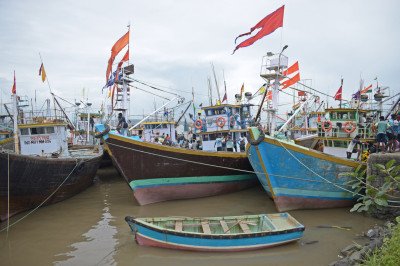
The Coral Gardens Snorkeling Area in Andrott is a designated spot in the island's lagoon, known for its pristine and relatively shallow waters that are ideal for observing marine life. While Andrott's lagoon is smaller than other islands, the reef here is home to a vibrant ecosystem of hard and soft coral formations, often called a coral garden. Snorkeling here provides a mesmerizing window into the underwater world without the need for scuba diving gear. Visitors can expect to see a stunning variety of colorful reef fish, including parrotfish, butterflyfish, and surgeonfish, moving gracefully through the branches of staghorn and brain corals. If lucky, one may spot sea turtles, small reef sharks (harmless), or rays resting on the sandy bottom. The clarity of the Laccadive Sea water allows for excellent visibility, sometimes exceeding 20 meters. The protected lagoon waters are typically calm and warm, making it a safe and relaxing activity suitable for all experience levels, from beginners to experienced snorkelers. Due to the high sensitivity of the coral ecosystem, local authorities ensure strict guidelines are followed, emphasizing non-contact and non-feeding policies to preserve the fragile environment. The spot truly embodies the untouched natural beauty of Lakshadweep, offering a quiet, immersive experience that is a world away from the busy beaches of the mainland.
Card image cap
Fishing Jetty/Harbour

The Fishing Jetty/Harbour is the pulsating heart of Andrott Island's economy and social life. It serves a dual purpose: as the main inter-island and ...
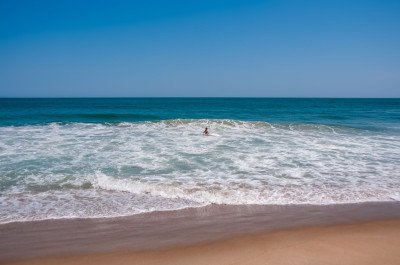
The Fishing Jetty/Harbour is the pulsating heart of Andrott Island's economy and social life. It serves a dual purpose: as the main inter-island and mainland connectivity point for passenger ships and cargo, and as the central hub for the island's vital fishing industry, particularly tuna fishing. Unlike the lagoons on the west side, the main harbour in Andrott is often an open-sea jetty, built to reach deeper water for larger vessels, reflecting the island's unique orientation. Early mornings are the most dynamic time, as colorful fishing boats (called Odums or Jahadhonis) return with their night's catch. The sight of fishermen unloading huge catches of tuna, sorting, and preparing them for the local market or the tuna-canning factory (often on nearby islands like Minicoy) is a fascinating spectacle of island commerce. The jetty area is a perfect place to witness the authentic local lifestyle, as it's a meeting point for trade, transport, and community interaction. It is a place of raw, unvarnished industry, contrasting sharply with the tranquil beaches. The harbour infrastructure, though simple, is critical for the island's survival, facilitating the import of supplies and the export of local products like copra and fish. A visit here offers a powerful insight into the livelihood, resilience, and traditions of the Andrott islanders, highlighting their deep connection with the Arabian Sea.
Card image cap
Harminder Bay Beach

Harminder Bay Beach, while sometimes confused with a beach of a similar name in the Andaman Islands, refers in the Lakshadweep context to a specific, ...

Harminder Bay Beach, while sometimes confused with a beach of a similar name in the Andaman Islands, refers in the Lakshadweep context to a specific, serene stretch of coastline on Andrott Island, offering a truly untouched experience distinct from the typical tourist trails. The beach is a haven of white, powdery sand and is fringed by swaying coconut palms and the calm, crystal-clear waters of the surrounding lagoon. Unlike the more developed beaches in other parts of Lakshadweep, this spot on Andrott maintains a tranquil, almost pristine environment, making it an ideal location for visitors seeking solitude and a deep connection with nature. The lagoon's shallow, warm waters are perfect for a relaxing dip, though currents outside the reef should be respected. The area is rich in marine biodiversity, with glimpses of colorful reef fish visible even from the shore. The quiet atmosphere also makes it an excellent location for reading, meditation, or simply enjoying the uninterrupted sound of the waves. It embodies the slow, peaceful pace of island life characteristic of Andrott, providing a memorable escape from the fast pace of the mainland. The relative lack of commercial activity enhances its appeal as a genuinely unspoiled natural attraction.
Card image cap
Jumah Mosque

The Jumah Mosque on Andrott Island is one of the most historically and religiously significant structures in the entire Lakshadweep archipelago. It is...

The Jumah Mosque on Andrott Island is one of the most historically and religiously significant structures in the entire Lakshadweep archipelago. It is revered not just as a principal place of Friday congregation but also as the location of the tomb of Hazrat Ubaidullah, the saint credited with introducing Islam to the islands in the 7th century AD. This mosque, therefore, represents the spiritual bedrock of the island's Muslim community, which constitutes the majority of the population. The site is a profound testament to the blend of cultural and religious influences that have shaped Andrott over the centuries. A visit offers a peaceful, meditative experience and a deep dive into the island's history, showcasing a unique architectural style that combines traditional Malabar and indigenous Lakshadweep building techniques with classic Islamic motifs. The atmosphere is one of profound tranquility and deep reverence, urging visitors to be respectful and mindful of its sanctity. It remains an active and vital religious center for the islanders.
Card image cap
Local Handicraft Stalls

The Local Handicraft Stalls in Andrott are a vibrant display of the islanders' traditional skills and a crucial part of the local economy. These stall...

The Local Handicraft Stalls in Andrott are a vibrant display of the islanders' traditional skills and a crucial part of the local economy. These stalls, often simple setups in the main village market or near the ferry docking area, offer a unique opportunity for tourists to purchase authentic, handmade souvenirs and support the local artisans directly. The crafts are deeply rooted in the island's natural resources and way of life, primarily utilizing coconut shells, coir (coconut fiber), seashells, and coral stone (used sustainably in the past, now mainly shells). Popular items include intricate coconut shell artifacts, models of traditional fishing boats, coir mats and ropes, decorative pieces made from seashells, and simple, hand-stitched clothing. Visiting the stalls is not just a shopping experience; it is an engaging cultural exchange, allowing visitors to see the artistry firsthand and understand the ingenuity of the islanders in utilizing every part of their environment. It is the best place to find a tangible memory of your Lakshadweep visit.
Card image cap
Long Island Beach

The name Long Island Beach is a general term often applied to the extended, pristine beaches found along the perimeter of Andrott Island, the longest ...

The name Long Island Beach is a general term often applied to the extended, pristine beaches found along the perimeter of Andrott Island, the longest island in the Lakshadweep chain (approx. 4.9 KMS in length). Unlike a specific, named bay, this designation refers to the continuous stretch of untouched shoreline and the vast, calm lagoon it frames, particularly along the eastern and northern sides. This part of the island is less populated and offers endless opportunities for long, solitary walks, experiencing the raw, untamed beauty of the atoll. The sand here is soft and white, and the waters of the surrounding lagoon are extremely shallow and clear, making it a natural habitat for small marine life and a perfect, natural infinity pool for safe, gentle swimming. The dense fringe of coconut and screw pine trees provides a quiet, secluded atmosphere. Given Andrott's unique east-west orientation, this long beach area offers a remarkable perspective of the ocean, often allowing for views of both sunrise and sunset with a short walk. It's the ultimate destination for peace and unspoiled natural photography.
Card image cap
Tomb of Hazrat Ubaidullah

The Tomb of Hazrat Ubaidullah is an exceptionally important and sacred site for the people of Lakshadweep. It is believed to be the resting place of S...

The Tomb of Hazrat Ubaidullah is an exceptionally important and sacred site for the people of Lakshadweep. It is believed to be the resting place of Sheikh Ubaidullah, the revered Arab saint who is credited with having converted the islanders to Islam in the 7th century AD. The tomb is housed within or immediately adjacent to the historic Jumah Mosque, signifying its foundational role in the island's spiritual life. Visiting the tomb is an act of deep reverence for the locals and offers tourists a profound insight into the religious and cultural history of the entire archipelago. The site is a beacon of faith, reflecting the strong Muslim identity of Andrott. The structure of the tomb itself is simple and modest, in line with Islamic traditions, and its atmosphere is one of profound peace and sanctity, drawing both pilgrims and history enthusiasts. Its story is inextricably linked to the arrival of Islam to South India via the maritime trade routes.
Card image cap
Traditional Boat Race Venue

The Traditional Boat Race Venue in Andrott is not a fixed structure but a designated stretch of the island's expansive, calm lagoon where the island's...

The Traditional Boat Race Venue in Andrott is not a fixed structure but a designated stretch of the island's expansive, calm lagoon where the island's famous Jahdhoni (a long, traditional canoe) races are held, primarily during festive seasons. These races are a vibrant, high-energy spectacle of local culture, skill, and communal pride, often reminiscent of the famous Snake Boat Races of Kerala, but on a smaller, unique Lakshadweep scale. The boat, known as Jahdhoni or Mas Odi, is expertly crafted and propelled by teams of powerfully rowing islanders, singing traditional boat songs (Vanchipattu) to maintain rhythm and morale. This event showcases the island's deep-rooted connection to the sea and its maritime heritage, providing an electrifying contrast to the island's usual tranquil pace. As a purely seasonal event, witnessing a race is a matter of fortunate timing, but if you do, it is an unparalleled opportunity to experience the collective energy, competitive spirit, and rich cultural traditions of the islanders.
Card image cap
Tuna Canning Factory

The Tuna Canning Factory in Andrott is an important site, offering a unique, non-touristy glimpse into the economic backbone of Lakshadweep: the fishi...

The Tuna Canning Factory in Andrott is an important site, offering a unique, non-touristy glimpse into the economic backbone of Lakshadweep: the fishing industry, particularly tuna processing. Tuna is the primary catch and source of livelihood for the islanders, and the traditional product, Masmin (sun-dried and smoked tuna), is a regional specialty. While sometimes the full factory is not open for general tours due to health and safety regulations, the area around the factory and the associated Fisheries Department facilities often provides a fascinating look at the local industry. Visitors can often see the boats landing their catches, the processing of the fish, and the preparation of value-added products like canned tuna and Masmin. This visit is a powerful educational experience, showcasing the unique "Pole and Line" fishing method used exclusively in Lakshadweep and the critical role of sustainable fishing in the atoll's ecosystem and economy. It is a genuine encounter with the working, industrial life of the island.
Show All

Andrott Itineray And Cost:-

Information about New and Updated Locations() of Lakshadweep Has Been Added :-
Card subtitle

Note:-

Information provided here in good Faith and for reference only.

All information and pictures will be updated soon, please keep visiting.

Near Places
...
Agatti

Some quick example text to build on the card title and make up the bulk of the card's content.

Go somewhere
...
Amini

Some quick example text to build on the card title and make up the bulk of the card's content.

Go somewhere
...
Andrott

Some quick example text to build on the card title and make up the bulk of the card's content.

Go somewhere
...
Bitra

Some quick example text to build on the card title and make up the bulk of the card's content.

Go somewhere
...
Chetlat

Some quick example text to build on the card title and make up the bulk of the card's content.

Go somewhere
...
Kadmat

Some quick example text to build on the card title and make up the bulk of the card's content.

Go somewhere
...
Kalpeni

Some quick example text to build on the card title and make up the bulk of the card's content.

Go somewhere
...
Kavaratti

Some quick example text to build on the card title and make up the bulk of the card's content.

Go somewhere
...
Kiltan

Some quick example text to build on the card title and make up the bulk of the card's content.

Go somewhere
...
Minicoy

Some quick example text to build on the card title and make up the bulk of the card's content.

Go somewhere
in Other Cities