



Sainj Valley
General information
-
Ideal Duration:
2 to 4 DaysPlace Type:
Nature, Wildlife, SpiritualEntry Fees:
Minimal National Park Fees: Access to the general Sainj Valley and Shangarh meadows is free of charge. However, if you plan to enter the core zone of the Great Himalayan National Park, you must obtain a permit from the forest office in Sainj or Ropa. The fee for Indian na...Minimal National Park Fees: Access to the general Sainj Valley and Shangarh meadows is free of charge. However, if you plan to enter the core zone of the Great Himalayan National Park, you must obtain a permit from the forest office in Sainj or Ropa. The fee for Indian nationals is approximately 100 INR per day, while for foreign nationals, it is 400 INR per day. Camera fees may also apply, ranging from 200 to 500 INR. Hiring a local guide, which is highly recommended for safety, can cost around 1000 to 1500 INR per day.Timing:
Daylight Exploration: The valley is accessible 24/7, but for safety and visibility, 07:00 AM to 06:00 PM is the best time for activities. The meadows are most beautiful during sunrise and sunset.
Ideal Visit Time: The months of March to Ju...Daylight Exploration: The valley is accessible 24/7, but for safety and visibility, 07:00 AM to 06:00 PM is the best time for activities. The meadows are most beautiful during sunrise and sunset.
Ideal Visit Time: The months of March to June (Summer) and September to November (Autumn) are perfect. During these times, the weather is pleasant, and the trails are accessible. Winters are cold with heavy snow, which can block the road to Shangarh.Special Events:
The Fagli Festival: The Fagli festival, celebrated in February or March, is the most important cultural event in Sainj Valley. It marks the end of winter and the beginning of spring. Men wear traditional masks and costumes made of grass and perform ritualistic dances to d...The Fagli Festival: The Fagli festival, celebrated in February or March, is the most important cultural event in Sainj Valley. It marks the end of winter and the beginning of spring. Men wear traditional masks and costumes made of grass and perform ritualistic dances to drive away evil spirits. The festival is a colorful and somewhat mysterious event that showcases the deep-rooted pagan traditions of the valley. It is a time of great joy, with community feasts and music that echo through the mountains, bringing the entire valley together in celebration.Best Photo Spots:
Photo Spots:
Meadows and Mist: 1.
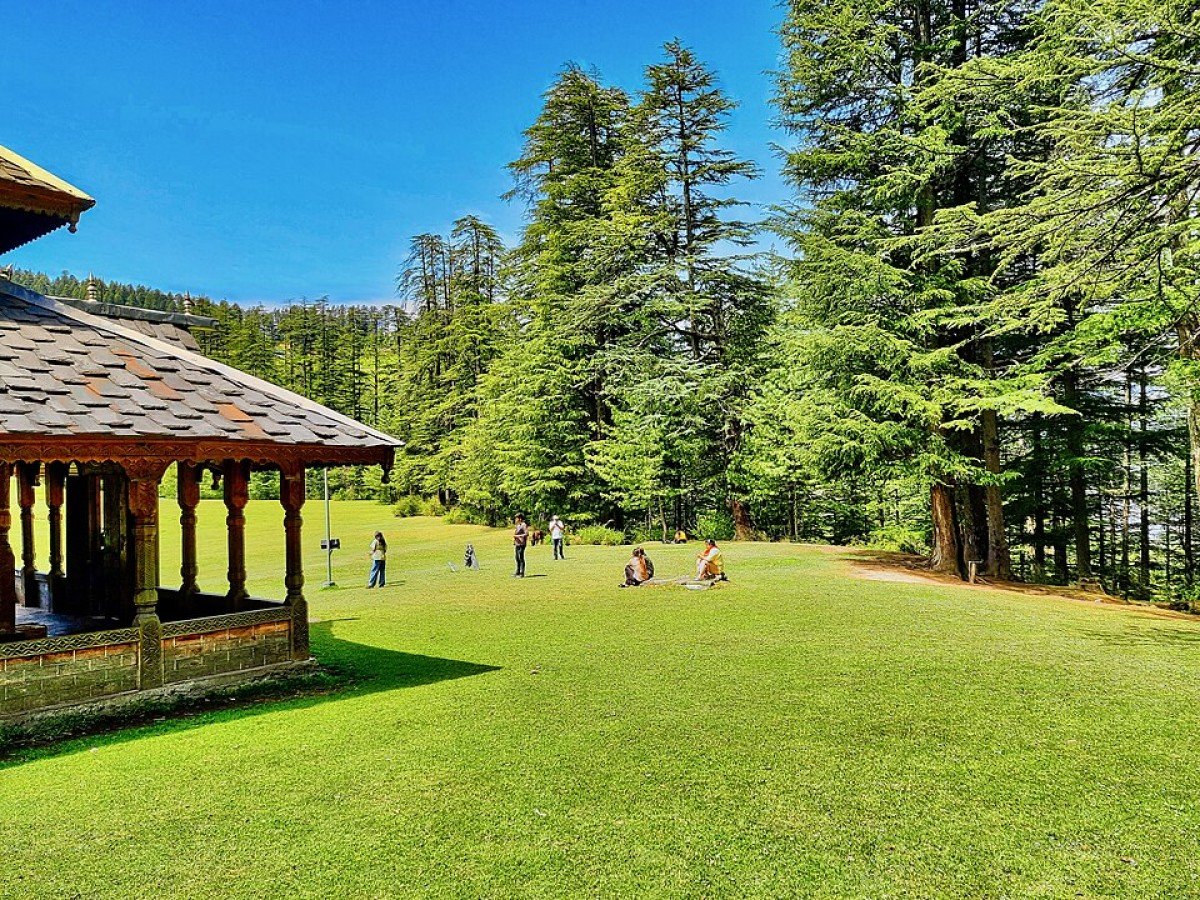
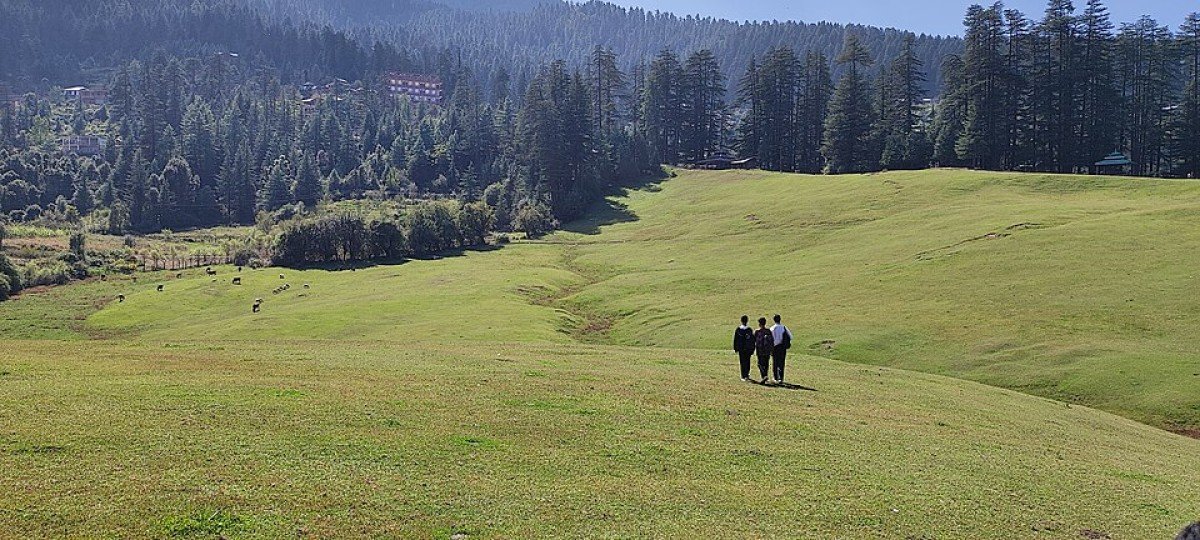
Shangarh Meadows: The vast expanse of green with the Shangchul Mahadev Temple in the background is the most iconic shot in the valley. 2.
Barsh...Photo Spots:
Meadows and Mist: 1.
Shangarh Meadows: The vast expanse of green with the Shangchul Mahadev Temple in the background is the most iconic shot in the valley. 2.
Barshangarh Waterfall: The gushing white water against the dark green mossy rocks provides a perfect long-exposure photography opportunity. 3.
Twin Towers of Raila: These ancient wooden towers offer a dramatic silhouette against the sky, perfect for architectural photography.Photo Gallery


Things To Do
-
Adventure in the Wild: 1.
Shangarh Meadow Walk: Spend hours walking or just sitting on the soft grass of the Shangarh meadows, soaking in the panoramic mountain views. 2.
Trekking: Take the trek to Pundrik Rishi Lake or the more challenging Raktisar Glacier trek for a true wilderness experience. 3.
Village Exploration: Visit Neuli and Shanshar to see the traditional way of life and the ancient Manu Rishi Temple. 4.
Wildlife Spotting: Go on a guided walk in the GHNP buffer zone to spot Monal pheasants, Himalayan Tahr, and if lucky, a Snow Leopard. 5.
Photography: Capture the unique tower temples and the stunning landscape of the valley during the golden hour. 6.
...Adventure in the Wild: 1.
Shangarh Meadow Walk: Spend hours walking or just sitting on the soft grass of the Shangarh meadows, soaking in the panoramic mountain views. 2.
Trekking: Take the trek to Pundrik Rishi Lake or the more challenging Raktisar Glacier trek for a true wilderness experience. 3.
Village Exploration: Visit Neuli and Shanshar to see the traditional way of life and the ancient Manu Rishi Temple. 4.
Wildlife Spotting: Go on a guided walk in the GHNP buffer zone to spot Monal pheasants, Himalayan Tahr, and if lucky, a Snow Leopard. 5.
Photography: Capture the unique tower temples and the stunning landscape of the valley during the golden hour. 6.
Camping: Enjoy a night under the stars in the designated camping spots near the meadows, listening to the sounds of the forest. 7.
River Angling: Try your hand at trout fishing in the clear waters of the Sainj River (permits required). 8.
Local Food: Taste traditional Himachali dishes like Siddu and Madra at a local homestay for an authentic culinary experience.
Information
-
Why Famous:
The Legend of Shangarh: Sainj Valley is most famous for the legendary meadows of Shangarh. According to local folklore, the Pandavas from the Mahabharata stayed here during their exile and meticulously cleared the land of all stones to create these meadows for their prayer...The Legend of Shangarh: Sainj Valley is most famous for the legendary meadows of Shangarh. According to local folklore, the Pandavas from the Mahabharata stayed here during their exile and meticulously cleared the land of all stones to create these meadows for their prayers. The valley is also a major hub for the Great Himalayan National Park, attracting nature researchers and wildlife enthusiasts from across the globe. It is renowned for its unique Kath-Kuni architecture and the traditional Fagli festival. The valley's reputation as an offbeat, serene destination makes it a favorite for travelers looking to escape the commercial noise of Himachal's more popular hill stations. -
Architecture:
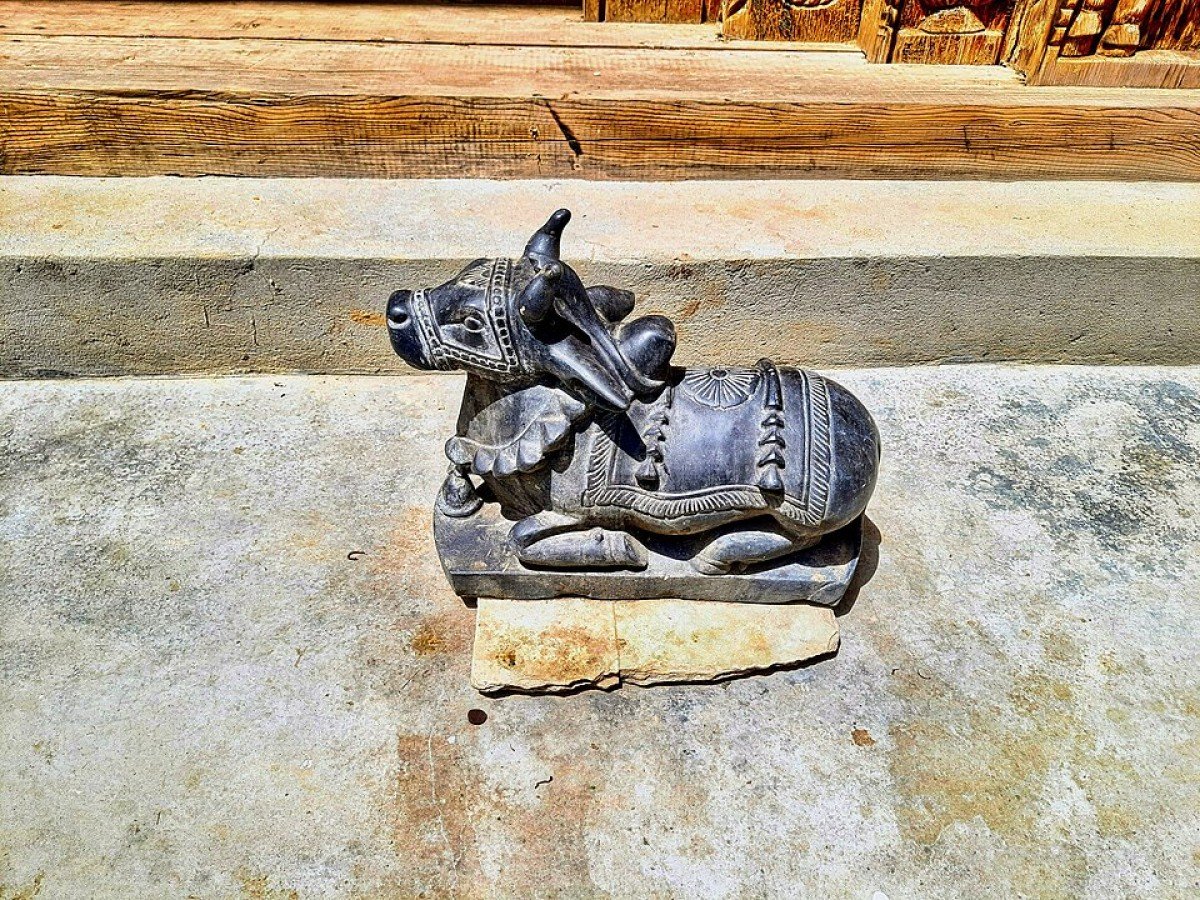
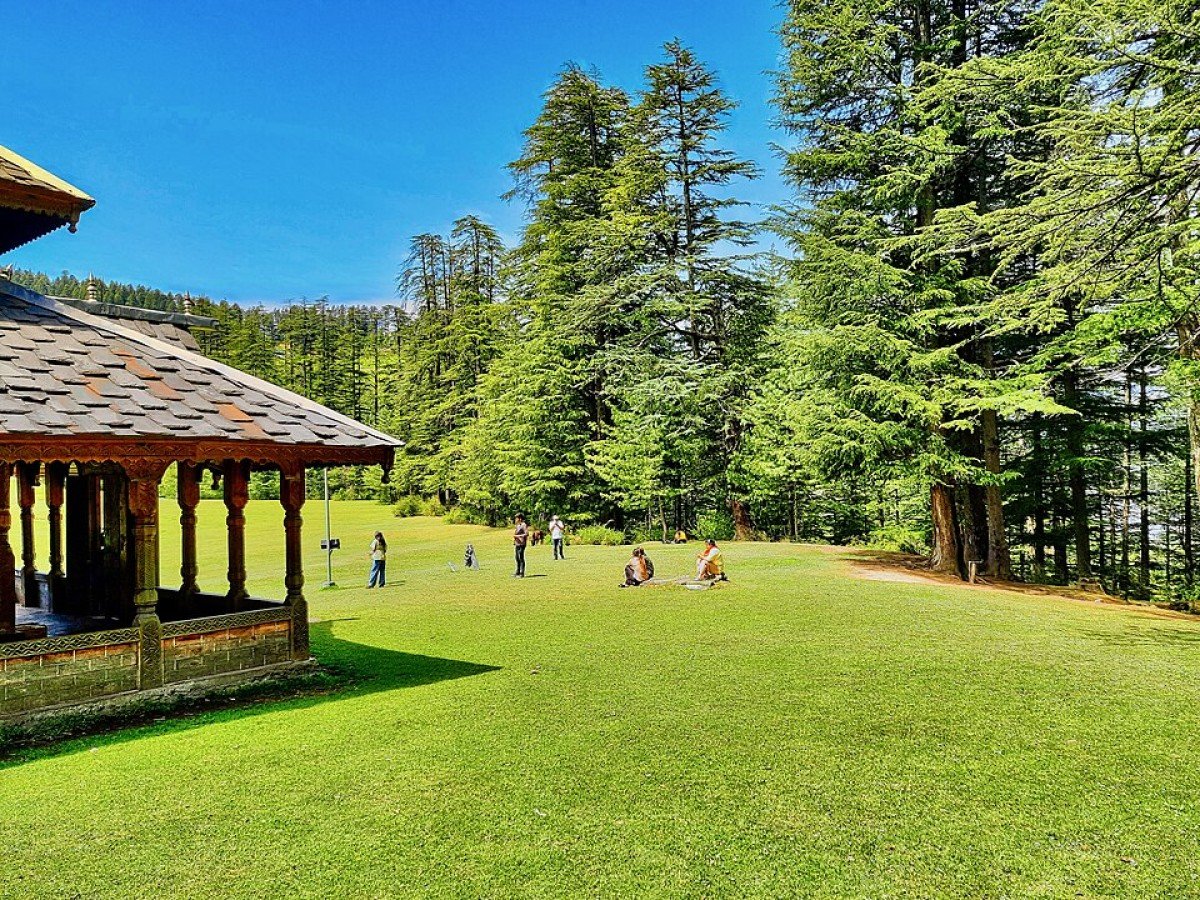
Towering Wooden Wonders: The architecture of Sainj Valley is famous for its "Tower Temples" and Kath-Kuni houses. These structures are built using locally sourced deodar wood and stone. The Shangchul Mahadev Temple in Shangarh is a prime example, featuring a three-storied...Towering Wooden Wonders: The architecture of Sainj Valley is famous for its "Tower Temples" and Kath-Kuni houses. These structures are built using locally sourced deodar wood and stone. The Shangchul Mahadev Temple in Shangarh is a prime example, featuring a three-storied structure with a base dimension of approximately 25x25 feet. These towers were historically built not just for worship but also as defensive structures and watchtowers. The houses in the valley typically have slanted slate roofs to handle heavy snow and rain. The wood is often intricately carved with geometric patterns and figures of deities. The construction is entirely organic, using no nails, which allows the buildings to flex during earthquakes. The towers can reach heights of over 40 feet, standing as iconic landmarks against the green hills. -
How To Reach:
Accessing the Gateway:
By Air: Bhuntar Airport (KUU) is the nearest, only 40 KM away. From the airport, one can hire a taxi directly to Sainj.
By Train: The nearest railway station is Joginder Nagar, but Ch...Accessing the Gateway:
By Air: Bhuntar Airport (KUU) is the nearest, only 40 KM away. From the airport, one can hire a taxi directly to Sainj.
By Train: The nearest railway station is Joginder Nagar, but Chandigarh is more convenient for long-distance travelers.
By Road: From Bhuntar, drive towards the Aut tunnel. Just before the tunnel, take the diversion towards Sainj. It is a scenic 1. 5 to 2 hour drive.
By Local Transport: Regular buses run from Kullu and Bhuntar to Sainj village. From Sainj, local shared taxis or a daily bus go up to Shangarh. -
Weather and Best Time to Visit:
Year-Round Beauty:
Summer (March to June): The meadows are at their greenest, and the weather is perfect for camping and trekking.
Monsoon (July to August): Lush and vibrant, but there is a risk of landslide...Year-Round Beauty:
Summer (March to June): The meadows are at their greenest, and the weather is perfect for camping and trekking.
Monsoon (July to August): Lush and vibrant, but there is a risk of landslides on the narrow roads.
Autumn (September to November): Clear blue skies and golden landscapes make it ideal for photography.
Winter (December to February): The valley turns into a winter wonderland with heavy snow, perfect for those seeking a quiet, snowy retreat.
Time of Day: Early mornings are the best for birdwatching and avoiding any afternoon clouds. -
Near Tourist Places:
1. Jalori Pass (45 KM), 2. Tirthan Valley (35 KM), 3. Kullu (35 KM), 4. Manali (75 KM), 5. Kasol (55 KM), 6. Jibhi (40 KM), 7. Shoja (43 KM), 8. Great Himalayan National Park (5 KM), 9. Pandoh Dam (30 KM), 10. Mandi (50 KM)
Tourism Tips
-
Responsible Trekking:
Health & Safety: The roads can be narrow and steep, so hire an experienced local driver. Always carry water and snacks during treks.
Packing: Layers are key. Even in summer, evenings ...Responsible Trekking:
Health & Safety: The roads can be narrow and steep, so hire an experienced local driver. Always carry water and snacks during treks.
Packing: Layers are key. Even in summer, evenings are cool. Bring sturdy shoes for the meadows and trails.
Accommodation: Stay in homestays to support the local economy and get the best local tips.
Other Tips: Do not litter in the meadows as they are considered sacred. Always ask for permission before filming or photographing locals during their festivals.
Reviews
FAQs
Bhuntar Itineray And Cost:-
Other Places In Bhuntar :-
Other States In India :-
Information about New and Updated Locations() of Himachal Pradesh Has Been Added :-
Card subtitle
Note:-
Information provided here in good Faith and for reference only.
Near Places

Basheshwar Mahadev Temple
Some quick example text to build on the card title and make up the bulk of the card's content.
Go somewhere
Beas And Parwati River Sangam
Some quick example text to build on the card title and make up the bulk of the card's content.
Go somewhere
Beas Valley
Some quick example text to build on the card title and make up the bulk of the card's content.
Go somewhere
Bijli Mahadev Temple
Some quick example text to build on the card title and make up the bulk of the card's content.
Go somewhere
Crystal Valley Dhara Rupi
Some quick example text to build on the card title and make up the bulk of the card's content.
Go somewhere
Great Himalayan National Park
Some quick example text to build on the card title and make up the bulk of the card's content.
Go somewhere
Hampta Pass
Some quick example text to build on the card title and make up the bulk of the card's content.
Go somewhere
Kaisdhar
Some quick example text to build on the card title and make up the bulk of the card's content.
Go somewherein Other Cities