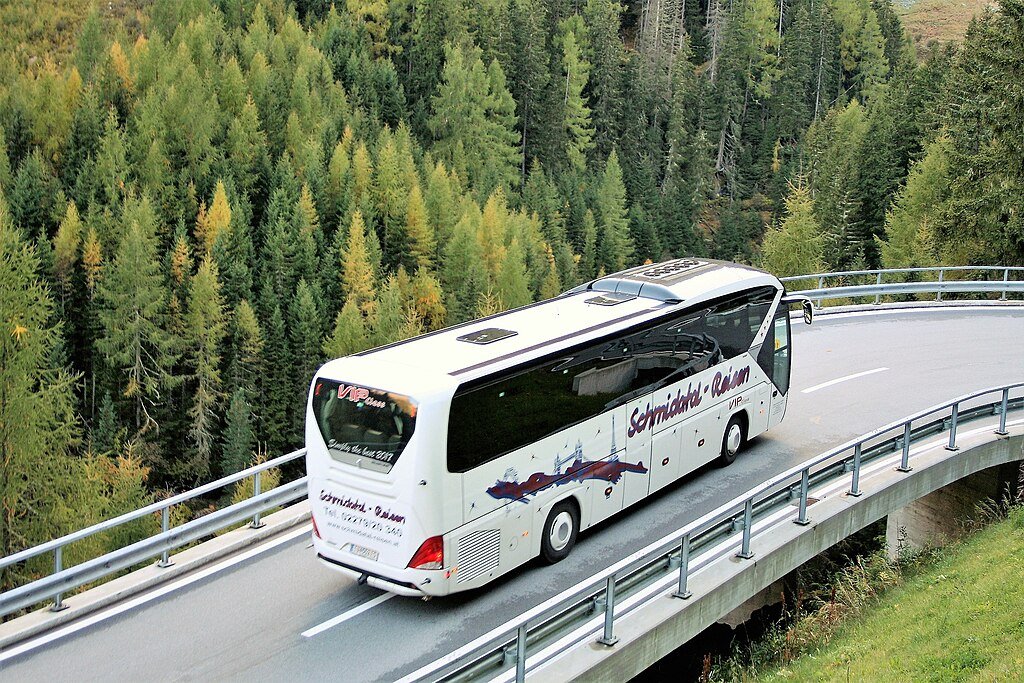
Shimla Water Catchment Wildlife Sanctuary
General information
-
Ideal Duration:
3 to 4 HoursPlace Type:
Wildlife & Eco-TourismSpecial Events:
Wildlife Week in October is marked by guided tours and photography workshops aimed at teaching visitors about Himalayan conservation.
Van Mahotsav: In July, the forest department often organizes plantation drives near the sanctuary boundaries to expand the green co...Wildlife Week in October is marked by guided tours and photography workshops aimed at teaching visitors about Himalayan conservation.
Van Mahotsav: In July, the forest department often organizes plantation drives near the sanctuary boundaries to expand the green cover.Best Photo Spots:
The Forest Tunnel: A stretch where the trees arch over the road creates a perfect "tunnel" effect for perspective shots.
The Water Reservoir: The reflective surface of the water against the deep green forest provides a stunning landscape ph...The Forest Tunnel: A stretch where the trees arch over the road creates a perfect "tunnel" effect for perspective shots.
The Water Reservoir: The reflective surface of the water against the deep green forest provides a stunning landscape photograph.Photo Gallery
Things To Do
-
Mountain Cycling: Rent a bicycle at the gate and enjoy a breeze-filled ride through the forest, which is both thrilling and healthy.
Nature Walking: Take a slow stroll along the 7 KM path, breathing in the high-oxygen air and listening to the sounds of nature.
Wildlife Spotting: Keep a keen eye out for the Barking Deer or Langurs that frequently cross the forest trail.
Educational Photography: Document the various types of moss, ferns, and ancient trees that make this forest a botanical treasure.
Picnicking at the Tank: Reach the end of the trail and enjoy a quiet snack near the historic water reservoir, surrounded by tall trees.
Breathtaking Birding: Use the quiet environment to identify differ...Mountain Cycling: Rent a bicycle at the gate and enjoy a breeze-filled ride through the forest, which is both thrilling and healthy.
Nature Walking: Take a slow stroll along the 7 KM path, breathing in the high-oxygen air and listening to the sounds of nature.
Wildlife Spotting: Keep a keen eye out for the Barking Deer or Langurs that frequently cross the forest trail.
Educational Photography: Document the various types of moss, ferns, and ancient trees that make this forest a botanical treasure.
Picnicking at the Tank: Reach the end of the trail and enjoy a quiet snack near the historic water reservoir, surrounded by tall trees.
Breathtaking Birding: Use the quiet environment to identify different species of flycatchers and eagles soaring above the canopy.
Environmental Study: Read the information boards to understand the history of the catchment and the types of flora found here.
Information
-
Why Famous:
It is famous for being one of the largest and cleanest catchment areas in the world, providing the purest water to Shimla.
Cycling Trail: It is the only place in the region that offers a dedicated 7 KM flat cycling path through a dense wildlife sanctuary.
<...It is famous for being one of the largest and cleanest catchment areas in the world, providing the purest water to Shimla.
Cycling Trail: It is the only place in the region that offers a dedicated 7 KM flat cycling path through a dense wildlife sanctuary.
Biodiversity: Renowned for its population of the Himalayan Monal, the state bird of Himachal Pradesh. -
Architecture:
The sanctuary's infrastructure is minimal and heritage-oriented, focusing on conservation.
The Reservoir: The main water tank, built during the British era, is an engineering marvel made of stone and lime, still functioning perfectly after over a century.
<...The sanctuary's infrastructure is minimal and heritage-oriented, focusing on conservation.
The Reservoir: The main water tank, built during the British era, is an engineering marvel made of stone and lime, still functioning perfectly after over a century.
Dimensions: The sanctuary covers an area of 10. 25 square kilometers, with a paved trail extending 7 KM from the entrance to the heart of the forest.
The Gate: The entrance gate is a simple yet sturdy structure that reflects the colonial forest department's utilitarian design.
Rest Houses: There are old forest rest houses within the vicinity that feature classic sloping roofs and stone chimneys, blending into the woods. -
How To Reach:
By Air: Jubbarhatti Airport (35 KM).
By Train: Shimla Railway Station (13 KM).
By Road: Located on the Shimla-Kufri Highway.
By Local Transport: Take a bus towards Kufri or ...By Air: Jubbarhatti Airport (35 KM).
By Train: Shimla Railway Station (13 KM).
By Road: Located on the Shimla-Kufri Highway.
By Local Transport: Take a bus towards Kufri or Mashobra and get down at the Sanctuary Gate. -
Weather and Best Time to Visit:
Seasons: Spring (March-May) for flowers; Autumn (October-November) for clear skies.
Parts of Day: Early Afternoon is best for warmth and visibility. ...Seasons: Spring (March-May) for flowers; Autumn (October-November) for clear skies.
Parts of Day: Early Afternoon is best for warmth and visibility. -
Near Tourist Places:
1. Green Valley (3 KM), 2. Kufri (6 KM), 3. Mashobra (4 KM), 4. Craignano Park (5 KM), 5. Wildflower Hall (1 KM), 6. The Ridge (12 KM), 7. Jakhoo Temple (10 KM), 8. Fagu (12 KM), 9. Himalayan Nature Park (7 KM), 10. Dhalli (6 KM).
Tourism Tips
-
Health & Safety: Carry your own water and snacks as there are no shops inside.
Packing: Wear comfortable sneakers for walking or cycling.
Accommodation: Stay in Mashobra or Chharabra for a closer experience....Health & Safety: Carry your own water and snacks as there are no shops inside.
Packing: Wear comfortable sneakers for walking or cycling.
Accommodation: Stay in Mashobra or Chharabra for a closer experience.
Rules: Do not feed the animals or throw plastic; strictly enforced.
Reviews
FAQs
Shimla Itineray And Cost:-
Shimla Water Catchment Wildlife Sanctuary Tourism:-
Other Places In Shimla :-
Other States In India :-
Information about New and Updated Locations() of Himachal Pradesh Has Been Added :-
Card subtitle
Note:-
Information provided here in good Faith and for reference only.
Near Places

Gaiety Theatre
Some quick example text to build on the card title and make up the bulk of the card's content.
Go somewhere
Himachal State Museum
Some quick example text to build on the card title and make up the bulk of the card's content.
Go somewhere
Himalayan Bird Park
Some quick example text to build on the card title and make up the bulk of the card's content.
Go somewhere
Indian Institute of Advanced Study
Some quick example text to build on the card title and make up the bulk of the card's content.
Go somewhere
Jakhoo Temple
Some quick example text to build on the card title and make up the bulk of the card's content.
Go somewhere
Johnnie's Wax Museum
Some quick example text to build on the card title and make up the bulk of the card's content.
Go somewhere
Kali Bari Temple
Some quick example text to build on the card title and make up the bulk of the card's content.
Go somewhere
Kiala Forest
Some quick example text to build on the card title and make up the bulk of the card's content.
Go somewhere
Lakkar Bazaar
Some quick example text to build on the card title and make up the bulk of the card's content.
Go somewhere
Mall Road
Some quick example text to build on the card title and make up the bulk of the card's content.
Go somewhere
Sankat Mochan Temple
Some quick example text to build on the card title and make up the bulk of the card's content.
Go somewhere
Shimla Water Catchment Wildlife Sanctuary
Some quick example text to build on the card title and make up the bulk of the card's content.
Go somewhere
The Ridge
Some quick example text to build on the card title and make up the bulk of the card's content.
Go somewherein Other Cities