Shingba Rhododendron Sanctuary
General information
-
Ideal Duration:
2 HoursPlace Type:
Sanctuary/Botanical GardenEntry Fees:
Nominal Entry Fee: A small, nominal entry fee (approx. INR 20-50 per person) is sometimes charged by the Forest Department or a local committee for maintenance of the sanctuary.
Photography Fee: No separate fee for still photography is typi...Nominal Entry Fee: A small, nominal entry fee (approx. INR 20-50 per person) is sometimes charged by the Forest Department or a local committee for maintenance of the sanctuary.
Photography Fee: No separate fee for still photography is typically charged.
Vehicle Permit: The sanctuary is included in the standard Protected Area Permit (PAP) for the Yumthang Valley circuit; no additional vehicle permit is needed beyond the mandatory add-on cost for Yumthang.
Guide/Escort Fee: While not mandatory, hiring a local guide/escort will incur a fee but can greatly enhance the experience by identifying different species.Timing:
Regular Timings: Generally open from 8:00 AM to 5:00 PM (or until the light fades). It's closed after heavy snowfall in winter.
Ideal Visit Time: Late morning (9:00 AM - 12:00 PM) for the best light to bring out the colors of the flowers. <...Regular Timings: Generally open from 8:00 AM to 5:00 PM (or until the light fades). It's closed after heavy snowfall in winter.
Ideal Visit Time: Late morning (9:00 AM - 12:00 PM) for the best light to bring out the colors of the flowers.
Peak Bloom Time: April to May is the absolute peak time for the most spectacular floral display; visit during this window for the best experience.Special Events:
Rhododendron Festival (Unofficial/Local): While no large, state-sponsored festival is held, the period of peak bloom (April-May) is celebrated by local communities as the most important natural event, sometimes marked by local stalls and small cultural performances.
...Rhododendron Festival (Unofficial/Local): While no large, state-sponsored festival is held, the period of peak bloom (April-May) is celebrated by local communities as the most important natural event, sometimes marked by local stalls and small cultural performances.
The Opening of the Season: The day the access road from Lachung to the valley is formally cleared and opened after the winter snows is a significant event, eagerly awaited by the tourism industry.Best Photo Spots:
The Floral Carpet Shot: The best photos are wide-angle shots that capture the effect of the multi-colored rhododendron bloom covering the entire valley floor like a massive, natural carpet.
Flower Close-ups: Use a macro lens or phone camera ...The Floral Carpet Shot: The best photos are wide-angle shots that capture the effect of the multi-colored rhododendron bloom covering the entire valley floor like a massive, natural carpet.
Flower Close-ups: Use a macro lens or phone camera to take detailed close-up shots of the individual rhododendron flower clusters, showcasing their intricate forms and vibrant colors.
The River and Flowers: Frame the running water of the Lachung Chu in the foreground with the flowers blooming on its banks and the mountains in the background.
Trailside Shots: The wooden or stone pathways winding through the dense thickets of rhododendrons offer excellent leading lines for atmospheric photos.Photo Gallery
Things To Do
-
Rhododendron Spotting and Identification: Carry a small guidebook or use your guide to identify the various species of rhododendrons and other alpine flowers.
Nature Photography: Capture the vibrant colors of the blooms, using the backdrop of the mountains and the river for stunning landscape photography.
Botanical Walks: Take a slow, leisurely walk along the designated nature trails, stopping frequently to appreciate the detailed beauty of the flora and fauna.
Bird Watching: The dense thickets and high altitude make it a great spot for observing Himalayan birds like the Blood Pheasant (Sikkim's state bird) and various finches.
Enjoying the Spring Weather: Simply relax in the cool, oxygen-rich air of the valley during the peak bl...Rhododendron Spotting and Identification: Carry a small guidebook or use your guide to identify the various species of rhododendrons and other alpine flowers.
Nature Photography: Capture the vibrant colors of the blooms, using the backdrop of the mountains and the river for stunning landscape photography.
Botanical Walks: Take a slow, leisurely walk along the designated nature trails, stopping frequently to appreciate the detailed beauty of the flora and fauna.
Bird Watching: The dense thickets and high altitude make it a great spot for observing Himalayan birds like the Blood Pheasant (Sikkim's state bird) and various finches.
Enjoying the Spring Weather: Simply relax in the cool, oxygen-rich air of the valley during the peak blooming season.
Picnic Lunch: The open meadows are ideal for enjoying a packed lunch amidst the beautiful scenery (must clean up all trash).
Reflecting on Conservation: Take a moment to appreciate the conservation efforts that protect this unique and fragile ecosystem.
Information
-
Why Famous:
The Mass Bloom: Its global fame stems from the spectacular mass blooming of over 40 species of rhododendrons, a sight that is rivaled by few other places in the world.
Gateway to Yumthang: Its location en route to the more famous Yumthang Va...The Mass Bloom: Its global fame stems from the spectacular mass blooming of over 40 species of rhododendrons, a sight that is rivaled by few other places in the world.
Gateway to Yumthang: Its location en route to the more famous Yumthang Valley means every traveler to the valley passes through and stops here, making it famous by association.
Ecological Significance: The sanctuary is a protected area and a vital repository of Himalayan biodiversity, which is a point of pride for the state's conservation efforts.
The Valley of Flowers Name: The name 'Valley of Flowers' for the entire region is largely attributable to the stunning floral display within this sanctuary. -
Architecture:
Natural Forest and Meadow Architecture: The 'architecture' is primarily the carefully protected natural environment—the dense rhododendron forests interspersed with open alpine meadows.
Dimension (Area): Approximately 43 sq. kms. The tre...Natural Forest and Meadow Architecture: The 'architecture' is primarily the carefully protected natural environment—the dense rhododendron forests interspersed with open alpine meadows.
Dimension (Area): Approximately 43 sq. kms. The trees range from 0. 5 meters shrubs to 20 meters tall trees.
Footpaths and Trails: The only man-made structures are designated, well-maintained footpaths and walking trails designed to allow visitors to explore the sanctuary without disturbing the fragile flora.
Local Rest Structures: Occasional basic wooden benches or rest points are strategically placed for visitors to sit and absorb the beauty, built with local materials to blend into the natural environment.
The River Flow: The meandering path of the Lachung Chu acts as a natural architectural element, dividing and defining the sanctuary's landscape. -
How To Reach:
By Air: Nearest is Bagdogra Airport (IXB) (approx. 245 KMS). Taxi to Gangtok, then authorized vehicle to Lachung (overnight), then a 1. 5-hour drive to the sanctuary.
By Train: Nearest station is New Jalpaiguri (NJP) (approx. 240 KMS). F...By Air: Nearest is Bagdogra Airport (IXB) (approx. 245 KMS). Taxi to Gangtok, then authorized vehicle to Lachung (overnight), then a 1. 5-hour drive to the sanctuary.
By Train: Nearest station is New Jalpaiguri (NJP) (approx. 240 KMS). Follow the same road route via Gangtok to Lachung, then proceed to the sanctuary.
By Road: The sanctuary is 25 KMS from Lachung town, located on the road to Yumthang Valley. It is a crucial stop on the day trip.
By Local Transport: Only authorized tourist vehicles are allowed to enter the sanctuary area. No public transport is available. -
Weather and Best Time to Visit:
Spring (March - June): The quintessential and only time to visit for the main attraction—the magnificent bloom of the rhododendrons.
Post-Monsoon (October - November): A beautiful time for clear views and lush greenery, though the mass flo...Spring (March - June): The quintessential and only time to visit for the main attraction—the magnificent bloom of the rhododendrons.
Post-Monsoon (October - November): A beautiful time for clear views and lush greenery, though the mass flowering will be over.
Winter (Dec - Feb): Often closed due to heavy snow; a stark, white landscape if visible.
Different Parts of the Day: Morning is best for the soft light on the flowers; the colors can look washed out under the harsh midday sun. -
Near Tourist Places:
Yumthang Valley (3 KMS), Lachung (25 KMS), Zero Point (Yumesamdong) (28 KMS), Lachung Hot Spring (2 KMS), Khanda Waterfalls (7 KMS), Lachung Monastery (27 KMS), Khedum Village (38 KMS), Mount Katao (Restricted, 53 KMS), Chungthang (65 KMS), Bhim Nala Falls (35 KMS).
Tourism Tips
-
Health & Safety: Be mindful of the moderate altitude (10,000 ft); walk slowly on the trails. Carry a basic first-aid kit for minor cuts/scrapes on the trails.
Packing: Bring a powerful camera with a good zoom/macro lens for capturing the f...Health & Safety: Be mindful of the moderate altitude (10,000 ft); walk slowly on the trails. Carry a basic first-aid kit for minor cuts/scrapes on the trails.
Packing: Bring a powerful camera with a good zoom/macro lens for capturing the flowers. Wear comfortable walking shoes.
Environmental Ethics: Strictly do not pluck or disturb any flowers, plants, or natural features. Stay on marked trails to protect the fragile alpine meadow ecosystem.
Permit: Ensure the Yumthang Valley permit, which covers the sanctuary, is secured in advance by your tour operator.
Reviews
FAQs
Lachung Itineray And Cost:-
Shingba Rhododendron Sanctuary Tourism:-
Other Places In Lachung :-
Other States In India :-
Information about New and Updated Locations() of Sikkim Has Been Added :-
Card subtitle
Note:-
Information provided here in good Faith and for reference only.
Near Places
Chopta Valley View Point
Some quick example text to build on the card title and make up the bulk of the card's content.
Go somewhere
Green Lake Trek Base
Some quick example text to build on the card title and make up the bulk of the card's content.
Go somewhere
Hot Springs
Some quick example text to build on the card title and make up the bulk of the card's content.
Go somewhere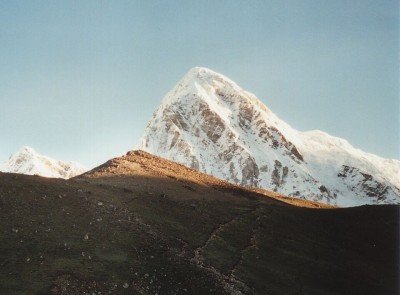
Kala Patthar
Some quick example text to build on the card title and make up the bulk of the card's content.
Go somewhere
Katao - North Sikkim
Some quick example text to build on the card title and make up the bulk of the card's content.
Go somewhere
Khanda Waterfalls
Some quick example text to build on the card title and make up the bulk of the card's content.
Go somewhere
Khedum Village
Some quick example text to build on the card title and make up the bulk of the card's content.
Go somewhere
Lachung
Some quick example text to build on the card title and make up the bulk of the card's content.
Go somewhere
Lachung Monastery
Some quick example text to build on the card title and make up the bulk of the card's content.
Go somewhere
Lachung River Viewpoint
Some quick example text to build on the card title and make up the bulk of the card's content.
Go somewhere
Lachung Village
Some quick example text to build on the card title and make up the bulk of the card's content.
Go somewhere
Seven Sisters Waterfall
Some quick example text to build on the card title and make up the bulk of the card's content.
Go somewhere
Shingba Rhododendron Sanctuary
Some quick example text to build on the card title and make up the bulk of the card's content.
Go somewhere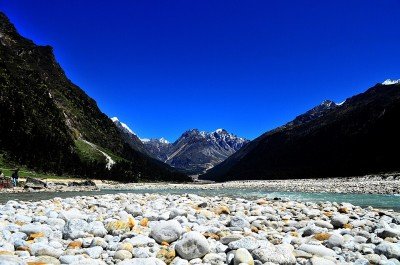
Yumthang Valley
Some quick example text to build on the card title and make up the bulk of the card's content.
Go somewhere
Zero Point
Some quick example text to build on the card title and make up the bulk of the card's content.
Go somewherein Other Cities