

Sree Chitra Art Gallery
General information
-
Ideal Duration:
2 to 3 hoursPlace Type:
Art, Museum, History, CultureEntry Fees:
Nominal Fee for Art Preservation: Supporting Heritage The Sree Chitra Art Gallery has a very nominal entry fee, which is consciously kept low to ensure accessibility for all segments of society, reflecting its role as a public cultural institution. The fee is typically arou...Nominal Fee for Art Preservation: Supporting Heritage The Sree Chitra Art Gallery has a very nominal entry fee, which is consciously kept low to ensure accessibility for all segments of society, reflecting its role as a public cultural institution. The fee is typically around INR 10-20 for Indian adults and a slightly higher but still moderate fee for foreign tourists.
Fee Structure for Different Visitors: Clarity in Rates There are typically separate, reduced rates for children (usually below 12 years) and often a special, very low rate for students (especially school groups or those with valid ID). There might also be a specific charge for using a camera (if allowed) or a video camera, which is separate from the entry ticket. These funds directly support the running, maintenance, and crucial conservation efforts required for the historical and fragile artwork collection, including climate control and expert restoration.Timing:
Regular Timings: Standard Museum Hours The gallery is generally open from 10:00 AM to 5:00 PM.
Weekly Closure: Monday is usually the day of closure for maintenance. Note that Wednesday might have a slightly different timing, sometimes openi...Regular Timings: Standard Museum Hours The gallery is generally open from 10:00 AM to 5:00 PM.
Weekly Closure: Monday is usually the day of closure for maintenance. Note that Wednesday might have a slightly different timing, sometimes opening only in the afternoon, like from 1:00 PM to 4:45 PM. It is highly recommended to check the exact times on the day of your visit.
Ideal Visit Time: Morning Serenity The Ideal Visit Time is right at the opening, 10:00 AM. Visiting in the morning offers the best chance for a quiet, crowd-free experience, allowing for an unhurried appreciation of the details in the delicate paintings. The light is often better, and the atmosphere is more serene before the heat of the midday sun and the arrival of larger tour groups.Special Events:
Art Conservation Exhibitions: Behind the Scenes While not a regular festival, the gallery occasionally hosts special, limited-period exhibitions focused on the science of art Conservation and Restoration. These events are particularly important as they highlight the meticul...Art Conservation Exhibitions: Behind the Scenes While not a regular festival, the gallery occasionally hosts special, limited-period exhibitions focused on the science of art Conservation and Restoration. These events are particularly important as they highlight the meticulous, years-long work undertaken to save the aging Raja Ravi Varma and mural reproductions, often showcasing the techniques used, like chemical cleaning and relining. These exhibitions offer an unusual, behind-the-scenes view of museum work and the fragility of historical art.
Annual Commemorative Days: Celebrating Legacy The gallery marks significant dates, such as the anniversary of its establishment in 1935 or the birth and death anniversaries of masters like Raja Ravi Varma, with special lectures, temporary themed displays, or public discussions by art historians. These days serve to publicly reaffirm the gallery's mission and celebrate the cultural legacy of the Travancore royal family's contribution to art.Best Photo Spots:
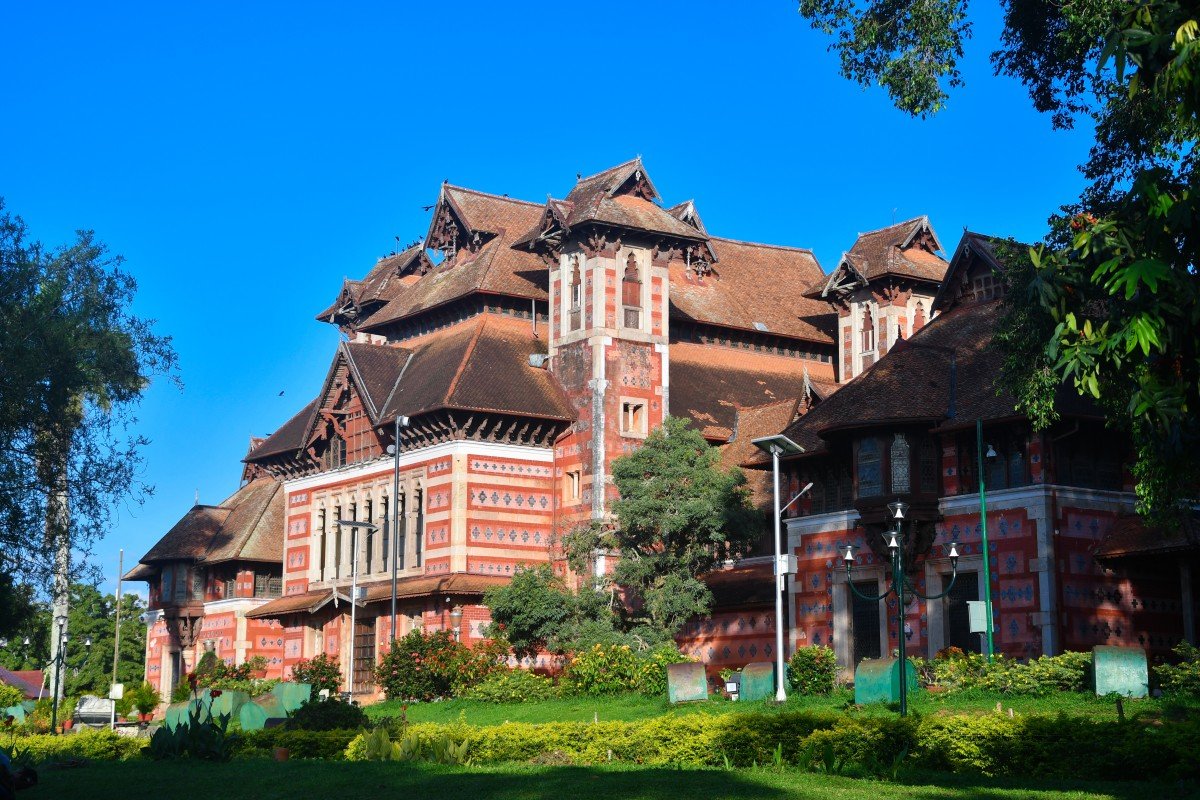
The Napier Museum View: Architectural Backdrop The best spots for photography are often found outside, capturing the relationship between the Sree Chitra Art Gallery building and the distinct, Indo-Saracenic-style Napier Museum next door. A wide-angle shot from the main law...The Napier Museum View: Architectural Backdrop The best spots for photography are often found outside, capturing the relationship between the Sree Chitra Art Gallery building and the distinct, Indo-Saracenic-style Napier Museum next door. A wide-angle shot from the main lawn that frames both structures captures the historical atmosphere of the museum complex.
Statues and Sculptures in the Gardens: Foreground Focus There are often statues, fountains, or beautifully maintained garden corners on the complex grounds. Using one of these, perhaps a sculpture, as a foreground element while blurring the gallery building in the background can create an artistic and contextually rich photograph.
Interior Architecture and Hallways (If Permitted): The Light Play If non-flash photography is allowed in select hallways or architectural details (like a unique window or doorway), focus on the quality of natural light entering the space. The simple, elegant lines of the gallery's interior architecture can create stunning studies in light, shadow, and perspective, especially on a bright sunny day.Photo Gallery
Things To Do
-
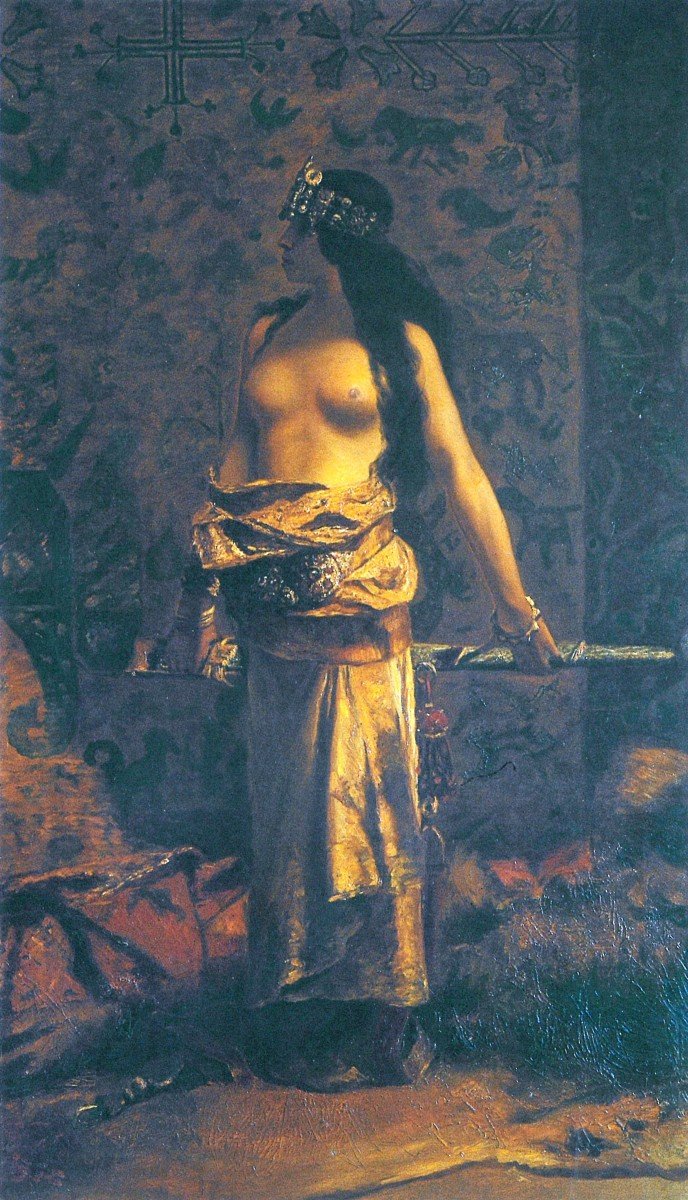
Immerse Yourself in the Raja Ravi Varma Section: The Core Experience Dedicate a substantial amount of time to the Raja Ravi Varma collection. Focus not just on the main figures, but on the delicate background details, the texture of the clothing, and the dramatic use of light and shadow (Chiaroscuro) that Varma mastered. Observe the blend of Indian mythological narrative with European realistic technique. Look for Shakuntala's expression or the posture in the famous portrait paintings.
Study the Evolution of Indian Art: A Comparative Tour Systematically tour the sections dedicated to the traditional schools: compare the rich, vibrant colours and heavy use of gold in the Tanjore paintings with the delicate, expressive figures of the Rajput miniatures and the courtly scenes of the Mughal school. This comparative study reveals ...Immerse Yourself in the Raja Ravi Varma Section: The Core Experience Dedicate a substantial amount of time to the Raja Ravi Varma collection. Focus not just on the main figures, but on the delicate background details, the texture of the clothing, and the dramatic use of light and shadow (Chiaroscuro) that Varma mastered. Observe the blend of Indian mythological narrative with European realistic technique. Look for Shakuntala's expression or the posture in the famous portrait paintings.
Study the Evolution of Indian Art: A Comparative Tour Systematically tour the sections dedicated to the traditional schools: compare the rich, vibrant colours and heavy use of gold in the Tanjore paintings with the delicate, expressive figures of the Rajput miniatures and the courtly scenes of the Mughal school. This comparative study reveals the incredible diversity of aesthetic tastes across different Indian royal courts and regions.
Explore the Oriental Gallery: A Global View Spend time in the Oriental section. Examine the thin, fine brushwork of the Chinese and Japanese art, which often focuses on landscapes and nature, and contrast it with the spiritual, iconographic complexity of the Tibetan Thangka paintings. This section offers a fascinating perspective on art from different Asian cultures.
Visit the Adjacent Napier Museum and Zoo: Cultural Hub Since the gallery is part of the larger museum complex, take a walk next door to the Napier Museum, an architectural marvel itself, which houses historical artifacts, bronze sculptures, and a temple chariot. Immediately next to it is the Thiruvananthapuram Zoo and Botanical Gardens, offering a break from art with nature and wildlife. A combo ticket might be available.
Attend an Art Talk or Workshop: Deeper Engagement Check in advance for any special lectures, guided tours, or temporary exhibitions. The gallery, being a major cultural institution, occasionally hosts events related to art conservation, history, or new works by contemporary artists, which provide a richer understanding of the art world.
Photography (Where Allowed) and Sketching: Artistic Inspiration While photography of the original Varma and other fragile paintings is often restricted (to prevent flash damage), check which areas allow non-flash photography or sketching. Bringing a small notebook and pencil to sketch a detail or jot down observations can enhance the connection with the artwork.
Relax in the Museum Grounds: Serene Conclusion After the detailed indoor viewing, take a leisurely stroll through the well-maintained, serene grounds of the Napier Museum complex. The lush greenery and quiet atmosphere provide a perfect spot to reflect on the art you've just seen and to appreciate the architectural beauty of the neighboring buildings.
Information
-
Why Famous:
The Raja Ravi Varma Collection: National Pride The Sree Chitra Art Gallery is globally renowned for holding one of the largest and most significant collections of original oil paintings by Raja Ravi Varma. This makes it an almost pilgrimage site for art historians and enthu...The Raja Ravi Varma Collection: National Pride The Sree Chitra Art Gallery is globally renowned for holding one of the largest and most significant collections of original oil paintings by Raja Ravi Varma. This makes it an almost pilgrimage site for art historians and enthusiasts. Varma's work is celebrated for merging the traditional Indian mythological themes with realistic, life-like European techniques, essentially birthing modern Indian art. Seeing masterpieces like Damayanti Talking to a Swan up close provides an unparalleled experience.
Showcasing Diverse Indian Art Schools: A Cultural Mosaic The gallery’s fame also rests on its incredible diversity, which transcends the work of a single artist. It proudly displays the art of the Mughal, Rajput, and particularly the exquisite, gold-leaf-embellished Tanjore paintings. These distinct art schools highlight the varied regional aesthetics and artistic development across centuries in India, offering a concise, comprehensive view of the subcontinent’s artistic journey within one building.
The Oriental Collection: International Scope Adding to its prestige is a unique Oriental collection, featuring paintings and artifacts from China, Japan, Bali, and the revered Tibetan Thangka scrolls. This rare international flavour elevates the gallery from a regional museum to one with a global perspective, showcasing historical cultural exchanges and artistic influences beyond India's borders, attracting a wider range of international visitors. -
Architecture:
Architectural Style: A Harmonious Blend The architecture of the Sree Chitra Art Gallery is notable for its blend of traditional Kerala style elements with more colonial or museum-standard functionality, allowing for the optimal display and preservation of sensitive artworks....Architectural Style: A Harmonious Blend The architecture of the Sree Chitra Art Gallery is notable for its blend of traditional Kerala style elements with more colonial or museum-standard functionality, allowing for the optimal display and preservation of sensitive artworks. The building, or initially two bungalows that were later combined, reflects a subtle yet dignified colonial-era influence typical of government and royal buildings of the early 20th Century in Travancore. It is characterized by its simplicity and focus on light and space necessary for an art institution, contrasting with the ornate structures of palaces.
Key Design Elements: Light and Display The structure incorporates elements to manage the tropical climate, although modern renovations have introduced climate control for conservation purposes. The emphasis is on long hallways and interconnected rooms designed to lead the visitor seamlessly through the various collections. Natural lighting is often carefully managed, sometimes with specific diffusers or window placements to protect the delicate pigments of the old paintings, especially the rare pencil sketches and fragile tempera works. While the exact architectural Dimension (length x width x height) of the total complex is not publicly fixed, its layout follows a typical mid-sized public gallery format, encompassing multiple wings dedicated to different art schools (e. g. , Oriental, Tanjore, Raja Ravi Varma). The building's age and historical context earned it a prominent place near the colonial-era Napier Museum, underscoring its historical importance as a cultural repository established during the final years of the Travancore monarchy. The design successfully marries the need for a protective, culturally relevant edifice with the functional requirements of a world-class art gallery. -
How To Reach:
By Air:
Trivandrum International Airport (TRV): Gateway to the City The nearest airport is the Trivandrum International Airport (TRV), located approximately 9 to 10 KMS from the museum complex. After landing, you can hire a prepaid taxi from...By Air:
Trivandrum International Airport (TRV): Gateway to the City The nearest airport is the Trivandrum International Airport (TRV), located approximately 9 to 10 KMS from the museum complex. After landing, you can hire a prepaid taxi from the airport counter, book an app-based cab (Uber/Ola), or take an auto-rickshaw. The drive to the gallery usually takes about 30-40 minutes, depending on traffic conditions in the city.
By Train:
Thiruvananthapuram Central Railway Station (TVC): Main Rail Hub The nearest major railway station is the Thiruvananthapuram Central Railway Station (TVC), which is very well connected to all major cities in India. The station is approximately 3 KMS from the Sree Chitra Art Gallery. From here, you can easily find a regular taxi, an auto-rickshaw (always negotiate the fare or ensure the meter is used), or take a local bus from the nearby KSRTC bus station.
By Road: Well-Connected City Roads Thiruvananthapuram is the capital of Kerala and is excellently connected by National Highways. If traveling by car, the gallery is centrally located near the main city hub of Palayam and the Kowdiar Palace area. Use GPS/Navigation for precise directions to the Napier Museum complex. For budget travelers, the main KSRTC Bus Terminal near the railway station offers services to the Palayam or Museum areas, from where the gallery is a short walk.
By Local Transport: Auto-Rickshaws and Buses The most common and flexible local transport options are auto-rickshaws and city buses. Auto-rickshaws are readily available; ensure they agree to use the meter. City buses run frequently to the 'Museum' stop, which is directly adjacent to the gallery. This is the most economical way to travel from any part of the city. -
Weather and Best Time to Visit:
Seasonal Preference: Winter (October to February) The Best Time to Visit Thiruvananthapuram and the gallery is during the Winter Months, from October to February. The weather during this period is pleasantly cool and dry, with temperatures ranging from 20°C to 28°C, makin...Seasonal Preference: Winter (October to February) The Best Time to Visit Thiruvananthapuram and the gallery is during the Winter Months, from October to February. The weather during this period is pleasantly cool and dry, with temperatures ranging from 20°C to 28°C, making all forms of travel and sightseeing extremely comfortable, both indoors and outdoors in the museum complex.
Monsoon Season (June to September): Art in the Rain The Monsoon season is characterized by heavy rain, which might deter outdoor sightseeing. However, it can be a beautiful time to visit the gallery as the rain creates a peaceful, reflective atmosphere inside. The humidity, though present, is managed by the gallery’s climate control, making the cooler interior a good escape from the wet weather.
Different Parts of the Day: Morning Calm As mentioned under timings, the early Morning immediately after opening is the ideal time to visit to avoid crowds. The late Afternoon (around 3:00 PM) is also a good option, as most groups have departed, allowing for a quiet final hour before closure. Avoid the midday peak. -
Near Tourist Places:
Napier Museum: Adjacent to the gallery, 0 KMS.
Thiruvananthapuram Zoo: Also adjacent, part of the complex, 0 KMS.
Kanakakunnu Palace: Very close, about 800 meters (approx. 0. 8 KMS) away.
Kowdiar Palace: Approx. 3 KMS. Kerala Science and Technology Museum & Priyadarshini Planetarium: Approx. 1. 5 KMS.
Sri Padmanabhaswamy Temple: Approx. 4 KMS.
Kuthiramalika Palace Museum (Puthen Malika): Approx. 4. 5 KMS.
Pazhavangadi Ganapathy Temple: Approx. 3. 5 KMS.
Veli Tourist Village: Approx. 9 KMS.
Shanghumugham Beach: Approx. 10 KMS.
Tourism Tips
-
Health & Safety: Conservation Rules Be mindful of the strict rules inside the gallery. Do Not touch any artwork, as oils and dirt from hands can cause irreversible damage. Do Not use flash photography under any circumstances, as the flash degrades the centuries-old pigment...Health & Safety: Conservation Rules Be mindful of the strict rules inside the gallery. Do Not touch any artwork, as oils and dirt from hands can cause irreversible damage. Do Not use flash photography under any circumstances, as the flash degrades the centuries-old pigments, especially on works by Raja Ravi Varma and the Tanjore paintings. Follow all instructions from the security personnel.
Packing: Light and Respectful Dress in comfortable, light clothing suitable for the humid climate of Kerala. While there is no strict dress code, wearing modest, respectful attire is always appropriate for a public institution that houses culturally and historically significant artifacts. Wear comfortable walking shoes, as you may spend time exploring the entire Napier Museum and zoo complex.
Accommodation: Proximity and Convenience Stay in the central city areas like Palayam, Nanthancode, or Kowdiar for easy access to the gallery and other major tourist spots like the Kanakakunnu Palace. There are numerous quality hotels, ranging from heritage stays to modern luxury options, located within a 5 KM radius of the museum complex.
Other Different Topics: Combo Tickets and Guides Check if a combo ticket is available that grants simultaneous entry to the Sree Chitra Art Gallery, the Napier Museum, and the Zoological Park. This can save money and time. Consider hiring an official guide at the museum gate or using audio guides (if available) to get deeper insights into the complex history and artistic techniques of the collections.
Reviews
FAQs
Thiruvananthapuram Itineray And Cost:-
Sree Chitra Art Gallery Tourism:-
Other Places In Thiruvananthapuram :-
Other States In India :-
Information about New and Updated Locations() of Kerala Has Been Added :-
Card subtitle
Note:-
Information provided here in good Faith and for reference only.
Near Places

Aazhimala Shiva Temple
Some quick example text to build on the card title and make up the bulk of the card's content.
Go somewhere
Akkulam Lake
Some quick example text to build on the card title and make up the bulk of the card's content.
Go somewhere
Akkulam Lake & Tourist Village
Some quick example text to build on the card title and make up the bulk of the card's content.
Go somewhere
Anchuthengu Fort
Some quick example text to build on the card title and make up the bulk of the card's content.
Go somewhere
Aruvikkara Dam
Some quick example text to build on the card title and make up the bulk of the card's content.
Go somewhere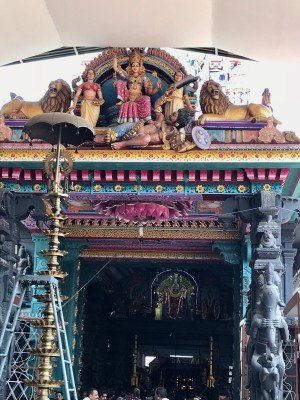
Attukal Bhagavathy Temple
Some quick example text to build on the card title and make up the bulk of the card's content.
Go somewhere
Chacha Nehru Children's Museum
Some quick example text to build on the card title and make up the bulk of the card's content.
Go somewhere
Kanakakunnu Palace
Some quick example text to build on the card title and make up the bulk of the card's content.
Go somewhere
Kanjiramkulam Junction
Some quick example text to build on the card title and make up the bulk of the card's content.
Go somewhere
Karamana River
Some quick example text to build on the card title and make up the bulk of the card's content.
Go somewhere
Kowdiar Palace
Some quick example text to build on the card title and make up the bulk of the card's content.
Go somewhere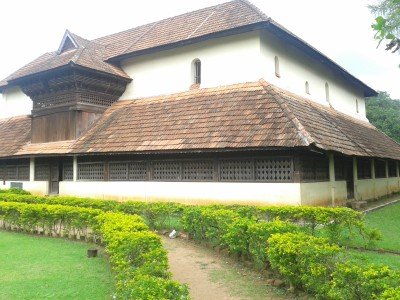
Koyikkal Palace
Some quick example text to build on the card title and make up the bulk of the card's content.
Go somewhere
Kuthiramalika Palace Museum
Some quick example text to build on the card title and make up the bulk of the card's content.
Go somewhere
Kuthiramalika
Some quick example text to build on the card title and make up the bulk of the card's content.
Go somewhere
Magic Planet
Some quick example text to build on the card title and make up the bulk of the card's content.
Go somewhere
Meenmutty Waterfalls
Some quick example text to build on the card title and make up the bulk of the card's content.
Go somewherein Other Cities