

Travel Tips Of Ngupdang
Tourism Tips
Packing: Bring a light jacket even in summer, a magnifying glass for the inscriptions, and a pair of binoculars for birdwatching.
Accommodation: Stay in Mon town or seek a homestay in the nearest village, as there are no facilities at the site.
Cash and Connectivity: Zero connectivity and no ATMs. Ensure you have a full tank of fuel and all the cash you need before leaving Mon.
Mon Itineray And Cost:-
Other Places In Mon :-
Other States In India :-
Information about New and Updated Locations() of Nagaland Has Been Added :-
Card subtitle
Note:-
Information provided here in good Faith and for reference only.
Near Places
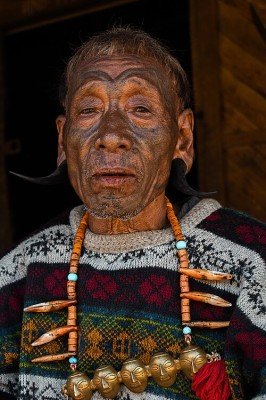
Angphang Village
Some quick example text to build on the card title and make up the bulk of the card's content.
Go somewhere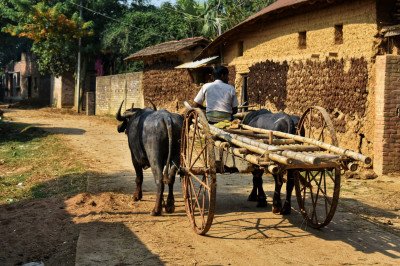
Changlangshu Village
Some quick example text to build on the card title and make up the bulk of the card's content.
Go somewhere
Chenloisho Village
Some quick example text to build on the card title and make up the bulk of the card's content.
Go somewhere
Chiknyuho
Some quick example text to build on the card title and make up the bulk of the card's content.
Go somewhere
Chui Village
Some quick example text to build on the card title and make up the bulk of the card's content.
Go somewhere
Dikhu River
Some quick example text to build on the card title and make up the bulk of the card's content.
Go somewhere
K. Veda Peak / Pak Koi
Some quick example text to build on the card title and make up the bulk of the card's content.
Go somewhere
Kaimang River
Some quick example text to build on the card title and make up the bulk of the card's content.
Go somewhere
Langmeang Village
Some quick example text to build on the card title and make up the bulk of the card's content.
Go somewhere
Longwa Village
Some quick example text to build on the card title and make up the bulk of the card's content.
Go somewhere
Maksha River
Some quick example text to build on the card title and make up the bulk of the card's content.
Go somewhere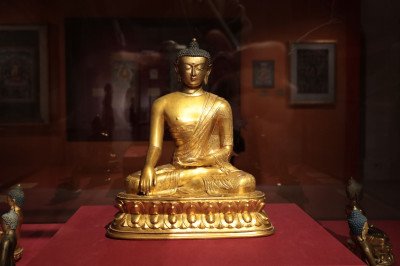
Mon Museum
Some quick example text to build on the card title and make up the bulk of the card's content.
Go somewhere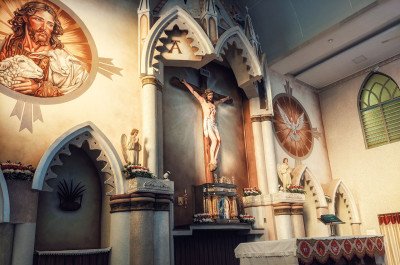
Mon Town Baptist Church
Some quick example text to build on the card title and make up the bulk of the card's content.
Go somewhere
Monyakshu Village
Some quick example text to build on the card title and make up the bulk of the card's content.
Go somewhere
Ngupdang
Some quick example text to build on the card title and make up the bulk of the card's content.
Go somewhere
Veda Peak
Some quick example text to build on the card title and make up the bulk of the card's content.
Go somewhere