


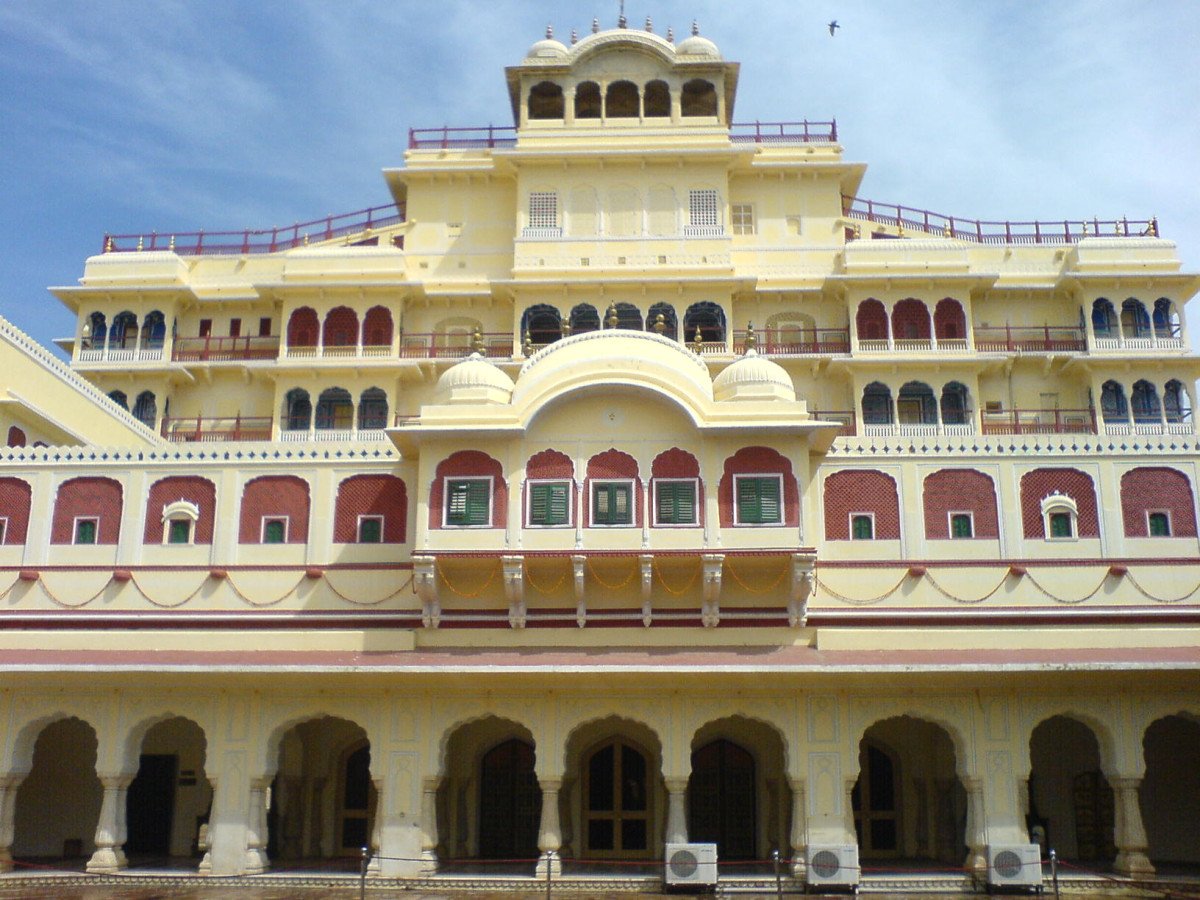
City Palace, Jaipur
General information
-
Ideal Duration:
2. 5 to 4 hours (excluding the 'Royal Grandeur' or 'Royal Splendour' tours to the private sections, which require additional time).Place Type:
Palace, Museum, Heritage Site.Entry Fees:
General Entry (Museum Tour):
- Indian Tourists: Approximately Rs.200 to Rs.300 per person.
- Foreign Tourists: Approximately Rs.700 to Rs.1000 per person.
- Student Discounts: Often ...General Entry (Museum Tour):
- Indian Tourists: Approximately Rs.200 to Rs.300 per person.
- Foreign Tourists: Approximately Rs.700 to Rs.1000 per person.
- Student Discounts: Often available with a valid ID. This ticket includes access to the public areas like the Mubarak Mahal (Museum), Maharani's Palace (Armoury), Diwan-i-Aam, and the courtyards.
Special Tour Entry (Royal Grandeur/Splendour):
- Indian & Foreign Tourists: A much higher fee, typically ranging from Rs.2500 to Rs.3500 per person. This is a separate, exclusive ticket required to access the private sections of the Chandra Mahal (the royal residence) and usually includes a guided tour.
Other Fees:
- Photography (Still Camera): A nominal fee is often charged, typically around Rs.50-Rs.150.
- Videography: A higher fee is charged, often around Rs.150-Rs.300.
- Audio Guides: Available for hire for an additional fee, typically Rs.200-Rs.300.
Note: Prices are approximate and subject to change; always verify at the official ticket counter or website.Timing:
Regular Timings (Museum Tour):
- Day Visit: 9:30 ext{AM} to 5:00 ext{PM} or 6:30 ext{PM} (Last ticket sales usually an hour before closing).
- Museum at Night/Sound & Light Show: Some sections or cou...Regular Timings (Museum Tour):
- Day Visit: 9:30 ext{AM} to 5:00 ext{PM} or 6:30 ext{PM} (Last ticket sales usually an hour before closing).
- Museum at Night/Sound & Light Show: Some sections or courtyard views may be open, or a separate night tour might be offered, typically from 7:00 ext{PM} to 10:00 ext{PM} (Separate ticket required).
- Open Days: The palace is open for visitors seven days a week, except on Dhulandi (Holi).
Ideal Visit Time:
Morning: Arriving right at 9:30 ext{AM} when the gates open is the best time. The crowds are minimal, and the light is soft, perfect for photography, especially of the Pritam Niwas Chowk gates.
Late Afternoon: Visiting after 3:00 ext{PM} offers a gentler light as well, and allows you to finish your tour near sunset.
Avoid: The hours between 11:00 ext{AM} and 2:00 ext{PM}, which are generally the busiest and hottest times of the day, especially from April to June.Special Events:
Gangaur Festival: The City Palace plays a central role in the annual Gangaur Festival, typically celebrated in March or April (the Chaitra month of the Hindu calendar). This festival, dedicated to Goddess Gauri (a form of Parvati), is one of the most important in Rajasthan....Gangaur Festival: The City Palace plays a central role in the annual Gangaur Festival, typically celebrated in March or April (the Chaitra month of the Hindu calendar). This festival, dedicated to Goddess Gauri (a form of Parvati), is one of the most important in Rajasthan. A vibrant procession, led by the royal family, starts from the City Palace grounds and winds through the old city. Visitors can witness the elaborate preparations, the colourfully decorated royal palanquins (palkis), chariots, and the traditional dances and music that accompany the deities' idols as they leave the palace gates, making it a spectacular cultural experience.
Holi Celebrations (Dhulandi): While the palace is generally closed on Dhulandi (the day of playing with colours after Holi), the preceding rituals and the sight of the royal family celebrating Holi with traditional songs and the scattering of dry colours (Gulal) in the private courtyards are often a topic of local news and history. The general atmosphere in the Pink City around the palace during this February or March festival is vibrant and celebratory.Best Photo Spots:
The Pritam Niwas Chowk Gates: The four painted gates of the Pritam Niwas Chowk are arguably the most photographed feature of the City Palace. The Peacock Gate (with its stunning peacock designs) and the Lotus Gate (with its detailed floral pattern) are highlights. Frame yo...The Pritam Niwas Chowk Gates: The four painted gates of the Pritam Niwas Chowk are arguably the most photographed feature of the City Palace. The Peacock Gate (with its stunning peacock designs) and the Lotus Gate (with its detailed floral pattern) are highlights. Frame your shot to capture the vibrant colours and intricate 3D carvings, using the gate as a colourful archway. Morning light is best for an even glow.
The Courtyard of Mubarak Mahal: The architectural elegance of the Mubarak Mahal facade, with its perfect symmetry and delicate Jali (screen) work, provides a grand backdrop. Stand further back in the courtyard to capture the entire structure, or zoom in on the beautiful filigree work and balconies.
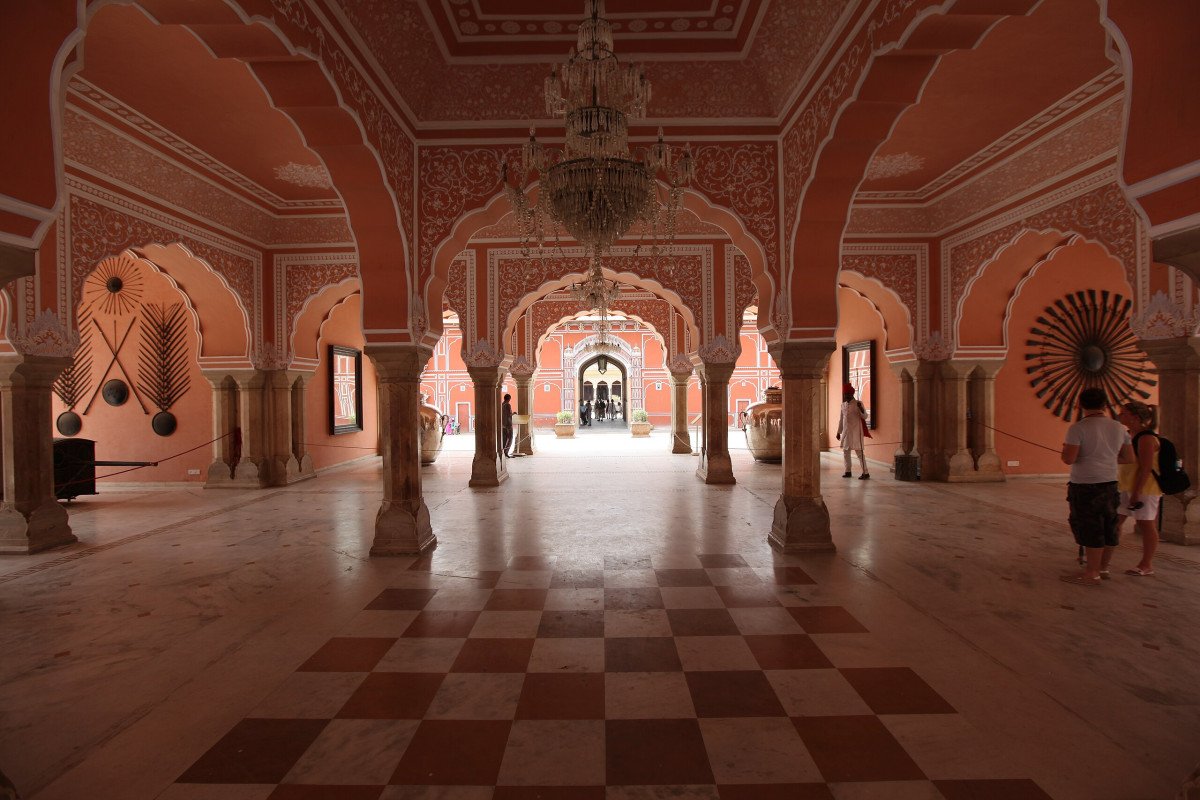
The Diwan-i-Aam (Sabha Niwas): The Hall of Public Audience (Diwan-i-Aam), with its elaborate chandeliers, rich murals, and the display of the Maharaja's thrones, offers a sense of royal grandeur. Capturing the vastness and opulence of this hall requires a wide-angle lens. The lighting is best towards the middle of the day.
View from the Seven-Storey Chandra Mahal: If you take the special 'Royal Tour', the upper levels of the Chandra Mahal offer stunning, elevated views of the Pritam Niwas Chowk, the Diwan-i-Khas, and the surrounding Pink City architecture. These exclusive perspectives are well worth the additional effort and fee for photography enthusiasts.Photo Gallery

Things To Do
-
Explore the Courtyards and Gates: Take time to walk through the Pritam Niwas Chowk and admire the four ornate gates: the Peacock Gate (representing the monsoon and Lord Vishnu), the Lotus Gate (representing summer and Goddess Parvati), the Rose Gate (representing winter and Lord Shiva), and the Leheriya Gate (representing spring and Lord Ganesha). Each gate is an art piece, painted in vivid colours and intricate patterns that are perfect for photography.
Visit the Museum Galleries: Dedicate ample time to the museums housed in the complex. The Mubarak Mahal houses the Maharaja Sawai Man Singh II Museum, featuring a remarkable collection of royal costumes, textiles, Pashmina shawls, and rare artifacts, including the large clothes of the stout Maharaja Sawai Madho Singh I. The Maharani's Palace is a fascinating display of weapon...Explore the Courtyards and Gates: Take time to walk through the Pritam Niwas Chowk and admire the four ornate gates: the Peacock Gate (representing the monsoon and Lord Vishnu), the Lotus Gate (representing summer and Goddess Parvati), the Rose Gate (representing winter and Lord Shiva), and the Leheriya Gate (representing spring and Lord Ganesha). Each gate is an art piece, painted in vivid colours and intricate patterns that are perfect for photography.
Visit the Museum Galleries: Dedicate ample time to the museums housed in the complex. The Mubarak Mahal houses the Maharaja Sawai Man Singh II Museum, featuring a remarkable collection of royal costumes, textiles, Pashmina shawls, and rare artifacts, including the large clothes of the stout Maharaja Sawai Madho Singh I. The Maharani's Palace is a fascinating display of weapons, including antique guns, swords, and daggers, some dating back to the 15th century.
Marvel at the Silver Urns in Diwan-i-Khas: Go inside the Diwan-i-Khas (Hall of Private Audience), also known as Sarvato Bhadra, and observe the two giant silver urns. Learn the unique story of Maharaja Sawai Madho Singh II who used them to carry Ganges water to England. The hall itself, used for key state ceremonies, is architecturally significant.
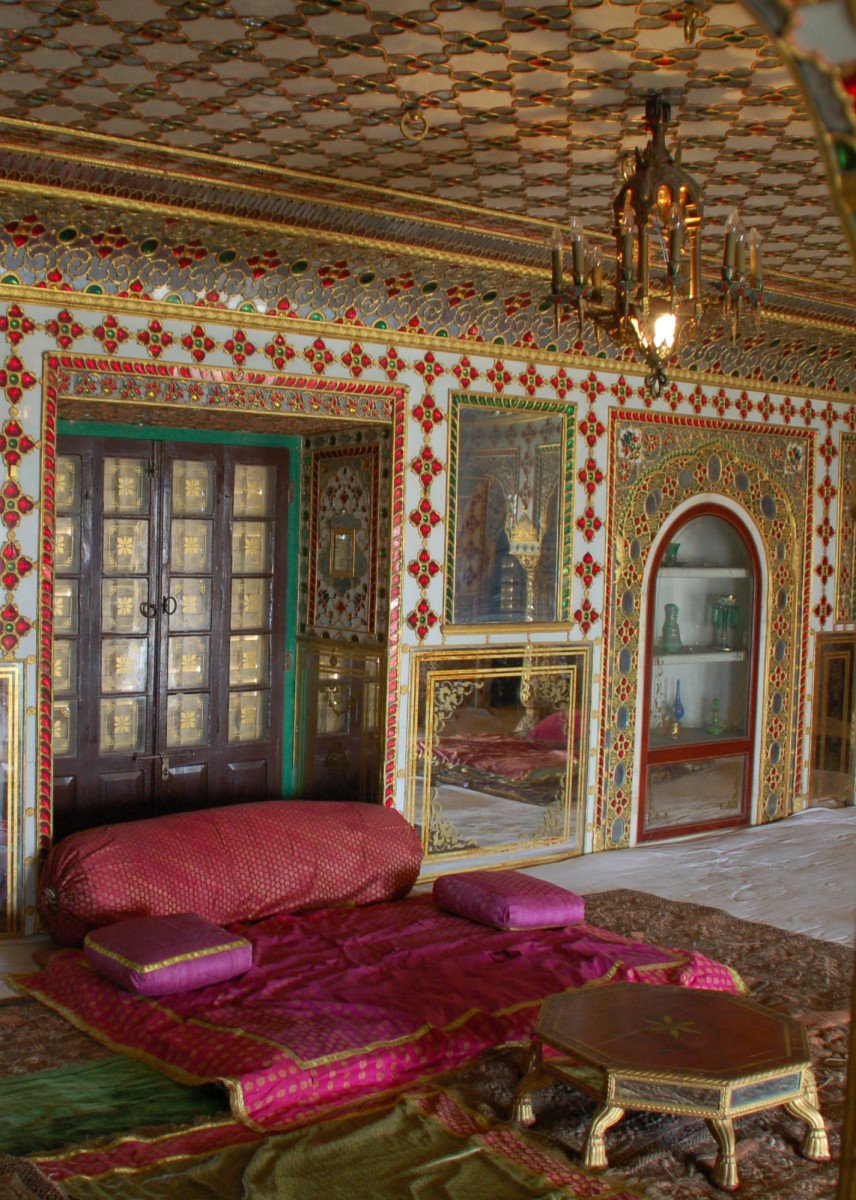
Take the Royal Grandeur Tour: For a deep dive into the palace's history and an exclusive experience, book the 'Royal Grandeur' or 'Royal Splendour' tour (requires a much higher, separate ticket). This grants you access to the private sections of the Chandra Mahal, the residence of the current royal family, including the beautifully decorated Shobha Niwas and Chhavi Niwas.
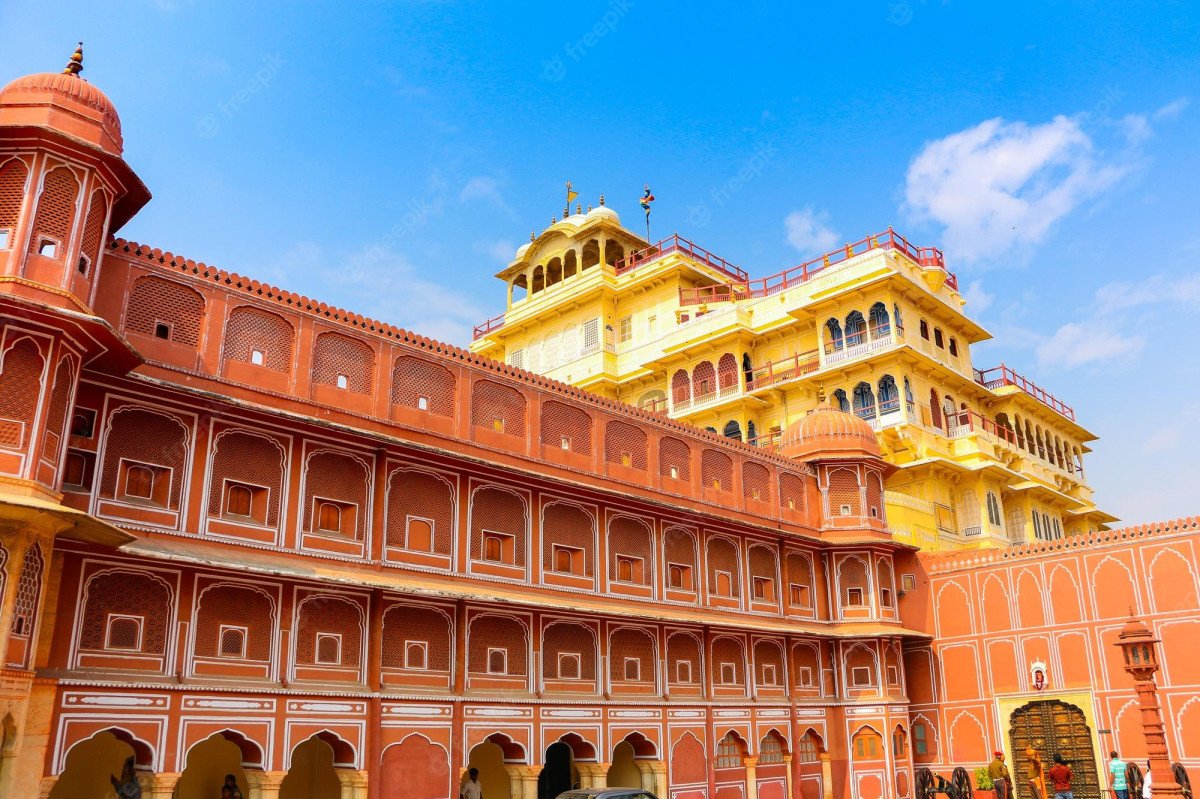
Observe the Royal Flag: Look up at the seven-storey Chandra Mahal. On the top-most pavilion, the Mukut Mandir, you will see the royal flag of Jaipur being flown. When the Maharaja is in residence, a larger, quarter-sized flag is hoisted, a subtle but significant detail of the continued royal presence.
Information
-
Why Famous:
Royal Residence and Living History: The City Palace stands out as one of the few royal residences in India where the descendant royal family still lives, particularly in a section of the Chandra Mahal. This gives the palace a unique status as a site of both histori...
Royal Residence and Living History: The City Palace stands out as one of the few royal residences in India where the descendant royal family still lives, particularly in a section of the Chandra Mahal. This gives the palace a unique status as a site of both historical significance and contemporary royalty, attracting visitors interested in the living heritage of the Rajput rulers.
Architectural Synthesis: Its fame is largely rooted in its breathtaking architectural style, which flawlessly merges the indigenous Rajput architectural elements, like the ornate windows (jharokhas) and pavilion structures, with the symmetrical planning and domes characteristic of Mughal architecture, offering a visual feast of Indo-Saracenic design.
World-Class Museum Collection: The complex houses the Maharaja Sawai Man Singh II Museum, which is globally recognized for its exquisite and rare collections, including the enormous silver water vessels displayed in the Diwan-i-Khas (Hall of Private Audience), the royal costumes, and the impressive armoury. These collections offer a direct glimpse into the opulence and lifestyle of the former Maharajas of Jaipur. -
Architecture:
Architectural Style: The City Palace architecture is a masterpiece of synthesis, primarily featuring a harmonious blend of indigenous Rajput (Rajasthani) and prevailing Mughal styles, with later additions incorporating European influences. The main architects credited with ...Architectural Style: The City Palace architecture is a masterpiece of synthesis, primarily featuring a harmonious blend of indigenous Rajput (Rajasthani) and prevailing Mughal styles, with later additions incorporating European influences. The main architects credited with the design are Vidyadhar Bhattacharya and Sir Samuel Swinton Jacob. The design adheres strictly to the principles of Shilpa Shastra (traditional Indian architectural science) and Vastu Shastra (principles of design and layout).
Key Architectural Features: The complex is designed in a planned grid pattern, featuring vast courtyards (Chowks), elegant gardens, and numerous palaces, halls, and temples. Red and pink sandstone, along with white marble, are the primary building materials. The use of lattice work (Jharokhas), detailed carvings, extensive domes, exquisite frescoes, and colorful mosaics are hallmarks of the palace's aesthetic.
Dimension and Structure Highlights:
- Chandra Mahal: A seven-storey structure with each floor given a unique name and architectural theme (like Sukh Niwas, Shobha Niwas). The top-most floor, Mukut Mandir, is where the flag of the Jaipur royal family is unfurled. It showcases intricate mirror work and decorative paintings.
- Mubarak Mahal: Known for its striking facade, the structure exhibits a unique three-dimensional blend of Rajput, Mughal, and European architecture, built to welcome guests.
- Pritam Niwas Chowk Gates: This inner courtyard features four beautiful gates, each approximately 8 feet wide and 10 feet high, designed to represent the four seasons: the Peacock Gate (Autumn/Lord Vishnu), the Lotus Gate (Summer/Goddess Parvati), the Rose Gate (Winter/Lord Shiva), and the Leheriya Gate (Spring/Lord Ganesha). -
How To Reach:
The City Palace is centrally located within the walled city of Jaipur, making it highly accessible.
By Air: The nearest major airport is Jaipur International Airport (JAI), which is approximately 12 to 15 ext{KMS} away from the City Palace. The airport is wel...The City Palace is centrally located within the walled city of Jaipur, making it highly accessible.
By Air: The nearest major airport is Jaipur International Airport (JAI), which is approximately 12 to 15 ext{KMS} away from the City Palace. The airport is well-connected to major Indian and international cities.
- Local Transport: From the airport, you can easily hire pre-paid taxis, airport cabs, or use ride-sharing services like Uber or Ola. The drive takes about 30 to 45 minutes, depending on traffic.
By Train: The main railway station is Jaipur Junction (JP), which is approximately 4 to 5 ext{KMS} from the City Palace. It is a major hub connecting Jaipur to the rest of India.
- Local Transport: Outside the station, you can hire auto-rickshaws, cycle-rickshaws (for a short experience), or taxis. The ride is typically 15 to 20 minutes.
By Road (Bus/Car): Jaipur is well-connected by National Highways to cities like Delhi (280 ext{KMS}), Agra (240 ext{KMS}), and Jodhpur (330 ext{KMS}).
- Bus: The main bus stands are the Sindhi Camp Bus Stand, which is about 5 ext{KMS} away. From there, you can take a local bus, auto-rickshaw, or taxi.
- Private Vehicle/Taxi: You can drive or hire a taxi/private car. Parking is usually available at designated spots near Gate Number 2 (near Jaleb Chowk).
By Local Transport:
- Auto-rickshaws and Taxis: Easily available from any part of Jaipur. It's advisable to negotiate the fare or ensure the meter is used.
- Metro: The closest metro station is Badi Chaupar on the Pink Line, which is within walking distance (about 500 meters) of the main gate. This is the fastest and most reliable way to reach the Pink City area.
- Cycle-Rickshaws: A good option for short distances within the walled city to experience the local environment. -
Weather and Best Time to Visit:
By Seasons:
- Winter (October to March): This is the best time to visit Jaipur. The weather is cool and pleasant, with daytime temperatures ranging from 10circ ext{C} to 25circ ext{C}. This is the ideal climate for extended walking tour...By Seasons:
- Winter (October to March): This is the best time to visit Jaipur. The weather is cool and pleasant, with daytime temperatures ranging from 10circ ext{C} to 25circ ext{C}. This is the ideal climate for extended walking tours of the sprawling palace complex and its courtyards. November to February are the peak tourist months.
- Monsoon (July to September): The weather is warm and humid, but the rains occasionally bring down the temperature. The landscape is greener, and the crowds are moderate. August and September can be good if you don't mind the humidity.
- Summer (April to June): Avoid visiting during these months if possible. Temperatures soar past 40circ ext{C}, making daytime exploration very uncomfortable. If visiting, stick to early mornings or late afternoons.
By Parts of the Day: - Early Morning (9:30 AM to 11:00 AM) Highly recommended. Pleasant temperature, minimal crowds, and the soft natural light is excellent for photography. - Late Afternoon (3:
00 PM to Closing): Good for avoiding the midday sun. You can experience the transition of the light on the red and pink sandstone structures. -
Near Tourist Places:
1.
Jantar Mantar: 50 ext{meters} (Astronomical Observatory, UNESCO World Heritage Site) 2.
Hawa Mahal (Palace of Winds): 800 ext{meters} (Iconic five-storey facade) 3.
Govind Dev Ji Temple: Within the palace complex (Famous Krishna Temple) 4.
Tripolia Bazaar: Adjacent to the palace (Traditional Jaipur market) 5.
Isarlat (Sargasooli): 1. 2 ext{KMS} (Minaret offering city views) 6.
Albert Hall Museum: 3. 5 ext{KMS} (Central Museum of Rajasthan) 7.
Bapu Bazaar: 1. 8 ext{KMS} (Famous for Rajasthani textiles and goods) 8.
Nahargarh Fort: 6 ext{KMS} (Hill fort offering sunset views) 9.
Amer Fort: 11 ext{KMS} (Majestic Hill Fort, UNESCO World Heritage Site) 10.
Jal Mahal (Water Palace): 6 ext{KMS} (Scenic palace in the middle of a lake)
Tourism Tips
-
Health & Safety:
- Water: Carry a reusable water bottle, especially during the summer and shoulder seasons. Stay hydrated as the complex involves a lot of walking.
- Footwear: Wear comfortable walking shoes....Health & Safety:
- Water: Carry a reusable water bottle, especially during the summer and shoulder seasons. Stay hydrated as the complex involves a lot of walking.
- Footwear: Wear comfortable walking shoes. The complex has marble and stone floors and courtyards.
- Guides: Hire a licensed, government-approved guide from the official counter or use the audio guide to get historical and architectural insights, as simply wandering around might not convey the full story.
- Photography: Be mindful of areas where photography is restricted, particularly in certain museum sections or private residential areas. Do not use flash on artifacts.
Packing:
- Dress Code: Dress modestly, especially if planning to visit the adjacent Govind Dev Ji Temple within the complex. Light, breathable cotton clothes are best for most of the year.
- Sun Protection: A hat, sunglasses, and sunscreen are essential, especially for courtyard visits, regardless of the season.
- ID Proof: Carry a valid photo ID (Aadhar Card/Passport) and your student ID if you plan to avail of discounts.
Accommodation:
- Location: Staying near the walled city (Pink City) or the C-Scheme area offers the best proximity to the City Palace and other major attractions.
- Options: Jaipur offers a range of stays from luxury heritage hotels (many are former royal havelis) to budget guesthouses.
Other Different Topics Heading:
- Ticket Purchase: Buy your tickets online in advance to save time and sometimes money, and to avoid long queues, especially during peak season.
- Combine Visits: The City Palace is right next to Jantar Mantar and close to Hawa Mahal. Plan to visit these three major sites on the same morning or day for maximum efficiency.
- Local Cuisine: Try the local delicacies at the restaurants and food stalls in the surrounding Tripolia and Johari Bazaars after your visit.
Reviews
FAQs
Jaipur Itineray And Cost:-
City Palace, Jaipur Tourism:-
Other Places In Jaipur :-
Other States In India :-
Information about New and Updated Locations() of Rajasthan Has Been Added :-
Card subtitle
Note:-
Information provided here in good Faith and for reference only.
Near Places

City Palace, Jaipur
Some quick example text to build on the card title and make up the bulk of the card's content.
Go somewhere
Hawa Mahal
Some quick example text to build on the card title and make up the bulk of the card's content.
Go somewhere
Jantar Mantar, Jaipur
Some quick example text to build on the card title and make up the bulk of the card's content.
Go somewhere
Albert Hall Museum
Some quick example text to build on the card title and make up the bulk of the card's content.
Go somewhere
Amer Fort
Some quick example text to build on the card title and make up the bulk of the card's content.
Go somewhere
Anokhi Museum of Hand Printing
Some quick example text to build on the card title and make up the bulk of the card's content.
Go somewhere
Bapu Bazaar
Some quick example text to build on the card title and make up the bulk of the card's content.
Go somewhere
Birla Mandir
Some quick example text to build on the card title and make up the bulk of the card's content.
Go somewhere
Blue Pottery Art Centre, Ram Niwas Garden
Some quick example text to build on the card title and make up the bulk of the card's content.
Go somewhere
Central Park
Some quick example text to build on the card title and make up the bulk of the card's content.
Go somewhere
Chokhi Dhani Village
Some quick example text to build on the card title and make up the bulk of the card's content.
Go somewhere
Dolls Museum
Some quick example text to build on the card title and make up the bulk of the card's content.
Go somewhere
Elefantastic
Some quick example text to build on the card title and make up the bulk of the card's content.
Go somewhere
Galta Ji
Some quick example text to build on the card title and make up the bulk of the card's content.
Go somewhere
Galtaji Temple
Some quick example text to build on the card title and make up the bulk of the card's content.
Go somewhere
Gatore Ki Chhatriyan
Some quick example text to build on the card title and make up the bulk of the card's content.
Go somewherein Other Cities