
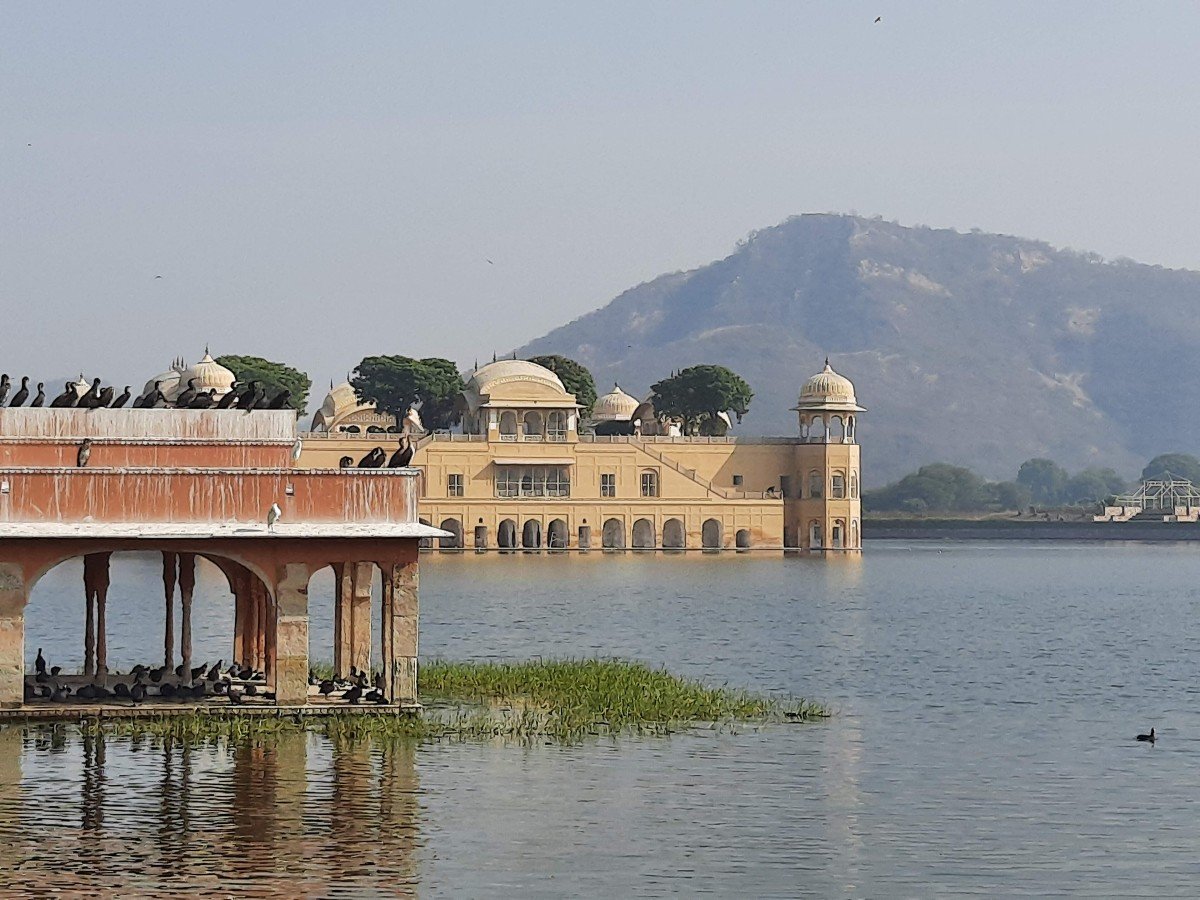

Jal Mahal
General information
-
Ideal Duration:
1 to 2 Hours (For viewing and photography from the embankment)Place Type:
Historical Monument/Palace, Lakeside AttractionEntry Fees:
Viewing the Palace from the Embankment is Free: There is no entry fee to see the Jal Mahal from the main road and the lakeside promenade. Visitors are free to walk along the embankment, take pictures, and enjoy the view at any time of day or night. This makes it a very acc...Viewing the Palace from the Embankment is Free: There is no entry fee to see the Jal Mahal from the main road and the lakeside promenade. Visitors are free to walk along the embankment, take pictures, and enjoy the view at any time of day or night. This makes it a very accessible and popular sightseeing spot for all types of travelers.
Restricted Interior Access: It is important to know that access to the interior of the Jal Mahal palace is restricted. There are no tickets sold for entering the palace itself. Boat rides to the palace were sometimes offered as part of restoration projects, but they are generally not available for general tourists, which means no interior entry fee applies.
Parking and Camera Fees (External Costs): While the monument viewing is free, if you are driving, there may be a nominal fee for parking your vehicle in the designated parking areas nearby. Also, some local areas might try to impose a small fee for professional-looking cameras (beyond mobile phones), though this is generally rare now for viewing from the public road.Timing:
Regular Timings for Viewing: The Jal Mahal is a spectacle that can be viewed 24 hours a day, as it is situated in a public lake visible from the main road. The best viewing experience, however, is generally considered to be from 6:00 AM to 6:00 PM, corresponding to daylight...Regular Timings for Viewing: The Jal Mahal is a spectacle that can be viewed 24 hours a day, as it is situated in a public lake visible from the main road. The best viewing experience, however, is generally considered to be from 6:00 AM to 6:00 PM, corresponding to daylight hours. The shops and street vendors along the promenade usually operate from morning until late evening.
Ideal Visit Time (Golden Hours): The most recommended time for a visit is during the Golden HoursRs.Sunrise (around 6:00 AM to 7:00 AM) or Sunset (around 5:30 PM to 6:30 PM). The light during these times is soft and warm, which perfectly illuminates the red sandstone and allows for the best photographic reflections on the water.
Evening/Night View: A visit after sunset, from 7:00 PM onwards, also offers a unique perspective. The palace is usually illuminated after dark, and the sight of the palace lights twinkling on the water against the dark backdrop of the hills is very romantic and distinct from the daytime view.Special Events:
The Seasonal Submergence Spectacle: The palace does not host regular public events, but the monsoon season itself creates a unique 'special event' for visitors. When the Man Sagar Lake fills up completely during the monsoon months (typically July to September), the spectacl...The Seasonal Submergence Spectacle: The palace does not host regular public events, but the monsoon season itself creates a unique 'special event' for visitors. When the Man Sagar Lake fills up completely during the monsoon months (typically July to September), the spectacle of the palace with its lower four stories completely submerged is at its most beautiful and dramatic. The rising water levels emphasize the engineering marvel of the structure and enhance the "floating" effect, making this the best time to appreciate its original design.Best Photo Spots:
The Central Embankment View: The main, wide embankment road right opposite the palace is the most popular and best photo spot. From here, you can capture the palace head-on, perfectly centered in the frame. The reflection on the water is often clearest from this viewpoint,...The Central Embankment View: The main, wide embankment road right opposite the palace is the most popular and best photo spot. From here, you can capture the palace head-on, perfectly centered in the frame. The reflection on the water is often clearest from this viewpoint, especially on a still day, allowing for stunning symmetrical shots.
Sunset Spot to the West: Positioning yourself slightly to the west of the palace on the embankment during sunset allows you to capture the silhouette of the palace against the vibrant orange and pink skies. The warm light of the setting sun highlights the red sandstone beautifully, creating a dramatic and romantic photo opportunity.
From the Observation Deck (Kanak Vrindavan Side): For a slightly elevated and different angle, look for viewpoints or observation areas near the Kanak Vrindavan side of the lake. This gives a perspective that includes a larger stretch of the lake and the Nahargarh Hills in the background, providing a rich, landscape-focused photograph.Photo Gallery

Things To Do
-
Lakeside Promenade Stroll: One of the main activities is simply walking along the wide, well-maintained embankment of the Man Sagar Lake. This promenade offers the best, unobstructed views of Jal Mahal. You can take a leisurely walk, enjoy the cool breeze, and watch the palace from different angles. It is a relaxing activity, especially in the late afternoon or evening.
Photography and Sunset/Sunrise Views: Jal Mahal is a paradise for photographers. The calm waters of the lake perfectly mirror the palace, creating a stunning reflection. The palace looks spectacular during sunrise when the sandstone catches the golden light, and even more magical at sunset, when its red hue deepens against the fading sky. Setting up your camera early or late is highly recommended for capturing its best look.
B...Lakeside Promenade Stroll: One of the main activities is simply walking along the wide, well-maintained embankment of the Man Sagar Lake. This promenade offers the best, unobstructed views of Jal Mahal. You can take a leisurely walk, enjoy the cool breeze, and watch the palace from different angles. It is a relaxing activity, especially in the late afternoon or evening.
Photography and Sunset/Sunrise Views: Jal Mahal is a paradise for photographers. The calm waters of the lake perfectly mirror the palace, creating a stunning reflection. The palace looks spectacular during sunrise when the sandstone catches the golden light, and even more magical at sunset, when its red hue deepens against the fading sky. Setting up your camera early or late is highly recommended for capturing its best look.
Bird Watching near the Lake: The restored Man Sagar Lake has again become a habitat for various migratory and local birds. If you have an interest in ornithology, the lake area, especially in the early mornings, offers chances to spot various bird species, making it a peaceful nature-watching experience alongside sightseeing.
Shopping for Local Crafts: Near the Jal Mahal embankment, you will often find local vendors selling traditional Rajasthani handicrafts, jewelry, and paintings. You can browse these stalls for souvenirs, support local artisans, and perhaps find a miniature painting of the palace itself.
Enjoying Local Street Food: The area around Jal Mahal is popular for street food stalls. You can sample local delicacies like Kulfi (Indian ice cream), Chaat, and other savory snacks. Enjoying a hot snack or a cool treat while admiring the palace is a simple yet delightful experience.
Viewing from the Hills (Distant Perspective): For a panoramic and unique perspective, drive up towards the Nahargarh Fort road. Certain viewpoints on the hills offer an elevated, distant view of the entire Man Sagar Lake with Jal Mahal nestled in the center. This perspective gives a better idea of the palace's relationship with the surrounding landscape.
Information
-
Why Famous:
The Floating Illusion: The primary reason for its fame is its unique positioning. Jal Mahal appears to gracefully float in the center of Man Sagar Lake. This stunning visual illusion, especially when the lower four floors are submerged, draws countless tourists and photogr...The Floating Illusion: The primary reason for its fame is its unique positioning. Jal Mahal appears to gracefully float in the center of Man Sagar Lake. This stunning visual illusion, especially when the lower four floors are submerged, draws countless tourists and photographers. This 'floating' appearance is a rare and captivating architectural concept.
Blend of Architectural Styles: It is a celebrated example of Indo-Saracenic architecture, showcasing a harmonious blend of Rajput and Mughal designs. The red sandstone construction, the elegant octagonal chhatris, and the symmetrical layout make it a masterpiece of 18th-century Indian architecture.
Restoration Success Story: The palace and the Man Sagar Lake have undergone significant restoration work in the 21st century to clean the lake and preserve the structure. This successful effort has brought the monument back to its former glory and highlights a commitment to heritage preservation. The clean lake water now provides a clearer reflection of the palace, doubling its beauty. -
Architecture:
The architecture of Jal Mahal is a beautiful example of the fusion between the traditional Hindu Rajput style and the grand Islamic Mughal architectural elements.
Materials and Color Palette: The palace is built predominantly from red sandstone. This choice of mat...The architecture of Jal Mahal is a beautiful example of the fusion between the traditional Hindu Rajput style and the grand Islamic Mughal architectural elements.
Materials and Color Palette: The palace is built predominantly from red sandstone. This choice of material gives the structure its distinctive warm, reddish-pink hue, which is characteristic of many of Jaipur's historical buildings. This color contrasts wonderfully with the blue waters of the lake and the green backdrop of the hills.
Structure and Submergence (Dimension): The palace is a five-storeyed building. Crucially, four of these storeys are designed to remain underwater when the Man Sagar Lake is at its maximum level. Only the uppermost, or fifth, storey is visible above the water line. This design is a feat of engineering, as it allows the submerged parts to help regulate the temperature of the palace, keeping it cool even during the intense Rajasthan summers. The base of the palace rests on the lakebed, and its robust construction has withstood the constant presence of water for centuries.
Roofline and Decorative Elements: The rooftop features four elegant, octagonal-shaped chhatris (domed pavilions) at each corner. These chhatris are typical of Rajput architecture and are primarily decorative, adding to the palace's regal appearance. There is also a larger, rectangular chhatri on the main roof, designed in the Bengal roof style, which features a curved cornice, indicating Mughal influence.
Jharokhas and Passages: The visible top floor is decorated with semi-octagonal towers at the corners, topped with cupolas. The palace once featured an ornate roof-top garden with arched passages, similar to the one at Amer Fort. The entire structure showcases intricate carvings, arches, and jharokhas (overhanging balconies) which reflect the detailed craftsmanship of the era. -
How To Reach:
By Air: The nearest airport is Jaipur International Airport (JAI), located in Sanganer, approximately 17 KMs away. From the airport, you can easily hire a pre-paid taxi, a private cab (like Ola or Uber), or an airport bus service directly to Jal Mahal. The drive usually ta...By Air: The nearest airport is Jaipur International Airport (JAI), located in Sanganer, approximately 17 KMs away. From the airport, you can easily hire a pre-paid taxi, a private cab (like Ola or Uber), or an airport bus service directly to Jal Mahal. The drive usually takes about 30 to 45 minutes, depending on traffic conditions, and follows the main city roads and then the Amer Road.
By Train: The closest major railway station is the Jaipur Junction (JP). It is well-connected to all major cities across India (Delhi, Mumbai, Kolkata, etc. ). The distance from the railway station to Jal Mahal is about 9 KMs. Outside the station, you can find auto-rickshaws, cycle-rickshaws, and private taxis. An auto-rickshaw ride will take around 25-35 minutes, depending on the route and traffic.
By Road: Jaipur is exceptionally well-connected by a network of National Highways (NH) and State Highways. The palace is situated on the Amer Road, which leads to the Amer Fort.
Bus: State-run and private buses connect Jaipur to various cities like Delhi, Agra, and Jodhpur. Once you reach the Jaipur city bus stand (Sindhi Camp), you can easily take a local bus or hire a taxi/auto-rickshaw to the palace (approx. 8 KMs).
Car/Taxi: Driving to Jal Mahal is straightforward. The location is famous and easily searchable on GPS. Parking is generally available near the embankment area.
By Local Transport: The most popular local transports are auto-rickshaws and local city buses.
Auto-Rickshaw: These are readily available everywhere in Jaipur and are a good way to get to Jal Mahal. Always agree on the fare before starting the journey or insist on using the meter.
Local
Bus: Jaipur City Transport Services Limited (JCTSL) runs local buses, including air-conditioned options, that ply the Amer Road route. Look for buses going towards Amer Fort or Kanak Vrindavan, and they will pass by Jal Mahal. -
Weather and Best Time to Visit:
Different Types of Seasons:
Winter (October to March): This is the best time to visit. The weather is cool and pleasant, with daytime temperatures ranging from 15{circ} ext{C} to 25{circ} ext{C}. The cool air enhances the viewing exper...Different Types of Seasons:
Winter (October to March): This is the best time to visit. The weather is cool and pleasant, with daytime temperatures ranging from 15{circ} ext{C} to 25{circ} ext{C}. The cool air enhances the viewing experience.
Monsoon (July to September): A good time to visit, especially to witness the full submergence of the palace's lower floors, which gives the most perfect "floating" look. However, humidity can be high.
Summer (April to June): The weather is extremely hot, with temperatures often exceeding 40{circ} ext{C}. If visiting during this time, stick to early mornings or late evenings.
Different Parts of the Day: Morning (6:00 AM - 9:
00 AM): Ideal. The air is fresh, the crowds are minimal, and the soft morning light is perfect for photography, especially for capturing the reflection on the lake. Afternoon (12:00 PM - 3:
00 PM): Least Ideal. The sun is harsh, and the heat can be intense. The reflections are poor, and colors are washed out. Evening (5:00 PM - 7:
00 PM): Very Ideal. Perfect time to watch the stunning sunset, followed by the palace's illumination at night. It is the most popular time for tourists. -
Near Tourist Places:
1.
Kanak Vrindavan Garden: 1 KM (Garden and Temple) 2.
Gaitore Ki Chhatriyan: 1. 5 KMs (Royal Cenotaphs) 3.
Amer Fort (Amber Fort): 6 KMs (Hilltop Fort and Palace) 4.
Jaigarh Fort: 9 KMs (Fort of Victory, home to Jaivana cannon) 5.
Nahargarh Fort: 10 KMs (Tiger Fort, great for city views) 6.
Hawa Mahal: 5. 5 KMs (Palace of Winds) 7.
City Palace: 6 KMs (Royal Residence and Museum) 8.
Jantar Mantar: 6 KMs (Astronomical Observatory) 9.
Govind Dev Ji Temple: 6. 5 KMs (Important Krishna Temple) 10.
Galtaji Temple (Monkey Temple): 8 KMs (Ancient Pilgrimage Site)
Tourism Tips
-
Health & Safety:
Stay Hydrated: Especially if you visit between April and October, carry a water bottle and drink frequently to avoid dehydration in the Rajasthan heat.
Sun Protection: Use sunscreen, wear a...Health & Safety:
Stay Hydrated: Especially if you visit between April and October, carry a water bottle and drink frequently to avoid dehydration in the Rajasthan heat.
Sun Protection: Use sunscreen, wear a hat or cap, and sunglasses, even in winter, as the sun can be quite strong.
Beware of Traffic: Since the palace is viewed from a busy road (Amer Road), be very careful of traffic when crossing or taking photos near the road edge.
Packing:
Lightweight Clothing: Pack light and breathable cotton clothes, especially during the summer.
Comfortable Footwear: You will be standing and walking on the promenade for a considerable time, so comfortable shoes are a must.
Camera Gear: Don't forget your camera for the fantastic photo opportunities. A tripod is useful for sunrise/sunset shots to stabilize your camera.
Accommodation:
Hotels Near Amer Road: There are various hotel options (from budget to luxury) near Amer Road and the Man Sagar Lake area, offering views of the lake.
Staying in the Walled City: The old city of Jaipur (the Walled City) is also a good option, as it keeps you close to other major attractions like Hawa Mahal and City Palace.
Other Different Topics Heading:
No Interior Access: Remember that entry to the palace is generally restricted. Your visit is mainly for viewing and photography from the outside.
Bargain at Stalls: If you decide to buy souvenirs from the local vendors along the promenade, be prepared to bargain gently to get a fair price.
Combine with Amer Fort: Jal Mahal is on the way to Amer Fort and Kanak Vrindavan. It is highly recommended to combine a visit to all three spots in one half-day trip.
Try Local Lassi: Look for local shops nearby for a refreshing glass of traditional Rajasthani Lassi (yogurt drink).
Reviews
FAQs
Jaipur Itineray And Cost:-
Other Places In Jaipur :-
Other States In India :-
Information about New and Updated Locations() of Rajasthan Has Been Added :-
Card subtitle
Note:-
Information provided here in good Faith and for reference only.
Near Places

City Palace, Jaipur
Some quick example text to build on the card title and make up the bulk of the card's content.
Go somewhere
Hawa Mahal
Some quick example text to build on the card title and make up the bulk of the card's content.
Go somewhere
Jantar Mantar, Jaipur
Some quick example text to build on the card title and make up the bulk of the card's content.
Go somewhere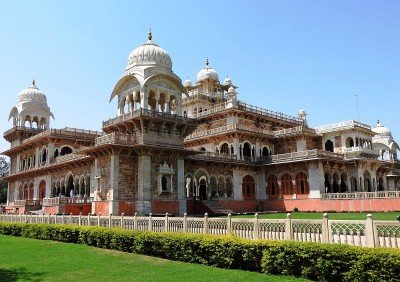
Albert Hall Museum
Some quick example text to build on the card title and make up the bulk of the card's content.
Go somewhere
Amer Fort
Some quick example text to build on the card title and make up the bulk of the card's content.
Go somewhere
Anokhi Museum of Hand Printing
Some quick example text to build on the card title and make up the bulk of the card's content.
Go somewhere
Bapu Bazaar
Some quick example text to build on the card title and make up the bulk of the card's content.
Go somewhere
Birla Mandir
Some quick example text to build on the card title and make up the bulk of the card's content.
Go somewhere
Blue Pottery Art Centre, Ram Niwas Garden
Some quick example text to build on the card title and make up the bulk of the card's content.
Go somewhere
Central Park
Some quick example text to build on the card title and make up the bulk of the card's content.
Go somewhere
Chokhi Dhani Village
Some quick example text to build on the card title and make up the bulk of the card's content.
Go somewhere
Dolls Museum
Some quick example text to build on the card title and make up the bulk of the card's content.
Go somewhere
Elefantastic
Some quick example text to build on the card title and make up the bulk of the card's content.
Go somewhere
Galta Ji
Some quick example text to build on the card title and make up the bulk of the card's content.
Go somewhere
Galtaji Temple
Some quick example text to build on the card title and make up the bulk of the card's content.
Go somewhere
Gatore Ki Chhatriyan
Some quick example text to build on the card title and make up the bulk of the card's content.
Go somewherein Other Cities