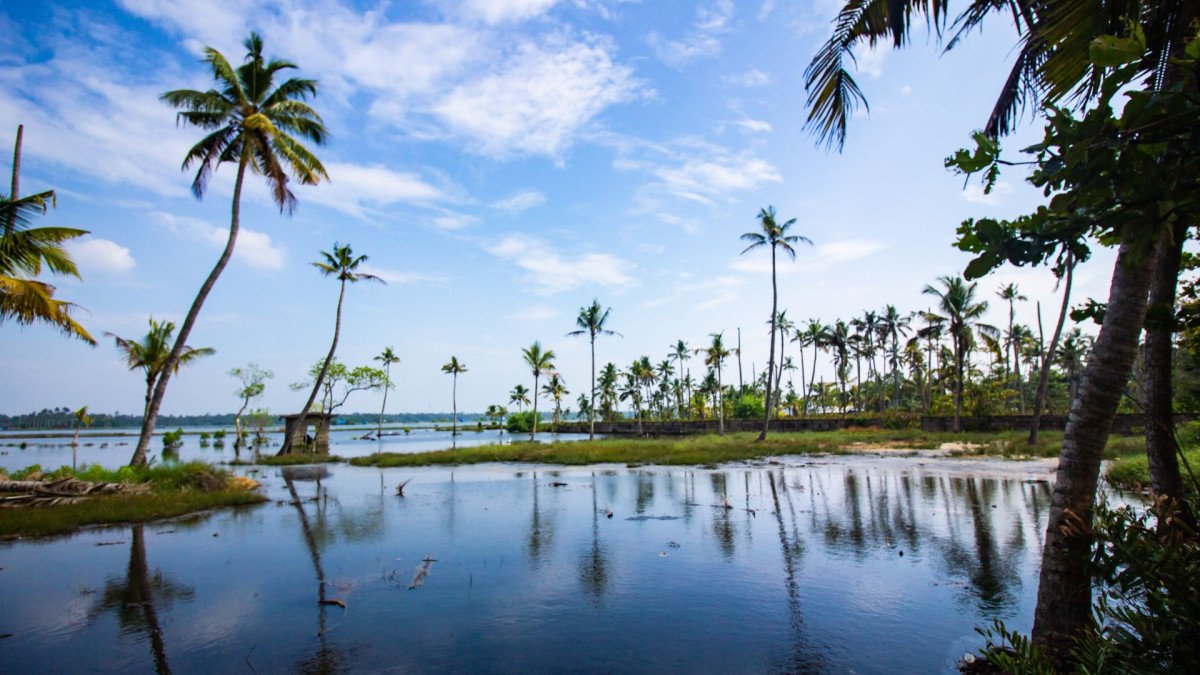
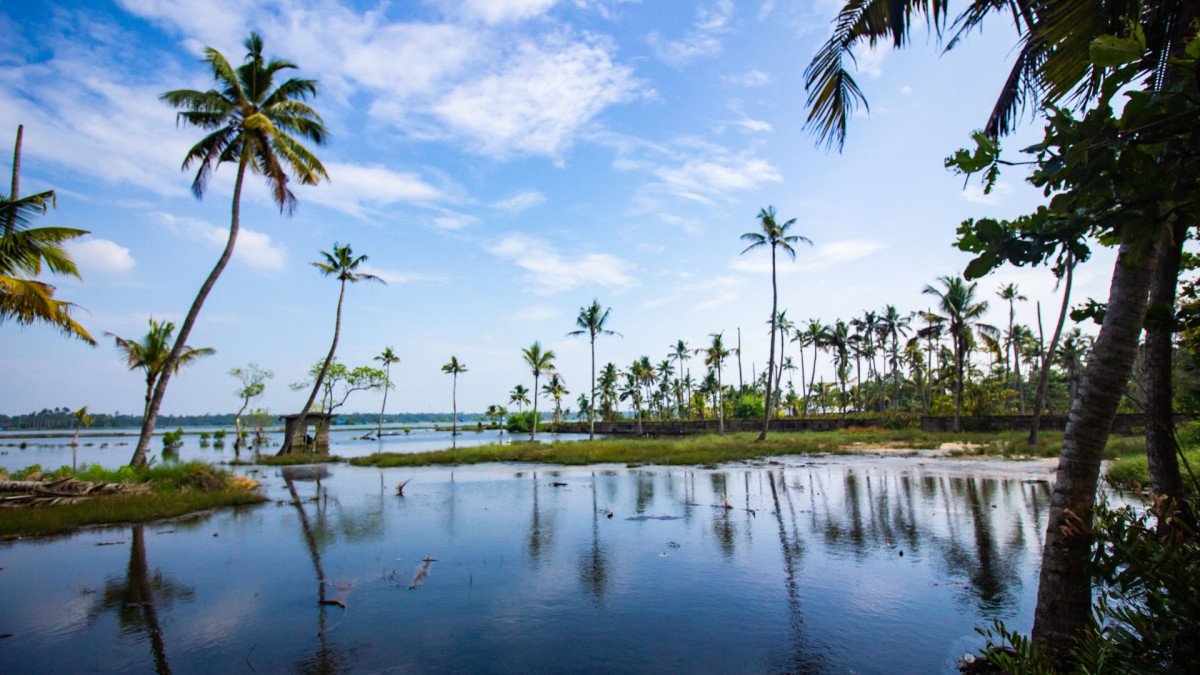
Man Sagar Lake
General information
-
Ideal Duration:
30 minutes to 1. 5 hours (for viewing and photography from the embankment).Place Type:
Lake / Historical Structure (Jal Mahal) / Scenic SEntry Fees:
Man Sagar Lake and Promenade: There is No Entry Fee to visit the lakefront, walk along the public promenade, or view the Jal Mahal from the road. It is freely accessible to the public.
Jal Mahal Access: Currently, the Jal Mahal palace itsel...Man Sagar Lake and Promenade: There is No Entry Fee to visit the lakefront, walk along the public promenade, or view the Jal Mahal from the road. It is freely accessible to the public.
Jal Mahal Access: Currently, the Jal Mahal palace itself is not open for general public entry. Visitors can only admire it from the lake embankment. Historically, guided boat rides to the palace were sometimes available, but general access inside is restricted for conservation and security reasons.
Photography Fees: There are generally No Photography Fees for taking pictures of the palace from the public viewing areas on the embankment.
Costs to Consider: The only costs involved would be parking if you bring a private vehicle, or the cost of the auto-rickshaw/taxi/bus fare to reach the lake from the city.
Comparing Costs: The free access to this iconic viewpoint makes it an excellent budget-friendly sightseeing option, especially when contrasted with the high entry fees for some of the nearby forts. This ensures that everyone can enjoy one of Jaipur's most beautiful sights without a ticket.Timing:
Regular Timings (Viewing from Promenade): The Man Sagar Lake promenade is essentially a public road and viewing area, so it is accessible 24 hours a day for viewing from the roadside.
Ideal Visit Time (Aesthetic & Photography): Sunrise (Earl...Regular Timings (Viewing from Promenade): The Man Sagar Lake promenade is essentially a public road and viewing area, so it is accessible 24 hours a day for viewing from the roadside.
Ideal Visit Time (Aesthetic & Photography): Sunrise (Early Morning, around 6:00 AM - 8:00 AM) This is the Ideal Visit Time for the most picturesque view. The water is often calm, producing clear reflections, and the soft, golden light is perfect for photography. The atmosphere is quiet and serene. Sunset (Late Afternoon/Evening, around 5:00 PM - 7:00 PM) This is another peak time. The golden hues of the sunset reflecting on the lake and the palace, followed by the transition to the magical Illuminated View after dark, make it highly popular.
Mid-day: Can be very hot, and the light is harsh for photography, though the view remains spectacular.Special Events:
Jaipur Literature Festival (Nearby): While the lake itself may not host major commercial events, the general area around the Amer Road and the larger Jaipur is famous for hosting cultural and intellectual events. The world-renowned Jaipur Literature Festival (usually held i...Jaipur Literature Festival (Nearby): While the lake itself may not host major commercial events, the general area around the Amer Road and the larger Jaipur is famous for hosting cultural and intellectual events. The world-renowned Jaipur Literature Festival (usually held in January) is a major highlight, and while not on the lake, the general cultural vibe of the city permeates the area during this time. The peaceful setting of the lake provides a tranquil retreat from the festival's hustle.
Seasonal Bird Migrations: The arrival of specific migratory birds during the winter months (e. g. , November to February) is a natural 'special event' at the lake. For birding enthusiasts, this influx of diverse avian life is the equivalent of a major spectacle, showcasing the restored health of the ecosystem. Local bird-watching groups often organize informal gatherings or walks during these peak months.Best Photo Spots:
The Center Point of the Embankment/Bridge: The road running along the lake offers the most classic and best-known photo spot. Stand at the center of the bridge or the designated viewing areas to capture the entire Jal Mahal symmetrically floating in the middle of the water,...The Center Point of the Embankment/Bridge: The road running along the lake offers the most classic and best-known photo spot. Stand at the center of the bridge or the designated viewing areas to capture the entire Jal Mahal symmetrically floating in the middle of the water, with the Aravalli hills providing a dramatic backdrop.
Sunrise and Golden Hour Reflections: The hours around Sunrise are phenomenal. The calm water often produces a perfect mirror reflection of the palace, and the soft, golden light is ideal for capturing a tranquil, high-quality image. This requires an early start but is highly rewarding.
The Illuminated Night View: For a dramatic and romantic photograph, visit after sunset when the palace is lit up. The contrast of the illuminated structure against the dark water and sky creates a stunning long-exposure shot, often with the street lights along the bridge adding an element of urban life to the foreground.
The Edge of the Water (Foreground Interest): For more artistic shots, use the foreground elementsRs.like the local flora, the patterns in the water, or the traditional stone railings of the promenadeRs.to frame the distant palace. This adds depth and local flavour to the photograph.Photo Gallery
Things To Do
-
Admire the Jal Mahal from the Promenade: The primary activity is to simply walk along the lakeside promenade (the main embankment road) and admire the floating Jal Mahal. Take your time to appreciate the palace's unique architecture and its reflection in the water. This is an excellent way to soak in the peaceful ambiance of the lake.
Capture the Iconic Photograph: Man Sagar Lake is one of the most important photography spots in Jaipur. Spend time capturing the perfect shot of the Jal Mahal. Experiment with different angles from the embankment and wait for the best light during sunrise or sunset. The reflection of the palace is a classic photographic frame.
Bird Watching (Especially in the Morning): Carry binoculars and engage in bird watching. The lake and its surrounding marshy areas are ...Admire the Jal Mahal from the Promenade: The primary activity is to simply walk along the lakeside promenade (the main embankment road) and admire the floating Jal Mahal. Take your time to appreciate the palace's unique architecture and its reflection in the water. This is an excellent way to soak in the peaceful ambiance of the lake.
Capture the Iconic Photograph: Man Sagar Lake is one of the most important photography spots in Jaipur. Spend time capturing the perfect shot of the Jal Mahal. Experiment with different angles from the embankment and wait for the best light during sunrise or sunset. The reflection of the palace is a classic photographic frame.
Bird Watching (Especially in the Morning): Carry binoculars and engage in bird watching. The lake and its surrounding marshy areas are a rich habitat. Look for resident and migratory species like the Greater Flamingo, various ducks, and other waders that flock to the lake, especially during the cooler seasons.
Enjoy Local Street Food and Handicrafts: In the late afternoon and evening, the area along the lake embankment comes alive with local street vendors. This is a perfect opportunity to sample authentic Rajasthani street food, snacks, and perhaps pick up small, local handicrafts from the sellers, offering a taste of local culture and commerce.
Take an Evening Stroll for the Illumination: Plan a visit specifically for the evening to witness the magical illumination of the Jal Mahal. The palace lights up beautifully after dusk, and viewing it from the embankment at this time offers a completely different, romantic experience.
Combine with a Trip to Amer Fort: Since the lake is on the main road to Amer Fort (only about 2 KMs away), schedule your visit to Man Sagar Lake as a stopover either on the way to or the way back from exploring the massive Amer Fort and Jaigarh Fort. This allows you to maximize your sightseeing efficiency.
Observe the Restoration Efforts and Ecology: Take a moment to read any available information boards about the lake's extensive clean-up project. Appreciating the successful restoration of the lake's ecology adds a layer of depth to your visit, transforming it from a purely scenic stop into an appreciation of environmental conservation.
Information
-
Why Famous:
The Floating Jal Mahal (Water Palace): The undeniable fame of Man Sagar Lake rests on the ethereal beauty of the Jal Mahal (Water Palace) standing in its middle. The palace's unique placement, with four out of its five stories submerged, creates a breathtaking illu...
The Floating Jal Mahal (Water Palace): The undeniable fame of Man Sagar Lake rests on the ethereal beauty of the Jal Mahal (Water Palace) standing in its middle. The palace's unique placement, with four out of its five stories submerged, creates a breathtaking illusion that it is literally floating on the calm waters, making it one of the most photographed sights in Jaipur and the world.
Restoration Success Story: The lake is famous among environmentalists and urban planners for being a significant ecological restoration success story. The extensive clean-up and revitalization project, which diverted sewage and improved water quality, brought back migratory birds and restored the area's natural habitat, showcasing a successful blend of heritage and environmental conservation.
A Picturesque Viewing Point: Its location on the road leading to the major forts (Amer and Jaigarh) and its stunning backdrop of the Aravalli hills and the forts make it a mandatory stop for all tourists. The promenade is renowned for offering magnificent, unobstructed panoramic views, particularly during sunrise and sunset. -
Architecture:
The Jal Mahal (Water Palace): The architecture of Man Sagar Lake is intrinsically linked to the Jal Mahal, which is built in the composite Rajput and Mughal architectural styles. The palace itself is a five-story structure, four of which remain submerged under the water whe...The Jal Mahal (Water Palace): The architecture of Man Sagar Lake is intrinsically linked to the Jal Mahal, which is built in the composite Rajput and Mughal architectural styles. The palace itself is a five-story structure, four of which remain submerged under the water when the lake is full, with only the top floor visible above the surface. This unique design gives it the appearance of floating on the water. The palace is constructed primarily of red sandstone.
Palace Design and Dimension:
Structure: Five stories, with four stories submerged.
Terrace Garden: The visible top floor once featured an elaborate terrace garden (now under restoration/maintenance), reflecting Mughal garden design.
Chhatris and Pillars: The corners of the visible roof are marked by elegant octagonal chhatris (pavilions), and the construction features intricate stone carvings and arched pillars typical of Rajput architecture.
Purpose: It was designed as a pleasure pavilion for royal duck shooting parties and leisurely retreats, not a full-time residence.
The Lake and Embankment Engineering: The lake itself is an example of ancient water harvesting and engineering. It spans approximately 300 acres (1. 2 square kilometers). The restoration involved significant civil engineering work, including the construction of an artery road and check dams, and de-silting the lakebed. The main road and bridge that run along the lake's edge serve as the primary viewing promenade for tourists, and their construction, along with viewing platforms, is part of the overall visitor-facing "architecture" of the site. -
How To Reach:
By Air: The nearest airport is Jaipur International Airport (JAI), which is approximately 22 KMs away. From the airport, a taxi or pre-booked cab is the best option to reach the lake directly. The drive typically takes 40-50 minutes, depending on the city traffic.By Air: The nearest airport is Jaipur International Airport (JAI), which is approximately 22 KMs away. From the airport, a taxi or pre-booked cab is the best option to reach the lake directly. The drive typically takes 40-50 minutes, depending on the city traffic.
By Train: The nearest major railway station is Jaipur Junction (JP), about 13 KMs away. The station is a major link to all parts of India. From the station, you can hire a taxi, a ride-hailing cab, or an auto-rickshaw. The journey by road takes about 25-35 minutes.
By Road: Man Sagar Lake is situated right on Amer Road, one of the main arteries connecting the city center of Jaipur to the heritage sites of Amer. 1.
Private Vehicle/Self-Drive: The route is straightforward. There are designated parking areas nearby, though the main embankment road can be busy. 2.
Local Bus: Numerous local buses ply the Amer Road route, making this an extremely affordable way to reach the lake. 3.
Taxi/Auto-Rickshaw: The lake is a very well-known landmark, and any taxi or auto-rickshaw driver in Jaipur will know the route. Always confirm the fare before starting the journey with an auto-rickshaw.
By Local Transport:
Ride-Hailing Cabs (Uber/Ola): The most comfortable and reliable way to get to the lake from the city center.
Tuk-Tuk/Auto-Rickshaw Tours: Many local tour operators include the Jal Mahal view as a compulsory stop on their half-day or full-day city tours. -
Weather and Best Time to Visit:
Different Types of Seasons:
Best Season:
Winter (October to March): The weather is cool and very pleasant. This is the Best Time to Visit for a comfortable viewing experience and to witness the arrival of mig...Different Types of Seasons:
Best Season:
Winter (October to March): The weather is cool and very pleasant. This is the Best Time to Visit for a comfortable viewing experience and to witness the arrival of migratory birds, enhancing the scenic beauty.
Good Season:
Monsoon (July to September): The monsoon rains often fill the lake to its maximum depth, making the floating palace effect of the Jal Mahal even more dramatic. The surrounding Aravalli hills are lush green, though the atmosphere can be humid.
Season to Avoid:
Summer (April to June): The intense heat during the day can make standing on the open promenade uncomfortable. If visiting in summer, strictly limit your visit to the early morning or late evening.
Different Parts of the Day:
Ideal Part of the Day:
Sunrise (Early Morning): Visiting from 6:00 AM to 8:00 AM offers the most beautiful light for photography, the calmest water for perfect reflections, and a quiet, peaceful atmosphere free from crowds and traffic.
Ideal Part of the Day:
Sunset and Evening: Visiting from 5:00 PM onwards is highly recommended to enjoy the colours of the sunset and to stay long enough to see the palace beautifully illuminated after dark. This is the most popular time for a leisurely stroll.
Time to Avoid:
Mid-day: The harsh light and heat between 11:00 AM and 3:00 PM are less ideal for photography and comfort. -
Near Tourist Places:
1.
Amer Fort (Amer Palace): Approx. 2 KMs. (Major Fort and UNESCO World Heritage Site). 2.
Kanak Vrindavan Garden: Approx. 1 KM. (Beautiful Mughal-style garden complex). 3.
Panna Meena ka Kund (Stepwell): Approx. 2 KMs. (Historic, symmetrical stepwell). 4.
Jaigarh Fort: Approx. 4 KMs. (Famous for the Jaivana cannon). 5.
Galtaji (Monkey Temple): Approx. 6 KMs. (Ancient pilgrimage site). 6.
Nahargarh Fort: Approx. 10 KMs. (Fort offering panoramic city views). 7.
Hawa Mahal (Palace of Winds): Approx. 8 KMs. (Iconic Jaipur landmark). 8.
City Palace: Approx. 9 KMs. (Royal residence complex). 9.
Jantar Mantar: Approx. 9 KMs. (Astronomical observatory). 10.
Albert Hall Museum: Approx. 10 KMs. (Oldest museum in Rajasthan).
Tourism Tips
-
Health & Safety:
Traffic Awareness: The promenade is on a busy highway, so be extremely careful of traffic, especially when crossing the road or taking pictures near the edge.
No Water Access: Do not attempt ...Health & Safety:
Traffic Awareness: The promenade is on a busy highway, so be extremely careful of traffic, especially when crossing the road or taking pictures near the edge.
No Water Access: Do not attempt to enter the water. It is prohibited and dangerous. The focus is strictly on viewing the palace from the land.
Packing:
Camera is Essential: This is a prime spot for photography, so ensure your camera or phone is fully charged.
Water Bottle: Carry drinking water, especially if you plan to walk along the promenade for a long period.
Accommodation:
Stay Near Amer Road: Booking accommodation near Amer Road or Amer Fort is convenient as it places you close to many of Jaipur's most famous forts and sights, including the lake.
City Center Options: The lake is only a short, affordable cab ride from the main Jaipur city hotels, making city-center accommodation a perfectly good choice.
Other Different Topics Heading:
Combine with Fort Visits: The lake is a quick stop. Plan to combine it with a trip to the nearby Amer Fort and Jaigarh Fort to save on travel time and cost.
Evening Food Exploration: Don't miss the opportunity to taste the local street food sold by vendors in the evening. It's a key part of the local experience.
Respect the Site: The lake is an ecological success story; please maintain cleanliness and do not litter.
Reviews
FAQs
Jaipur Itineray And Cost:-
Other Places In Jaipur :-
Other States In India :-
Information about New and Updated Locations() of Rajasthan Has Been Added :-
Card subtitle
Note:-
Information provided here in good Faith and for reference only.
Near Places

City Palace, Jaipur
Some quick example text to build on the card title and make up the bulk of the card's content.
Go somewhere
Hawa Mahal
Some quick example text to build on the card title and make up the bulk of the card's content.
Go somewhere
Jantar Mantar, Jaipur
Some quick example text to build on the card title and make up the bulk of the card's content.
Go somewhere
Albert Hall Museum
Some quick example text to build on the card title and make up the bulk of the card's content.
Go somewhere
Amer Fort
Some quick example text to build on the card title and make up the bulk of the card's content.
Go somewhere
Anokhi Museum of Hand Printing
Some quick example text to build on the card title and make up the bulk of the card's content.
Go somewhere
Bapu Bazaar
Some quick example text to build on the card title and make up the bulk of the card's content.
Go somewhere
Birla Mandir
Some quick example text to build on the card title and make up the bulk of the card's content.
Go somewhere
Blue Pottery Art Centre, Ram Niwas Garden
Some quick example text to build on the card title and make up the bulk of the card's content.
Go somewhere
Central Park
Some quick example text to build on the card title and make up the bulk of the card's content.
Go somewhere
Chokhi Dhani Village
Some quick example text to build on the card title and make up the bulk of the card's content.
Go somewhere
Dolls Museum
Some quick example text to build on the card title and make up the bulk of the card's content.
Go somewhere
Elefantastic
Some quick example text to build on the card title and make up the bulk of the card's content.
Go somewhere
Galta Ji
Some quick example text to build on the card title and make up the bulk of the card's content.
Go somewhere
Galtaji Temple
Some quick example text to build on the card title and make up the bulk of the card's content.
Go somewhere
Gatore Ki Chhatriyan
Some quick example text to build on the card title and make up the bulk of the card's content.
Go somewherein Other Cities