Aaiyappa Mandir
General information
-
Ideal Duration:
1 to 2 Hours:Place Type:
Religious Site: (Hindu TempleEntry Fees:
Free Entry and Voluntary Donations:
No Mandatory Fee for Darshan: There is absolutely no entry fee to visit the Aaiyappa Mandir for Darshan or to participate in the general daily Aarti ceremonies. The temple operates on the principle of open ...Free Entry and Voluntary Donations:
No Mandatory Fee for Darshan: There is absolutely no entry fee to visit the Aaiyappa Mandir for Darshan or to participate in the general daily Aarti ceremonies. The temple operates on the principle of open worship for all devotees, regardless of origin, creed, or financial status. This policy ensures the temple remains a true center for the community.
Pooja and Vazhipadu Charges:
Fees for Special Services: While entry is free, there are specific, nominal charges (dakshina) associated with booking special religious services or offerings (Pooja or Vazhipadu), such as Abhishekam, Annaprasam, Homams, and vehicle pooja. These fees are clearly listed at the administrative office and are used to cover the costs of the ritual materials and the maintenance of the temple. These are optional and do not constitute an 'entry fee'.
Charitable Contributions and Maintenance:
Voluntary Contributions: The temple heavily relies on voluntary donations from devotees and well-wishers for its upkeep, renovation, community programs, and charitable initiatives like Annadanam. Visitors are encouraged, but not required, to contribute as they see fit. This transparent financial model ensures the temple's sustainability.Timing:
Regular Temple Timings:
Split Schedule for Worship: The temple follows a typical schedule with a morning session and an evening session, respecting the traditional pooja timings. The general timings are usually from 5:30 AM to 10:00 AM in the...Regular Temple Timings:
Split Schedule for Worship: The temple follows a typical schedule with a morning session and an evening session, respecting the traditional pooja timings. The general timings are usually from 5:30 AM to 10:00 AM in the morning and 5:30 PM to 8:30 PM in the evening. It is important to note that the temple closes in the afternoon, often between 10:00 AM and 5:30 PM, and most major rituals like Homams and Abhishekams are performed only during the morning hours.
Ideal Visit Time for Darshan:
Early Morning and Early Evening: The ideal time for a serene visit and unhurried Darshan is in the early morning (between 6:00 AM and 8:00 AM) just after the first Pooja and before the day's heat sets in. Alternatively, the early evening (around 6:00 PM) is perfect for witnessing the spectacular evening Aarti (Deeparadhana) when the temple is beautifully illuminated with oil lamps.
Seasonal and Festival Timings:
Extended Hours: During the peak festival season, especially Mandalapooja (mid-November to late December) and Makaravilakku (January), the timings are often extended to accommodate the larger influx of pilgrims. The temple may remain open for longer hours, and the afternoon closing may be waived or shortened. Visitors must verify the specific timings before planning a visit during these holy months.Special Events:
Mandalapooja Festival:
The Peak Pilgrimage Season: The most significant special event is the Mandalapooja season, which typically spans from November to the end of December. This 41-day period is the time of the Mandala Vritham (penance) for ...Mandalapooja Festival:
The Peak Pilgrimage Season: The most significant special event is the Mandalapooja season, which typically spans from November to the end of December. This 41-day period is the time of the Mandala Vritham (penance) for pilgrims preparing to visit Sabarimala, making the Bokaro Mandir a crucial stop for local devotees to begin or conclude their Vritham. The temple is magnificently decorated, and special poojas, processions, and cultural programs are held daily, drawing the largest crowds of the year.
Makaravilakku Festival:
The Grand Finale in January: Following the Mandalapooja, the second most important festival is Makaravilakku, observed around the middle of January. This event is celebrated with great fervor, featuring special rituals, grand evening Deeparadhana (worship with lamps), and community feasting (Annadanam). This period offers a unique opportunity to witness the South Indian cultural pageantry in its full glory within Jharkhand, showcasing traditional music and dance forms.Best Photo Spots:
The Grand Temple Entrance:
Capturing the Architectural Fusion: The main gateway or Gopuram-style entrance, if present, or the primary archway to the temple complex, is the best spot. This area beautifully frames the temple's unique architectu...The Grand Temple Entrance:
Capturing the Architectural Fusion: The main gateway or Gopuram-style entrance, if present, or the primary archway to the temple complex, is the best spot. This area beautifully frames the temple's unique architectural style—partially Eastern Indian and partially South Indian—against the backdrop of the clean and green Sector 5. Photography is generally permitted here, capturing the vibrant colours and the temple's distinctive roofline.
The Temple Pond or Water Feature:
Reflection and Serenity Shot: Many temples in Bokaro or the region have a small tank or water body nearby. If the Aaiyappa Mandir complex includes one, a photograph capturing the temple's reflection in the calm water at dawn or dusk offers a stunning, serene, and evocative composition. The tranquil nature of this spot makes for a perfect contrast to the city's industrial landscape.
The Upadevatha Shrines:
A Gallery of Deities: The smaller shrines dedicated to deities like Lord Ganesha and Goddess Bhagavati, often distinct in their design, provide excellent spots for detailed architectural shots and cultural context. The colorful sculptures and the intricate work on these sub-shrines offer rich visual detail, perfect for close-up and thematic photography.Photo Gallery
Things To Do
-
Seek Divine Darshan and Participate in Daily Puja:
Spiritual Connection and Blessing: The primary activity is to have Darshan (sacred viewing) of the main deity, Lord Ayyappa, and the Upadevathas (sub-deities) like Lord Ganesha and Goddess Bhagavati. Visitors can participate in the morning and evening Aarti ceremonies, which are moments of profound devotion and spiritual upliftment. Make sure to receive the sacred Prasadam (blessed food offering) after the rituals.
Engage in Special Rituals and Offerings:
Pooja and Vazhipadu: Devotees can book various Vazhipadus (offerings) and Poojas for personal welfare, health, and success. Common offerings include Abhishekam (ritualistic bath), Homangal (fire rituals), Ganapati Pooja, Annaprasam (first rice-feeding ceremony fo...Seek Divine Darshan and Participate in Daily Puja:
Spiritual Connection and Blessing: The primary activity is to have Darshan (sacred viewing) of the main deity, Lord Ayyappa, and the Upadevathas (sub-deities) like Lord Ganesha and Goddess Bhagavati. Visitors can participate in the morning and evening Aarti ceremonies, which are moments of profound devotion and spiritual upliftment. Make sure to receive the sacred Prasadam (blessed food offering) after the rituals.
Engage in Special Rituals and Offerings:
Pooja and Vazhipadu: Devotees can book various Vazhipadus (offerings) and Poojas for personal welfare, health, and success. Common offerings include Abhishekam (ritualistic bath), Homangal (fire rituals), Ganapati Pooja, Annaprasam (first rice-feeding ceremony for children), and vehicle pooja. These specialized rituals, performed by the priests, offer a deep cultural and religious engagement opportunity.
Meditation and Quiet Contemplation:
Finding Inner Peace: The temple's environment is intentionally kept serene and quiet, offering a perfect spot for meditation and personal prayer away from the noise of the city. Spend time sitting in the Mandapam (pillared hall) or along the perimeter, observing the architecture and soaking in the peaceful, spiritual ambience.
Explore the Sub-Shrines and Navagraha:
Honoring the Pantheon: Dedicate time to visiting and offering prayers at the smaller shrines for Lord Shiva, Lord Vishnu, Lord Kartikeya, and the nine planetary deities (Navagraha). Each sub-shrine has its own significance and rituals, making the visit a complete religious circuit according to Hindu tradition.
Observe the Cultural Calendar:
Attend Bhajans and Kirtans: The temple frequently organizes Bhajans (devotional songs) and Kirtans (group chanting) sessions, especially during the evenings and on auspicious days. These sessions are open to all, providing a vibrant, communal experience of faith and music. Check the temple notice board for upcoming cultural programs.
Attend Religious Discourses and Classes:
Learn and Grow: The temple often hosts religious discourses (pravachanams) on topics from the Puranas and Vedas. These are excellent for tourists interested in learning about Hindu philosophy, the legend of Lord Ayyappa, and the significance of the temple's rituals. Respectful Photography and Architectural Observation:
Capturing Memories and Beauty: While photography is generally restricted inside the main sanctum, the exterior, the temple entrance, and the overall compound are beautiful spots. Observe the distinct architectural fusion, which serves as a great memory of Bokaro's diverse culture.
Information
-
Why Famous:
Cultural Melting Pot:
South Indian Culture in Jharkhand: The primary reason for the temple's fame is its role as the cultural and spiritual anchor for the large South Indian community in Bokaro, a city built by people from across India. It is...Cultural Melting Pot:
South Indian Culture in Jharkhand: The primary reason for the temple's fame is its role as the cultural and spiritual anchor for the large South Indian community in Bokaro, a city built by people from across India. It is one of the most prominent Ayyappa temples outside South India, meticulously maintaining the complex and revered traditions of Kerala, including the Vritham (penance) and the specific rituals performed by the traditional priests. This dedication draws pilgrims from neighboring states like West Bengal, Bihar, and Odisha, making it a regional hub for the faith.
Architectural Uniqueness in Bokaro:
A Bengali-Kerala Fusion: The unique blend of South Indian deities and rituals housed within a structure that incorporates elements of regional Eastern Indian architecture sets it apart from other temples in the city. This blend is a physical representation of Bokaro's cosmopolitan nature. The serene environment offers a calm retreat in the heart of an industrial city, contrasting sharply with the nearby bustling commercial and industrial zones like the Bokaro Steel Plant. The temple is famous for successfully transplanting and preserving an intricate, region-specific spiritual tradition. -
Architecture:
Architectural Style and Materials:
A Blend of Regional Influences: The Aaiyappa Mandir in Bokaro showcases a fascinating and deliberate blend of architectural styles. While the fundamental worship protocols and the deity dedication are purely...Architectural Style and Materials:
A Blend of Regional Influences: The Aaiyappa Mandir in Bokaro showcases a fascinating and deliberate blend of architectural styles. While the fundamental worship protocols and the deity dedication are purely South Indian (Kerala tradition), the external structure and main temple hall are often described as having quintessential Bengali or general Eastern Indian architectural features. This fusion reflects the diverse community that built and sustains the temple. The structure typically employs durable local building materials like brick and cement, finished with vibrant paintwork, distinguishing it from the traditional wood and sloping roofs of a typical Kerala koothambalam.
Sanctum Details and Deity Placement:
The Inner Sanctum: The Garbhagriha (Sanctum Sanctorum) holds the main idol of Lord Ayyappa. The rituals followed are strictly those prescribed by the Tantra Samuchchaya, with the Prana Pratishta (installation ceremony) historically performed by traditional priests from the renowned Tazhamon Mathom of Sabarimala. The layout follows the prescribed format for an Ayyappa temple, featuring the 18 steps (Pathinettam Padi - symbolic representation) and separate, smaller shrines (Upadevathas) for the other deities like Lord Ganesha and Goddess Bhagavati within the complex perimeter.
Absence of Traditional South Indian Dimensions:
Regional Adaptation: Unlike the towering Gopurams or intricate stone carvings of some South Indian temples, the Bokaro Mandir presents a more modest scale, focused on the spiritual core. While precise blueprints and dimensional data (like the height of the Vimana or length of the compound wall) are not publicly detailed, the temple's layout prioritizes functionality for the community. The overall compound is spacious enough to accommodate the heavy rush of devotees during festivals like Mandalakala and Makaravilakku, indicating a significant area dimension, perhaps several thousand square feet, designed for congregation and cultural programs. -
How To Reach:
By Air:
Closest Airports and City Transport: The nearest major airport is Birsa Munda Airport (IXR) in Ranchi, approximately 120 kilometers away. The second closest is Netaji Subhas Chandra Bose International Airport (CCU) in Kolkata, which i...By Air:
Closest Airports and City Transport: The nearest major airport is Birsa Munda Airport (IXR) in Ranchi, approximately 120 kilometers away. The second closest is Netaji Subhas Chandra Bose International Airport (CCU) in Kolkata, which is about 300 kilometers away but offers more flight connectivity. From Ranchi Airport, one can hire a pre-paid taxi or book an intercity cab service (like Ola or Uber if available for intercity travel, or a local service) directly to Bokaro Steel City. The journey takes around 3 to 4 hours. From the Bokaro city center, the temple in Sector 5 is easily reachable by local transport.
By Train:
The Most Convenient Rail Access: The most convenient way to reach Bokaro is by train, which is well-connected to major Indian cities. The main station is Bokaro Steel City Railway Station (BKSC). BKSC is a primary junction with direct trains (Express and Superfast) from cities like Delhi, Kolkata, Mumbai, Chennai, and Ranchi. From the station, the Aaiyappa Mandir in Sector 5 is only a short ride away (approximately 5-7 KMS). You can easily hire an auto-rickshaw or a local taxi from the station exit.
By Road:
Interstate and Local Connectivity: Bokaro Steel City is well-connected by National and State Highways. NH 18 (previously NH 32) and other major roads link it to Dhanbad, Ranchi, Jamshedpur, and Kolkata. State-run buses (JSRTC) and private luxury buses ply regularly from these major cities. If driving your own vehicle or a hired taxi, the temple is located on a main road in Sector 5. In-city, the wide, well-maintained roads of Bokaro make for a smooth drive, with auto-rickshaws and local taxis being the most popular mode of last-mile transport to the temple.
By Local Transport:
Within Bokaro City: For traveling within Bokaro, the temple is readily accessible by auto-rickshaws, which are the city's lifeline. These can be hired directly or booked through local ride-sharing apps, if available. Shared auto-rickshaws run on fixed routes and are the most economical choice. Local city buses also operate on major routes, and for a more comfortable journey, private taxis are available for hire from major points like the City Centre or Railway Station. -
Weather and Best Time to Visit:
Different Types of Seasons:
The Cool and Pleasant Months (October to March): The Best Time to Visit the Aaiyappa Mandir is during the Winter season, which runs from October to March. The weather during this period is delightfully cool and ple...Different Types of Seasons:
The Cool and Pleasant Months (October to March): The Best Time to Visit the Aaiyappa Mandir is during the Winter season, which runs from October to March. The weather during this period is delightfully cool and pleasant, with temperatures ranging from 10°C to 25°C, making sightseeing and participation in temple activities comfortable. This period also perfectly overlaps with the temple's two most significant festivals, the Mandalapooja and Makaravilakku, which offer the most vibrant cultural experience.
Different Parts of the Day:Spiritual Ambiance (Early Morning and Early Evening): For a truly spiritual and crowd-free experience, the Early Morning (between 6:00 AM and 8:00 AM) is ideal. It allows visitors to witness the morning Abhishekam and poojas in profound quiet. The Early Evening (around 6:00 PM) is also highly recommended for the daily Deeparadhana (Aarti), when the temple is bathed in the golden light of lamps. The hot and humid Summer months (April to June) and the heavy Monsoon months (July to September) are best avoided, though the temple is beautiful and less crowded during the rainy season. -
Near Tourist Places:
Nearby Attractions and Distance:
Jawaharlal Nehru Biological Park (Bokaro Zoo): ~1 KM.
City Park (Jubilee Park): ~3 KMS. Bokaro Mall (Sector 3/4): ~4 KMS. Ram Mandir Bokaro Steel City (Sector 4): ~5 KMS.
Bokaro Steel Plant (Main Gate View): ~6 KMS.
Mohan Kumar Mangalam Stadium (MKMS): ~6 KMS.
Garga Dam (Garga Village): ~15 KMS.
Chas (Sub-division, market area): ~10 KMS.
Rajrappa Temple (Chinnamasta Temple): ~45 KMS.
Parasnath Hills (Pilgrimage Site):
~70 KMS:
Tourism Tips
-
Health & Safety:
Modest Dress and Footwear Rules:
Always adhere to the temple's strict dress code: for men, traditional attire like dhoti or pyjamas with a shirt is preferred; for women, a saree, salwar kameez...Health & Safety:
Modest Dress and Footwear Rules:
Always adhere to the temple's strict dress code: for men, traditional attire like dhoti or pyjamas with a shirt is preferred; for women, a saree, salwar kameez, or modest clothing is mandatory. Avoid shorts, sleeveless tops, and low-waist jeans. Footwear must be removed outside the temple premises. Always be respectful of the temple rituals and maintain silence within the complex, particularly near the sanctums. Carry a small first-aid kit for minor travel-related issues.
Packing:
Essentials for Religious Sites: Pack light, breathable, and modest clothing suitable for the weather and the religious environment. Carry a dedicated bag for your shoes and socks. Don't forget your camera for exterior shots (respecting interior restrictions) and a small notebook if you wish to document the complex rituals. If visiting during winter, a light sweater or shawl is necessary for the early mornings and late evenings.
Accommodation:Stay Near City Centre or Sector 4/5: The best accommodation is available near the City Centre or within sectors like Sector 4 or Sector 5 for easy access. Options range from budget hotels to mid-range guesthouses. Since Bokaro is an industrial town, finding reputable accommodation is generally easy, but booking in advance is advised, especially during the November-January festival period.
Other Different Topics:
Respecting Rituals and Language: Photography is usually prohibited inside the main shrines; always check with the temple authorities first. The primary languages spoken are Hindi, Bengali, and English, but many priests and community members also speak Malayalam and Tamil. Use simple language and polite gestures. Look for the notice board near the office to find the day's Pooja schedule.
Reviews
FAQs
Bokaro Itineray And Cost:-
Other Places In Bokaro :-
Other States In India :-
Information about New and Updated Locations() of Jharkhand Has Been Added :-
Card subtitle
Note:-
Information provided here in good Faith and for reference only.
Near Places

Aaiyappa Mandir
Some quick example text to build on the card title and make up the bulk of the card's content.
Go somewhere
Banaso Temple
Some quick example text to build on the card title and make up the bulk of the card's content.
Go somewhere
Barwa Ghaat
Some quick example text to build on the card title and make up the bulk of the card's content.
Go somewhere
Bokaro Mall
Some quick example text to build on the card title and make up the bulk of the card's content.
Go somewhere
Bokaro Steel Plant
Some quick example text to build on the card title and make up the bulk of the card's content.
Go somewhere
Bokaro Thermal Power Station
Some quick example text to build on the card title and make up the bulk of the card's content.
Go somewhere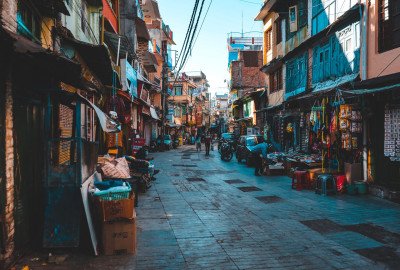
Chas Bazaar
Some quick example text to build on the card title and make up the bulk of the card's content.
Go somewhere
Chechaka Dham
Some quick example text to build on the card title and make up the bulk of the card's content.
Go somewhere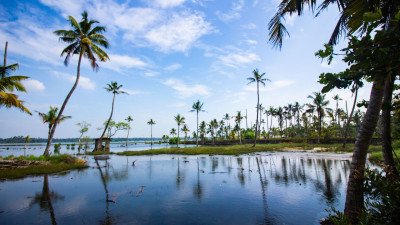
City Park and Lake
Some quick example text to build on the card title and make up the bulk of the card's content.
Go somewhere
City Park
Some quick example text to build on the card title and make up the bulk of the card's content.
Go somewhere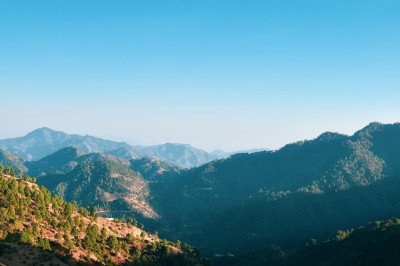
Durga Hills
Some quick example text to build on the card title and make up the bulk of the card's content.
Go somewhere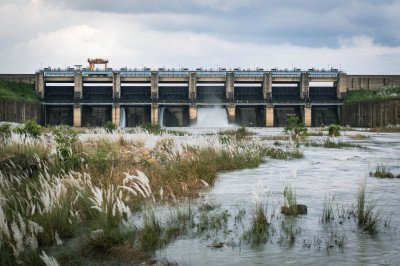
Garga Dam
Some quick example text to build on the card title and make up the bulk of the card's content.
Go somewhere
Gawai Barrage
Some quick example text to build on the card title and make up the bulk of the card's content.
Go somewhere
Gayatri Mandir
Some quick example text to build on the card title and make up the bulk of the card's content.
Go somewhere
Hanuman Mandir, Sector 4
Some quick example text to build on the card title and make up the bulk of the card's content.
Go somewhere
Jagannath Temple
Some quick example text to build on the card title and make up the bulk of the card's content.
Go somewherein Other Cities